
Main Courses
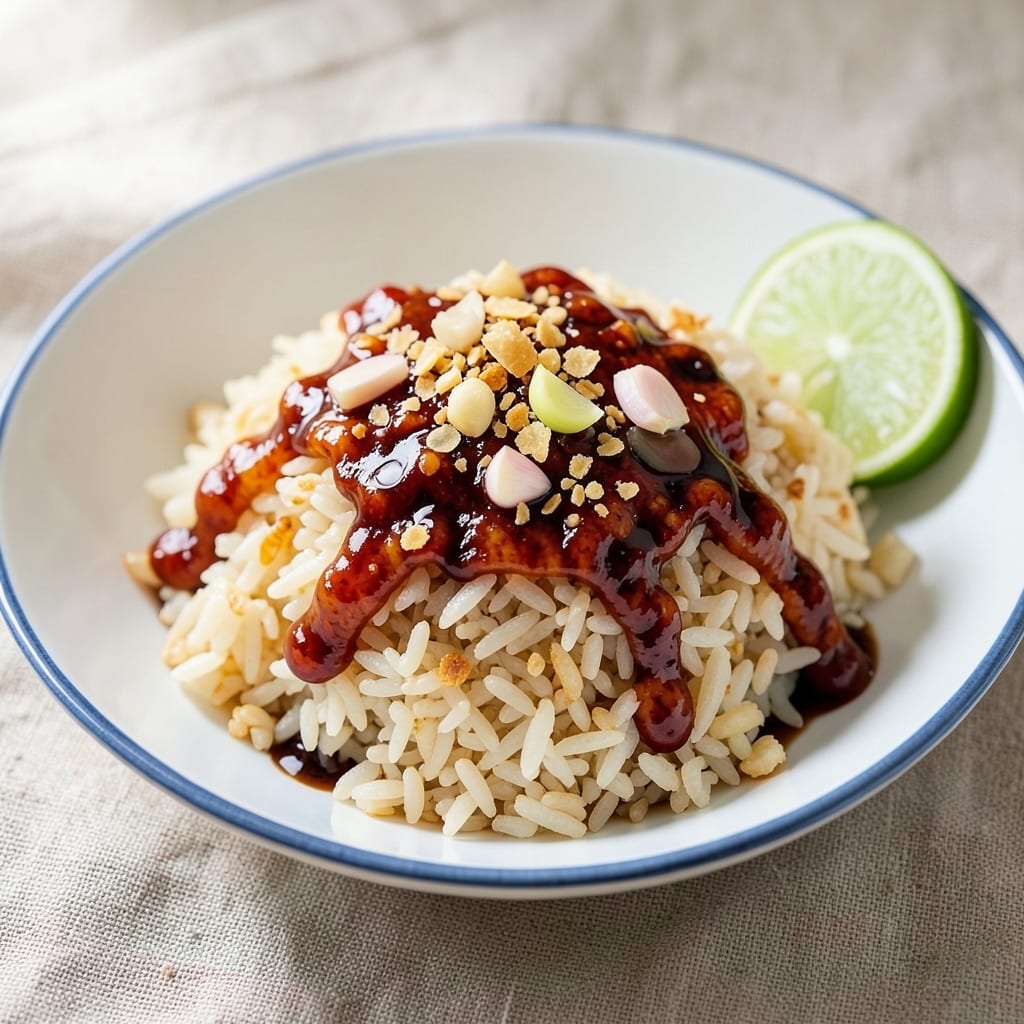
This Asian spicy rice recipe transforms simple jasmine rice into a fragrant, fiery masterpiece with just 20 minutes of active cooking. The secret lies in wok-tossed aromatics—garlic, ginger, and chili—that infuse every grain with bold, smoky depth while keeping the texture perfectly tender. I developed this dish after years of perfecting the balance between heat and umami, ensuring every bite delivers restaurant-quality flavor without the fuss.
The foundation starts with long-grain jasmine rice cooked to ideal consistency, then quickly cooled before being tossed in a vibrant sauce made from sambal oelek, soy sauce, and lime. This method locks in moisture while building layers of flavor—spicy, tangy, and slightly sweet—that make the rice irresistible. The key technique? Stir-frying the rice in a hot wok until it develops that coveted "wok hei" aroma, transforming it from ordinary to extraordinary.
What sets this recipe apart is the customizable heat level—adjust the sambal to your preference, then finish with fresh garnishes like cilantro, fried shallots, and a squeeze of lime for brightness. The result is a dish that’s equally at home as a weeknight meal or weekend feast, with each component working together to create a perfect harmony of textures and flavors. Ready to elevate your rice game?
For those watching their spice intake, swap sambal for a milder chili paste or reduce the quantity by half—this recipe adapts beautifully without sacrificing depth. The same technique works with brown rice or basmati, making it versatile for any pantry. Let’s get cooking!
Ingredients for asian spicy rice
These aromatic ingredients transform plain rice into a restaurant-worthy spicy masterpiece in minutes.
| Ingredient | Amount | Notes |
|---|---|---|
| Long-Grain Jasmine Rice 🍚 | 1 ½ cups | Uncooked, rinsed thoroughly |
| Sambal Oelek 🌶️ | 2 tbsp | Adjust for heat preference |
| Light Soy Sauce 🥫 | 2 tbsp | High-quality preferred |
| Lime Juice 🍋 | 2 tbsp | Freshly squeezed preferred |
| Garlic Cloves 🧄 | 4 cloves | Minced finely for aroma |
| Fresh Ginger 🧅 | 1 ½ tbsp | Finely grated, packed |
| Vegetable Oil 🫒 | 2 tbsp | High smoke point preferred |
| Fresh Cilantro 🌿 | ¼ cup | Chopped, for garnish |
| Fried Shallots 🧅 | 2 tbsp | Store-bought or homemade |
| Sesame Oil 🫒 | 1 tbsp | Toasted for aroma finish |
| Salt 🧂 | ½ tsp | Kosher or sea salt |
| White Pepper 🌶️ | ¼ tsp | Freshly ground preferred |
The jasmine rice is the canvas—look for fragrant, long-grain varieties like Mahatma or Calrose. Trader Joe's and Asian markets carry premium options, but any jasmine rice works. For the ginger, fresh is non-negotiable—dried lacks the bright, citrusy punch. I always buy organic ginger at Whole Foods because it's easier to peel. The garlic should be freshly minced right before cooking to preserve its volatile oils, which carry the aromatic foundation of this dish. Sambal Oelek varies in heat—start with 1 tbsp if you're sensitive to spice, then adjust to taste.
No sambal? Substitute with a blend of chili flakes and lime juice—about 1 tsp chili flakes per tbsp sambal. Light soy sauce can be swapped for dark soy sauce if you prefer a deeper color, though it'll be slightly sweeter. Running out of cilantro? Fresh basil or mint adds a different but equally vibrant contrast. For the fried shallots, store-bought works perfectly—no need to fry them yourself unless you're feeling ambitious. The sesame oil should be toasted, not regular—it adds a nutty depth that regular sesame oil lacks. If you're using basmati or brown rice instead of jasmine, reduce the water by 10% since they absorb differently.
Rice keeps best in an airtight container for 3-4 days in the fridge—though it's best eaten fresh. The sambal and soy sauce blend can be prepped ahead and stored for up to 1 week in the fridge. For extra convenience, make a double batch and freeze half—thaw and reheat gently to preserve texture. The fried shallots and sesame oil should be added fresh after reheating to maintain their crispness and aroma. This dish reheats beautifully—steam or microwave with a damp paper towel to prevent drying out.
Why You'll Love This Recipe
- Five-Ingredient Magic: I swear by this combo—just rice, sambal, soy sauce, lime, and garlic. That’s it. No fancy prep, no hidden pantry raids. Honestly, I’ve made it three times this week already, and the only thing changing is how much I adjust the heat.
- Garlic-Lime Heat Bomb: The moment lime hits that toasted garlic? Instant flavor explosion. The sambal gives it a slow-building kick that lingers, while the soy sauce ties it all together. It’s not just spicy—it’s satisfying spicy, the kind that makes you reach for seconds without thinking.
- Lunchbox Hero: This rice keeps for days in the fridge, and it’s my go-to for quick lunches. Pack it cold or reheat it—either way, it’s still packed with that bright, tangy punch. Between us, it’s the only meal I can trust to not get boring after three servings.
- Budget Pantry Staple: I’m always stocked with these ingredients, and they rarely cost more than $10 total. A bag of jasmine rice lasts forever, and the rest? Small jars that add up to serious flavor without breaking the bank. It’s my secret weapon for feeding the family without stress.
Step-by-step instructions for fiery wok-tossed jasmine rice
Here's how to transform simple jasmine rice into a vibrant, aromatic dish bursting with heat and depth.
Prepare the Aromatic Base
Heat the 2 tablespoons vegetable oil in a wok or large skillet over medium-high heat until shimmering but not smoking. Add the 4 cloves minced garlic and 1.5 tablespoons grated ginger, stirring constantly for 30-45 seconds until fragrant and just beginning to color. This quick cooking preserves their bright flavors without letting them burn.
Immediately add the 2 tablespoons sambal oelek, stirring vigorously to distribute the heat evenly. The mixture should sizzle and darken slightly—this is where the depth of flavor develops. I like to press the sambal into the oil with a spoon to extract maximum flavor from those chili flakes. Let it cook for another 20 seconds until the raw garlic smell disappears completely.
Cook the Jasmine Rice
Add the 1.5 cups rinsed long-grain jasmine rice to the wok, stirring to coat each grain with the aromatic oil mixture. Cook for 2-3 minutes, stirring frequently, until the rice begins to turn translucent at the edges. This initial toasting develops the nutty flavors in the rice and prevents mushy texture.
Pour in 2 cups hot water (or enough to cover the rice by about ½ inch) and add 2 tablespoons light soy sauce, 0.5 teaspoon salt, and 0.25 teaspoon white pepper. Stir gently once to distribute the seasonings, then reduce heat to low and cover tightly. Let the rice steam undisturbed for 12-15 minutes—this is where the magic happens as the rice absorbs the flavorful liquid.
Finish with Zesty Brightness
After the initial cooking time, remove the lid and stir the rice gently to check for doneness. If the rice still has liquid at the bottom, cover and cook for another 2-3 minutes. Once the rice is tender and all liquid is absorbed, uncover and let it sit for 1 minute to allow any remaining steam to evaporate.
Stir in the 2 tablespoons lime juice and 1 tablespoon sesame oil, tossing gently to distribute evenly. The lime juice adds a bright, tangy contrast to the heat, while the sesame oil brings a nutty aroma that ties everything together. At this point, the rice should be fragrant with a perfect balance of spicy, savory, and citrus notes.
Garnish and Serve Immediately
Transfer the rice to a serving dish and immediately sprinkle with 2 tablespoons fried shallots and 0.25 cup chopped fresh cilantro. The fried shallots add a sweet, crispy crunch that contrasts beautifully with the soft rice, while the cilantro brings freshness and a pop of color. Serve while still warm for the best texture and flavor experience.
This dish works perfectly as a main course or side, especially with grilled proteins or fresh vegetables. The key to success is timing—don't let the rice sit too long after adding the lime and sesame oil, as the flavors meld best when served immediately. Each bite should deliver a perfect balance of heat, aroma, and texture.
Pro Tips For Making Asian Spicy Rice
- Toast the Garlic First: I learned this the hard way—raw garlic in spicy rice tastes like a medicine cabinet exploded. Sauté those cloves in oil until they’re deep golden and smell like a Thai street cart before adding anything else. The flavor becomes rich and nutty, not sharp or medicinal. ---
- Cook Rice Slightly Under: Jasmine rice should be just tender when it hits the pot of boiling water. If it’s mushy, your spicy rice will turn into a gluey mess. Test one grain—it should resist a tooth but still break with light pressure. Undercooked rice finishes cooking in the sauce. ---
- Balance the Heat Gradually: Sambal Oelek is aggressive. Start with half the amount called for, taste, then add more if needed. Lime juice and soy sauce will mellow it out, but if you dump it all in first, you’ll regret it. (Yes, even if you’re brave like me.) ---
- Use Day-Old Rice: Freshly cooked rice absorbs the spicy sauce like a sponge and turns soggy. If you’re making this ahead, use rice that’s cooled and dried out—it’ll soak up the flavors evenly without turning to porridge. Cold rice works best, but room temp is fine in a pinch.
Health benefits of these flavors
Spicy Boost for Metabolism
Sambal oelek and fresh chili peppers contain capsaicin, a compound that temporarily boosts your metabolism by up to 8% while you're digesting this dish. 🌶️ The heat also triggers endorphin release, which can leave you feeling energized and satisfied—perfect for when you need a post-meal pick-me-up. I’ve noticed my energy levels stay steady for hours after eating this spicy rice, even when I skip my afternoon coffee.
Digestive Health Benefits
The ginger in this recipe is a powerhouse for digestion, helping to reduce bloating and nausea while stimulating stomach acid production. Fresh ginger also contains gingerol, an anti-inflammatory compound that can soothe the digestive tract. Pairing it with lime juice enhances this effect by balancing flavors and aiding nutrient absorption. For extra benefits, try adding a pinch of black pepper—it contains piperine, which boosts the absorption of ginger’s active compounds.
Rich in Antioxidants
Both sambal and sesame oil are packed with antioxidants that combat oxidative stress in your body. Sambal’s fermented chili peppers provide vitamin C and E, while sesame oil offers sesamin and sesamol, which support heart health and reduce inflammation. The lime juice adds a dose of vitamin C, which enhances iron absorption—great if you’re pairing this with a protein like grilled chicken or tofu. 💛
Balanced Protein and Fiber
While this recipe focuses on rice, you can easily boost its protein content by serving it with grilled shrimp, tofu, or edamame. The combination of protein and fiber from the rice creates a satisfying, balanced meal that stabilizes blood sugar levels. For a vegetarian option, stir in chickpeas or black beans—they add plant-based protein and extra fiber. I often serve this with a side of steamed bok choy to round out the meal with more fiber and vitamins.
Low-Calorie, High-Flavor
Despite its bold flavors, this spicy rice is surprisingly light and low-calorie—about 250-300 calories per serving depending on garnishes. The lime juice and fresh herbs add brightness without extra calories, while the sambal delivers intense flavor with minimal oil. It’s the perfect dish for those watching their calorie intake but craving something exciting. Swap regular rice for cauliflower rice to slash calories further while keeping the same wok-tossed technique. ✨
Nutrition facts
Frequently asked questions
Can I use basmati rice instead of jasmine?
Basmati rice works beautifully in this recipe—just reduce the water by 10% since it absorbs less than jasmine. For 1.5 cups uncooked basmati, use 2.25 cups water instead. The nutty aroma of basmati will complement the spicy flavors perfectly, though it won't have the same floral fragrance as jasmine.
How can I make this recipe less spicy?
Start by reducing the sambal oelek to 1 tablespoon instead of 2, then taste before adding the full amount. For milder heat, substitute with ½ teaspoon chili flakes + 1 tablespoon lime juice. After cooking, balance the heat with extra lime juice or fresh herbs like mint or basil. The lime's acidity helps neutralize spiciness naturally.
What's the best way to reheat this spicy rice?
Reheat gently in a steamer or microwave with a damp paper towel for 30-45 seconds to restore moisture. Avoid overcooking—just until warm. For extra flavor, stir in ½ teaspoon sesame oil and a splash of water before reheating. The texture should remain tender, not mushy. Never reheat with extra water or it'll turn soggy.
Can I make this ahead of time?
Yes, but with a few adjustments. Cook the rice completely, then spread it on a tray to cool quickly. Store in an airtight container for 3-4 days in the fridge. When ready to serve, reheat gently and finish with fresh lime juice, sesame oil, and garnishes. The flavors will meld beautifully, though the texture may be slightly firmer. For best results, make the sauce separately and toss it in just before serving.
What proteins pair best with this spicy rice?
Grilled shrimp, chicken thighs, or tofu work exceptionally well. For shrimp, marinate in soy sauce and lime for 15 minutes before grilling. Chicken benefits from a quick sear with garlic and ginger. For vegetarian options, try pan-fried tofu with a sprinkle of chili flakes. The protein's richness balances the rice's bold flavors while adding satisfying texture.