
Main Courses
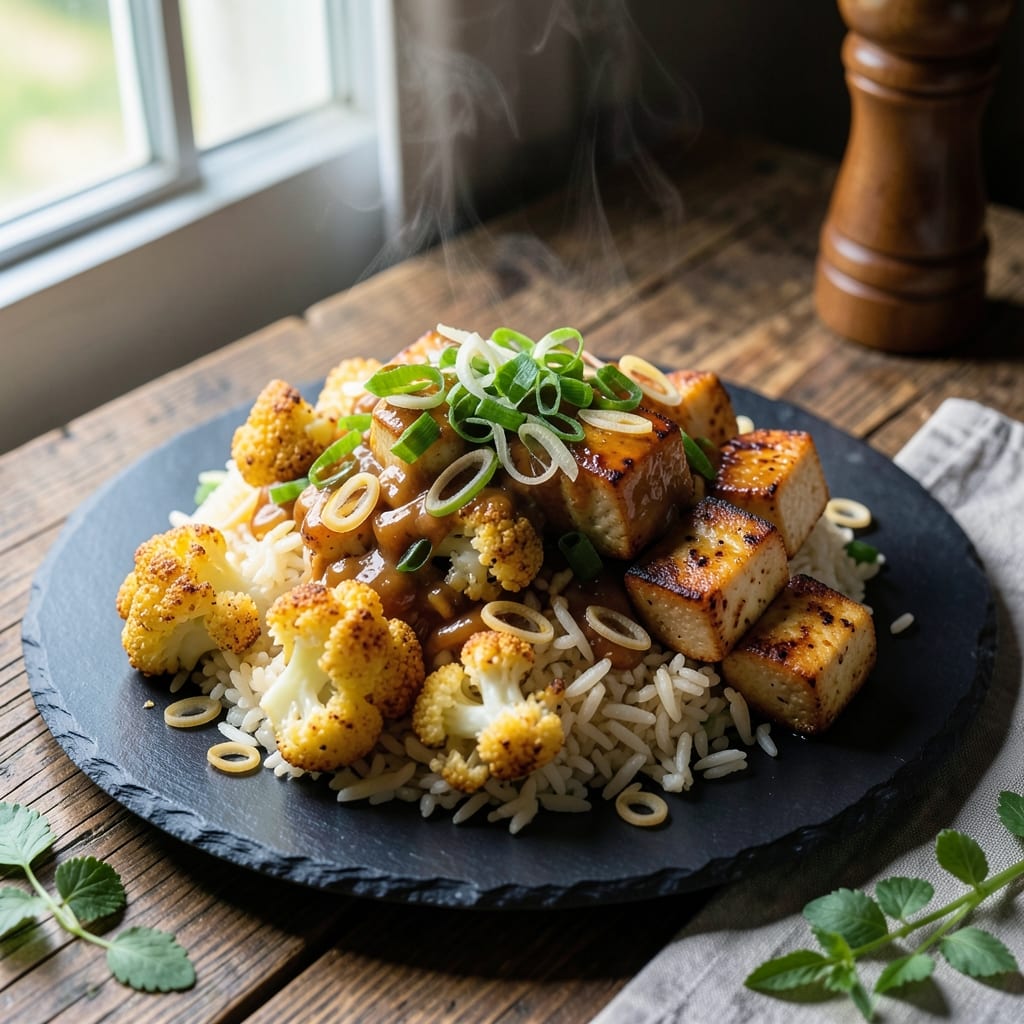
This Asian cauliflower fried rice recipe transforms humble riced cauliflower into a flavor-packed, protein-rich powerhouse that rivals traditional versions—without the carbs. The secret lies in high-heat wok tossing and a carefully balanced sauce of coconut aminos, sesame oil, and nutritional yeast for that signature umami depth. I developed this after discovering how well cauliflower absorbs stir-fry flavors while adding a satisfying texture that keeps you full longer.
The beauty of this dish is its versatility—it works as a complete vegan main with added tofu or tempeh, or as a vibrant side to complement grilled proteins. We'll start with properly riced cauliflower (no soggy bits!) and build layers of flavor through quick stir-frying, ensuring each grain stays distinct yet coated in aromatic sauce. The key technique? Cooking in batches to maintain that signature "wok hei" smokiness without overcrowding the pan.
What you'll end up with is a golden, fragrant bowl bursting with crisp-tender cauliflower, vibrant vegetables, and a sauce that balances sweet, savory, and slightly spicy notes. The nutritional yeast adds that cheesy, savory depth that makes it irresistibly satisfying, while sesame seeds and green onions provide fresh contrast. This isn't just another veggie fried rice—it's a modern Asian-inspired dish that delivers restaurant-quality flavor with a nutritional upgrade.
Perfect for meal prep, weeknight dinners, or bringing to potlucks, this recipe scales effortlessly while keeping prep simple. The 30-minute cooking time includes ricing the cauliflower and stir-frying, making it ideal for busy evenings. Whether you're vegan, gluten-sensitive, or simply looking to lighten up fried rice, this version proves you don't need rice to enjoy the classic flavors—just a little creativity with cauliflower.
Ingredients for asian cauliflower fried rice
Golden cauliflower rice meets wok-tossed umami—just these 15 ingredients transform stir-fry night.
| Ingredient | Amount | Notes |
|---|---|---|
| Fresh Cauliflower 🥬 | 1 lb | Riced using food processor |
| Extra-Firm Tofu 🍱 | 14 oz | Pressed and cubed |
| Coconut Aminos 🍶 | 3 tbsp | Soy sauce substitute |
| Sesame Oil 🫒 | 1 tbsp | Toasted for aroma |
| Nutritional Yeast 🧀 | ¼ cup | For cheesy umami flavor |
| Garlic Cloves 🧄 | 4 cloves | Minced for depth |
| Fresh Ginger 🌿 | 1 tbsp | Grated finely |
| Green Onions 🧅 | ¼ cup | Sliced thinly |
| Carrots 🥕 | 1 cup | Julienned or matchstick |
| Red Bell Pepper 🌶️ | ½ cup | Diced small |
| Sesame Seeds 🌾 | 1 tbsp | Toasted for crunch |
| Vegetable Oil 🫒 | 2 tbsp | High smoke point |
| Sriracha 🔥 | 1 tsp | Adjust to spice preference |
| Sea Salt 🧂 | 1 tsp | Diamond Crystal preferred |
| Black Pepper 🌶️ | ½ tsp | Freshly ground |
The cauliflower is your canvas here. Fresh, organic heads from Whole Foods or your local farmers market stay crunchier after ricing, but any store-bought cauliflower works if it's firm and white. Riced cauliflower loses moisture fast, so keep it in a bowl with a damp paper towel until cooking. For the tofu, Wildwood or Nasoya brands press best—wrap in a towel, place a heavy pan on top for 20 minutes. The nutritional yeast? Bragg or Bob's Red Mill are my go-tos; it's the secret weapon for that restaurant-style savory depth without dairy.
No coconut aminos? Tamari or low-sodium soy sauce works in a pinch, but you'll lose some of that sweet-savory balance. Fresh ginger and garlic are ideal, but powdered ginger at half the amount gets you close. Swap the red bell pepper for shredded cabbage or snap peas if you're short on time. The sesame oil is non-negotiable for aroma, but if you're avoiding it, avocado oil with 1/2 tsp toasted sesame seeds mimics the flavor. For extra protein, add edamame or chickpeas—just cook them separately first so they don't turn mushy.
Riced cauliflower keeps 3 days in the fridge, but it's best used fresh. Pressed tofu stays good for 5 days in its juice, while nutritional yeast lasts 6 months in a sealed container. Double the batch and freeze portions—it reheats beautifully with a splash of water to restore moisture. The sauce components (coconut aminos, sesame oil) can be pre-mixed and stored for 1 week in the fridge, making this a true meal-prep powerhouse. For leftovers, sprinkle with extra sesame seeds and green onions to keep it vibrant.
Why You'll Love This Recipe
- One-Pan Magic: I swear by this—no chopping boards, no messy bowls. Toss the riced cauliflower and cubed tofu straight into the pan, and let the sesame oil work its savory spell while you stir. Five minutes later, dinner’s ready. (Yes, even on a Tuesday night.)
- Umami Bomb: That coconut aminos and nutritional yeast combo? Chef’s kiss. The tofu soaks up all the salty-sweet depth while the cauliflower gets that perfect caramelized crunch. It’s the kind of flavor that makes you forget it’s “healthy” food.
- Leftover Lover: This keeps better than takeout. Reheat it in the microwave or pan-fry cold leftovers for crispy edges—no soggy rice here. I meal prep this all week; my kids beg for it twice.
- Budget Flex: Fresh cauliflower and tofu stretch into three meals for less than $10. Swap in frozen veggies or extra eggs if you’re feeling fancy, but honestly? The base is already a steal. My wallet thanks me every time.
Step-by-step instructions for Asian cauliflower fried rice
Here's how to create a vibrant, protein-packed fried rice that delivers authentic Asian flavors without the heaviness.
Prep and Press the Tofu
Start by pressing the 14 oz extra-firm tofu to remove excess water. I wrap it in a clean kitchen towel, place it on a plate, and set a heavy object on top for 20-30 minutes. This ensures crispy tofu cubes later. While it presses, cut the tofu into ½-inch cubes—they should be uniform for even cooking.
Real talk: Skimping on pressing time leads to soggy tofu. You'll know it's ready when the cubes hold their shape and a light squeeze releases just a few drops of liquid. Pat them dry with paper towels before proceeding—this extra step makes all the difference in texture.
Rice the Cauliflower and Sauté Aromatics
Pulse the 1 lb fresh cauliflower in a food processor until it reaches a rice-like consistency—think fine, grainy texture similar to jasmine rice. You want it to mimic rice's bite while absorbing flavors beautifully. Transfer to a bowl and set aside.
Heat 2 tablespoons vegetable oil in a wok or large skillet over medium-high heat. Add the 4 cloves minced garlic and 1 tablespoon grated fresh ginger, stirring constantly for 30 seconds until fragrant but not browned. Here's the thing—garlic burns fast, so keep the heat steady and watch closely. Add the 1 cup julienned carrots and ½ cup diced red bell pepper, cooking for 3-4 minutes until they soften slightly but still retain some crunch.
Cook the Tofu and Season the Base
Push the vegetables to one side of the wok and add the pressed tofu cubes in a single layer. Let them sear undisturbed for 2-3 minutes until golden brown on the bottom. Stir gently and cook another 2 minutes until all sides are crispy. Remove the tofu and set aside temporarily.
Pour in the 3 tablespoons coconut aminos and 1 tablespoon toasted sesame oil, scraping up any browned bits from the bottom. This creates the flavor foundation—don't skip scraping! Add ½ teaspoon black pepper and 1 teaspoon sriracha, stirring to combine. The mixture should smell rich and slightly spicy.
Combine and Finish with Nutritional Yeast
Add the riced cauliflower to the wok, breaking up any large clumps with your spatula. Stir-fry for 4-5 minutes until the cauliflower is tender and begins to absorb the flavors. Sprinkle in the ¼ cup nutritional yeast and toss vigorously for 1 minute—this adds that cheesy umami depth that makes this dish sing.
Return the tofu to the wok and toss everything together for 2 minutes until heated through. The cauliflower should be tender with just a slight bite, and the tofu should be warm throughout. Taste and adjust seasoning—you might need a splash more coconut aminos or a pinch of salt to balance flavors.
Garnish and Serve Immediately
Transfer the fried rice to serving plates and immediately sprinkle with ¼ cup sliced green onions and 1 tablespoon toasted sesame seeds. The seeds add a delightful crunch that contrasts perfectly with the tender cauliflower and crispy tofu. Serve while hot—this dish doesn't wait well, and the flavors meld best when piping hot.
Each bite should deliver a perfect balance of textures: crispy tofu, tender cauliflower, crunchy vegetables, and that satisfying umami from the nutritional yeast. Pair with a simple cucumber salad to cut through the richness, and you've got a complete, protein-packed meal that's anything but boring.
Pro Tips For Making Asian Cauliflower Fried Rice
- CUT CAULIFLOWER SMALLER THAN YOU THINK: I learned this the hard way—those big florets just sit there like stubborn potatoes while everything else cooks. Break the florets into ½-inch pieces or smaller so they crisp up alongside the tofu and absorb the coconut aminos evenly. (Yes, it takes a few extra minutes chopping, but your rice won’t taste like you forgot half the cauliflower.)
- PRESS TOFU UNTIL IT CRACKS: Extra-firm tofu is still deceptive—it’ll release water like a traitor if you don’t press it properly. Wrap it in a towel, place a heavy pan on top for 15 minutes, then slice and pat it dry. If it still feels damp, give it a quick sear in the pan before adding the cauliflower—this guarantees crispy edges instead of soggy tofu.
- STOP STIRRING BEFORE IT LOOKS DONE: I used to keep tossing the rice until it was golden, but that’s when the sesame oil burns and the nutritional yeast turns bitter. Pull it off the heat when the cauliflower is just tender and the tofu has a light crust—let the residual heat finish cooking while you toss in the coconut aminos. The rice will keep steaming in the pan.
- UPGRADE WITH A SPLASH OF RICE VINEGAR: You’ve got all the umami bases covered, but a teaspoon of rice vinegar at the end cuts through the richness and brightens the whole dish. Add it with the sesame oil right before serving—it’s the difference between "good" and "someone’s about to ask for the recipe." (And no, apple cider vinegar won’t do the same job.)
Perfect pairings for this dish
Protein Pairings
This cauliflower fried rice shines as a complete vegan main when paired with extra protein sources. I love adding crispy baked tempeh or marinated extra-firm tofu for texture contrast—just pan-fry until golden before mixing in. For a quick upgrade, toss in ½ cup shelled edamame during the final stir-fry stage; they add sweetness and pop with color. 🍱
Side Dish Harmony
A crisp, cooling side balances the richness perfectly. My go-to is a quick cucumber salad with 2 tbsp rice vinegar, 1 tsp sesame oil, and a pinch of red pepper flakes. The acidity cuts through the fried rice's umami while adding freshness. For heartier meals, serve with steamed bok choy or miso-glazed eggplant to complement the dish's Asian-inspired flavors.
Beverage Pairings
Jasmine green tea is my ideal companion—its floral notes enhance the dish's aromatic profile without overpowering. For something more substantial, try a lightly effervescent jasmine-infused iced tea (mix ½ cup jasmine tea with 2 cups cold water and 1 tbsp honey). If you prefer alcohol, a dry Riesling or sake works beautifully; the acidity in Riesling cleanses the palate between bites. 🍷
Garnish Upgrades
Elevate presentation with vibrant toppings. I love finishing with crispy fried shallots for sweet crunch or toasted coconut flakes for tropical warmth. A drizzle of chili crisp adds heat, while lime wedges let diners squeeze fresh citrus at the table. These garnishes transform a simple bowl into an Instagram-worthy dish that tastes as good as it looks.
Meal Prep Pairings
This fried rice reheats beautifully for lunches—pair it with pickled vegetables (like radishes or carrots) to add tangy contrast. For a complete meal prep kit, include steamed brown rice on the side (yes, even with cauliflower rice!) and quick-pickled red onionsglass containers to maintain freshness for up to 4 days. 💡
Occasion Adaptations
Transform this dish for special occasions with premium ingredients. Swap regular tofu for organic, non-GMO tofu and use freshly ground black pepper from Tellicherry for deeper flavor. Garnish with edible flowers or gold leaf flakes for elegant presentations. For potlucks, serve family-style in a warm cast-iron skillet with extra sesame seeds on the table for self-serving.
Nutrition facts
Frequently asked questions
Can I use pre-riced cauliflower instead of fresh?
Yes, but with a few adjustments! Pre-riced cauliflower works in a pinch, but it often has more moisture. Drain it well in a colander for 5 minutes, then pat dry with paper towels before stir-frying. You may need to cook it 1-2 minutes longer than fresh riced cauliflower since it's often slightly softer.
How do I make this recipe gluten-free?
This recipe is naturally gluten-free, but check your ingredients! Use certified gluten-free coconut aminos (like Coconut Secret) instead of regular soy sauce, and verify that your nutritional yeast and sesame oil are gluten-free. The tofu and vegetables are typically safe, but always check labels for cross-contamination warnings.
Can I make this dish without sesame oil?
Sesame oil adds incredible aroma, but you can substitute with avocado oil or light olive oil. For flavor, add ½ teaspoon toasted sesame seeds to the finished dish. The dish will still taste delicious—just slightly less aromatic. The key is maintaining medium-high heat for that signature wok-tossed texture.
Why does my cauliflower fried rice turn out mushy? Mushy texture usually happens from overcooking or too much moisture.
What's the best way to reheat leftovers?
Reheat in a skillet over medium heat with a splash of water or coconut aminos to restore moisture. Stir frequently to prevent sticking. Microwaving works too—cover with a damp paper towel and heat in 30-second intervals, stirring between each. The tofu and cauliflower may lose some crispiness, so consider toasting in a dry pan for 1-2 minutes** after reheating if you want extra crunch.