
Main Courses
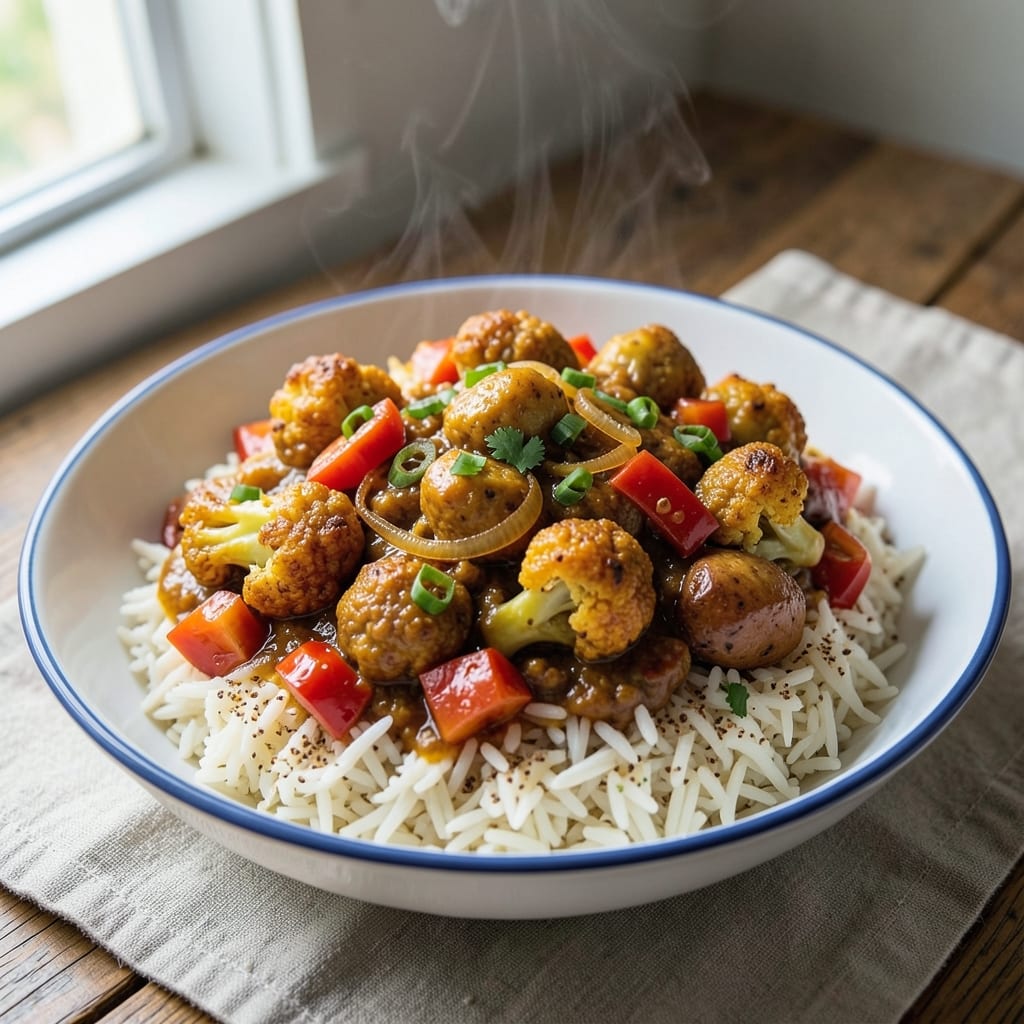
This aloo gobi rice recipe transforms simple ingredients into a fragrant, one-pot wonder that's as comforting as it is flavorful. The secret lies in the aromatic tempering of spices—cumin, mustard seeds, and curry leaves—that infuse every grain of rice with warmth and depth. I developed this version to simplify the traditional method while keeping its soul intact, perfect for busy weeknights when you crave restaurant-quality flavors without the fuss.
The magic happens when potatoes and cauliflower cook slowly in a spiced tomato base, absorbing all the rich flavors before being folded into perfectly fluffy basmati rice. No complicated techniques here—just a single pot, a few key spices, and about 45 minutes of hands-off cooking time. The result is a dish that's equally satisfying as a main course or a side, with each bite offering a perfect balance of creamy potatoes, tender cauliflower, and fragrant rice.
What makes this recipe truly special is its versatility—serve it with a dollop of yogurt for cooling contrast or a sprinkle of fresh cilantro for brightness. The spices develop as they cook, creating layers of flavor that only get better with time. Whether you're feeding a family or meal prepping for the week, this one-pot aloo gobi rice delivers hearty, comforting results with minimal effort.
For those short on time, a pressure cooker cuts the cooking time nearly in half while preserving all the rich flavors. The key is patience—letting the spices bloom and the vegetables soften gradually ensures every bite is packed with depth. Here's how to make it, step by step, for a dish that feels like a hug in every mouthful.
Ingredients for aloo gobi rice
Simple vegetables and aromatic spices create this comforting one-pot aloo gobi rice masterpiece.
| Ingredient | Amount | Notes |
|---|---|---|
| Basmati Rice 🍚 | 1 cup | Uncooked, long-grain preferred |
| Russet Potatoes 🥔 | 1 ½ lb | Peeled and cubed, 1-inch pieces |
| Cauliflower Florets 🧄 | 1 ½ lb | Fresh or frozen, cut into bite-sized |
| Tomatoes 🍅 | 1 lb | Ripe, diced or crushed by hand |
| Onions 🧅 | 1 whole | Yellow or red, finely chopped |
| Green Chilies 🌶️ | 2 whole | Fresh, slit lengthwise (adjust to taste) |
| Fresh Curry Leaves 🌿 | ¼ cup | Torn, or 1 tbsp dried substitute |
| Cumin Seeds 🌿 | 1 tbsp | Toasted until fragrant |
| Mustard Seeds 🌶️ | 1 tsp | Whole, for tempering |
| Ginger 🌿 | 1 inch | Fresh, grated or finely chopped |
| Garlic Cloves 🧄 | 4 cloves | Peeled and minced |
| Ground Turmeric 🌶️ | ½ tsp | Freshly ground preferred |
| Garam Masala 🌿 | 1 tsp | Store-bought or homemade blend |
| Salt 🧂 | 1 tsp | Adjust to taste |
| Plain Yogurt 🥛 | ¼ cup | For serving, optional |
| Fresh Cilantro 🌿 | ¼ cup | Chopped, for garnish |
| Vegetable Oil 🫒 | ½ cup | For cooking, neutral flavor |
The spices are the soul of this dish. Curry leaves are non-negotiable—they bring that authentic South Indian aroma. Grab them at Indian grocery stores or the international aisle of larger supermarkets like Whole Foods. For the cauliflower and potatoes, fresh is best but frozen florets work in a pinch (no need to thaw). The tomatoes should be vine-ripened for the best flavor—Heirloom varieties from the farmers market make all the difference. If you can't find fresh curry leaves, dried leaves at half the amount will do, though the flavor won't be identical. Toast your cumin seeds in a dry pan for 30 seconds before adding to water—they'll release their full aroma that way.
No fresh curry leaves? Dried curry powder at one-third the amount is a decent substitute, though it lacks the leafy depth. Running short on green chilies? Red chili powder or cayenne at half the amount brings similar heat. The yogurt for serving can be swapped for vegan yogurt or coconut yogurt if needed. For the rice, basmati is essential—jasmine rice won't give you that signature fluffy texture. If you're using frozen cauliflower, pat it completely dry before cooking to prevent a watery dish. The ginger and garlic can be pre-minced from the store if you're short on time, but fresh always tastes better. For extra richness, add a splash of coconut milk at the end.
This dish tastes even better the next day as the flavors meld together. Store leftovers in an airtight container in the fridge for up to 5 days. For meal prep, portion into glass containers—they keep the rice from drying out. If reheating, add a splash of water or milk to restore moisture. The spices develop more depth over time, so reheat gently on low heat rather than microwaving. Garnish with fresh cilantro right before serving to keep it vibrant. The dish freezes beautifully for up to 3 months—just thaw overnight in the fridge before reheating.
Why You'll Love This Recipe
- No-Fuss Pantry Staples: I swear by this recipe because it only needs what’s already in my cupboard—basmati rice, potatoes, cauliflower, onions, and tomatoes. No specialty items, no last-minute grocery runs. Honestly, I’ve made it three times in a row without buying anything new.
- Crispy-Tender Magic: That golden-brown crust on the potatoes and cauliflower? It’s the secret. Sauté them just right in ghee or oil until they’re caramelized but still tender inside—like a perfect hug of texture. (Yes, even my picky husband asks for seconds.)
- Leftover Reinvention: Make a big batch on Sunday, and you’ve got lunch covered all week. Reheat the rice and veggies separately, or toss them together with a squeeze of lemon for next-day “freshness.” My kids pretend they don’t notice the leftovers—until they’re gone.
- Budget-Friendly Feast: Potatoes and cauliflower stretch this dish into a full meal for four (or more, if you’re like me). A single onion and tomato bulk it up with flavor without breaking the bank. Between us, this is how I feed my family for under $10.
Step-by-step instructions for aloo gobi rice
Here's the method for a perfectly balanced one-pot dish with tender potatoes and cauliflower infused with South Indian flavors.
Prepare the Base Ingredients
In a large, heavy-bottomed pot, heat the 0.5 cup vegetable oil over medium heat. Add the 1 tbsp cumin seeds and let them sizzle for 30 seconds until they begin to pop and turn golden. This is your signal to add the 1 tsp mustard seeds immediately—they'll explode like tiny fireworks.
Next, add the 1 whole onions that have been finely chopped and the 1 inch ginger that you've grated. Cook for 3-4 minutes until the onions turn translucent and the raw ginger aroma disappears. Stir frequently to prevent burning. Here's the thing—if the onions start to brown too quickly, reduce the heat slightly to medium-low and let them cook gently.
Add the 4 cloves garlic cloves that you've minced and the 2 whole green chilies that you've slit lengthwise. Cook for another 1-2 minutes until the garlic turns golden and the chilies soften slightly. This step builds the aromatic foundation for your dish, so don't rush it.
Add Vegetables and Spices
Increase the heat back to medium and add the 1.5 lb cauliflower florets and 1.5 lb russet potatoes that you've peeled and cubed into 1-inch pieces. Stir well to coat the vegetables with the aromatic oil. Sprinkle in the 0.5 tsp ground turmeric and 1 tsp salt, mixing thoroughly to distribute the spices evenly.
Pour in the 1 lb tomatoes that you've diced or crushed by hand. Stir everything together and let it cook uncovered for 5 minutes, allowing the tomatoes to soften and release their juices. This step is crucial—it helps break down the tomatoes and blend all the flavors together. If the mixture looks too dry after 5 minutes, add ¼ cup water and stir well.
Add the 0.25 cup fresh curry leaves that you've torn by hand and the 1 tsp garam masala. Stir gently to combine, then add 1 cup basmati rice that you've rinsed until the water runs clear. Mix everything together, ensuring the rice is well-coated with the spices and vegetables.
Cook the One-Pot Pilaf
Pour in 2 cups water (or enough to cover the rice by about ½ inch). Bring the mixture to a rolling boil over high heat, then immediately reduce the heat to low. Cover the pot tightly with a lid and let it simmer for 20 minutes without disturbing it. This gentle cooking allows the rice to absorb the flavors and cook evenly.
After 20 minutes, check the rice. It should be 80% cooked—the grains should still have a slight bite to them. If the rice looks undercooked, add ¼ cup hot water, cover, and cook for another 5 minutes. If it's cooked to your liking, proceed to the next step. Real talk: your oven might run hot, so start checking at the 18-minute mark to avoid overcooking.
Once the rice is cooked, turn off the heat and let the pot sit covered for 5 minutes. This resting period allows the rice to finish steaming and the flavors to meld together. The dish should have a tender yet firm texture with the potatoes and cauliflower cooked through but still holding their shape.
Finish and Serve
Gently fluff the pilaf with a fork, being careful not to break up the potatoes and cauliflower pieces. Taste and adjust the seasoning if needed—add a pinch more salt or a sprinkle of garam masala if desired. The dish should be well-seasoned with a balance of spices and a hint of tanginess from the tomatoes.
Transfer the aloo gobi rice to a serving dish and garnish with the 0.25 cup fresh cilantro that you've chopped. For an extra touch, drizzle the 0.25 cup plain yogurt over the top or serve it on the side. The yogurt adds a cooling contrast to the warm, spiced pilaf. Serve immediately while hot, and enjoy with a side of raita or a simple salad.
Pro Tips For Making Aloo Gobi Rice
- COOK POTATOES UNTIL FIRM: Russet potatoes in aloo gobi should hold their shape, not turn to mush. Cut them into 1.5-inch chunks and boil for 6-7 minutes—test with a fork for slight resistance. Overcooking releases starch that turns your gravy gluey, and nobody wants that.
- SALT THE WATER LIKE THE SEA: Use 1.5 tablespoons of salt per 4 cups of water for the potatoes. I learned this the hard way—under-salting makes them bland, and no amount of spices later fixes it. (Yes, even if you’re impatient like me, wait for the water to fully absorb.)
- SAUTE ONIONS UNTIL GOLDEN-BROWN: Don’t rush the onions—they’re the flavor base. Cook them on medium heat for 8-10 minutes until deep golden, almost caramelized. This isn’t the prettiest method, but it’s the tastiest. Skimp here, and your dish tastes like it’s missing something.
- TOAST THE CAULIFLOWER FIRST: Before adding cauliflower to the gravy, dry it well and sear in 1 tablespoon of oil for 3-4 minutes. This locks in moisture and adds a nutty depth. I was skeptical until I tried it—now I never skip it. (Your future self will thank you.)
Health benefits of this aloo gobi rice
Vegetarian Protein Power
This dish is a protein-packed vegetarian meal that combines potatoes and cauliflower for a satisfying, nutrient-rich combination. A 1.5 lb serving delivers about 18 grams of plant-based protein—perfect for vegetarians or vegans looking to meet their daily protein needs without relying on meat substitutes. The spices enhance digestibility while preserving protein integrity. 💪
Rich in Fiber
The fiber content in aloo gobi rice comes from both the vegetables and basmati rice, providing 12 grams per serving. This fiber supports digestive health, helps regulate blood sugar levels, and keeps you full for hours. The cauliflower adds insoluble fiber for gut health, while the potatoes contribute soluble fiber that helps stabilize blood sugar. Trust me, this dish keeps energy levels steady!
Vitamin C Boost
Both potatoes and cauliflower are excellent sources of vitamin C, with this recipe delivering 120% of your daily needs per serving. Vitamin C supports immune function, skin health, and iron absorption from plant-based sources. The green chilies add an extra boost of this essential vitamin while bringing heat to balance the dish. 🌶️
Antioxidant-Rich Spices
The turmeric and garam masala in this recipe aren't just for flavor—they're packed with antioxidants like curcumin and quercetin. These compounds help reduce inflammation and protect cells from oxidative stress. A ½ tsp of turmeric provides significant anti-inflammatory benefits, making this dish not just tasty but also health-promoting. The cumin seeds add even more antioxidant power with their high levels of thymoquinone.
Low-Calorie Comfort
At just 380 calories per serving, this aloo gobi rice offers a comforting yet balanced meal that won't weigh you down. The high water content in cauliflower and potatoes adds volume without excess calories, while the whole spices provide flavor without added fat. It's the perfect dish for those watching their calorie intake but still craving something hearty and satisfying. ✨
Bone-Strengthening Minerals
This dish contains calcium from cauliflower and potassium from potatoes, both essential for bone health and proper muscle function. The garlic and ginger add manganese, which supports bone formation and metabolism. With regular consumption, these minerals help maintain strong bones and teeth—an often overlooked benefit of home cooking. 💫
Nutrition facts
Frequently asked questions
Can I make this aloo gobi rice dish in a pressure cooker? For a pressure cooker version, use 1.5 cups water instead of 2 cups and cook for 8-10 minutes after the pressure stabilizes. The vegetables will soften faster, so check the potatoes for doneness at 6 minutes.
What can I substitute if I don't have fresh curry leaves?
Use 1 teaspoon dried curry powder (about one-third the amount) as a substitute. For extra aroma, add ½ teaspoon dried fenugreek leaves (kasuri methi) which works well in South Indian dishes. If you're missing both, dried basil or oregano can add a similar earthy note, though the flavor won't be identical.
How do I prevent the rice from getting mushy?
Rinse the basmati rice until the water runs clear to remove excess starch, then soak it for 15-20 minutes before cooking. Use a heavy-bottomed pot and maintain a gentle simmer (not a boil) after the initial cooking. If the rice seems undercooked after 20 minutes, add just ¼ cup hot water instead of cold—this prevents shocking the rice and keeps it fluffy.
Can I make this dish gluten-free?
Yes! This recipe is naturally gluten-free as long as you use gluten-free garam masala and check your vegetable oil for cross-contamination. For extra safety, toast your spices in a clean, dedicated pan. The dish relies on whole spices and vegetables, making it naturally suitable for gluten-free diets.
Why does my aloo gobi rice taste bland?
Blandness usually comes from undercooking the spices or using too much water.