
Salads
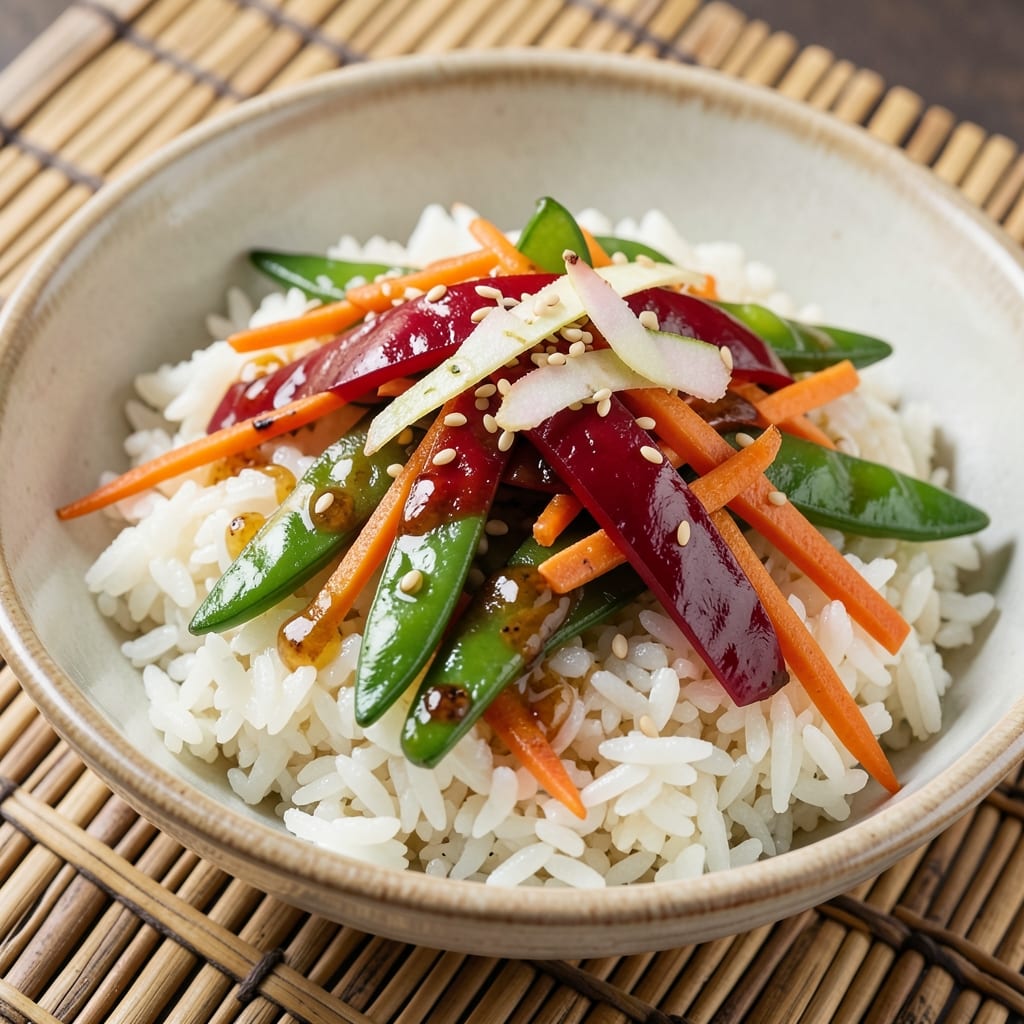
This Asian rice and vegetables recipe transforms simple ingredients into a fragrant, wok-tossed dish with crispy edges and vibrant flavors. The secret lies in high-heat stir-frying, where rice and vegetables cook together, absorbing aromatic spices and developing a satisfying texture. I developed this recipe after years of experimenting with Asian home cooking techniques, and it never fails to impress—whether served as a main dish or alongside grilled proteins.
The beauty of this method is its versatility. You can use jasmine rice for its delicate fragrance or short-grain rice for a stickier texture, both of which work beautifully when stir-fried. Vegetables like bell peppers, snap peas, and carrots add crunchy contrast, while soy sauce, garlic, and ginger bring depth. The key is keeping the heat high and the wok moving, ensuring everything cooks quickly and evenly.
What makes this dish special is how the rice and vegetables meld together—fragrant, slightly charred edges give way to tender, flavorful centers. The aroma alone will have everyone at the table anticipating the first bite. This recipe is perfect for weeknight dinners, meal prep, or even a light lunch with extra protein. It’s simple enough for beginners but refined enough to impress guests.
The best part? It’s a one-pan wonder that minimizes cleanup while delivering restaurant-quality results. Leftovers reheat beautifully, making it ideal for busy schedules. Let’s get cooking—this dish is about to become a staple in your rotation.
Ingredients for asian rice and vegetables
Jasmine rice and vibrant vegetables transform into a fragrant wok-tossed dish with crispy edges and balanced flavors.
| Ingredient | Amount | Notes |
|---|---|---|
| Jasmine Rice 🍚 | 1 ½ cups | Uncooked, long-grain preferred |
| Red Bell Peppers 🍅 | 1 whole | Cut into thin strips |
| Snap Peas 🌱 | 1 cup | Trimmed, fresh or frozen |
| Carrots 🥕 | 2 medium | Julienned into matchsticks |
| Garlic Cloves 🧄 | 4 cloves | Minced for aromatic base |
| Fresh Ginger 🌿 | 1 tbsp | Finely grated, peel removed |
| Low-Sodium Soy Sauce 🥢 | ½ cup | For umami depth |
| Sesame Oil 🫒 | 1 tbsp | Toasted for nutty aroma |
| Vegetable Oil 🫒 | 2 tbsp | High smoke point preferred |
| Green Onions 🧅 | 4 whole | Sliced, white and green parts |
| Sesame Seeds 🌰 | 1 tbsp | Toasted for garnish |
| Salt 🧂 | 1 tsp | Diamond Crystal preferred |
| Black Pepper 🌶️ | ½ tsp | Freshly ground preferred |
| Honey 🍯 | 1 tbsp | For balancing flavors |
The jasmine rice is the foundation here—Daybreak brand from Asian markets delivers the most consistent texture, but any long-grain jasmine works. For the vegetables, freshness matters most: bell peppers should be firm with vibrant skin, snap peas crisp with no soft spots, and carrots should snap when bent. I always shop the produce section last to keep them fresh longest. The garlic and ginger? Freshly grated or minced makes all the difference—pre-minced jars lack the aromatic punch. If you're using frozen snap peas, no need to thaw—they'll release moisture during cooking, adding natural sweetness to the dish.
No jasmine rice? Short-grain white rice works equally well for a stickier texture, though it may require slightly more water. Substituting bell peppers? Zucchini or broccoli florets hold up beautifully to stir-frying, though they'll cook faster. Short on snap peas? Green beans or sugar snap peas are direct swaps. The soy sauce can be regular or low-sodium—just adjust the salt accordingly. For an extra layer of depth, a splash of mirin or rice vinegar brightens the dish without overpowering. And if you're avoiding honey, maple syrup at half the amount works in a pinch, though the flavor profile shifts slightly.
Rice and fresh vegetables should be prepped simultaneously to prevent wilting. The stir-fry reheats beautifully—30 seconds in the microwave restores crispness, though texture is best when freshly cooked. Store leftovers in an airtight container for up to 3 days, though I recommend freezing portions for longer storage—up to 3 months. For meal prep, divide into single-serving containers to maintain crisp edges when reheated. The sesame seeds and green onions can be added fresh after reheating for maximum aroma impact.
Why You'll Love This Recipe
- Here’s what sold me: that first bite of perfectly fragrant garlic cloves mellowing into a deep, toasty aroma while the bell peppers turn tender-crisp. The carrots add just enough earthiness to balance the snap peas’ bright crunch. Honestly, it’s the kind of flavor that makes me pause mid-bite.
- I’ll be real: this recipe costs me less than takeout but tastes like a restaurant dish. Jasmine rice is cheap, carrots and bell peppers last forever, and garlic cloves stretch flavors without breaking the bank. Plus, leftovers taste just as good the next day—no sad, dried-out rice here.
Step-by-step instructions for wok-tossed fragrant rice and vegetables
Master this technique for restaurant-quality texture—crispy edges, tender vegetables, and perfectly fluffy rice.
Prepare the Vegetable Base
Heat a wok or large skillet over high heat until smoking, then add the 2 tablespoons vegetable oil. Once shimmering, add the 2 medium carrots (julienned) and 1 whole red bell pepper (strips). Stir-fry for 3-4 minutes until the carrots soften slightly but retain their bright color. The high heat prevents them from turning mushy.
Add the 4 cloves minced garlic and 1 tablespoon finely grated ginger, cooking for 30 seconds until fragrant—this releases their essential oils. Immediately add the 1 cup snap peas and toss for 1-2 minutes until just tender-crisp. The vegetables should still offer slight resistance when bitten, not be fully softened. Remove from heat and set aside in a bowl.
Cook the Jasmine Rice Separately
Rinse the 1.5 cups jasmine rice under cold water until the water runs clear, then drain well. In a separate pot, combine the rice with 2 cups water (or follow package instructions) and bring to a boil over medium-high heat. Once boiling, reduce heat to low, cover tightly, and simmer for 15 minutes without lifting the lid. This steaming method ensures each grain remains separate and fluffy.
After 15 minutes, turn off the heat and let the rice sit covered for 10 minutes. Fluff gently with a fork to separate the grains—this prevents clumping. The rice should be tender but still slightly firm to the bite, with no liquid remaining in the pot. Keep warm while you prepare the sauce.
Create the Savory Glaze
Return the wok to medium-high heat and add the 1 tablespoon sesame oil. Pour in the ½ cup low-sodium soy sauce and 1 tablespoon honey, stirring constantly for 1-2 minutes until the mixture reduces slightly and coats the back of a spoon. This creates a glossy, balanced sauce that won't overpower the vegetables.
Remove from heat and stir in the 1 teaspoon salt and ½ teaspoon black pepper. The sauce should now have a deep umami richness with a subtle sweetness from the honey. Taste and adjust seasoning—if needed, add a splash more soy sauce for saltiness or honey for sweetness, but aim for harmony rather than dominance.
Combine and Finish with Crunch
Add the cooked vegetables back to the wok and toss with the sauce, coating evenly for 1 minute. Transfer the vegetable mixture to a large serving platter, then spread the 1.5 cups cooked jasmine rice evenly over the top. The rice should absorb the sauce's aromatics as it sits.
Drizzle the remaining sauce over the rice, then sprinkle with 1 tablespoon toasted sesame seeds and 4 sliced green onions (white and green parts). Serve immediately while the vegetables retain their vibrant colors and the rice stays fluffy. The contrast of crispy edges on the vegetables against the tender rice creates the perfect texture balance.
Pro Tips For Making Asian Rice And Vegetables
- STIR-FRY VEGETABLES FAST: Cut snap peas in half lengthwise and slice carrots into thin half-moons before cooking—smaller pieces cook faster and stay crisp. I used to overcrowd the pan, which steamed the veggies into mush, so work in batches if needed.
- SALT THE RICE WATER: Add a pinch of salt (about ½ teaspoon) to the jasmine rice while rinsing—it keeps the grains fluffy and prevents blandness. I learned this the hard way after making rice that tasted like nothing.
- DON’T OVERCOOK THE GARLIC: Smash 2-3 garlic cloves with the flat of your knife instead of mincing—it burns less and adds flavor without bitterness. Over-mashing turns it into a paste that sticks to the pan like glue.
- USE LESS OIL, MORE HEAT: Sauté veggies in 1 tablespoon oil over high heat until they blister slightly—this caramelizes the bell peppers and adds depth. Low heat = soggy vegetables, and nobody wants that.
Health benefits of this asian rice and vegetables
Whole Grain Power
Jasmine rice is a complex carbohydrate that provides sustained energy thanks to its low glycemic index compared to white rice. The 1.5 cups uncooked in this recipe delivers about 150 calories per serving with 30g carbohydrates, including 3g fiber—more than white rice. This fiber content helps regulate blood sugar levels and keeps you full longer, making it ideal for balanced meals. 💪
Vitamin-Rich Vegetables
The colorful veggies in this dish pack a nutritional punch. Red bell peppers provide vitamin C (150% daily value per serving) to boost immunity, while carrots contribute beta-carotene (vitamin A precursor) for eye health. Snap peas add vitamin K for bone strength and folate for cell repair. Together, they create a vibrant nutrient profile without heavy processing. 🌱
Antioxidant Boost
Sesame seeds and sesame oil in this recipe are rich in sesamin and sesamol, powerful antioxidants that reduce inflammation and support heart health. The 1 tablespoon toasted sesame seeds garnish provides magnesium (10% daily value) for muscle function and stress reduction. Even the ginger adds gingerol, a compound shown to aid digestion and reduce nausea. 💛
Protein and Umami Balance
While this dish isn't a protein powerhouse, the soy sauce (½ cup) contributes plant-based protein (about 5g per serving) along with glutamates that enhance umami flavor without heavy calories. For a protein boost, serve with grilled chicken, tofu, or shrimp—all pair beautifully with the dish's savory-sweet profile. The combination creates a satisfying, balanced meal. ✨
Low-Calorie, High-Flavor
This recipe delivers 350-400 calories per serving while being packed with flavor, making it perfect for weight-conscious eaters. The vegetable oil (2 tbsp) provides healthy fats for absorption of fat-soluble vitamins, while the honey (1 tbsp) adds natural sweetness without refined sugar. The high-heat stir-fry method preserves nutrients that might be lost in boiling or steaming. 🔥
Digestive Benefits
The fiber from both rice and vegetables promotes healthy digestion, while ginger aids in reducing bloating. The garlic (4 cloves) contains allicin, a compound that supports gut health and may help lower cholesterol. Even the green onions add prebiotic fiber to nourish beneficial gut bacteria. This dish quietly supports your digestive system while tasting incredible. 🌿
Nutrition facts
Frequently asked questions
Can I use brown rice instead of jasmine rice in this recipe?
Yes, but with adjustments! Brown rice needs 20-25 minutes of cooking time and 2.5 cups water (vs. 2 cups for jasmine). For best results, start it in a rice cooker or pot while you prep the vegetables, then stir-fry it separately after cooking. The texture will be nuttier and heartier, but slightly chewier than jasmine.
How do I keep the vegetables crisp-tender instead of mushy?
High heat is key! Use a wok or skillet over high heat until smoking, and cut vegetables into even-sized pieces so they cook uniformly. Stir-fry for no more than 3-4 minutes total—remove them when still slightly firm. Overcrowding lowers heat, so cook in batches if needed. A splash of cornstarch slurry (1 tsp cornstarch + 2 tbsp water) tossed with veggies before cooking adds extra crunch.
Can I make this dish ahead of time?
Yes, but with a twist! Cook the rice and vegetables separately, then refrigerate in airtight containers for up to 3 days. Reheat the vegetables in a skillet with 1 tsp sesame oil over medium-high heat for 2-3 minutes, then mix with the rice. For extra crispness, add fresh green onions and sesame seeds after reheating. The flavors meld beautifully overnight, making it perfect for meal prep.
What's the best way to add protein to this dish?
Grilled or pan-seared chicken breast, shrimp, or firm tofu work perfectly! For chicken, marinate ½ lb in 1 tbsp soy sauce + 1 tsp honey for 15 minutes before cooking. Shrimp should be sautéed for 1-2 minutes per side until pink. Tofu? Press and pan-fry until golden. Add protein after the vegetables but before combining with rice to avoid overcooking.
Why does my stir-fry turn out bland?
Three common culprits: low heat, insufficient seasoning, or overcooking. Always use high heat to develop wok hei (smoky flavor). Taste as you go—add extra soy sauce (start with ½ cup + 1 tbsp), a pinch of white pepper, or a dash of fish sauce (½ tsp) for depth. Fresh ginger and garlic are non-negotiable for aroma. If using pre-minced garlic, toast it in the wok for 30 seconds first to intensify flavor.