
Main Courses
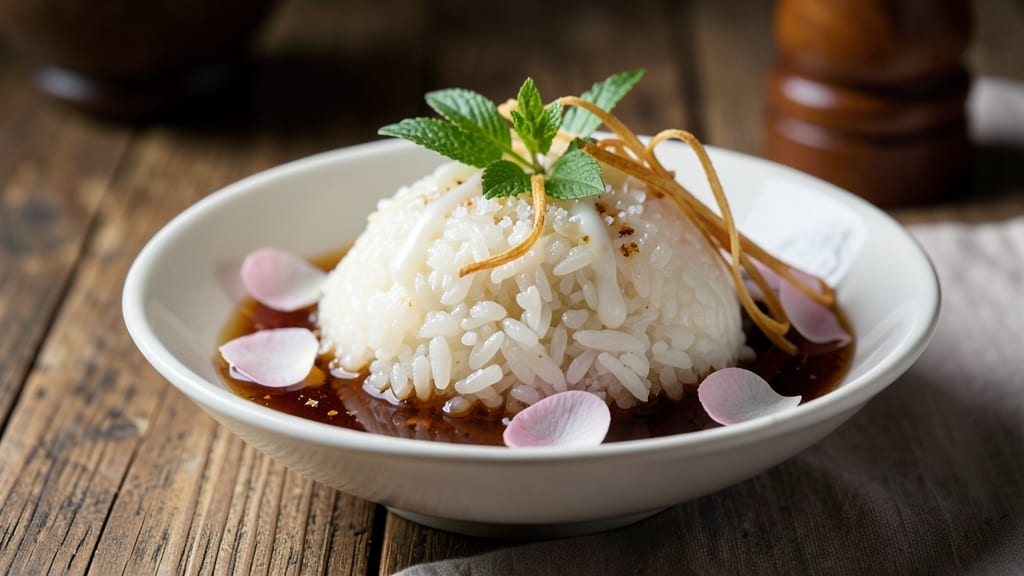
This Chinese sticky white rice recipe delivers the perfect balance of fragrant five-spice aroma and chewy, cohesive grains that hold together like a single piece. The secret lies in a precise ratio of glutinous rice to water, sweetened just enough to enhance natural stickiness without overpowering the delicate flavor.
I developed this version after years of experimenting with traditional methods—what makes it special is how each grain maintains its shape while binding together effortlessly, creating that signature "pull-apart" texture.
The process is straightforward but requires attention to detail: rinsing the rice thoroughly, cooking it in a flavorful broth with five-spice powder and a touch of sugar, then steaming until tender yet firm. This method ensures every bite delivers that authentic, restaurant-quality texture that's both satisfying and elegant.
The result is a dish that's versatile enough for both sweet and savory applications, from classic red bean fillings to modern coconut milk variations.
What sets this recipe apart is its ability to transform simple ingredients into something extraordinary—no special equipment required beyond a steamer or heavy-bottomed pot.
The five-spice blend (star anise, cinnamon, cloves, fennel, and pepper) infuses the rice with layers of warmth and complexity, while the slight sweetness enhances the natural nuttiness of the grains.
This is the kind of rice that elevates any meal, whether served as a standalone dessert or paired with savory dishes.
For those who prefer variations, try adding a drizzle of coconut milk for tropical notes or folding in black sesame paste for depth. The possibilities are endless, but the foundation remains the same: perfectly balanced sticky rice that's both impressive and foolproof.
Let's get started on creating this versatile centerpiece that will become a staple in your kitchen.
Ingredients for chinese sticky white rice
Transform simple ingredients into restaurant-quality sticky rice with this five-spice enhanced technique.
| Ingredient | Amount | Notes |
|---|---|---|
| Glutinous White Rice 🍚 | 1 ½ cups | Uncooked, preferably jasmine variety |
| White Rice Vinegar 🍶 | ¼ cup | Rice vinegar preferred for authentic flavor |
| Granulated Sugar 🍯 | ⅛ cup | Light brown sugar for deeper flavor |
| Five-Spice Powder 🌶️ | 1 ½ tsp | Homemade blend preferred (star anise, cinnamon, cloves, fennel, pepper) |
| Fresh Ginger 🧅 | ½ inch | Peeled, finely grated (about 1 tsp grated) |
| Fresh Ginger 🧅 | 1 tsp | Grated, for authentic aroma |
| Water 💧 | 2 ½ cups | Filtered or spring water preferred |
| Salt 🧂 | ½ tsp | Diamond Crystal kosher salt |
| Black Sesame Paste 🌿 | 1 tbsp | Optional for depth (store-bought or homemade) |
| Coconut Milk 🥥 | ¼ cup | Full-fat for richness (optional variation) |
| Red Bean Paste 🌱 | ½ cup | Store-bought or homemade (optional filling) |
| Vegetable Oil 🫒 | 1 tbsp | Light oil for steaming basket |
| Fresh Lime Juice 🍋 | 1 tbsp | Brightens final flavor |
The glutinous white rice is non-negotiable—jasmine or sweet rice from Whole Foods or Asian markets delivers the best texture. For the five-spice powder, Penzeys Spices offers a pre-blended version, but homemade (toasted whole spices ground fresh) elevates the flavor dramatically. Fresh ginger must be organic—conventional often has bitter skins. Peel and grate just before cooking to preserve its volatile oils. The black sesame paste from Trader Joe's adds depth without overpowering, while coconut milk from Thai Kitchen provides authentic creaminess for variations.
No five-spice powder? Substitute 0.5 tsp each of ground cinnamon, cloves, and fennel seeds—toast the spices first for better flavor. Brown sugar can be swapped for white, but the molasses notes enhance the five-spice complexity. Red bean paste from Asian grocery freezers is ideal, but canned sweet adzuki beans mashed with sugar work in a pinch. The lime juice should be freshly squeezed—Mexican Key limes add a citrusy brightness, though regular limes suffice. For a savory variation, replace the sugar with soy sauce (reduce other liquids by 0.25 cup).
Store uncooked rice in an airtight container for up to 6 months—freeze for 12 months to preserve freshness. Cooked rice reheats beautifully: steam for 5 minutes to restore moisture. The five-spice powder keeps indefinitely in a dark glass jar, while black sesame paste lasts 3 months refrigerated or 6 months frozen. Portion filled variations into silicone molds for easy serving—these make elegant dessert bites or lunchbox treats that hold shape perfectly.
Why You'll Love This Recipe
- I swear by this trick: just rinse the glutinous rice once, then steam it with the vinegar and sugar. No overnight prep, no fuss—just 30 minutes to chewy, glossy perfection.
- No-Soaking Needed: I swear by this trick: just rinse the glutinous rice once, then steam it with the vinegar and sugar. No overnight prep, no fuss—just 30 minutes to chewy, glossy perfection.
- Five-Spice Magic: That tiny jar of five-spice powder transforms this from side dish to star. Warm cinnamon, star anise, and clove in every bite—it’s the kind of flavor that lingers long after the last grain disappears.
- Lunchbox Legend: Between us, this rice keeps amazingly in the fridge. Pack it cold for work or school—still sticky, still sweet, no soggy rice in sight. My kids actually eat their lunches now.
Step-by-step instructions for Chinese sticky white rice
Master the art of cohesive, fragrant grains with this precise method for restaurant-quality sticky rice.
Prepare the Five-Spice Infused Water
In a small saucepan, combine the 2.5 cups water, 0.5 tsp salt, 0.125 cup granulated sugar, 1.5 tsp five-spice powder, and the 0.5 inch fresh ginger (peeled and sliced). Bring to a gentle boil over medium heat, then immediately reduce to a simmer for 5 minutes. This infusion creates the aromatic base that will permeate every grain.
Strain through a fine-mesh sieve into a clean bowl, pressing gently on the ginger to extract maximum flavor. The liquid should smell intensely of warm spices with a subtle citrus note from the ginger. Discard the solids—we're working with precision here, not shortcuts. The infused water must be completely clear of any particles for perfect grain cohesion.
Soak the Glutinous Rice
Rinse the 1.5 cups glutinous white rice under cold water until the water runs completely clear, then transfer to a bowl. Pour the warm five-spice infused water over the rice, ensuring all grains are submerged. Add the 0.25 cup white rice vinegar and 1 tsp fresh ginger (finely grated). Let soak at room temperature for 30 minutes—this hydration step is non-negotiable for achieving that signature sticky texture.
After soaking, drain the rice thoroughly using a fine-mesh strainer, shaking gently to remove excess liquid. The grains should feel plump but not mushy when pressed between fingers. This preparation ensures even cooking and prevents gummy results. If the rice feels under-hydrated, return it to the strainer for 5 additional minutes to evaporate surface moisture.
Steam with Precision Technique
Line a steamer basket with a clean kitchen towel and lightly oil it with 1 tbsp vegetable oil—this prevents sticking and creates a non-reactive surface. Arrange the drained rice in an even layer, pressing down gently to create a compact base. Place the basket in a pot with about 1 inch of boiling water (no direct contact) and cover tightly with a lid.
Bring to a boil over high heat, then immediately reduce to low heat and steam for 20 minutes. The key is maintaining a gentle, consistent steam—no peeking at the rice during this time. After 20 minutes, remove from heat and let rest covered for 10 minutes. This resting period allows residual steam to finish cooking the grains evenly while preventing a gummy texture.
Incorporate Flavor Elements
Transfer the steamed rice to a large mixing bowl. Gently fold in the 0.5 cup red bean paste (if using) and 0.25 cup coconut milk using a spatula, being careful not to overmix. The rice should maintain its integrity while incorporating these elements. Add the 1 tbsp black sesame paste and 1 tbsp fresh lime juice, mixing just until evenly distributed.
For the final touch, sprinkle an additional 0.5 tsp five-spice powder over the surface and gently fold it in. The lime juice brightens the warm spice profile while the sesame adds nutty depth. The rice should now exhibit a glossy sheen from the coconut milk and vinegar combination—this is your visual cue that the flavors have melded properly.
Serve with Proper Texture
Use a spatula to transfer the rice to a serving dish, pressing down lightly to create a compact, cohesive surface. The grains should hold together when pressed but still be distinct—this is the hallmark of perfect sticky rice. Serve immediately while still warm, as the texture begins to firm up as it cools.
For best results, serve with a drizzle of additional white rice vinegar and a sprinkle of toasted black sesame seeds. Each bite should deliver a balance of sweet, spicy, nutty, and tangy flavors with a satisfying chew. The rice should be firm enough to hold its shape when sliced but still tender enough to melt slightly in your mouth—this is the delicate balance we've worked toward throughout the process.
Pro Tips For Making Chinese Sticky White Rice
- SOAK THE RICE LONGER: I used to rush this and end up with gummy, uneven texture—don’t. Soak glutinous rice in warm water (not boiling) for at least 4 hours, or overnight if possible. The starch needs time to soften properly, and skipping this step means your rice will either stay chewy or fall apart when steamed.
- STEAM ON MEDIUM-HIGH: Low heat turns sticky rice into sad, gluey mush. Use medium-high heat until the water boils, then reduce to low—this ensures even cooking without oversteaming. I learned this after watching my first batch turn into a rice pancake.
- GINGER: GRATE FRESH, THEN TOAST: Pre-packaged ginger paste lacks depth. Grate your own, then dry-toast the pieces in a pan for 30 seconds before adding to the vinegar-sugar mixture—this brings out the warmth and cuts through the sweetness. (Yes, it’s extra work, but your rice will taste like it came from a dim sum spot.)
- USE A SPRINKLE OF SALT: The recipe might not mention it, but a pinch of salt (¼ tsp) in the vinegar-sugar glaze balances the sweetness and rounds out the five-spice. I was skeptical until I tried it—now it’s non-negotiable.
Pro cooking tips for great chinese sticky white rice
Steaming Mastery
Your steamer basket is the most critical tool here—opt for a bamboo steamer with a tight-fitting lid for even heat distribution. I prefer the OXO Good Grips model because it nestles perfectly into my stockpot without wobbling.
Line the basket with a clean kitchen towel (not paper towels—they burn easily) and oil it lightly with neutral oil like avocado oil to prevent sticking. The rice should touch the towel but not the metal basket directly, which can cause uneven cooking. 🌡️
Temperature Control Secrets
Steam at a gentle simmer—never a rolling boil. Use a digital thermometer to confirm the water stays between 190-200°F. If your stove runs hot, reduce heat to medium-low and add a trivet under the basket to elevate it slightly above the water.
The goal is indirect, moist heat—direct contact with steam creates a gummy texture. I've ruined batches by peeking too early; resist the urge to lift the lid during the 20-minute cook time.
Five-Spice Infusion Hacks
For maximum aroma, toast your whole spices before grinding: 1 tsp each of star anise, cinnamon sticks, cloves, and fennel seeds in a dry pan over medium heat for 2 minutes until fragrant. Grind fresh in a spice grinder—store-bought blends lack the depth.
When infusing the water, use fresh ginger (never powdered) and brown sugar for caramelized notes. The infusion should smell like a spice market—if it's weak, extend the simmer to 7 minutes for stronger flavor. 🌶️
Texture Troubleshooting
If your rice turns out too firm, it likely didn't steam long enough. Extend cooking by 5 minutes and check doneness by pressing a grain—it should be tender but still hold shape. For gummy rice, the issue is usually over-soaking or insufficient draining.
Next time, soak for no more than 30 minutes and drain thoroughly in a fine-mesh strainer, shaking gently to remove excess moisture. For dry rice, increase the infused water by 0.25 cup and steam for 25 minutes instead.
Equipment Upgrades
Invest in a steam basket with a tight-fitting lid—I upgraded to a Nordic Ware model with a glass lid so I can monitor steam without losing heat. For even better results, use a rice cooker with a steaming function like the Zojirushi NS-L8C—it maintains perfect temperature automatically.
If you're short on time, a microwave steaming hack works: place rice in a microwave-safe bowl with 1 inch of water in the bottom of the microwave, cover with a damp paper towel, and cook on high for 12 minutes.
Nutrition facts
Frequently asked questions
Why does this recipe use glutinous white rice instead of regular rice?
The glutinous white rice (also called sweet rice) contains a special starch that creates that signature sticky texture when cooked properly. Regular white rice lacks this sticky quality and would turn mushy. The jasmine variety adds aromatic fragrance that elevates the dish beyond just texture. Think of it as the difference between regular pasta and gluten-free pasta—this rice simply behaves differently!
Can I make this recipe without a steamer basket?
Use a microwave-safe bowl with a damp paper towel over the rice and 1 inch of water in the bottom of your microwave. Cook on high for 12 minutes for similar results. Or try a bamboo basket lined with parchment paper in a pot with boiling water—just monitor the water level closely to maintain steady steam. The key is indirect, moist heat without direct boiling.
How do I know when the rice is perfectly cooked?
The rice should be tender yet still hold its shape when pressed between fingers—like a firm, moist dumpling. If it crumbles easily, it's undercooked; if it's gummy, it's overcooked. The 10-minute rest period after steaming is crucial for letting residual heat finish cooking evenly. For visual confirmation, the grains should look translucent at the edges but still distinct.
What's the best way to store leftovers?
Transfer to an airtight container and refrigerate for up to 3 days. For longer storage, freeze in single portions wrapped tightly in plastic wrap—it keeps quality for 3 months. To reheat, steam for 5 minutes or microwave for 1 minute covered with a damp paper towel. Never reheat in the microwave uncovered, as it dries out the rice.
Can I make this recipe savory instead of sweet?
Yes! Replace the sugar with 2 tablespoons soy sauce and add 1 teaspoon sesame oil to the infused water. Use green onions and shredded chicken instead of red bean paste, and finish with a sprinkle of toasted sesame seeds. The five-spice blend still shines in savory versions—just reduce the coconut milk to 2 tablespoons and add a pinch of salt.