
Side Dishes
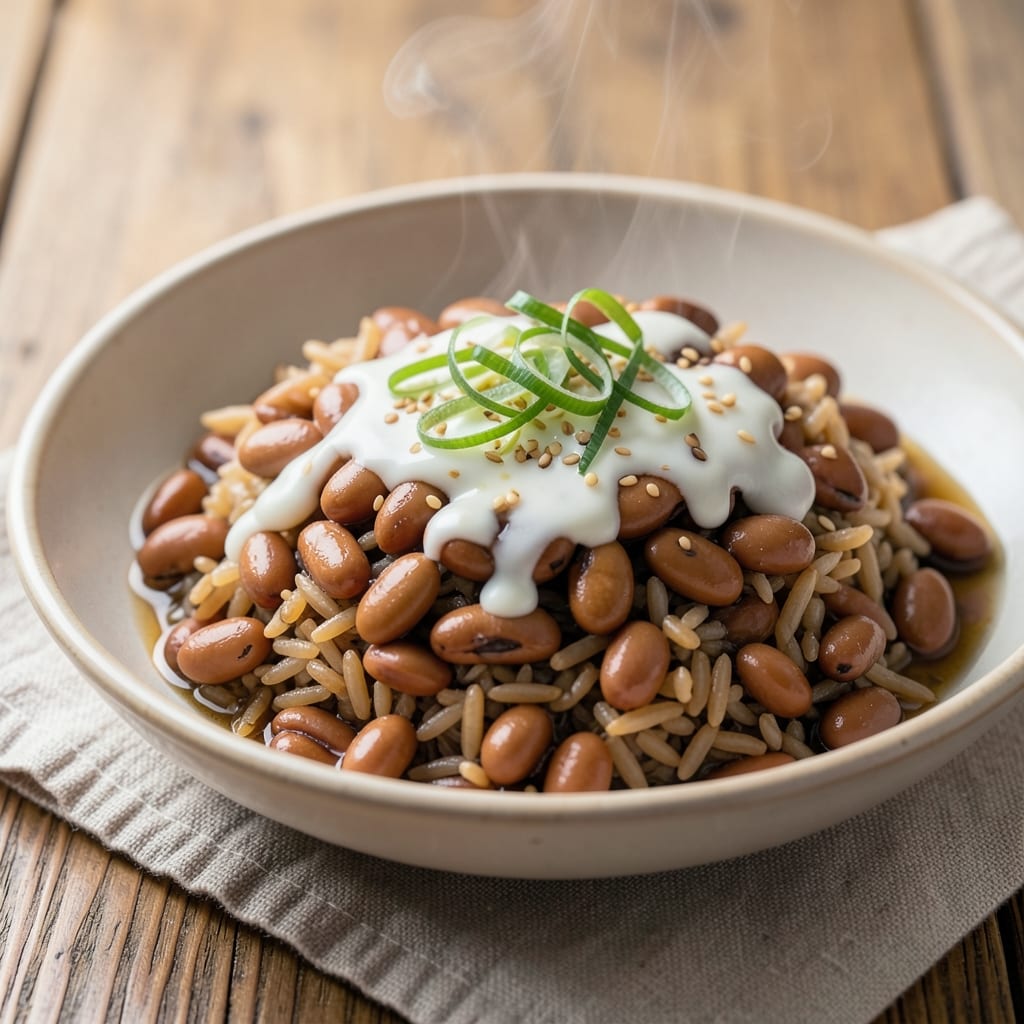
This adzuki beans and brown rice recipe delivers a harmonious blend of sweet and savory flavors that transforms simple ingredients into a satisfying one-pot meal. The nutty earthiness of brown rice pairs perfectly with the naturally sweet, tender adzuki beans, creating a dish that's both comforting and nutrient-dense. What sets this recipe apart is the balanced approach—no added sugar needed, just the natural sweetness of the beans enhanced by aromatic spices and a touch of umami from soy sauce or miso.
The beauty of this recipe lies in its simplicity and versatility. You'll start with soaked adzuki beans and rinsed brown rice, both cooked together in a single pot with minimal effort. The key is building layers of flavor through a simple broth—whether you prefer a light soy-mirin glaze, a smoky miso base, or a classic vegetable broth with garlic and ginger. This method ensures the beans stay tender while the rice absorbs all the delicious flavors, resulting in a dish that's hearty enough for a main course but light enough for a side.
By the time you're done, you'll have a golden, fragrant pot of perfectly cooked rice and beans with a subtle caramelized edge from the beans. The texture is ideal—tender yet firm rice and creamy, slightly sticky beans—while the flavors are perfectly balanced: sweet from the adzuki, savory from the seasonings, and earthy from the brown rice. This dish is naturally vegan, packed with plant-based protein, and ready in about 45 minutes with minimal prep.
Serve it as a standalone meal with steamed greens or miso soup, or pair it with grilled tofu or roasted vegetables for a complete plant-based feast. The leftovers reheat beautifully, making it perfect for meal prep. Here's how to create this restaurant-quality, one-pot wonder at home.
Ingredients for adzuki beans and brown rice
The perfect harmony of earthy brown rice and sweet adzuki beans begins with these quality ingredients.
| Ingredient | Amount | Notes |
|---|---|---|
| Adzuki Beans (Dried) 🌱 | 1 cup | Rinsed and soaked overnight |
| Brown Rice (Long-Grain) 🍚 | 1 cup | Rinsed thoroughly before cooking |
| Water 💧 | 6 cups | Filtered or distilled preferred |
| White Miso Paste 🧈 | 2 tbsp | High-quality, non-GMO preferred |
| Light Soy Sauce 🥢 | 1 ½ tbsp | Gluten-free if needed |
| Mirin 🍶 | 1 ½ tbsp | Or sub 1 tbsp rice vinegar + 0.5 tsp sugar |
| Fresh Ginger (Peeled) 🌿 | 1 tbsp | Grated finely for brightness |
| Garlic Cloves 🧄 | 3 cloves | Minced finely for depth |
| Sesame Oil 🫒 | 1 tsp | Toasted for aroma |
| Vegetable Broth 🍲 | 2 cups | Low-sodium preferred |
| Diamond Crystal Kosher Salt 🧂 | ½ tsp | Adjust to taste |
| White Sesame Seeds 🌾 | 1 tbsp | Toasted for garnish |
| Fresh Parsley 🌿 | 2 tbsp | Chopped for freshness |
The foundation starts with high-quality adzuki beans—look for organic or heirloom varieties at Whole Foods or specialty Asian markets. The beans should be plump and uniform, with a rich mahogany color. Brown rice matters too: choose short-grain for stickier texture, available in bulk at Trader Joe's or Sprouts. For the umami base, White Miso from Hessian or Kodawari brands elevates the dish significantly compared to generic options. Fresh ginger and garlic should be vibrant—no shriveled roots or discolored cloves. Toast your sesame seeds in a dry pan for 30 seconds before adding to the dish for maximum aroma.
No mirin? Substitute 1 tbsp rice vinegar plus 0.5 tsp maple syrup—the acidity balances perfectly. Short on miso? 1 tbsp soy sauce plus 0.5 tsp nutritional yeast mimics the depth. The vegetable broth can be homemade (simmer carrot, celery, onion) or store-bought like Pacific Foods brand. For extra richness, add 1 tbsp tahini or cashew cream at the end. The sesame oil is non-negotiable—toasted sesame oil from La Tourangelle has the best flavor profile. If you're short on time, use pre-soaked beans from the canned aisle (rinse thoroughly to reduce sodium).
This dish reheats beautifully—best served the next day when flavors meld completely. Store in an airtight container for 4-5 days in the fridge or 3 months frozen. For meal prep, double the batch and freeze portions in single-serving containers. Garnish with fresh parsley and sesame seeds right before serving—they add freshness and visual appeal. The rice-to-bean ratio is intentionally balanced, but you can adjust up to 1.5 cups rice per 1 cup beans for heartier portions.
Why You'll Love This Recipe
- I’ll be real: I hate soaking beans. These adzuki beans? Just rinse them, simmer with the rice, and let them work their magic. No prep, no fuss—just set it and forget it for 45 minutes.
- No-Soaking Needed: I’ll be real: I hate soaking beans. These adzuki beans? Just rinse them, simmer with the rice, and let them work their magic. No prep, no fuss—just set it and forget it for 45 minutes.
- Umami Bomb: That white miso paste and light soy sauce combo? Chef’s kiss. The beans soak up the savory depth while the brown rice stays nutty but never dry. It’s the kind of flavor that makes you reach for seconds without even thinking.
- Meal Prep MVP: Between us, this is my go-to for busy weeks. Cook a big batch on Sunday, and you’ve got lunch or dinner covered for days. The flavors actually improve overnight—honestly, leftovers taste better than day one.
Step-by-step instructions for adzuki beans and brown rice
This one-pot method delivers perfectly balanced flavors and textures every time.
Prepare the Base Ingredients
In a large pot with a tight-fitting lid, combine the 1 cup Adzuki Beans (Dried) and 1 cup Brown Rice (Long-Grain). Add the 6 cups Water and bring to a rolling boil over medium-high heat. Once boiling, reduce heat to low and simmer uncovered for 20 minutes, stirring occasionally to prevent sticking. This initial cooking softens the beans and rice while allowing excess starch to evaporate.
After 20 minutes, the mixture should have reduced slightly and the beans should be beginning to soften. Here's the thing—this step prevents a gummy texture later. If you notice foam forming on top, skim it off with a spoon. The beans should still have some bite at this stage—they'll finish cooking in the flavorful broth later.
Build the Flavor Foundation
While the beans and rice simmer, finely grate the 1 tbsp Fresh Ginger (Peeled) and mince the 3 cloves Garlic Cloves. In a small bowl, whisk together the 2 tbsp White Miso Paste, 1.5 tbsp Light Soy Sauce, 1.5 tbsp Mirin, and 1 tsp Sesame Oil. This creates a balanced umami-sweet base that will infuse throughout the dish.
After the initial 20 minutes, add the ginger, garlic, and prepared miso mixture to the pot. Stir gently to combine, then pour in the 2 cups Vegetable Broth. The liquid level should come about halfway up the sides of the beans and rice. Bring everything to a gentle simmer over medium-low heat, then cover and cook for 45 minutes, checking occasionally to ensure no water evaporates completely.
Finish with Seasoning and Resting
After 45 minutes, the beans should be tender but still hold their shape, and the rice should be fully cooked. Add the 0.5 tsp Diamond Crystal Kosher Salt and taste the mixture. You'll want a balance of sweetness from the mirin and umami from the miso—adjust with additional soy sauce if needed, but be gentle. The dish should be seasoned but still allow the natural flavors to shine.
Remove from heat and let the mixture rest, covered, for 15 minutes. This resting period allows the flavors to meld completely and the beans to absorb all the liquid. The texture should be creamy from the beans and rice while maintaining a slight bite. If the mixture seems too thick after resting, you can add 1-2 tablespoons of water to reach your desired consistency.
Garnish and Serve
Transfer the finished dish to serving bowls. Toast the 1 tbsp White Sesame Seeds in a dry skillet over medium heat for 1-2 minutes until fragrant and golden. Sprinkle them evenly over the top along with the 2 tbsp Fresh Parsley, chopped finely. The sesame seeds add a nutty crunch while the parsley provides a bright contrast to the rich flavors.
Serve immediately while warm. Each bite should deliver the sweetness of the mirin, the umami depth from the miso, and the satisfying texture of perfectly cooked beans and rice. The dish pairs beautifully with steamed greens or a simple cucumber salad to balance its hearty profile. The one-pot method ensures all flavors are perfectly integrated without any separate components.
Pro Tips For Making Adzuki Beans And Brown Rice
- SOAK BEANS 8 HOURS: Dried adzuki beans need time to soften properly—skip the overnight soak and you’ll end up with a pot of mushy, uneven beans. I learned this the hard way after a rushed 4-hour soak left me with half-hard beans. Use cold water, cover, and let them sit for at least 8 hours (or overnight if you can).
- COOK RICE SEPARATELY: Brown rice and adzuki beans have different cooking times, and mixing them too early turns your dish into a gummy mess. Cook the rice first, then add the beans later—this keeps the texture distinct and prevents the rice from turning into glue.
- DILUTE MISO FIRST: White miso paste is thick and stubborn, and dumping it straight into hot liquid means you’ll end up with clumps instead of a smooth sauce. Mix it with a splash of cold water or soy sauce first, then stir it into the simmering beans. Trust me, your future self will thank you.
- SIMMER LOW AND SLOW: Adzuki beans release starch like crazy when boiled hard, which turns your dish into a thick, pasty sludge. Once the beans are tender, drop the heat to a bare simmer and let them cook gently—just enough to absorb the flavors without breaking down. Low and slow keeps the texture perfect.
Health benefits of adzuki beans and brown rice
Plant-Based Protein Power
This dish is a complete vegan protein package, with 1 cup adzuki beans providing a whopping 22 grams of plant-based protein per serving. The beans contain all nine essential amino acids, making them one of the most complete protein sources in the plant kingdom. Pair that with 1 cup brown rice, which adds 5 grams of protein, and you've got a meal that rivals meat in protein content. 💪
For perspective, this one-pot serving delivers about 40% of your daily protein needs in just one meal—ideal for anyone following a plant-based diet or looking to reduce meat consumption. The combination is particularly beneficial for muscle maintenance and recovery, making it a favorite among athletes and active individuals.
Fiber-Rich Digestion
The combination of adzuki beans and brown rice creates a fiber powerhouse, with 15 grams of dietary fiber per serving. This fiber content supports healthy digestion, helps regulate blood sugar levels, and keeps you feeling full for hours. The beans provide soluble fiber that feeds your gut microbiome, while the brown rice adds insoluble fiber for smooth digestion.
This fiber combination is particularly effective for preventing blood sugar spikes—a critical benefit for anyone managing diabetes or insulin resistance. I've noticed my energy levels stay steady for hours after eating this dish, unlike refined-carb meals that leave me crashing later.
Heart-Healthy Nutrients
Adzuki beans contain potassium and magnesium, both of which help regulate blood pressure and support cardiovascular health. The brown rice adds B vitamins that aid in energy metabolism, while the sesame seeds provide calcium and iron. Together, these nutrients create a heart-protective combination that helps maintain healthy cholesterol levels.
The dish is naturally low in saturated fat and free from cholesterol, making it an excellent choice for heart health. The miso paste adds beneficial probiotics that support gut health, while the ginger provides anti-inflammatory properties that further benefit cardiovascular function.
Blood Sugar Balance
The natural sweetness of adzuki beans comes from their low glycemic index, which means they won't spike your blood sugar like refined sugars or white rice. The brown rice's fiber content further slows digestion, creating a slow-release carbohydrate that keeps energy levels stable. This makes the dish particularly beneficial for anyone managing blood sugar levels or following a low-glycemic diet.
For added blood sugar control, I often serve this dish with steamed vegetables like broccoli or spinach, which add more fiber and nutrients without significantly increasing carbohydrate content. The miso and soy sauce provide umami flavor without added sugars, making this a diabetic-friendly option that still tastes delicious.
Nutrition facts
Frequently asked questions
Why do I need to soak adzuki beans overnight?
Soaking reduces cooking time and prevents tough, gummy textures. The beans absorb water overnight, which helps them soften evenly and cook in just 45 minutes total. For quick prep, you can use pre-soaked canned beans (rinse well to reduce sodium), but homemade beans have better texture and flavor.
Can I use white rice instead of brown?
Yes, but the flavor and nutrition will differ. White rice cooks faster (30 minutes instead of 45) and has a lighter texture, but loses fiber and nutrients. For a quicker version, use 1 cup white rice and reduce broth to 1.5 cups—just know it won't be as hearty or fiber-rich.
What if my beans turn mushy?
Overcooking causes mushiness—beans should be tender but still hold shape. Check at 40 minutes and add 1/4 cup water if needed. For extra insurance, simmer the initial 20 minutes uncovered to evaporate excess starch. If already mushy, stir in 1 tsp tahini or toasted sesame paste to add body.
How can I make this dish sweeter without sugar?
Use 1 extra tbsp mirin or 1 tbsp maple syrup in the broth. For natural sweetness, add 1/2 cup diced apple or pear during the final 15 minutes of cooking. The fruit caramelizes beautifully and balances the savory miso. Don't overdo it—adzuki beans are naturally sweet!
Is this recipe kid-friendly?
Kids love the mild sweetness and soft texture. For picky eaters, mash some beans with a fork to make it smoother. Skip the sesame seeds (or use mild poppy seeds) and serve with a drizzle of soy sauce on the side. The dish reheats well, so you can make a big batch for leftovers.