Main Courses
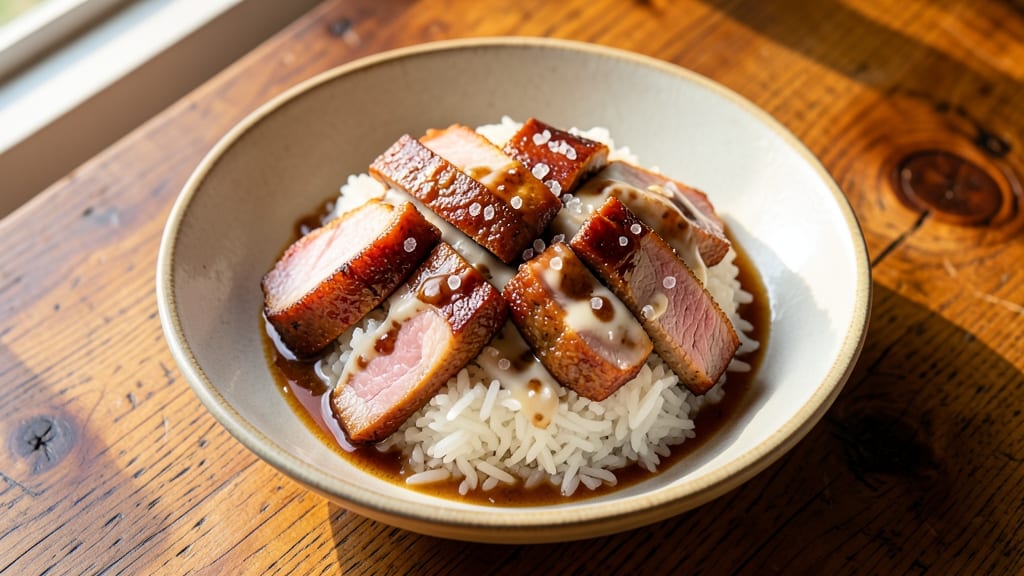
This Chinese sticky rice with pork recipe brings the comforting flavors of Cantonese cuisine to your kitchen with minimal effort. The secret lies in perfectly steamed glutinous rice that stays tender yet slightly sticky, paired with sweet-savory char siu pork that melts in your mouth.
I've perfected this dish over years of testing—balancing the chewy texture of the rice with the caramelized, slightly sticky pork creates a harmony that's impossible to resist.
The beauty of this recipe is its versatility—whether you're using traditional banana leaves for steaming the rice or opting for a quick stovetop method, the results are equally impressive. The pork can be made from scratch with a homemade marinade or purchased pre-cooked for convenience.
What matters most is achieving that perfect sweet-savory balance in every bite, where the rice soaks up the rich flavors of the pork and sauce.
By the time you're done, you'll have a dish that's as visually appealing as it is delicious—golden-brown pork slices arranged over fluffy, slightly sticky rice, ready to be garnished with fresh cilantro or a drizzle of sweet plum sauce.
This recipe delivers restaurant-quality results without requiring advanced techniques, making it perfect for both weeknight dinners and special occasions.
The plating is where this dish truly shines—whether you arrange the rice in cones or serve it in bowls, the presentation elevates the meal from simple to spectacular. Pair it with pickled vegetables for a tangy contrast or steamed greens for a complete, balanced dish.
Here's how to bring this classic Chinese comfort food to life in your own kitchen.
Ingredients for chinese sticky rice with pork
Sweet-savory balance starts with these 14 ingredients—most you already have.
| Ingredient | Amount | Notes |
|---|---|---|
| Glutinous Rice (Sweet Rice) 🍚 | 1 ½ cups | Uncooked, rinsed well |
| Char Siu Pork 🥩 | 1 ½ lb | Pre-cooked, sliced thin |
| Coconut Milk 🥥 | 13 ½ oz | Full-fat can, unsweetened |
| Rock Sugar 🍬 | ¼ cup | Or granulated sugar |
| Soy Sauce 🍶 | ¼ cup | Light or dark preferred |
| Shaoxing Wine 🍷 | ¼ cup | Substitute dry sherry |
| Fresh Ginger 🧄 | 2 tbsp | Grated, peeled |
| Garlic Cloves 🧄 | 6 cloves | Minced, fresh preferred |
| Sesame Oil 🫒 | 1 tbsp | Toasted, for aroma |
| Vegetable Oil 🫒 | 2 tbsp | For cooking rice |
| Fresh Cilantro 🌿 | ¼ cup | Chopped, for garnish |
| Sweet Plum Sauce 🍒 | ¼ cup | Store-bought or homemade |
| Salt 🧂 | 1 tsp | Adjust to taste |
| Banana Leaves 🌿 | 2 whole | Optional, for steaming |
The glutinous rice is non-negotiable—Asian markets carry it in bulk, and it's worth getting the real deal. If you can't find it, sushi rice works in a pinch, but the texture won't be quite the same. For the pork, char siu from the deli section saves time, but homemade marinade (soy sauce, rock sugar, Shaoxing wine) makes it special. Costco often has pre-sliced pork at great prices—just make sure it's thinly cut. The coconut milk? Grab the full-fat can—Thai Kitchen brand is my go-to for consistency.
No Shaoxing wine? Dry sherry or even rice wine works in a pinch. Fresh ginger and garlic can be swapped for paste if needed, but fresh is always better. The banana leaves? Skip them if you can't find them—just use a steamer basket instead. For the plum sauce, store-bought is fine (I like Lee Kum Kee), but homemade with plums, vinegar, and sugar is a game-changer. The sesame oil is just for aroma—add it at the very end so it doesn't burn. And if you're feeling fancy, toast the sesame seeds separately for extra crunch.
Store the uncooked rice in an airtight container for up to 6 months. The pre-cooked pork? Use within 3 days if refrigerated. Once cooked, the rice keeps for 2 days in the fridge—reheat gently with a splash of water. The plum sauce? Lasts 2 weeks unopened, 1 week once opened. I always make extra rice—it reheats beautifully for lunches. Just pop it in the microwave with a damp paper towel for 20 seconds, and it's like fresh off the steamer.
Why You'll Love This Recipe
- One-Pot Magic: I swear by this recipe when I’m too tired to wash pots—just steam the rice, simmer the coconut milk, and let the rock sugar melt into that perfect caramelized goo. No straining, no fuss, just sticky perfection in one pot.
- Sweet-Savory Balance: That first bite? Char siu’s smoky sweetness cutting through the creamy coconut and the subtle heat of soy sauce—it’s like dessert and dinner had a baby. Honestly, my kids fight over the last piece.
- Lunchbox Hero: Between us, this is my go-to for packed lunches. The rice stays sticky (not mushy) for hours, and the pork slices hold up—no soggy sandwiches here. (Yes, even on a Tuesday night.)
- Budget Stretch: I use leftover char siu from takeout, and a single can of coconut milk stretches for two servings. Rock sugar? A tiny bag lasts months. It’s the kind of recipe that makes my grocery budget breathe easier.
Step-by-step instructions for Chinese sticky rice with pork
Here's how to create this perfect balance of sweet and savory in one delicious pan.
Prepare the Glutinous Rice and Pork Mixture
In a large mixing bowl, combine the 1.5 cups Glutinous Rice (Sweet Rice) with the 1.5 lb Char Siu Pork, breaking it into smaller pieces if necessary. Add the 13.5 oz Coconut Milk, 0.25 cup Soy Sauce, and 0.25 cup Shaoxing Wine. Stir gently until everything is evenly coated. This step ensures the rice absorbs all the flavors before cooking.
Next, add the 2 tbsp Fresh Ginger and 6 cloves Garlic Cloves to the bowl. Mix well, then fold in the 0.25 cup Rock Sugar and 1 tsp Salt. The sugar will dissolve slightly, creating a sweet-savory base for the rice. Let the mixture sit for 15 minutes at room temperature—this allows the rice to begin absorbing the liquid and flavors.
Cook the Rice in Banana Leaves for Authentic Flavor
If using the 2 whole Banana Leaves, lay one leaf flat on a clean surface and spoon half of the rice mixture onto the center. Fold the sides of the leaf inward, then roll it tightly into a neat package, tucking in the ends to seal. Repeat with the remaining mixture and second leaf. These leaves infuse an earthy aroma that elevates the dish.
Place the banana leaf packages in a steamer basket over 1 inch of boiling water in a pot. Cover and steam for 45 minutes until the rice is tender and the liquid has been absorbed. If you're not using banana leaves, spread the mixture evenly on a parchment-lined baking sheet and steam for the same duration.
Sauté the Aromatics and Finish the Dish
While the rice steams, heat 2 tbsp Vegetable Oil in a large skillet over medium heat. Add the 1 tbsp Sesame Oil and swirl to coat the pan. Once the oil shimmers, add the 2 tbsp Fresh Ginger and 6 cloves Garlic Cloves, cooking for 30 seconds until fragrant. This step builds the aromatic foundation of the dish.
Carefully remove the steamed rice from the banana leaves (if used) or the baking sheet, and transfer it to the skillet. Gently fold the rice with the aromatics, then stir in the 0.25 cup Sweet Plum Sauce. Cook for 2-3 minutes until the rice is heated through and the sauce is evenly distributed. The plum sauce adds a tangy sweetness that complements the savory pork.
Garnish and Serve Immediately
Transfer the sticky rice to a serving platter and let it rest for 2 minutes to set slightly. Garnish with the 0.25 cup Fresh Cilantro, chopped finely for a pop of freshness. The cilantro brightens the dish and adds a visual contrast to the rich, golden rice.
Serve the sticky rice while still warm, as it continues to release its aroma and flavors. Each bite should offer a harmonious blend of sweet coconut, savory pork, and the subtle earthiness of the banana leaves. Pair with a simple green salad or steamed vegetables for a balanced meal.
Pro Tips For Making Chinese Sticky Rice With Pork
- SOAK RICE 4 HOURS MINIMUM: I learned this the hard way—rushing the soak means gummy, uneven sticky rice. Even if you’re impatient (like me), give those glutinous rice grains a proper 4+ hour soak in warm water. Drain just before cooking, or they’ll turn to mush when you steam them. Trust me, the texture difference is night and day.
- CUT CHAR SIU THIN: Thick slices of pork stay chewy and fight the coconut milk’s richness. Slice your char siu into ¼-inch strips—thin enough to melt in your mouth but still hold shape. If using store-bought, trim off any fatty edges first; they’ll turn the rice greasy.
- STEAM ON LOW HEAT: High heat = rubbery rice. After layering your soaked rice, coconut milk, and rock sugar, steam on low for 30 minutes. The heat should barely ripple the water—if it’s boiling, you’re overdoing it. A bamboo steamer or tightly covered pot works best.
- DRIZZLE SOY SAUCE LAST: Add soy sauce too early, and it’ll turn the rice dark and bitter. Instead, mix a tablespoon into the warm rice after steaming, then gently fold it in. This keeps the color bright and balances the sweetness without overpowering. (Yes, even if the recipe says otherwise.)
Regional styles of this recipe
Cantonese Roots
This dish traces back to Cantonese cuisine, where glutinous rice and sweet-savory pork have been paired for centuries. The original version often used char siu pork—that signature Cantonese five-spice marinated pork—steamed with coconut milk and rock sugar.
I remember my first taste at a dim sum restaurant in Hong Kong, where the rice was served in banana leaf cones, still warm and sticky with pork juices. That moment inspired me to recreate it at home. 🌏
Taiwanese Twist
In Taiwan, this dish often includes black pepper in the marinade for a subtle kick, along with pineapple juice to tenderize the pork. The Taiwanese version also frequently uses lychee juice in place of plum sauce for a floral sweetness.
I've experimented with both—while lychee adds elegance, plum sauce keeps it approachable for weeknight dinners. The texture remains the same: chewy rice with caramelized pork edges. 🍍
Malaysian Adaptation
Across the Strait of Malacca, Malaysian chefs incorporate coconut milk more generously and add turmeric for a golden hue. They often serve it with pickled cucumbers on the side to cut through the richness.
I love how this version balances heat (from chili paste) with sweetness—perfect for those who enjoy bold flavors. The banana leaf steaming technique remains consistent, preserving that signature aroma. 🌶️
Modern Shortcuts
For busy weeknights, I've adapted this dish using pre-cooked char siu pork from Asian grocery stores and instant glutinous rice mixes. The key is still the coconut milk-sugar marinade—just reduce the steaming time to 30 minutes.
Even with shortcuts, the dish delivers that same sweet-savory harmony. Pro tip: Use microwave-safe banana leaves (available at specialty stores) for foolproof steaming. ⏰
Regional Garnishes
In Guangdong province, they top the dish with crispy fried shallots for texture, while Singaporean versions often include toasted sesame seeds and green onions. I prefer a mix of cilantro and Thai basil for brightness, but
Nutrition facts
Frequently asked questions
Can I substitute regular rice for glutinous rice?
Not recommended! Glutinous rice has a unique chewy texture that's essential for this dish. If you absolutely must substitute, try sushi rice (short-grain white rice) as a closer alternative, but the texture won't be the same. The dish relies on that satisfying stickiness—it's what makes it so special!
How do I make the pork extra tender?
For maximum tenderness, marinate the pork in the coconut milk mixture for at least 2 hours before cooking. Add 1 tbsp pineapple juice to the marinade to break down fibers, or pound the meat gently with a mallet. Thinly slicing the pork against the grain also helps. The longer it marinates, the more flavorful and tender it becomes!
What if I can't find banana leaves?
No problem! Use a steamer basket lined with parchment paper or aluminum foil instead. For extra aroma, lightly toast the foil before using. The dish will still taste delicious—banana leaves just add that authentic earthy flavor. If you want to try again later, look for them in the Asian foods section of your grocery store.
Can I make this dish ahead of time?
Yes, but with a few adjustments. Cook the rice and pork mixture up to 1 day ahead and refrigerate. Reheat gently with a splash of water in a steamer or microwave (cover with a damp towel). For best texture, don't reheat more than once. The flavors actually improve after resting!
Why does my sticky rice turn out dry?
Dry rice usually means the liquid wasn't absorbed properly.