
Side Dishes
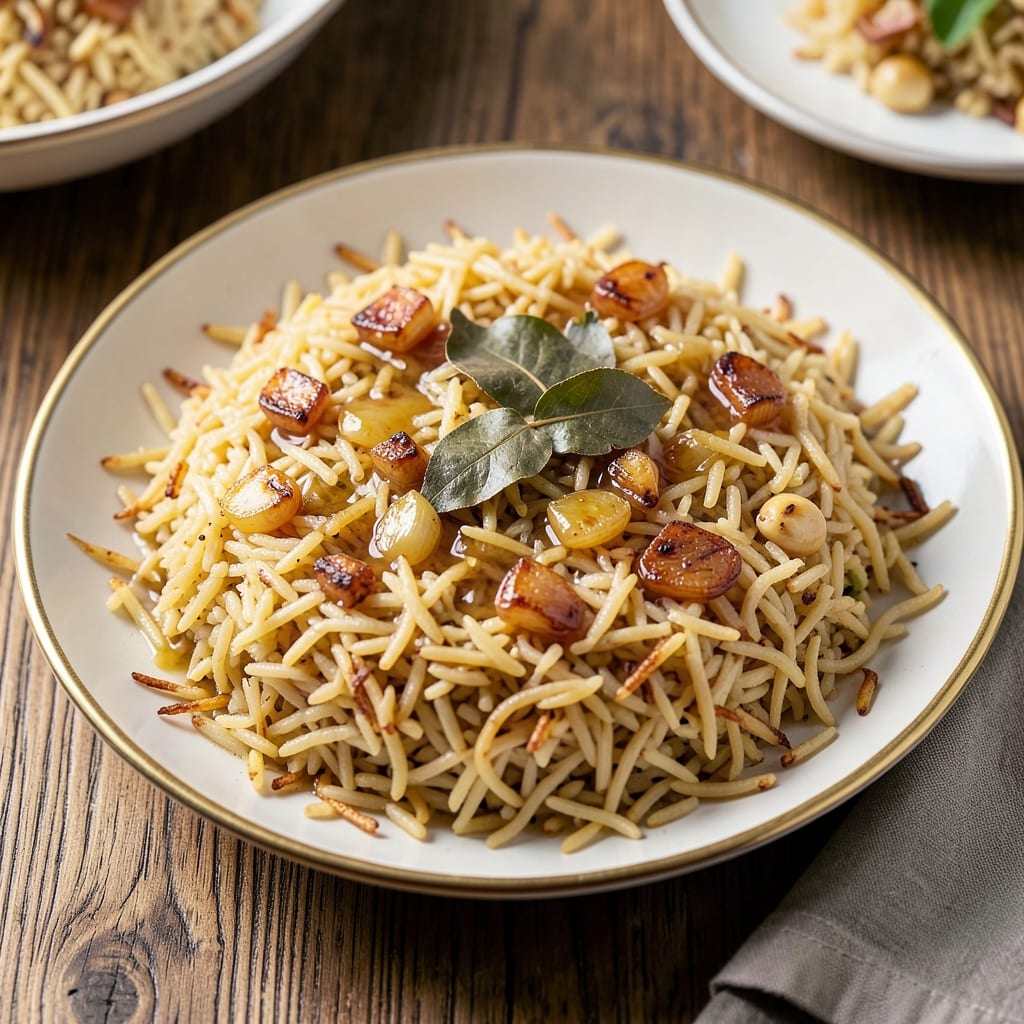
This 5-star rice pilaf recipe transforms simple basmati rice into a fragrant, golden masterpiece that elevates any meal. The secret lies in perfectly balanced aromatics—sautéed onions, garlic, and herbs—that infuse every grain with depth, while tender vegetables and optional protein add hearty richness. What sets this apart is the one-pan technique, ensuring even cooking and restaurant-worthy texture without fuss.
Professional chefs rely on this method for its foolproof results: fluffy yet firm rice with a delicate crust at the edges, where caramelized onions and toasted spices create irresistible flavor. The key is cooking the rice in broth instead of water, which builds layers of aroma and keeps each grain distinct. Whether serving as a side for roasted chicken or as a standalone dish, this pilaf delivers the kind of elegance that makes dinner feel special.
What makes this recipe truly stand out is its versatility—swap in shrimp for chicken, add fresh herbs for brightness, or mix in your favorite vegetables to customize it for any occasion. The result is always the same: perfectly cooked rice with a fragrant, golden sheen and a taste that lingers. No more dry, clumpy pilaf—just restaurant-quality grains that taste like they took hours to prepare.
Ready in just 30 minutes, this pilaf is perfect for weeknight dinners or holiday feasts. The technique is simple, but the outcome is anything but ordinary—every bite is a testament to how small details (like toasting the spices or using the right ratio of liquid to rice) make all the difference. Let’s get started on creating your next crowd-pleaser.
Ingredients for 5 star rice pilaf
Simple ingredients elevate to restaurant-quality rice pilaf with golden aroma and perfect texture.
| Ingredient | Amount | Notes |
|---|---|---|
| Long-Grain Basmati Rice 🍚 | 1 ½ cups | Uncooked, rinsed thoroughly |
| Yellow Onions 🧅 | 1 ½ cups | Finely diced, about 2 medium |
| Garlic Cloves 🧄 | 6 cloves | Minced, about 1 tbsp total |
| Chicken Broth 💧 | 2 ½ cups | Low-sodium preferred |
| Unsalted Butter 🧈 | 4 tbsp | European-style preferred |
| Dried Bay Leaves 🌿 | 2 whole | Crushed lightly |
| Ground Cumin 🌶️ | ½ tsp | Toasted for depth |
| Ground Turmeric 🌿 | ¼ tsp | For golden color |
| Carrots 🥕 | 1 cup | Diced small, about 2 medium |
| Fresh Parsley 🌿 | ¼ cup | Chopped, for garnish |
| Salt 🧂 | 1 ½ tsp | Kosher or sea salt |
| Black Pepper 🌶️ | ½ tsp | Freshly ground |
| Optional Protein 🍗 | 1 cup | Chicken or shrimp, cooked |
The basmati rice is non-negotiable here—look for Mahatma or Kalyan brand if you can find it, as they have the longest grains. Whole Foods or Indian specialty stores carry the best quality. The onions should be sweet, not bitter—yellow or Vidalia work perfectly. For the broth, low-sodium is key to avoid over-salting the rice. I always toast my spices in the butter first—this releases their oils and deepens the flavor. The carrots can be baby carrots or diced regular ones, but small dice ensures even cooking and better texture.
No chicken broth? Vegetable broth works perfectly—just add a pinch of chicken bouillon powder if you're worried about flavor. Fresh parsley is ideal, but dried parsley at half the amount gets you close in a pinch. The optional protein can be swapped for shrimp, chickpeas, or even sautéed mushrooms. For extra richness, stir in 1 tbsp of crème fraîche or Greek yogurt at the end. The bay leaves add depth but can be omitted if you're sensitive to their flavor—just reduce the cooking time by 2 minutes if you skip them.
This pilaf reheats beautifully—just add a splash of broth and cover until warm. Stores for 4 days in the fridge or 3 months frozen. For freezing, portion into airtight containers with a layer of parchment paper between layers to prevent sticking. The rice will firm up slightly when reheated, but a quick stir with a splash of water restores its fluffiness. Make a double batch—it disappears fast at dinner parties.
Why You'll Love This Recipe
- No-Fuss Weeknight Win: I swear by this when I’m too tired to fuss—just toast the onions and garlic in butter until they’re golden, add the rice, broth, and a pinch of salt. Fifteen minutes later, you’ve got fluffy, fragrant rice without the stress of measuring or stirring constantly.
- Buttery Garlic Magic: That first bite? The crispy edges from the butter and caramelized onions paired with the nutty basmati—it’s like a flavor hug. Honestly, the garlic cloves get minced so fine they melt into the rice, leaving just that perfect savory kick.
- Leftover Hero: This pilaf actually improves the next day. Cold slices of grilled chicken? Perfect. Tossed with veggies for a quick salad? Even better. I make a double batch on Sundays because it’s my go-to for lunches that don’t taste like leftovers.
- Budget-Friendly Luxury: You’re using pantry staples—basmati rice, onions, butter—that stretch for meals. The chicken broth adds depth without breaking the bank, and the dish serves four for under $10. Fancy enough for company, cheap enough for Tuesday.
Step-by-step instructions for golden-grain rice pilaf
Master this technique and you'll achieve restaurant-quality pilaf with perfectly fluffy grains and rich, aromatic flavors.
Sauté the Aromatics in Butter
Melt the 4 tablespoons unsalted butter in a large, heavy-bottomed skillet over medium heat. Add the 1.5 cups finely diced yellow onions and cook for 5-6 minutes until they become translucent and begin to soften at the edges. This step builds the flavor foundation.
Add the 6 cloves minced garlic, 0.5 teaspoon ground cumin, and 0.25 teaspoon ground turmeric, stirring constantly for 1 minute until fragrant. The turmeric will give your pilaf that signature golden hue while the cumin adds warm depth. Keep the heat at medium—you want to toast the spices without burning them.
Cook the Carrots and Protein
Increase heat to medium-high and add the 1 cup diced carrots and 1 cup cooked optional protein (chicken or shrimp). Cook for 4-5 minutes, stirring occasionally, until the carrots soften slightly and the protein begins to brown. This partial cooking ensures the carrots remain tender while adding texture.
If using chicken, cut it into bite-sized pieces before adding. For shrimp, use pre-cooked pieces to maintain their delicate texture. The goal is to develop flavor without fully cooking the vegetables or protein—they'll finish in the broth.
Toast the Rice for Perfect Texture
Add the 1.5 cups rinsed long-grain basmati rice to the skillet, stirring to coat each grain thoroughly in the butter and spices. Cook for 2-3 minutes until the rice becomes translucent at the edges and begins to develop a slight golden color. This toasting step prevents mushy rice by developing a protective crust around each grain.
Don't walk away—constant stirring is crucial. You're looking for the rice to look dry and slightly glossy, not wet. If it sticks, add a few drops of water to help release it from the pan.
Deglaze and Simmer with Broth
Pour in the 2.5 cups chicken broth and add the 2 crushed dried bay leaves, 1.5 teaspoons salt, and 0.5 teaspoon black pepper. Bring to a gentle boil, then immediately reduce heat to low, cover the skillet tightly with a lid, and simmer for 15 minutes. This low-and-slow approach allows the rice to absorb the liquid evenly without steaming too quickly.
Resist the urge to peek or stir—the steam needs to circulate freely. After 15 minutes, check the rice. It should be tender but still slightly firm in the center. If it's not quite done, cover and simmer for another 2-3 minutes. The rice should be cooked through but still hold its shape.
Rest and Garnish for Presentation
Remove the skillet from heat and let it rest, covered, for 5 minutes. This resting period allows the rice to finish absorbing any remaining liquid and develop its final texture. The grains should be fluffy and separate, not clumped together.
Fluff the rice gently with a fork, then stir in the 0.25 cup chopped fresh parsley. Serve immediately, garnished with an additional sprinkle of parsley if desired. The pilaf should have a beautiful golden color from the turmeric, with each grain distinct and tender. The carrots should be soft but still hold their shape, and the protein should be warm throughout.
Pro Tips For Making 5 Star Rice Pilaf
- TOAST THE ONIONS LOW: I used to rush this step and end up with bitter, browned onions that overpowered the dish. Instead, cook them on medium-low heat for 8-10 minutes with the butter until they’re golden but still sweet—almost like caramelizing. This builds flavor without burning, and you’ll taste it in every grain.
- RINSE THE RICE UNTIL CLEAR: Skipping this is the fastest way to end up with gummy, sticky rice. Swirl the basmati in a bowl of cold water, drain, and repeat until the water runs almost clear. This removes excess starch, giving you that signature fluffy texture. (Yes, even if it feels like you’re wasting water—it’s worth it.)
- USE A 1:1.5 RATIO: The magic number for basmati in broth is 1 part rice to 1.5 parts liquid. Too little broth and it dries out; too much and it turns mushy. Measure carefully—this isn’t the time to eyeball it. If your broth is saltier than usual, reduce the ratio slightly to avoid overpowering the rice.
- COVER TIGHT AND LET IT STEAM: After adding the broth, slap that lid on and crank the heat to high for 5 minutes. Then drop it to low and simmer for 10 minutes. The initial high heat helps the rice absorb the broth evenly, while the low finish ensures even cooking without drying out. (Pro move: Use a tight-fitting lid or foil to trap steam—no peeking!)
Wine and beer pairings for 5 star rice pilaf
White Wine Pairings
For this fragrant rice pilaf, I reach for a dry Riesling from Germany or Austria—its crisp acidity and subtle honeyed notes complement the caramelized onions and turmeric beautifully. The slight sweetness in the wine balances the earthy cumin and black pepper, while its bright finish cuts through the richness of the butter. Serve chilled at 48-50°F to preserve its freshness. 🍷
Light Red Options
A Pinot Noir from Oregon or Burgundy offers the perfect red wine pairing—its delicate red fruit flavors and silky tannins won't overpower the delicate rice grains. Look for a bottle with 12-13% ABV to maintain balance. The wine's earthy undertones harmonize with the cumin and bay leaves, while its acidity keeps the dish feeling light. Decant for 15 minutes before serving to soften any initial tannins. 🍇
Beer Complements
For beer lovers, a Belgian Witbier like Hoegaarden or Stella Artois works wonderfully—the citrusy coriander notes play off the turmeric's golden hue, while the effervescence cleanses the palate between bites. Alternatively, a light lager such as Peroni provides a crisp, neutral backdrop that lets the pilaf's flavors shine. Serve both at 40-45°F for optimal refreshment. 🍺
Sparkling Alternatives
If you prefer something bubbly, a dry sparkling wine like Prosecco or Cava adds an elegant touch to your meal. The effervescence enhances the dish's aromatic qualities, while the wine's acidity prevents the pilaf from feeling heavy. Opt for a 11-12% ABV** bottle to maintain balance. Chill thoroughly before serving to preserve the bubbles. ✨
Non-Alcoholic Options
Don't overlook sparkling water with a citrus twist—add 2 slices of lemon and 3 slices of cucumber to 1 liter of chilled San Pellegrino for a refreshing alternative. The acidity mirrors the wine pairings while keeping the meal light and hydrating. For a more herbal option, infuse the water with fresh mint leaves and a few drops of rosewater for an aromatic touch. 💧
Nutrition facts
Frequently asked questions
Why does my rice pilaf turn out mushy instead of fluffy? Mushy rice happens when you stir too often or don't toast the grains properly. First,
Can I substitute basmati rice with jasmine or another type?
Basmati is ideal for its long grains and nutty flavor, but you can use jasmine rice in a pinch—just reduce the cooking time by 2 minutes since it softens faster. Avoid short-grain rice like sushi rice, as it becomes sticky and won't achieve the same texture. For a similar fluffy result, rinse the rice thoroughly to remove excess starch, which causes clumping.
How do I make this pilaf vegetarian?
Swap the chicken or shrimp for 1 cup cooked chickpeas or ½ cup roasted cashews for crunch. Add ½ cup diced bell peppers or zucchini for extra veggies, and use vegetable broth instead of chicken broth. For protein, try crispy tofu cubes or mushrooms sautéed with the carrots. The turmeric and cumin will keep the dish rich and satisfying.
Can I make this pilaf ahead of time?
Yes! This pilaf reheats beautifully—store it in an airtight container for up to 4 days in the fridge. To reheat, sprinkle 1 tablespoon broth over the top, cover, and warm on low heat for 5-7 minutes. For freezing, portion into containers with parchment between layers to prevent sticking. Thaw overnight in the fridge, then reheat gently. The flavors actually deepen overnight!
What’s the secret to getting that golden color?
The golden hue comes from turmeric + toasted butter. Start by cooking the spices (cumin and turmeric) in butter until fragrant—this releases their natural oils. Then, let the rice simmer uncovered for the last 2 minutes of cooking to allow the moisture to evaporate slightly, intensifying the color. A quick broil for 1-2 minutes at the end also works for extra drama!