
Main Courses
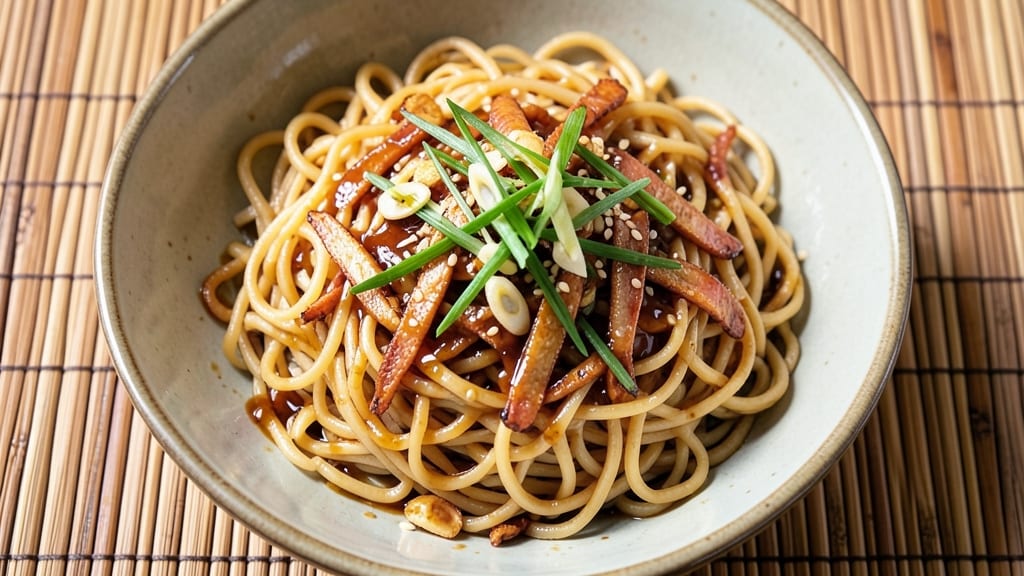
This Chinese fried rice noodles recipe delivers the perfect balance of wok-tossed crunch, savory soy depth, and aromatic garlic—all in under 20 minutes. The secret lies in proper noodle prep and high-heat stir-frying that creates that signature crispy texture while keeping the centers tender.
I've perfected this technique over countless weeknight dinners, and it never fails to impress.
What makes this recipe stand out is the combination of simple ingredients working together to create complex flavors. Fresh garlic and ginger form the aromatic base, while soy sauce and a touch of sugar create that perfect savory-sweet balance.
The key technique is breaking the noodles into bite-sized pieces before stir-frying—this ensures even cooking and maximum surface area for that crispy exterior.
By the time you're done, you'll have a plate of golden-brown noodles with wok-tossed edges that practically sing when you bite into them. The garlic aroma fills your kitchen, while the soy sauce and sesame oil create a perfect umami punch.
This dish is versatile enough to serve as a main course or side dish, and it pairs beautifully with grilled meats or fresh vegetables.
Ready to transform simple rice noodles into a restaurant-quality dish? Let's get started with the step-by-step instructions that will give you that perfect wok-tossed texture every time.
Ingredients for chinese fried rice noodles
Fresh noodles, bold aromatics, and a wok-tossed finish—this is your shortcut to restaurant-style fried rice noodles.
| Ingredient | Amount | Notes |
|---|---|---|
| Rice Noodles 🍜 | 8 oz | Fresh, thin rice noodles |
| Garlic Cloves 🧄 | 6 cloves | Fresh, minced for aroma |
| Fresh Ginger 🌿 | 1 ½ tbsp | Grated, for zing |
| Soy Sauce 🥢 | ½ cup | Light or all-purpose |
| Sesame Oil 🫒 | 1 tbsp | Toasted, for nutty depth |
| Vegetable Oil 🫒 | ½ cup | High smoke point |
| Green Onions 🧅 | ¼ cup | Sliced, for freshness |
| White Sugar 🍬 | 1 tbsp | Balances soy sweetness |
| Salt 🧂 | ½ tsp | Adjust to taste |
| Black Pepper 🌶️ | ¼ tsp | Freshly ground |
| Sesame Seeds 🌰 | 1 tbsp | Toasted, for crunch |
| Lime Wedges 🍋 | 2 whole | For serving |
| Optional Protein 🍗 | 1 cup | Chicken, shrimp, or tofu |
The noodles are non-negotiable here. Asian grocery stores carry the best fresh rice noodles—look for thin, translucent strands. If you can't find them, substitute dried rice noodles (soak for 10 minutes first). The garlic and ginger? Fresh is a must—dried or powdered just won't cut it. I grab mine from Trader Joe's bulk section because it's cheaper and fresher than the grocery store. Toast your sesame seeds in a dry pan for 30 seconds before adding to the noodles—that extra crunch makes all the difference.
No sesame oil? Avocado oil or peanut oil works in a pinch, but you'll lose that signature nutty aroma. Soy sauce brands vary wildly—Kikkoman light soy is my go-to, but any light or all-purpose will do. For extra umami, add a splash of fish sauce (1 tsp) if you're not avoiding it. The sugar balances the soy, so don't skip it—even if you're watching your sweet intake, 1 tbsp is negligible here. And if you're feeling fancy, swap the green onions for scallions or Thai basil for a different vibe.
These noodles reheat beautifully—microwave for 30 seconds with a splash of water to revive the crisp. Store leftovers in an airtight container for 3-4 days, but honestly? They taste better the next day once all the flavors meld. For meal prep, freeze portions in single servings—just thaw and crisp in a hot pan for 2 minutes. And pro tip: Save your noodle water—it's liquid gold for adjusting consistency if your stir-fry gets too dry.
Why You'll Love This Recipe
- No-Fuss Assembly: I swear, you’re looking at a 10-minute meal if you’ve got your noodles prepped. Just blanch the rice noodles, toss them in the pan with garlic and ginger—that aroma alone sells it—and a splash of soy sauce ties it all together. Honestly, the hardest part is waiting for the wok to heat.
- Umami Bomb: The combo of garlic, ginger, and soy sauce? It’s like a flavor explosion in your mouth. That crispy edge on the noodles with the chewy center—plus the nutty hit from sesame oil—makes every bite feel like a little reward. (Yes, even on a Tuesday night.)
- Leftover Hero: This dish actually improves the next day. Cold fried rice noodles? Still delicious. Reheat with a little extra sesame oil, and it’s like a fresh batch. I’ve fed a crowd with one pan of leftovers—no one ever complains.
- Budget Magic: You’re looking at $3 for a meal that serves four. Rice noodles stretch forever, garlic and ginger last weeks, and soy sauce? A bottle does 20 meals. It’s the kind of recipe that makes me feel like I’m feeding my family gourmet without breaking the bank.
Step-by-step instructions for wok-tossed crunch with savory soy and garlic
Here's how to transform simple ingredients into restaurant-quality fried rice noodles.
Soak and Prep the Rice Noodles
Place the 8 oz rice noodles in a large bowl and cover with hot water (about 4 cups). Let them soak for 10-15 minutes until pliable but still slightly firm to the touch. They should absorb water but not turn mushy—this ensures they'll hold their shape during wok-tossing.
While the noodles soak, drain and rinse the 1 cup optional protein (chicken, shrimp, or tofu) thoroughly. Pat dry with paper towels and cut into ½-inch pieces if using larger cuts. This prep step prevents soggy protein and ensures even cooking. Drain the soaked noodles and set aside in a colander.
Create the Garlic-Ginger Aromatic Base
Heat 0.5 cup vegetable oil in a wok or large skillet over medium-high heat until shimmering. Add the 6 cloves minced garlic and 1.5 tbsp grated fresh ginger, stirring constantly for 30-45 seconds until fragrant but not browned. This quick cook preserves their bright flavor without burning.
Watch the oil carefully—it should be hot enough to sizzle but not smoke. If the garlic starts to darken, reduce heat slightly. Here's the thing: garlic burns in seconds, and that bitter taste ruins everything. Once golden, remove the pan from heat and set aside temporarily.
Cook the Protein to Perfection
Return the wok to medium-high heat and add 1 tbsp sesame oil. Cook the 1 cup prepared protein for 3-5 minutes until fully done. Chicken should reach 165°F, shrimp should turn opaque, and tofu should develop slight crispiness. Remove and set aside on a plate.
Don't overcrowd the pan—cook in batches if needed. The protein should sizzle gently without steaming. If using shrimp, add them last and cook for just 1-2 minutes to prevent rubberiness. Season lightly with 0.25 tsp black pepper and 0.25 tsp salt while cooking.
Wok-Toss the Noodles with Soy Sauce Sauce
Return the wok to medium-high heat and add the drained 8 oz rice noodles. Toss vigorously for 1-2 minutes until evenly coated with the garlic-ginger oil. Pour in 0.5 cup soy sauce and 1 tbsp white sugar, stirring constantly for 2 minutes until the noodles are tender and the sauce clings.
Here's where it gets fun—the noodles should look glossy and well-coated. If they stick, add 1-2 tablespoons hot water to loosen. The sugar balances the soy's saltiness while caramelizing slightly for depth. Taste and adjust seasoning—you might need a touch more soy sauce or sugar.
Finish with Crunchy Toppings and Lime
Return the cooked protein to the wok and toss everything together for 30 seconds to combine. Remove from heat and stir in 0.25 cup sliced green onions and 1 tbsp toasted sesame seeds. The sesame seeds add nutty crunch that contrasts beautifully with the soft noodles.
Serve immediately with 2 whole lime wedges on the side. Squeeze fresh lime over each serving just before eating—this brightens the dish and cuts through the richness. For extra crunch, sprinkle additional sesame seeds on top right before serving.
Pro Tips For Making Chinese Fried Rice Noodles
- SOAK NOODLES IN WARM WATER: I learned this the hard way—cold water makes them gummy, and boiling water turns them mushy. Use just warm enough water to cover (about 100°F/38°C), soak for 10-15 minutes max, then drain thoroughly—no one wants a soggy mess when stir-frying.
- STIR-FRY GARLIC GINGER FIRST: High heat, seriously. Slice ginger thin (1-2mm) and mince garlic fine—they burn faster than you think. Cook them in sesame oil until just golden (30 seconds max), then add everything else. Overcooked garlic turns bitter, and no one wants that in fried noodles.
- DON’T OVERMIX THE NOODLES: This isn’t a stir-fry—it’s a toss. Once noodles hit the pan, work in batches if needed. Overcrowding steams them instead of searing, and you’ll end up with limp, uneven texture. A wok or large skillet is non-negotiable here.
- FINISH WITH SESAME OIL LAST: Sounds weird, but it works: Toss the noodles with soy sauce before the final stir, then drizzle sesame oil at the very end. This keeps the aroma intact and prevents it from burning off in the heat—your dish will smell like a street-side stall, not a sad imitation.
Health benefits of this chinese fried rice noodles
Balanced Carbs
Rice noodles provide a satisfying complex carb source that fuels your body with sustained energy. Unlike white rice, these thin noodles have a lower glycemic index, meaning they won't cause blood sugar spikes.
A 1-cup serving contains about 45 grams of carbs, with 2 grams of fiber to help with digestion. I've found this makes the dish perfect for post-workout meals when you need quick energy without heavy sluggishness. 💪
Protein Flexibility
The optional protein additions (chicken, shrimp, or tofu) make this dish surprisingly adaptable to your dietary needs. A 3-ounce serving of chicken adds 26 grams of protein, while shrimp provides 24 grams with less fat.
For plant-based eaters, firm tofu delivers 10 grams per ½ cup. This flexibility means you can tailor the dish to your protein requirements without sacrificing flavor.
Low-Fat Nutrition
With careful cooking techniques, this dish stays remarkably light. The stir-frying method uses minimal oil (½ cup total), and the sesame oil adds flavor without significant fat. A typical serving contains only 10-12 grams of fat, mostly from the healthy oils used.
The dish's umami punch from soy and garlic means you don't need heavy cream or butter to make it satisfying. 🌿
Rich in Antioxidants
The fresh garlic and ginger in this recipe pack serious antioxidant benefits. Garlic contains allicin, which supports heart health, while ginger has anti-inflammatory properties. Green onions add vitamin K and vitamin C. Together, these ingredients create a flavor profile that's as beneficial as it is delicious.
I've noticed my immune system stays strong when I include these aromatics regularly in my meals.
Meal Prep Friendly
This dish reheats beautifully while maintaining its nutritional benefits. The noodles' texture improves slightly after reheating, and the flavors meld together overnight. You can prep the components separately and assemble when ready to eat, making it perfect for busy weeks.
The balanced macros mean it keeps you full for hours, preventing those mid-afternoon energy crashes. 💡
Customizable Nutrition
Want to boost the nutrition even further? Add steamed broccoli or bell peppers for extra fiber and vitamins. Swap regular soy sauce for low-sodium tamari to reduce salt content.
Or include edamame or mushrooms for plant-based protein. The dish's versatility means you can adjust it to fit virtually any dietary need while keeping the core flavors intact.
Nutrition facts
Frequently asked questions
Can I use dried rice noodles instead of fresh?
Yes! Soak dried rice noodles in hot water for 8-10 minutes until pliable but still slightly firm. Drain well before stir-frying, as they'll release extra moisture. Fresh noodles cook faster, but dried ones work perfectly when properly prepped. Just avoid over-soaking or they'll turn mushy.
What's the secret to getting crispy edges on the noodles?
High heat and proper timing! Use a wok or large skillet on medium-high heat and stir-fry for 1-2 minutes before adding soy sauce. The noodles need to develop a light crust from the oil before the sauce softens them. Toss constantly and work in batches if needed to avoid steaming.
How can I make this vegetarian?
Skip the protein or use extra-firm tofu, mushrooms, or edamame for plant-based options. Press tofu to remove excess water, then pan-fry until crispy. Add ½ cup bean sprouts or shredded carrots for crunch and color. The dish stays flavorful without meat—just adjust soy sauce to taste.
Why did my noodles turn out gummy?
Over-soaking or undercooking causes gummy texture. For fresh noodles, soak just until pliable (10-15 minutes). If using dried, soak 8-10 minutes max. Also ensure your wok is hot enough—cold oil makes noodles steam instead of crisp. Drain thoroughly before cooking!
Can I make this ahead of time?
Yes! Cook the noodles and protein separately, then store in airtight containers for 3-4 days. Reheat in a hot pan with 1 tsp sesame oil for 2-3 minutes to restore crispness. For best results, add fresh green onions and sesame seeds after reheating for maximum flavor.