
Side Dishes
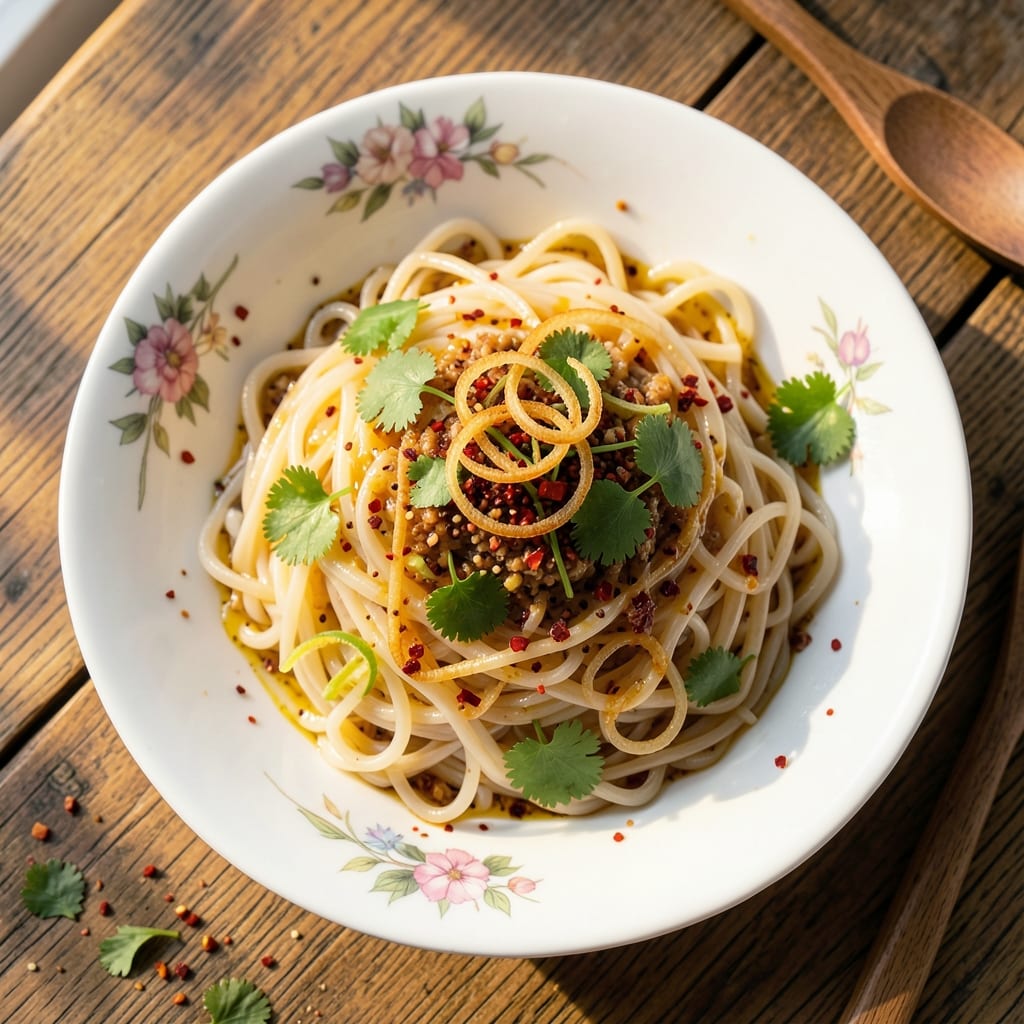
This Asian rice noodle side dish recipe delivers a bold umami crunch with fragrant chili-lime zing that transforms simple rice noodles into a restaurant-worthy centerpiece. The secret lies in a perfect balance of textures—crispy shallots, tender noodles, and a sticky-sauce coating that packs layers of flavor without overwhelming. I developed this after years of experimenting with wok-tossed dishes, and it never fails to impress even when served alongside protein-heavy meals.
The magic happens in the sauce: a simple blend of soy sauce, lime juice, and chili flakes creates that signature Asian tang while keeping prep under 15 minutes. Unlike many rice noodle dishes that rely on heavy sauces, this version stays light yet flavorful, with just enough heat to linger. The key technique is high-heat wok tossing—this ensures the noodles stay separate and absorb the sauce perfectly without turning mushy.
What you’ll end up with is a dish that’s visually striking—golden noodles glistening with sauce, crispy shallots adding texture, and fresh herbs for brightness. It’s the kind of side that elevates any meal, whether paired with grilled meats, roasted vegetables, or served as a light lunch. The best part? It’s flexible enough to handle last-minute adjustments while delivering consistent results every time.
Perfect for weeknight dinners or meal prep, this recipe scales effortlessly and keeps well in the fridge for up to 3 days. The flavors actually deepen as the noodles absorb more of the zesty sauce, making it even more satisfying the next day. Let’s get started—your taste buds (and dinner table) will thank you.
Ingredients for asian rice noodle side dish
These vibrant ingredients transform simple rice noodles into a restaurant-quality side dish bursting with umami crunch and zesty lime flavor.
| Ingredient | Amount | Notes |
|---|---|---|
| Rice Noodles 🍜 | 8 oz | Stir-fry or rice noodle variety |
| Shallots 🧅 | 3 whole | Thinly sliced for crispiness |
| Fresh Lime Juice 🍋 | ¼ cup | From 2-3 limes, freshly squeezed |
| Red Chili Flakes 🌶️ | 2 tsp | Adjust for preferred heat level |
| Low-Sodium Soy Sauce 🍶 | ½ cup | Kikkoman preferred for balance |
| Sesame Oil 🫒 | 1 tbsp | Toasted, for aromatic finish |
| Vegetable Oil 🫒 | 2 tbsp | High smoke point for wok tossing |
| Fresh Cilantro 🌿 | ¼ cup | Chopped, for vibrant garnish |
| Garlic Cloves 🧄 | 3 cloves | Minced, for aromatic depth |
| Green Onions 🧅 | 3 whole | Sliced, for fresh crunch |
| Sesame Seeds 🌰 | 1 tsp | Toasted, for nutty crunch |
| Salt 🧂 | ½ tsp | Diamond Crystal preferred |
| Black Pepper 🌶️ | ¼ tsp | Freshly ground for warmth |
| Honey 🍯 | 1 tsp | For subtle sweet contrast |
The rice noodles are the star—stir-fry variety holds its shape best during high-heat tossing. Trader Joe's carries excellent pre-packaged options if you're short on time, but the bulk bins at Asian markets offer the freshest selection. Look for noodles labeled 'rice vermicelli' or 'stir-fry noodles'—they're thinner and cook faster. The shallots? Thinly sliced is key for that perfect crispy texture. I always grab extra at the market—they add so much depth when lightly fried. For the garlic, freshly minced makes all the difference compared to jarred minced garlic.
No fresh lime juice? Bottled lime juice works in a pinch, but the flavor won't be as bright. Running low on sesame oil? Avocado oil at half the amount mimics the neutral base, though you'll miss the nutty aroma. The soy sauce is non-negotiable—low-sodium versions prevent overpowering the delicate noodles. For extra heat, add more chili flakes or a dash of sriracha. The cilantro can be swapped for basil if you prefer a sweeter note, but fresh herbs are essential for that restaurant-quality finish. Prefer your noodles less sticky? Reduce the soy sauce by 1 tbsp—the balance is all about personal preference.
This dish reheats beautifully—microwave with a splash of water to revive crispiness. Keeps in the fridge for 3 days in an airtight container, though the noodles do get slightly softer. For meal prep, store components separately: sauce, noodles, and toppings. Toss everything together when ready to eat. The flavors actually improve overnight as the noodles absorb more sauce. Freezing isn't recommended as the texture changes, but you can freeze the sauce separately for up to 3 months. Always taste before serving—adjust salt or lime as needed.
Why You'll Love This Recipe
- No-Soaking Needed: I just toss dried rice noodles in boiling water for 3 minutes—no measuring cups, no guesswork. Honestly, that’s half the battle won before you even start.
- Zingy Balance: The lime juice cuts through the richness of the soy sauce while the chili flakes add just enough heat to make every bite interesting. Between us, that crisp shallot crunch at the end? Chef’s kiss.
- Meal Prep MVP: I make a big batch on Sundays and keep it in the fridge for days—it reheats like a dream and pairs with anything from grilled chicken to takeout leftovers. (Yes, even on a Tuesday night.)
- Pocketbook Hero: Shallots, lime, and a bag of rice noodles? We’re talking under $5 for enough to feed four. Plus, the soy sauce stretches further than you’d think when you’re stretching your budget.
Step-by-step instructions for wok-tossed umami crunch with fragrant chili-lime zing
Here's how to create a vibrant, restaurant-quality rice noodle side dish that balances crispy textures with bright, zesty flavors.
Prepare the Rice Noodles for Maximum Texture
Rinse the 8 oz rice noodles under cold water until the water runs clear—this removes excess starch that would make them gummy. Soak them in a bowl of warm water for 10-12 minutes until pliable but still slightly firm to the touch. They should be tender but not mushy, as they'll continue cooking in the wok.
Drain thoroughly and toss with 1 tablespoon sesame oil to prevent sticking. This step is crucial—the right texture ensures your noodles stay separate and crispy during the wok toss. If you over-soak, they'll turn to mush; if under-soaked, they'll be chewy. Aim for that perfect al dente bite.
Build the Umami-Packed Aromatic Base
Heat 2 tablespoons vegetable oil in a wok or large skillet over medium-high heat until shimmering. Add the 3 whole shallots and 3 cloves garlic, stirring constantly for 2-3 minutes until the shallots turn golden and fragrant. This is where the magic happens—the shallots should caramelize slightly but not burn.
Add the 2 teaspoons red chili flakes and stir for 30 seconds to toast them briefly—this deepens their flavor. Immediately pour in the 0.5 cup low-sodium soy sauce and 1 teaspoon honey, scraping up any browned bits from the bottom of the pan. These bits are packed with flavor, so don't miss them. Let the mixture simmer for 1 minute until slightly reduced.
Wok-Toss for Perfect Texture and Flavor Fusion
Add the drained rice noodles to the wok and toss vigorously for 2-3 minutes until they're evenly coated and begin to crisp slightly at the edges. The noodles should absorb the sauce while maintaining their individual shape—this is where your technique matters most. If they stick, add a splash of water to loosen them.
Stir in the 0.25 cup fresh lime juice and 0.25 cup fresh cilantro, tossing for another 30 seconds until everything is bright and evenly distributed. The lime juice will cut through the richness of the soy sauce, creating that signature tangy contrast. Taste and adjust seasoning with 0.5 teaspoon salt and 0.25 teaspoon black pepper if needed.
Finish with Crunchy Garnishes
Transfer the noodles to a serving platter and immediately sprinkle with 1 teaspoon toasted sesame seeds and the 3 whole green onions, sliced into ¼-inch pieces. The sesame seeds add a nutty crunch, while the green onions provide a fresh, crisp contrast. Serve immediately while the noodles are still warm and the flavors are vibrant.
This dish works perfectly as a side for grilled proteins or as a light main course. The balance of umami from the soy sauce, heat from the chili flakes, and brightness from the lime juice makes it irresistibly flavorful. Don't let it sit too long—rice noodles lose their texture quickly once off the heat.
Pro Tips For Making Asian Rice Noodle Side Dish
- SOAK NOODLES CORRECTLY: Rice noodles turn to mush if you over-soak them—just cover with hot (not boiling) water for 5-7 minutes until pliable, then drain and rinse with cold water to stop cooking. I used to boil them like pasta, and they’d fall apart by the time I got to the sauce.
- MINCE SHALLOTS FINE: Tiny shallot pieces disappear when stir-frying, so chop them into a paste with a knife or pulse them briefly in a food processor. This ensures they actually flavor the dish instead of hiding in the background—no one wants bland noodles.
- TEMPER THE SOY SAUCE: Bloom the low-sodium soy sauce in a hot pan for 30 seconds before adding other ingredients—it deepens the flavor and cuts through the noodles’ starchiness. Skipping this step leaves the sauce tasting flat, like someone forgot to season it.
- BALANCE THE LIME LAST: Add fresh lime juice at the very end and taste immediately—rice noodles absorb acid, so what seems perfect now might turn sour later. A squeeze of lime brightens the dish, but overdoing it turns it into a sad, tangy mess.
Dietary considerations for asian rice noodle side dish
Gluten-Free Adaptations
This recipe is naturally gluten-free if you use certified gluten-free soy sauce like Kikkoman Gluten-Free Tamari. Regular soy sauce often contains wheat, so always check labels. The rice noodles themselves are typically gluten-free, but verify the package—brands like Rice Noodle Co. or Thai Kitchen offer safe options. For extra caution, I recommend toasting your noodles in a dry skillet for 1-2 minutes before soaking to eliminate any potential cross-contamination from shared kitchen tools. 🌱
Low-Carb Options
To make this dish lower in carbs, swap the rice noodles for shirataki noodles (made from konjac yam) or zucchini noodles. Shirataki noodles require thorough rinsing and parboiling to remove excess sodium, while zucchini noodles add a fresh, slightly sweet contrast. Reduce the soy sauce to 0.3 cups and boost the lime juice to 0.35 cups to compensate for the lighter texture. The dish will be lighter but still packed with umami and zing.
Vegan-Friendly
This recipe is already vegan, but a few tweaks ensure maximum flavor. Use vegan sesame oil (some brands contain fish oil) and confirm your soy sauce is vegan—most are, but San-J Tamari is a reliable choice. For extra richness, stir in 1 tablespoon nutritional yeast when tossing the noodles. The dish maintains its bright, tangy profile while being completely plant-based. I’ve served this at vegan potlucks, and it’s always a crowd-pleaser.
Allergen Awareness
Watch for sesame allergies—this recipe includes sesame oil and seeds. For a sesame-free version, replace the oil with avocado oil and omit the seeds, though you’ll lose some nutty depth. If someone has a soy allergy, substitute the soy sauce with coconut aminos (use 0.4 cups for similar saltiness) and ensure all ingredients are certified soy-free. Always double-check labels, as cross-contamination is a risk in shared kitchens or restaurants.
Nut-Free Adjustments
The sesame seeds provide crunch, but they’re technically a seed—not a nut. If avoiding all seeds, skip the sesame seeds and garnish with extra green onions or crispy fried shallots (reserve some from Step 2). For a different texture, add toasted pumpkin seeds (pepitas) instead. These adjustments keep the dish safe for nut-free diets while maintaining the same vibrant, crunchy finish.
Kid-Friendly Tweaks
Mild the heat by reducing the red chili flakes to 1 teaspoon and adding ½ teaspoon honey to balance flavors. Let kids customize their bowls with shredded carrots or mandarin orange segments for color and sweetness. Serve the noodles slightly cooler (toss with 2 tablespoons cold water at the end) to make them easier to eat. I’ve found this version works well for picky eaters who might otherwise avoid spicy dishes. 💛
Nutrition facts
Frequently asked questions
Can I use dried rice noodles instead of fresh?
Yes! Dried rice noodles work perfectly—just soak them in warm water for 12-15 minutes (or follow package instructions) until pliable but still firm. Drain well and toss with 1 tbsp sesame oil before cooking to prevent sticking. The texture will be slightly firmer than fresh, but the wok-tossing technique ensures they absorb the sauce beautifully.
How do I prevent my rice noodles from turning mushy?
Over-soaking is the #1 culprit! Soak noodles just until tender (10-12 minutes for fresh, 12-15 minutes for dried) and drain immediately. Toss with 1 tbsp sesame oil while still damp to create a protective barrier. Use high heat for wok-tossing (medium-high to high) and avoid adding extra water—let the sauce's natural moisture work with the noodles.
What's the best way to make this dish spicier?
Double the red chili flakes to 4 tsp and add 1 tbsp sriracha or 1 tsp sambal oelek when tossing the noodles. For heat lovers, stir in ½ tsp cayenne pepper with the garlic. Balance with extra lime juice (0.35 cups) to keep the flavors bright. Always taste as you go—spice builds with each toss!
Can I make this ahead of time?
Store cooked noodles in an airtight container for up to 3 days—flavors actually deepen overnight. Reheat gently with a splash of water (microwave 30 seconds) and toss with fresh herbs. For best texture, prepare the sauce separately and combine just before serving. The noodles will soften slightly but stay delicious.
What proteins pair well with this dish?
Grilled shrimp, chicken satay, or tofu work beautifully. For a vegetarian option, serve with crispy baked tofu or marinated mushrooms**. The umami in the noodles complements smoky grilled meats perfectly, while lighter proteins keep the dish balanced. Double the recipe if using as a main—it's hearty enough!