
Main Courses
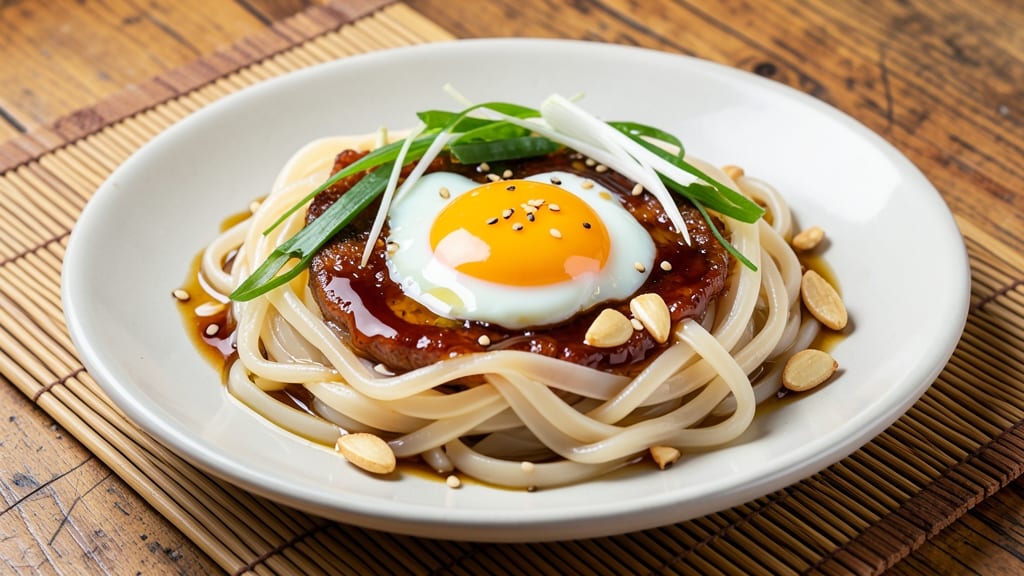
Mastering Chinese flat rice noodles transforms simple ingredients into a crisp-tender dish with eggy protein that balances perfectly. This recipe delivers the authentic texture and flavor of stir-fried noodles, where the edges stay crisp while the centers remain tender—just like your favorite takeout, but made at home.
The secret lies in proper soaking and high-heat stir-frying to achieve that signature bite.
What sets this dish apart is its versatility—whether you're serving it as a light lunch or a hearty dinner, the combination of savory egg and aromatic seasonings creates a satisfying meal. No special equipment is needed, just a wok or large skillet and a few pantry staples.
The result? A restaurant-quality dish that’s ready in under 20 minutes, making it perfect for weeknight dinners or meal prep.
Ingredients for chinese flat rice noodles
These 12 ingredients transform simple stir-fry into crisp-tender Chinese flat noodles with perfect eggy protein balance.
| Ingredient | Amount | Notes |
|---|---|---|
| Flat Rice Noodles 🍜 | 8 oz | Dried, square-shaped, Asian-style |
| Large Eggs 🥚 | 4 whole | Freshly beaten, room temperature |
| Vegetable Oil 🫒 | ½ cup | High smoke point for stir-frying |
| Green Onions 🧅 | ½ cup | Thinly sliced, white and green parts |
| Garlic Cloves 🧄 | 4 cloves | Minced finely for aromatic base |
| Sesame Oil 🫒 | 1 tbsp | Toasted, for finishing aroma |
| Soy Sauce 🍶 | 3 tbsp | Light or all-purpose variety |
| Oyster Sauce 🍶 | 1 tbsp | For umami depth (vegetarian sub: mushroom sauce) |
| White Pepper 🌶️ | ½ tsp | Freshly ground for subtle heat |
| Salt 🧂 | ½ tsp | Kosher or sea salt |
| Sesame Seeds 🌰 | 1 tbsp | Toasted lightly for garnish |
| Cornstarch 🌾 | 1 tbsp | For crisp-tender noodle texture |
The flat rice noodles are the star—Asian markets carry the best varieties, but H Mart or 99 Ranch have reliable brands like Kinako. Look for packages labeled 'square' or 'wide'—they're the right shape for crisp edges. Soak them in warm water for 10-15 minutes until pliable but still slightly firm. I always buy extra because they disappear fast. The eggs? Room temperature is key—they'll scramble more evenly. Grab the largest eggs you can find; they yield better texture when stir-fried.
No oyster sauce? Mushroom sauce or soy sauce with a pinch of sugar works in a pinch. Fresh garlic is non-negotiable here—jarred minced loses its punch. The sesame oil needs to be toasted (heat it in a dry pan for 30 seconds), not the cheap stuff from the regular grocery aisle. For the cornstarch, Bob's Red Mill is my go-to, but any brand works. The green onions can be swapped for scallions if that's what's available, but the white parts add extra flavor. Want more heat? Add a dash of Sichuan peppercorns when frying the eggs.
Noodles soak best in warm water, not boiling—keeps them from getting mushy. Store dry noodles in a cool, dark place for up to 6 months; once soaked, use within 2 days. The sesame seeds toast beautifully in a dry pan for 30 seconds—keep them warm until serving. This dish reheats surprisingly well; just add a splash of water and stir-fry again. Leftovers? Toss them in a container and they'll keep for 3 days in the fridge.
Why You'll Love This Recipe
- No-Fuss Assembly: I swear by this—just boil the flat rice noodles, scramble a couple of eggs in the same pan, and toss in the garlic and green onions. Five minutes, tops. Honestly, the hardest part is deciding whether to add extra oil for crispiness or keep it light.
- Garlic-Green Onion Magic: That first bite of the noodles with the fragrant garlic and bright green onions? It’s like a flavor punch. The eggs add richness, but the herbs keep it fresh—perfect for when you want something satisfying without feeling heavy.
- Lunchbox Hero: I make a big batch on Sundays and portion it into containers. Cold or warm, it’s a hit—my kids take it to school, and my partner packs it for work. The noodles hold up well, and the eggs stay creamy even after a day.
- Budget Win: Flat rice noodles are cheap, eggs stretch far, and a little oil goes a long way. I’ve fed four people for under $5 with this, and it still feels like a restaurant dish. Between us, it’s my go-to when groceries are tight but I refuse to skimp on flavor.
Step-by-step instructions for Chinese flat rice noodles
Here's how to achieve that perfect crisp-tender texture with silky egg ribbons and umami-packed sauce.
Prepare the Noodles for Perfect Texture
Soak the 8 oz flat rice noodles in warm water for 10-12 minutes until pliable but still holding their shape. I like to test them by pressing between fingers - they should feel soft but not mushy. Drain immediately and toss with 1 tablespoon cornstarch while still damp. This creates a light coating that prevents sticking and helps achieve that signature crisp-tender texture when stir-fried.
While the noodles soak, beat the 4 whole large eggs in a bowl until frothy. Add 0.5 teaspoon salt and 0.5 teaspoon white pepper, mixing just until combined. Room temperature eggs scramble more evenly, so let them sit at room temperature for 5 minutes before cooking. This step ensures silky egg ribbons that perfectly complement the noodles.
Create the Flavor Base
Heat 0.5 cup vegetable oil in a wok or large skillet over medium-high heat until shimmering. Add the 4 cloves minced garlic and 0.5 cup thinly sliced green onions, stirring constantly for 30 seconds until fragrant but not browned. The garlic should smell pungent and the onions just wilted - this builds the aromatic foundation.
Push the aromatics to one side of the wok and pour in the beaten egg mixture. Let it sit undisturbed for 10 seconds before gently scrambling with a spatula. You want soft, silky curds rather than firm scrambled eggs. Once mostly set, remove the egg from the wok and set aside, leaving the rendered oil behind for cooking the noodles.
Stir-Fry the Noodles to Crisp-Tender Perfection
Return the wok to medium-high heat and add the cornstarch-coated noodles. Stir-fry vigorously for 2-3 minutes until the noodles begin to crisp at the edges but remain tender in the center. The key is constant movement - keep the noodles in motion so they develop even browning while staying flexible.
Pour in 3 tablespoons soy sauce and 1 tablespoon oyster sauce, tossing to coat the noodles completely. The sauce should cling to every strand, creating that glossy finish. Cook for another 30 seconds until the noodles are fully coated and the sauce begins to reduce slightly.
Finish with Aromatics and Garnish
Return the scrambled egg to the wok and gently toss everything together. Drizzle with 1 tablespoon toasted sesame oil and sprinkle with 1 tablespoon toasted sesame seeds. The sesame oil adds that signature nutty aroma while the seeds provide texture contrast. Taste and adjust seasoning if needed - you might want to add a splash more soy sauce for saltiness.
Serve immediately while the noodles are still crisp-tender and the eggs are warm. The dish should have a balance of textures - crisp edges on the noodles, silky egg ribbons, and the slight crunch from sesame seeds. Each bite should deliver that perfect combination of umami from the oyster sauce, savory soy notes, and subtle garlic aroma.
Pro Tips For Making Chinese Flat Rice Noodles
- Soak Noodles Separately: Flat rice noodles clump like glue when cooked together. Split them into two batches—one for the egg scramble, one for the pan-fry—and soak each in warm water (not boiling) for exactly 3-4 minutes. They’ll stay distinct, not mushy, and slide under your spatula like they’re supposed to.
- Scramble Eggs Low: I used to blast those eggs on high heat, and they’d turn rubbery before the noodles were ready. Instead, cook them on medium-low with a splash of water (yes, really) to keep them creamy. Pull them off just before they’re fully set—they’ll finish in the wok with the noodles.
- Mince Garlic Fine: Big garlic chunks burn before the noodles crisp. Pulse it in a food processor for 2-3 seconds—just until it’s a paste, not a powder. This guarantees even cooking and a deep flavor without waiting for chunks to soften. (Pro move: Add a pinch of salt to the garlic while mincing to mellow its bite.)
- Fry Noodles in Batches: A crowded wok steams the noodles instead of crisping them. Work in two heaps: fry the first half until golden, then push to one side, add oil, and repeat. The second batch will finish faster, and you’ll end up with edges that actually crunch. (Skip the crowding—your future self will hate soggy noodles.)
Regional styles of this recipe
Guilin Cold Noodles
This Guangxi specialty features chilled noodles served with a vibrant chili oil sauce and tender pork or tofu. Unlike stir-fried versions, these noodles are soaked until completely soft, then tossed with a cold sauce made from chili bean paste, vinegar, and sesame oil.
I love adding thinly sliced pork shoulder or silken tofu for texture. Serve with pickled vegetables on the side for crunch. 🌶️
Sichuan Spicy Stir-Fry
For a fiery kick, this version incorporates Sichuan peppercorns and dried chili peppers into the oil before cooking. The noodles get tossed with fermented black beans and bok choy for extra depth.
I use Lao Gan Ma chili crisp as a finishing touch—just sprinkle 1 teaspoon over each serving. The peppercorns add a numbing heat that balances the spice perfectly. 🔥
Cantonese Egg Noodles
This Hong Kong-style dish swaps the stir-fry for a lighter, broth-based approach. The noodles are parboiled until just tender, then served in a delicate egg-based broth with shredded chicken or shrimp. Top with crispy fried shallots and a drizzle of light soy sauce.
The key is using chicken stock instead of water for the broth, and finishing with a splash of Shaoxing wine. 🍜
Taiwanese Braised Noodles
In Taiwan, these noodles are slow-braised in a rich sauce with pork belly and shiitake mushrooms. The sauce includes dark soy sauce for color and depth, plus a touch of sugar to balance the saltiness.
I simmer the noodles in the sauce for 20-30 minutes until they absorb the flavors completely. Garnish with cilantro and serve with a side of pickled mustard greens. 🌟
Vegetarian Buddhist Style
For a meat-free version, replace the egg with silken tofu and use mushroom sauce instead of oyster sauce. Add shredded carrots, bamboo shoots, and water chestnuts for texture.
I like finishing with toasted sesame paste and a sprinkle of scallions. This version keeps all the umami while being completely plant-based. 💛
Nutrition facts
Frequently asked questions
How do I know when flat rice noodles are properly soaked?
Test them by pressing between your fingers—they should feel soft and pliable but still hold their shape. Over-soaking (beyond 12 minutes) makes them mushy. The ideal texture is like well-cooked pasta that's still slightly firm. Drain immediately after soaking to prevent this.
Can I substitute the egg with another protein?
Yes! For vegetarian versions, use silken tofu (crumbled) or shredded chicken cooked separately. The protein should be soft and tender to match the noodles' texture. If using tofu, press it first to remove excess water and pan-fry until lightly crispy.
Why did my noodles turn out mushy instead of crisp-tender?
This usually happens from over-soaking or low heat when stir-frying. Always soak in warm water (not boiling) for 10-12 minutes max, and use medium-high heat when cooking. Toss with 1 tbsp cornstarch after draining to create that signature crisp edge.
What's the best way to store leftover noodles?
Let them cool completely, then store in an airtight container for up to 3 days in the fridge. To reheat, add a splash of water and stir-fry for 2-3 minutes over medium heat. Avoid microwaving—they'll turn soggy.
Can I make this dish gluten-free?
Just ensure your flat rice noodles are certified gluten-free (check labels) and use tamari instead of soy sauce. The recipe's core technique remains the same—focus on the high-heat stir-fry for that perfect texture.