Main Courses
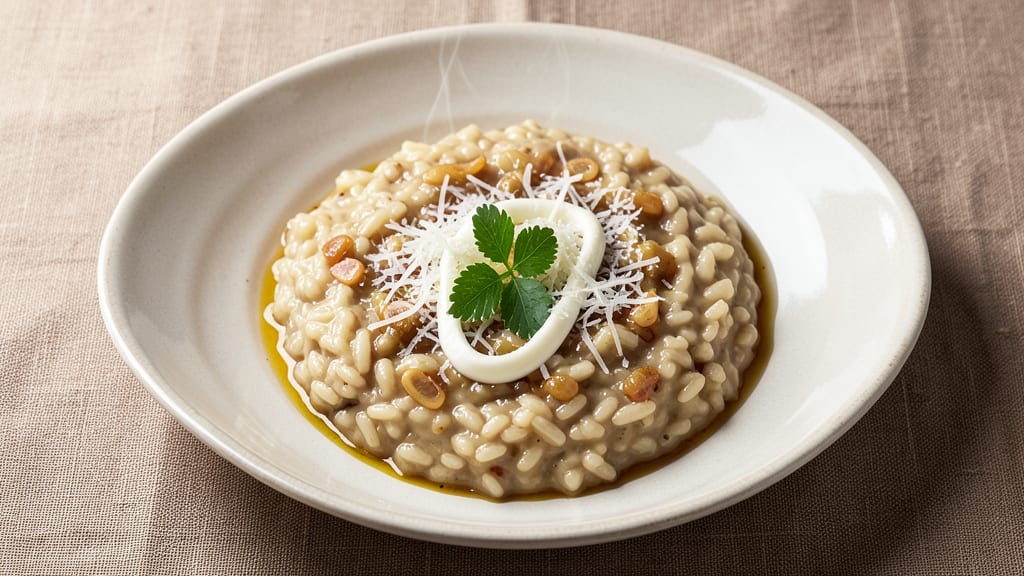
Carnaroli rice risotto delivers the creamy, velvety texture Italian restaurants perfect—thanks to its unique starch content that absorbs broth while staying al dente. The secret lies in toasting the rice first, then gradually adding warm broth while stirring constantly.
This technique transforms simple ingredients into a luxurious dish with layers of buttery richness and nutty depth.
What sets Carnaroli apart is its ability to create a signature creamy yet firm finish, unlike other risotto varieties that turn mushy. By following classic Italian methods—deglazing with white wine, using homemade broth, and finishing with butter and cheese—you'll achieve restaurant-quality results at home.
The final touch of Parmesan and fresh herbs elevates every bite into something truly special.
Ingredients for carnaroli rice risotto
These premium ingredients deliver restaurant-quality Carnaroli risotto with velvety texture and nutty depth.
| Ingredient | Amount | Notes |
|---|---|---|
| Carnaroli Rice 🍚 | 1 ½ cups | Unrinsed, high-quality Carnaroli preferred |
| Vegetable Broth 💧 | 6 cups | Homemade or high-quality store-bought |
| Dry White Wine 🍷 | ½ cup | Sauvignon Blanc or Pinot Grigio preferred |
| Unsalted Butter 🧈 | ¾ cup | European-style preferred, cut into pieces |
| Parmesan Cheese 🧀 | 1 cup | Freshly grated, high-quality Parmigiano-Reggiano |
| Shallots 🧅 | 2 whole | Minced, about 2 tbsp total |
| Garlic Cloves 🧄 | 4 cloves | Minced, about 1 tsp total |
| Fresh Thyme 🌿 | ¼ cup | Leaves only, chopped |
| Extra-Virgin Olive Oil 🫒 | 2 tbsp | For initial toasting |
| Salt 🧂 | 1 ½ tsp | Diamond Crystal kosher salt preferred |
| Black Pepper 🌶️ | ½ tsp | Freshly ground preferred |
| Fresh Lemon Juice 🍋 | 1 tbsp | Bright, freshly squeezed |
Carnaroli rice is the cornerstone—its high starch content creates that signature creamy finish without turning mushy. Look for it in Italian specialty stores or well-stocked grocery chains like Whole Foods, where it's typically sold in 16-ounce bags. The Parmesan should be real Parmigiano-Reggiano, not the pre-grated stuff—grate it yourself for maximum flavor. For the broth, homemade is ideal, but store-bought like Pacific Foods or Imagine brands work in a pinch. The butter matters too—European-style has higher fat content, which is crucial for that luxurious mouthfeel.
No white wine? Dry vermouth at half the amount works surprisingly well. Substituting vegetable broth? Ensure it's unsalted—you'll add all the seasoning yourself. The shallots and garlic can be swapped for 3 tbsp finely chopped yellow onion if needed. Fresh thyme is ideal, but dried thyme at one-third the amount gets you close. For the olive oil, avoid light or refined oils—you want something with good fruity notes. The lemon juice brightens everything at the end, so don't skip it—bottled juice lacks freshness.
Store any unused rice in an airtight container for up to 6 months—it keeps remarkably well. The Parmesan wedge should be wrapped in parchment and foil for weeks of freshness. This risotto reheats beautifully—just add a splash of broth and warm through gently. For meal prep, cook it al dente and finish with butter and cheese just before serving. The texture changes dramatically when reheated, so plan to serve it fresh whenever possible for that authentic restaurant experience.
Why You'll Love This Recipe
- No Fuss, Big Payoff: I swear by Carnaroli rice—it’s the only risotto that actually works first try. No constant stirring, no burnt bits, just that perfect al dente texture every time. Toss in a splash of white wine and let the broth do the work while you sip your coffee.
- Creamy Without the Guilt: That velvety finish? Pure butter and Parmesan magic. The wine cuts through the richness, and the broth keeps it light—no heavy cream needed. Honestly, it’s the kind of dish that tastes indulgent but won’t weigh you down.
- Weeknight to Dinner Party: Make a big batch on Sunday, and you’ve got leftovers for three meals. Or impress guests with the same recipe—just add mushrooms or shrimp if you’re feeling fancy. Between us, my "quick" risotto is now my go-to for both lazy nights and hosting.
- Budget-Friendly Luxury: Carnaroli rice costs more upfront, but one bag stretches across multiple risottos. Use vegetable broth to save cash, and a little Parmesan goes a long way when grated fresh. It’s the only "splurge" that actually pays off in flavor.
Step-by-step instructions for perfect Carnaroli risotto
Master this technique and you'll achieve restaurant-quality risotto with creamy texture and toasted rice grains.
Toast the Rice and Aromatics
Heat the 2 tablespoons extra-virgin olive oil in a heavy-bottomed pot over medium heat. Add the 2 whole minced shallots and cook for 3-4 minutes until softened and translucent but not browned. This step builds flavor without burning the delicate aromatics.
Add the 1.5 cups unrinsed Carnaroli rice and stir for 2 minutes until the grains become translucent at the edges. This toasting develops the rice's natural starches, creating that signature al dente texture. You'll notice the rice begins to release its starch—this is exactly what we want for our creamy finish.
Deglaze and Simmer with Wine
Pour in the 0.5 cup dry white wine and stir constantly until fully absorbed. The wine should disappear completely—this typically takes about 2-3 minutes. The alcohol content helps break down the rice's exterior, allowing it to absorb more liquid later.
Begin adding the 6 cups vegetable broth one ladle at a time, stirring frequently. Each addition should be absorbed before adding the next—this gradual process creates the creamy texture. The risotto should simmer gently between additions, maintaining a gentle bubble without boiling vigorously. This method ensures even cooking and prevents mushy rice.
Cook to Al Dente Perfection
Continue adding broth and stirring every 2-3 minutes until the rice is al dente (about 18-20 minutes total cooking time). The grains should be tender but still offer slight resistance when bitten. You'll know it's ready when the rice has absorbed most of the liquid but still has a slight bite.
During the final 5 minutes, reduce the heat to low to prevent overcooking. The residual heat will continue cooking the rice while you prepare the finishing touches. This low-and-slow phase is crucial for achieving that perfect creamy consistency without turning the rice mushy.
Finish with Butter and Cheese
Remove the pot from heat and stir in the 0.75 cup unsalted butter and 1 cup freshly grated Parmesan cheese until fully melted and incorporated. The butter adds richness while the cheese provides that signature umami depth. You should hear a slight sizzle as the butter melts into the hot rice.
Add the 0.25 cup chopped fresh thyme, 1.5 teaspoons salt, 0.5 teaspoon black pepper, and 1 tablespoon fresh lemon juice. The lemon juice brightens the dish while balancing the richness. Taste and adjust seasoning—this is where you fine-tune the balance of flavors. The risotto should be creamy but not watery, with distinct rice grains visible.
Rest and Serve Immediately
Cover the pot and let the risotto rest for 2-3 minutes to allow the flavors to meld. This brief resting period is essential—it lets the starches set properly, creating that perfect creamy texture without making the rice gummy. The risotto should hold its shape when served but still be luxuriously creamy.
Serve immediately in warm bowls, garnished with additional Parmesan and fresh thyme. The risotto should be thick enough to coat the back of a spoon but still have that satisfying bite. Each grain should be distinct yet coated in a velvety sauce, demonstrating the perfect balance of technique and ingredients.
Pro Tips For Making Carnaroli Rice Risotto
- Toast the Rice First: I used to skip this, but toasting Carnaroli until it’s just translucent at the edges (about 2-3 minutes) builds the starch that makes risotto creamy. Skip it, and you’ll end up with mushy rice—no matter how much broth you add.
- Use Cold Broth: Hot broth cooks the rice too fast and turns it gluey. Keep your vegetable broth cold until the very end, then add it ladle by ladle—this keeps the grains intact and lets you control the texture. (Yes, even if you’re impatient like me.)
- Salt the Broth Early: Wait until the broth is salty before it touches the rice, or you’ll end up with bland, watery results. Taste it first—it should be way saltier than you’d eat it plain, because the butter and Parmesan will balance it out later.
- Finish with Butter and Cheese: This isn’t just for flavor—it’s the only way to get that signature creamy, velvety texture. Off the heat, stir in a knob of cold butter and a generous handful of grated Parmesan. The fat coats the rice, and the cheese melts into it. (No shortcut here—this is the thing that matters most.)
Regional styles of these flavors
Classic Milanese Risotto
This is the traditional version from Lombardy, where Carnaroli rice originated. The key here is using saffron—about ½ teaspoon dissolved in ¼ cup warm broth—for its signature golden hue and floral aroma.
I like to add ½ cup finely chopped pancetta during the toasting phase to deepen the savory notes. The dish is finished with Parmigiano-Reggiano and a touch of white truffle oil—just ½ teaspoon—for that authentic Milanese touch. 🌟
Venetian Seafood Style
In Venice, they elevate Carnaroli risotto with fresh seafood. Start by sautéing ½ cup chopped calamari and ½ cup shrimp in olive oil until just opaque, then set aside. After the wine deglazing, add these back along with ½ cup clams (juices included) and cook until they open.
Finish with lemon zest and chopped parsley instead of thyme. The briny seafood cuts through the creaminess beautifully.
Piedmontese Truffle Version
For a luxurious twist, incorporate black truffle into the risotto. After the initial toasting, add 1 tbsp truffle oil along with the broth. In the final step, fold in 1 oz finely chopped black truffle (or 1 tsp truffle paste if fresh isn't available).
The earthy aroma transforms this into a dish fit for a Piedmontese feast. Pair it with Barolo wine for an authentic experience. 🍷
Ligurian Lemon Risotto
This coastal variation from Liguria brightens the dish with zest and acidity. After the wine deglazing, stir in 1 tbsp lemon zest along with the broth. Finish with an extra 1 tbsp fresh lemon juice and chopped basil instead of thyme.
The citrus notes make this a refreshing spring or summer option. I often serve it with grilled branzino for a complete Ligurian meal.
Emilian Mushroom Risotto
In Emilia-Romagna, wild mushrooms take center stage. Sauté 1 cup chopped porcini and ½ cup cremini in olive oil until golden before adding the rice. Deglaze with ½ cup dry white wine, then proceed with the broth.
Finish with Parmigiano-Reggiano and a sprinkle of fresh parsley. The umami from the mushrooms makes this a hearty, satisfying dish perfect for autumn. 🍄
Nutrition facts
Frequently asked questions
Why does Carnaroli rice work better than Arborio for risotto?
Carnaroli rice has a higher starch content and slightly larger grain size, which creates that signature creamy texture while maintaining a perfect al dente bite. Unlike Arborio, it absorbs liquid more efficiently without turning mushy, making it ideal for restaurant-quality risotto. The grains also stay distinct, giving each bite that satisfying texture contrast.
Can I substitute Arborio rice if I don't have Carnaroli?
Yes, but with adjustments! Use a 1:1 ratio, but add ½ cup extra broth since Arborio absorbs less liquid. Also reduce cooking time by 2-3 minutes to prevent mushiness. For best results, toast the rice longer (up to 3 minutes) to develop more starch. The texture won't be quite as creamy, but it'll still be delicious.
How do I fix risotto that's too dry or too soupy?
For dry risotto, stir in 2-3 tablespoons warm broth and cover for 2 minutes off heat. If too soupy, uncover and cook on medium-high heat, stirring constantly, until excess liquid evaporates. Never add cold liquid—it shocks the rice and creates a gummy texture. The key is to work with the heat already in the pot.
Can I make risotto ahead of time?
Cook it al dente (just before it's fully done), then spread on a baking sheet to cool quickly. Store in an airtight container for up to 2 days. To reheat, add 2 tbsp broth per cup of rice and warm gently on low heat. Finish with fresh butter, cheese, and herbs just before serving—the flavors will be brightest this way.
What's the secret to creamy risotto without heavy cream?
The magic happens through proper technique! Toast the rice thoroughly, stir constantly while adding broth, and finish with cold butter and cheese—this creates an emulsion that makes the risotto naturally creamy. The starch released from the rice during cooking is what thickens the sauce. Never skip the resting time after cooking—it lets the starches set properly.