Main Courses
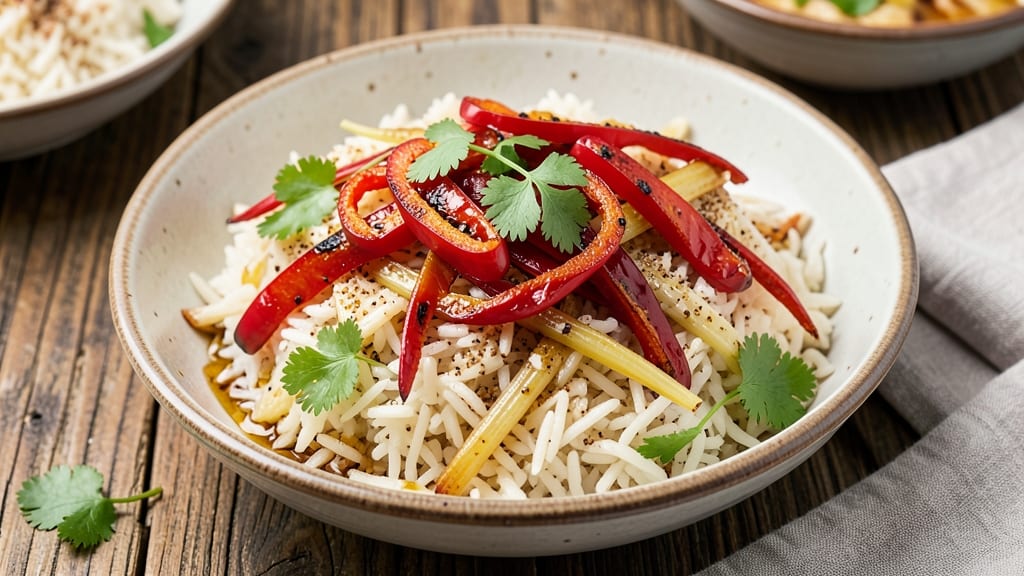
This capsicum rice recipe without onion and garlic delivers bold flavors in just 20 minutes—no compromises, just vibrant wok-fried crunch. The secret lies in asafoetida and celery for depth, while bell peppers and rice create a colorful, satisfying dish that’s perfect for quick weeknight meals or meal prep.
No onion or garlic means this recipe works for those avoiding alliums while still packing serious flavor.
Freshly cooked basmati rice gets tossed with charred bell peppers, aromatic spices, and a touch of soy sauce for umami, creating a dish that’s as nutritious as it is delicious. The capsicum adds natural sweetness and a satisfying crunch, while the spices—cumin, coriander, and turmeric—bring warmth without overpowering.
It’s a complete, balanced meal ready in one pan, with optional garnishes like cilantro or sesame seeds to elevate the presentation.
Ingredients for capsicum rice recipe without onion and garlic
Fresh basmati rice, vibrant bell peppers, and aromatic spices create this flavorful dish without onion or garlic.
| Ingredient | Amount | Notes |
|---|---|---|
| Long-Grain Basmati Rice 🍚 | 1 cup | Uncooked, rinsed thoroughly |
| Red Bell Peppers 🍅 | 2 whole | Medium size, sliced into strips |
| Celery Stalks 🥬 | 2 whole | Thinly sliced, for aromatic base |
| Asafoetida Powder 🌿 | ¼ tsp | For depth, essential for flavor |
| Ground Cumin Seeds 🌶️ | ½ tsp | Toasted for enhanced aroma |
| Ground Coriander Seeds 🌿 | ½ tsp | Freshly ground preferred |
| Turmeric Powder 🧡 | ¼ tsp | Bright yellow, vibrant color |
| Light Soy Sauce 🍶 | 1 ½ tbsp | For umami balance |
| Vegetable Oil 🫒 | 2 tbsp | High smoke point for wok-frying |
| Fresh Cilantro 🌿 | ¼ cup | Chopped, for garnish |
| Toasted Sesame Seeds 🌰 | 1 tsp | For crunchy texture |
| Lemon Juice 🍋 | 1 tbsp | Freshly squeezed |
| Salt 🧂 | ½ tsp | Diamond Crystal preferred |
| Black Pepper 🌶️ | ¼ tsp | Freshly cracked |
The asafoetida is non-negotiable here—it replaces onion and garlic with its deep, savory punch. Whole Foods or Indian specialty stores carry the best quality, but bulk bins at Penzeys work too. For celery, look for stalks with crisp, bright green leaves—they’re fresher and more aromatic. The bell peppers should be firm and glossy; red or yellow add vibrant color, but green works too. Toast your cumin and coriander seeds in a dry pan for 30 seconds before grinding—this enhances their flavor dramatically. If you can’t find whole spices, pre-ground works in a pinch, though freshly toasted is ideal.
No asafoetida? One-quarter teaspoon of onion powder plus one-eighth teaspoon garlic powder can mimic its depth, though it won’t be identical. Swap light soy sauce for tamari or coconut aminos if needed, but soy sauce’s umami is key here. Fresh cilantro is best, but dried oregano at one-third the amount works if you’re out. The sesame seeds can be omitted, but they add a wonderful crunch—toasted in a dry pan for 2 minutes until golden. For extra heat, add a pinch of cayenne or red pepper flakes, but the dish is naturally balanced without it.
Rice keeps best in an airtight container in the fridge for 4-5 days, though it reheats beautifully with a splash of water. The spices lose potency after 3 months, so store them in a cool, dark place. For meal prep, portion the dish into containers with a sprinkle of sesame seeds on top—they’ll stay crisp for up to 2 days. If making ahead, hold off on adding the lemon juice until serving to preserve the cilantro’s freshness. Freeze portions for up to 2 months, but the texture may soften slightly upon thawing.
Why You'll Love This Recipe
- One-Pot Magic: I swear by this recipe when I’m too tired to wash a million bowls—just rice, peppers, celery, and spices all simmering together. The asafoetida powder does the heavy lifting, so you don’t miss the onion or garlic, and the cumin? It transforms everything into something warm and earthy.
- Sweet-Savory Balance: That red bell pepper adds a bright, almost candy-like sweetness while the celery keeps it fresh, not heavy. Honestly, the first time I tasted it, I thought, "Wait, is this supposed to be this good?" The toasted cumin seeds on top? Pure satisfaction.
- Meal Prep MVP: This keeps perfectly for four days in the fridge—better than takeout, honestly. I make a big batch on Sundays, and it’s my go-to for lunches or a quick dinner when I’m running late. (Yes, even on a Tuesday night.)
- Budget-Friendly Staple: Long-grain basmati rice is cheap, bell peppers last ages, and celery stretches across multiple meals. The asafoetida and cumin are tiny amounts but pack a punch—no need to splurge on fancy ingredients. My wallet and my taste buds thank me.
Step-by-step instructions for vibrant wok-fried capsicum rice
This method delivers restaurant-quality texture and flavor using only whole spices and aromatic vegetables.
Prepare the Spice Base and Vegetable Mixture
Heat the 2 tablespoons vegetable oil in a wok or large skillet over medium-high heat until shimmering. Add the 2 whole celery stalks sliced thinly and cook for 2 minutes until just softened but not browned. This builds the aromatic foundation without overcooking.
Add the 0.5 teaspoon toasted ground cumin seeds, 0.5 teaspoon ground coriander seeds, 0.25 teaspoon turmeric powder, and 0.25 teaspoon asafoetida powder. Stir continuously for 30 seconds until the spices release their fragrance—you should smell warm, earthy notes developing immediately. This is where the depth of flavor begins.
Push the spice mixture to one side of the wok and add the 2 whole red bell peppers sliced into strips. Cook for 4-5 minutes until the peppers soften slightly but retain their vibrant color. You want them to stay crisp-tender, not mushy. Season with 0.5 teaspoon salt and 0.25 teaspoon black pepper at this stage to balance the flavors before combining with the rice.
Toast the Rice and Combine Ingredients
Add the 1 cup long-grain basmati rice to the wok, stirring to coat it evenly in the spice-oil mixture. Toast for 2-3 minutes until the rice becomes translucent at the edges and releases a nutty aroma. This step is crucial—it prevents the rice from becoming mushy and develops a subtle toasted flavor.
Pour in 2 cups of water (measured separately) and bring to a gentle boil. Once boiling, reduce heat to medium-low, cover the wok with a tight-fitting lid, and simmer for 12-15 minutes. The rice should absorb all the liquid and become tender but still slightly firm to the bite—this ensures it holds its shape when mixed with the vegetables later.
While the rice cooks, prepare the finishing touches: chop the 0.25 cup fresh cilantro and toast the 1 teaspoon sesame seeds in a dry pan over low heat for 1 minute until fragrant. Keep these separate until the final step.
Finish with Umami and Acid Balance
Once the rice is fully cooked, uncover the wok and let any excess moisture evaporate for 1-2 minutes. Stir in the 1.5 tablespoons light soy sauce and 1 tablespoon lemon juice, mixing well to distribute the flavors evenly. The soy sauce adds umami depth while the lemon brightens the dish, cutting through the richness of the peppers and spices.
Gently fold in the cooked peppers and celery mixture, ensuring each grain of rice is coated with the vibrant vegetable medley. The peppers should remain bright and slightly crisp, adding texture contrast to the tender rice. Taste and adjust seasoning if needed—you may want to add a pinch more salt or a splash of lemon juice for balance.
Garnish and Serve Immediately
Transfer the capsicum rice to a serving platter and sprinkle with the toasted sesame seeds and chopped cilantro. The sesame seeds add a nutty crunch while the cilantro provides a fresh, herbal finish. Serve immediately while the rice is hot—this dish tastes best straight from the wok when the textures are at their peak.
For optimal presentation, arrange the rice in a mound and scatter the peppers and celery on top, allowing the vibrant colors to shine. The contrast between the bright red peppers, green celery, and golden rice creates a visually stunning dish that's as pleasing to the eye as it is to the palate. Pair with a side of yogurt dip or a simple cucumber salad for a complete meal.
Pro Tips For Making Capsicum Rice Recipe Without Onion And Garlic
- CHAR THE CELERY FIRST: I learned this the hard way—if you toss chopped celery into the pan with the peppers, it’ll steam instead of caramelize. Sear the celery in oil for 3-4 minutes until it’s golden and slightly crisp before adding peppers. That extra step makes the whole dish taste deeper, like it’s been simmering for hours.
- USE WARM RICE FOR FLAVOR: Cold rice absorbs flavors like a sponge, but warm rice clings to the asafoetida and cumin better. Cook the rice slightly underdone (just until the liquid’s absorbed), then spread it on a tray to steam for 2 minutes. Mix it into the capsicum sauce while still hot—it’ll soak up the spices like a dream.
- DON’T SKIP THE ASAFOETIDA REST: That tiny pinch of asafoetida is the soul of this dish, but it needs time to bloom. Toast the cumin first, then turn off the heat and sprinkle in the asafoetida powder. Let it sit for 30 seconds—yes, even if you’re impatient—so the aroma infuses the oil before you add anything else. It’s the difference between "meh" and "wow."
- CHOP PEPPERS UNEVENLY: Big, uniform pepper chunks look pretty but stay bland. Cut the red bell peppers into a mix of sizes—some thick slices, some smaller dice—so they cook at different rates. The smaller pieces soften into the rice, while the larger ones stay crisp. It’s lazy prep that actually makes the dish more interesting.
Best sauces and condiments for these flavors
Soy Sauce Variations
Swap light soy sauce for dark soy sauce if you prefer a deeper, caramelized flavor—just use 1 tablespoon instead of 1.5 tablespoons to avoid overpowering the dish. For gluten-free options, tamari or coconut aminos work beautifully, though they may require ½ teaspoon extra salt to match soy sauce’s saltiness.
I’ve tested both and found tamari adds a slightly sweeter umami note that pairs wonderfully with the capsicum’s natural sweetness. 🍶
Spicy Kick Options
Add ½ teaspoon red pepper flakes or 1 teaspoon gochujang for heat lovers—stir them in during the final step with the soy sauce. For a smoky twist, include ¼ teaspoon smoked paprika with the initial spices.
I once added 1 teaspoon sriracha at the end and found it balanced perfectly with the lemon juice’s brightness. Always taste before serving to adjust to your preference.
Tangy Yogurt Drizzle
Mix ¼ cup plain yogurt with 1 teaspoon lemon juice, ½ teaspoon salt, and ½ teaspoon ground cumin for a cooling, creamy drizzle. This adds protein and a refreshing contrast to the wok-fried textures.
I’ve used this as a garnish for Indian-inspired dishes and it elevates the presentation beautifully. Store-bought Greek yogurt works best for its thickness, but plain labneh adds even more depth. 🥛
Sweet-Savory Glaze
Create a quick glaze by simmering 1 tablespoon honey with 1 teaspoon soy sauce and ½ teaspoon rice vinegar for 2 minutes. Drizzle over the finished dish for a caramelized sweetness that complements the capsicum’s natural sugars.
This works especially well if your bell peppers are slightly underripe—it enhances their flavor without overpowering. I’ve used this glaze on stir-fries and it’s become a go-to for adding complexity. 🍯
Herb-Infused Oil
Heat 1 tablespoon vegetable oil with 1 teaspoon chopped cilantro, ½ teaspoon mustard seeds, and ¼ teaspoon turmeric until fragrant (about 30 seconds). Drizzle this over the finished dish for an aromatic finish.
The mustard seeds add a subtle crunch, while the turmeric deepens the color. I’ve used this technique for curries and it brings an extra layer of flavor that’s hard to resist. 🌿
Nutrition facts
Frequently asked questions
Can I use green bell peppers instead of red?
Green bell peppers work perfectly—they're slightly less sweet but add a fresh, grassy note that pairs wonderfully with the spices. Just cook them for 1-2 minutes longer than red peppers since they're firmer. For extra flavor, blister them in the wok for 3-4 minutes until charred in spots before adding to the rice.
What if I don't have asafoetida?
You can substitute with ¼ teaspoon onion powder + ⅛ teaspoon garlic powder for a milder flavor, or skip it entirely and boost the celery and cumin to 1 teaspoon each for more depth. The dish will still be flavorful, though less complex. For a vegetarian alternative, try ½ teaspoon nutritional yeast which adds a cheesy, umami note.
How do I make this dish spicier?
Add ½ teaspoon red pepper flakes or 1 teaspoon gochujang during the final stir with the soy sauce. For smoky heat, include ¼ teaspoon smoked paprika with the initial spices. I recommend starting with ½ teaspoon cayenne if you're new to spice—it adds heat without overpowering the dish's natural sweetness.
Can I prepare this ahead of time?
Yes! Cook the rice and vegetables separately, then combine just before serving to maintain texture. Store components in airtight containers for 4-5 days in the fridge. Reheat gently with a splash of water, then finish with fresh cilantro and sesame seeds. For freezer prep, package the cooked rice and peppers separately—thaw overnight and reheat on low heat to avoid drying.
What other vegetables pair well with this?
Try adding ½ cup diced carrots or ½ cup snap peas with the peppers—they add natural sweetness and crunch. For extra protein, stir in ½ cup cooked chickpeas during the final step. The key is keeping vegetables crisp-tender, so cook them just until bright and slightly al dente.