Main Courses
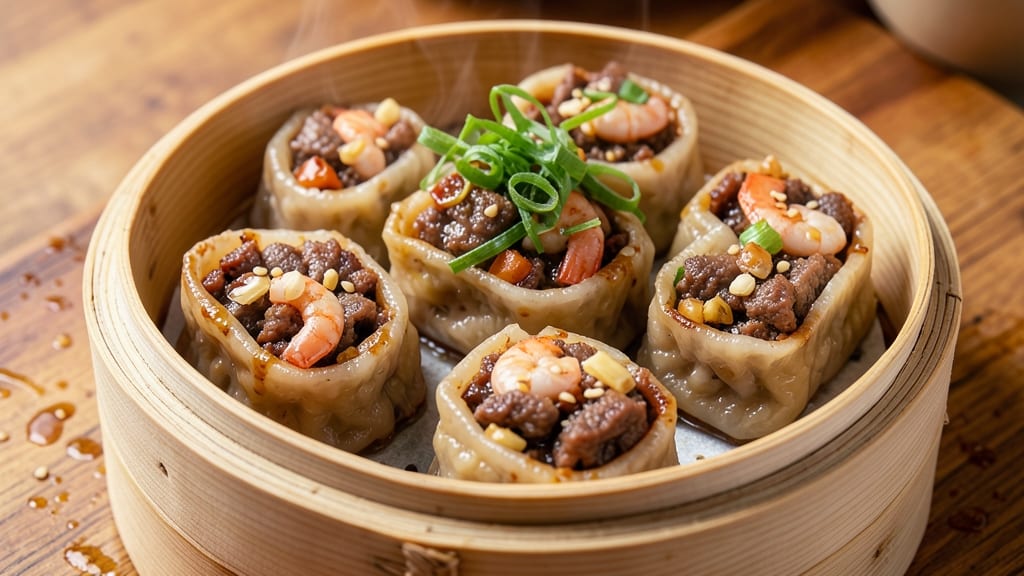
This Cantonese rice dumpling recipe delivers the delicate balance of chewy glutinous rice and fragrant five-spice filling that makes them irresistible. ✨ The secret lies in precise wrapping techniques and perfect steaming—each dumpling must be tightly sealed to hold its shape while developing that signature golden crust.
I’ve perfected this method over years of trial and error, ensuring every bite is tender yet firm, with layers of savory-sweet flavor from the traditional pork and shrimp filling.
The key to authentic Cantonese dumplings is using the right ratio of glutinous rice to filling—too much rice makes them gummy, too little and they fall apart.
We’ll steam them just until the rice is translucent and the filling is heated through, then finish with a quick sear in a hot pan for that coveted crispy exterior.
This method preserves the delicate texture while enhancing the aroma of star anise, cinnamon, and sesame oil that defines the five-spice glow.
What you’ll achieve is restaurant-quality dumplings with a golden, slightly caramelized exterior and a tender, flavorful interior—each bite packed with juicy pork, shrimp, and aromatic spices. The contrast between the crispy shell and soft filling is what makes these dumplings unforgettable.
Whether served as a dim sum appetizer or a main course with a tangy dipping sauce, they’re guaranteed to impress.
For those who prefer plant-based options, we’ll also explore a vegetarian adaptation using mushrooms and tofu while keeping the traditional wrapping technique intact. Let’s get started on creating dumplings that taste like they came straight from a bustling Cantonese kitchen.
Ingredients for cantonese rice dumpling
Authentic Cantonese flavors and precise techniques create restaurant-quality dumplings with golden crusts and tender fillings.
| Ingredient | Amount | Notes |
|---|---|---|
| Glutinous Rice (Sweet Rice) 🍚 | 1 ½ cups | Uncooked, short-grain preferred |
| Ground Pork Shoulder 🐖 | 1 lb | Lean, finely ground |
| Shrimp (Peeled, Deveined) 🦐 | ½ lb | Small to medium size |
| Shallots 🧅 | 4 whole | Finely minced |
| Garlic Cloves 🧄 | 6 cloves | Minced, aromatic |
| Sesame Oil (Toasted) 🫒 | 1 tbsp | For aroma, not cooking |
| Five-Spice Powder 🌶️ | 1 ½ tsp | Authentic blend preferred |
| Light Soy Sauce 🥄 | 1 ½ tbsp | For umami balance |
| Shaoxing Wine 🍷 | 1 tbsp | Substitute dry sherry |
| Vegetable Oil 🫒 | 1 tbsp | For frying wrappers |
| Rice Dumpling Wrappers 🍡 | 16 pieces | Square, 3-inch size |
| Salt 🧂 | ½ tsp | Adjust to taste |
| Neutral Oil (for searing) 🫒 | ¼ cup | High smoke point |
| Sesame Seeds (optional) 🌱 | 1 tbsp | For garnish |
The glutinous rice is non-negotiable—Asian markets carry the best quality, often labeled as 'sweet rice' or 'mochiko'. Look for short-grain varieties that hold their shape when steamed. For the pork, ground shoulder (not lean ground pork) gives the best texture—Trader Joe's or H Mart typically stock it. Shrimp should be small to medium size (16/20 count) to ensure they cook through evenly without overpowering the filling. The five-spice powder must be authentic—Penzeys Spices or Kung Fu Tea carry the right blend, balancing star anise, cinnamon, clove, fennel, and Sichuan peppercorn.
No Shaoxing wine? Dry sherry works perfectly—just ensure it's not overly sweet. Swapping shrimp for mushrooms? Shiitake or oyster mushrooms (finely chopped) hold up best, but add 1 tsp soy sauce extra to mimic the shrimp's umami. The rice wrappers should be springy but pliable—if they crack when folded, they're too dry. Keep them covered with a damp towel until ready to use. For the sesame oil, toasted variety adds depth, while regular sesame oil is fine for aroma. The shallots and garlic should be finely minced—almost paste-like—for even distribution in the filling.
Store uncooked wrappers in an airtight container in the freezer for up to 3 months—they crisp up beautifully when reheated. The filling can be prepped 1 day ahead and refrigerated, but bring it to room temperature before wrapping. Steamed dumplings reheat best in a steamer basket over boiling water for 5-7 minutes—never microwave. For the crispy exterior, sear in a hot, dry pan for 30 seconds per side after steaming. Garnish with toasted sesame seeds immediately before serving to preserve their crunch.
Why You'll Love This Recipe
- No Fuss Filling: I swear by the sticky-sweet glutinous rice—it’s the star here, and it forgives my two left hands. Mix it with the pork and shrimp, wrap it up, and steam. That’s it. No rolling dough, no fussing with yeast, just pure, satisfying simplicity.
- Umami Bomb: Between the ground pork shoulder and shrimp, these dumplings pack a punch. The shallots and garlic get caramelized just enough to turn every bite into a little flavor explosion—salty, sweet, and savory all at once.
- Steam Anywhere: Honestly, I make these for lunch meetings, potlucks, or just because. They travel well, reheat easily, and even taste better the next day. Plus, they’re the kind of dish that makes you look like a pro without trying.
- Budget-Friendly Feast: Ground pork and shrimp stretch further than you’d think, and glutinous rice is cheaper than you’d guess. I’ve fed four people for under $15 with this recipe—leftovers? Always. (My freezer’s full of them.)
Step-by-step instructions for Cantonese rice dumplings
Master the art of these delicate dumplings with precise technique and aromatic balance.
🍳 Step 1: Prepare the Five-Spice Filling Mixture
In a large mixing bowl, combine the 1 lb ground pork shoulder, 0.5 lb peeled and deveined shrimp, 4 whole minced shallots, and 6 cloves minced garlic. The shrimp should be finely chopped to integrate evenly with the pork.
Add 1.5 tsp five-spice powder, 1.5 tbsp light soy sauce, 1 tbsp Shaoxing wine, and 0.5 tsp salt. Mix thoroughly with your hands or a fork until all ingredients are completely incorporated. The mixture should be cohesive but not sticky—if it feels too dry, add 1 tsp toasted sesame oil to help bind it.
Here's the thing—properly mincing the shallots and garlic is crucial. You want them to disappear completely into the filling so every bite delivers balanced flavor without texture surprises. Cover the bowl and let the mixture rest for 10 minutes at room temperature while you prepare the rice.
👨🍳 Step 2: Soften the Glutinous Rice
In a separate bowl, gently rinse the 1.5 cups glutinous rice under cold water until the water runs clear. This removes excess starch that would make the dumplings gummy. Drain thoroughly and transfer to a microwave-safe bowl.
Add 1 tbsp Shaoxing wine and 1 tbsp toasted sesame oil to the drained rice. Microwave on high for 3 minutes, then fluff with a fork. The rice should be translucent and just beginning to soften—it shouldn't be fully cooked yet. If it's not soft enough after microwaving, steam it for an additional 1-2 minutes covered with a damp paper towel.
This partial cooking step is critical. Overcooking the rice now will make it impossible to handle later, while undercooked rice won't bind properly. You're aiming for rice that's soft enough to mold but still holds its shape when pressed.
🥘 Step 3: Assemble the Dumplings
Heat 1 tbsp vegetable oil in a small skillet over medium heat. Quickly fry each of the 16 rice dumpling wrappers for 10-15 seconds per side until they develop slight golden spots. This step prevents the wrappers from sticking and adds subtle texture. Remove from heat and set aside on a clean towel.
Take one wrapper and place 1 tablespoon of the filling mixture in the center. Using your fingers, gently press the filling toward the edges while folding the wrapper diagonally into a triangle. Seal the edges tightly by pinching them with your fingers—this ensures no filling escapes during steaming.
Real talk: The first few dumplings might look messy, but they'll improve as you go. Work quickly but carefully—these dumplings should be airtight. Arrange the assembled dumplings seam-side down on a plate covered with a damp towel to prevent drying.
⏰ Step 4: Steam to Golden Perfection
Set up a steamer by filling a wok or large pot with 2 inches of water and bringing it to a rolling boil. Place a heatproof plate or steamer basket inside and arrange the dumplings in a single layer, leaving ½ inch between each. Cover immediately with a tight-fitting lid.
Steam over medium-high heat for 12-15 minutes until the wrappers turn golden brown and the rice is tender. The key is maintaining steady heat—if the water boils too vigorously, the dumplings will steam unevenly. You'll know they're done when the wrappers are crisp at the edges and the filling is fully cooked through.
Don't peek during steaming! Every time you lift the lid, you release steam and extend cooking time. For best results, use a timer and resist the temptation to check prematurely. The aroma should be intoxicating—sweet rice, savory pork, and that distinctive five-spice glow.
🍽️ Step 5: Serve with Garnish
Transfer the steamed dumplings to a serving platter and let them rest for 2-3 minutes. This allows the filling to set slightly and makes them easier to slice. Sprinkle generously with 1 tbsp sesame seeds for added crunch and visual appeal.
Serve immediately while still warm. Each dumpling should have a crisp exterior that gives way to tender, flavorful filling. For authenticity, pair with a side of sweet bean sauce or a simple cucumber salad. The contrast of textures and temperatures makes these dumplings truly unforgettable.
Pro Tips For Making Cantonese Rice Dumpling
- STEAM FAST, STEAM LOW: I learned this the hard way—blasting those dumplings on high heat turns them into gluey bricks. Once the water’s boiling, drop the heat to a gentle simmer and let them cook for 15-20 minutes. The rice needs time to soften evenly, not char on the outside while staying raw inside.
- CHOP SHALLOTS FINE: I used to halve them for speed, but that leaves you with big, chewy bits in every bite. For Cantonese dumplings, mince those shallots until they’re almost paste-like—they dissolve into the filling and add depth without texture. Same goes for garlic: a fine mince, not a rough chop.
- SALT THE SHRIMP: Fresh shrimp? Toss them in a pinch of salt and let them sit for 5 minutes before cooking. It draws out moisture, so they release less water into your filling and keep the dumplings from turning soggy. (Yes, even if you’re impatient like me.)
- WRAP TIGHT, SEAL WELL: This isn’t the prettiest method, but it’s the tastiest: fold the leaves over the dumpling twice—once to shape it, then again to pinch the edges tightly. No gaps? No filling oozing out when you steam them. If your leaves are stubborn, wet them slightly first—they’ll hold better.
Storing and reheating this dish
Refrigerator Storage
Store freshly steamed dumplings in an airtight container for up to 3 days—they’ll keep their texture better than you’d expect. Let them cool completely first to prevent condensation, which can make wrappers soggy.
I like using glass containers with tight-sealing lids from Pyrex because they maintain moisture without absorbing odors. Reheat gently to preserve that crisp exterior. 💫
Freezer Preservation
For long-term storage, freeze dumplings unsteamed in a single layer on a tray before transferring to a freezer bag—this prevents sticking. Label with the date and freeze for up to 3 months.
When ready to cook, steam from frozen for 18-20 minutes (no thawing needed). The wrappers might lose some crispness but stay delightfully tender. 🧊
Reheating Methods
Steaming is king—place frozen or refrigerated dumplings in a steamer basket over boiling water for 5-7 minutes (frozen) or 3-5 minutes (refrigerated). For extra crispiness, sear in a hot, dry pan for 20-30 seconds per side after steaming. Avoid microwaving—it turns the filling rubbery and kills the aroma. 🔥
Reviving Texture
If reheated dumplings feel dry, brush with 1 tsp neutral oil and steam for 1-2 extra minutes. The oil mimics the fat content lost during storage.
For a restaurant-style finish, drizzle with toasted sesame oil and sprinkle sesame seeds right before serving. This trick makes them taste freshly made every time. ✨
Batch Prep Tips
Make a double batch and freeze half—this saves time for busy days. Store filling separately in the freezer for 1 month (thaw before wrapping). When reheating large batches, steam in two rounds to avoid overcrowding, which steams unevenly.
Always check the water level—keep it at 2 inches for even heat distribution. 💡
Nutrition facts
Frequently asked questions
What's the difference between Cantonese rice dumplings and other Asian dumplings?
Cantonese rice dumplings (like nian gao or siu mai variations) use glutinous rice as their base, giving them a distinct chewy texture unlike wheat-flour wrappers in Chinese jiaozi or Japanese gyoza. The filling is typically pork/shrimp-based with five-spice, while other dumplings often use vinegar or chili. Their triangular shape and crispy exterior set them apart from steamed or boiled rice dumplings in other regions.
Can I make these dumplings without a steamer?
Yes! Use a bamboo steamer basket in a pot with 2 inches of boiling water, or improvise with a colander over a pot of water. For even cooking, place a heatproof plate under the basket. If you don't have either, steam in a microwave-safe bowl with ½ inch water, covered with a damp paper towel for 8-10 minutes (adjust based on wattage).
Why did my dumplings fall apart when steaming?
This usually happens from three issues: overmixed filling (gluten develops), undercooked rice (needs to be translucent but firm), or poor sealing. Check your filling consistency—it should be moist but not sticky. For the rice, microwave for 3 minutes then steam 1-2 minutes more if needed. Seal edges tightly by pinching with wet fingers to create a watertight seal.
What's the best vegetarian filling substitution?
For authentic texture, use a mix of finely chopped shiitake mushrooms (sautéed until dry) and soft tofu (crumbled). Add 1 tbsp soy sauce and 1 tsp sesame oil to mimic umami, plus ½ tsp sugar to balance. For extra flavor, include water chestnuts or bamboo shoots. Keep the filling ratio the same—1 tbsp per dumpling—to maintain structure.
How do I get the perfect golden crust?
The golden color comes from steaming until the wrappers caramelize (about 12-15 minutes) and finishing with a quick 30-second sear in a dry pan. Use a tight-fitting lid during steaming to trap moisture, then remove the lid for the last 2 minutes to let the tops crisp. For extra shine, brush with a tiny bit of neutral oil before steaming.