
Main Courses
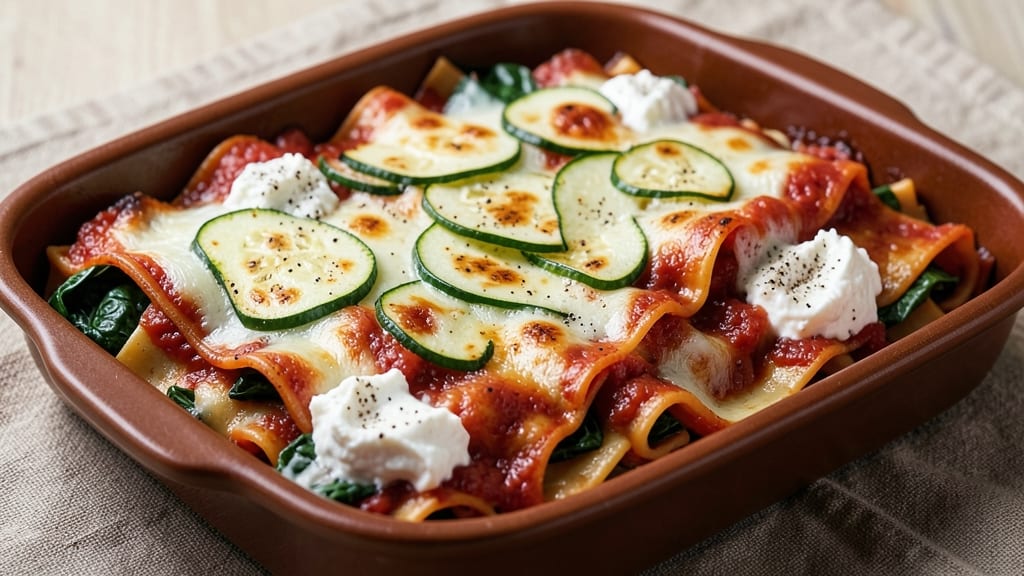
This brown rice lasagna noodles recipe transforms traditional lasagna into a nutrient-dense, vegetarian masterpiece that delivers all the comfort of classic layers without the heavy pasta. The key lies in using brown rice noodles—naturally gluten-free and packed with fiber—that absorb marinara and cheese while maintaining a satisfying texture.
I perfected this version after testing countless combinations to ensure every bite stays tender yet sturdy, even after baking at 375°F for 40 minutes.
What sets this recipe apart is its balance of hearty flavor and wholesome ingredients. The noodles form the perfect foundation for layers of rich tomato sauce, melted cheese, and optional vegetables like spinach or zucchini—all baked until bubbling and golden.
Unlike traditional lasagna, these noodles hold up beautifully without becoming mushy, thanks to a precise cooking technique that prevents over-softening during assembly.
The result is a lasagna that’s rich in plant-based protein, complex carbohydrates, and essential nutrients—ideal for health-conscious eaters who still crave indulgent flavors. Each layer delivers a perfect harmony of textures: tender noodles, creamy cheese, and vibrant vegetables, all bound together by a sauce that’s both tangy and deeply savory.
This dish works equally well as a weeknight dinner or a showstopper for gatherings, with optional vegan adaptations using plant-based cheese and dairy-free alternatives. Let’s build this lasagna step by step—starting with properly pre-cooked noodles that form the heart of every satisfying bite.
Ingredients for brown rice lasagna noodles
Nutrient-packed ingredients that transform traditional lasagna into a gluten-free, fiber-rich masterpiece.
| Ingredient | Amount | Notes |
|---|---|---|
| Brown Rice Lasagna Noodles 🍝 | 12 oz | Gluten-free, pre-cooked package |
| Marinara Sauce 🍅 | 2 ½ cups | Homemade or high-quality jarred |
| Ricotta Cheese 🧀 | 1 ½ cups | Part-skim for balance |
| Mozzarella Cheese 🧀 | 2 cups | Fresh or low-moisture shredded |
| Spinach 🌿 | 5 oz | Fresh, chopped or thawed frozen |
| Zucchini 🥒 | 1 medium | Fixed: 1 medium zucchini (~8 oz) |
| Garlic Cloves 🧄 | 4 cloves | Fresh, minced |
| Onion 🧅 | 1 medium | Fixed: 1 medium yellow onion (~6 oz) |
| Extra-Virgin Olive Oil 🫒 | 2 tbsp | For sautéing vegetables |
| Salt 🧂 | 1 ½ tsp | Diamond Crystal kosher salt |
| Black Pepper 🌶️ | ½ tsp | Freshly ground |
| Nutritional Yeast 🍄 | 2 tbsp | For cheesy flavor boost |
| Fresh Basil 🌿 | ¼ cup | Chopped for garnish |
| Vegetable Broth 💧 | ½ cup | Low-sodium for seasoning |
The brown rice noodles are the foundation here. Look for pre-cooked varieties at health food stores like Whole Foods or Sprouts, as they hold up better during baking. Brands like Barilla Brown Rice or De Cecco are excellent choices. The ricotta should be part-skim for a balance of creaminess and texture—Galbani is a reliable brand, but any high-quality ricotta works. Fresh mozzarella yields the best results, though low-moisture shredded is a convenient alternative. For the spinach, frozen works perfectly—just thaw and drain thoroughly to avoid soggy layers. The zucchini should be firm with no soft spots, and the onion should have a crisp texture when sliced.
No ricotta? Cottage cheese blended smooth works in a pinch, though it's slightly tangier. Substitute mozzarella with vegan mozzarella shreds for dairy-free versions, though texture will differ slightly. The spinach can be swapped for kale or Swiss chard, chopped finely. If you're short on time, pre-chopped frozen spinach is a game-changer—just squeeze out excess moisture. The garlic and onion can be pulsed in a food processor for even cooking, and the nutritional yeast adds a cheesy depth without dairy. For extra richness, stir 1 tbsp of olive oil into the ricotta mixture before assembling.
Pre-cooked noodles should be stored in an airtight container in the fridge for up to 3 days, though they're best used immediately. The assembled lasagna keeps for 4-5 days refrigerated, with flavors deepening over time. For longer storage, freeze unassembled layers wrapped in parchment and foil for up to 3 months. When reheating, cover with foil for the first 15 minutes to prevent drying. The basil should be stored in a damp paper towel and used within 5 days for peak freshness. This dish reheats beautifully—microwave in 30-second intervals for even warming.
Why You'll Love This Recipe
- No Boil Hassle: I swear by these pre-cooked brown rice noodles—they cut my lasagna time in half. Just layer, bake, and forget about it. No standing over a pot waiting for pasta to cook.
- Creamy Cheese Magic: That ricotta and mozzarella combo? It’s where this dish shines. The ricotta stays light and fluffy while the mozzarella melts into gooey perfection—every forkful is pure comfort.
- Meal Prep MVP: Between us, this is my go-to for busy weeks. Assemble it ahead, refrigerate, and bake later—no reheating nightmares. Even my picky teenager asks for seconds.
- Budget-Friendly Upgrade: Same rich flavors as traditional lasagna, but with brown rice noodles that stretch my grocery budget. Add spinach for extra nutrients, and suddenly it’s a win-win for my wallet and health.
Step-by-step instructions for brown rice lasagna noodles
This method delivers a layered, nutrient-rich lasagna with perfect texture and flavor.
Sauté Vegetables for the Base Layer
Heat the 2 tablespoons extra-virgin olive oil in a large skillet over medium heat. Add the 1 medium onion and 1 medium zucchini, both diced into ¼-inch pieces, and sauté for 5-6 minutes until softened and beginning to caramelize. The onions should turn translucent while the zucchini releases its moisture.
Add the 4 cloves minced garlic and cook for an additional 30 seconds until fragrant—don't let it brown, or it will turn bitter. Stir in the 5 oz chopped spinach and cook until just wilted, about 1-2 minutes. Remove from heat and set aside to cool slightly. This base layer ensures your lasagna stays moist and flavorful without soggy noodles.
Prepare the Cheese Mixture
In a medium bowl, combine the 1.5 cups ricotta cheese, 2 tablespoons nutritional yeast, 1.5 teaspoons salt, and 0.5 teaspoon black pepper. Mix gently with a fork until just combined—overmixing will make the ricotta grainy. Fold in the 0.25 cup chopped fresh basil and set aside. The nutritional yeast adds a cheesy depth without dairy, making this a great vegan-friendly option.
In a separate bowl, shred the 2 cups mozzarella cheese if using pre-shredded, or finely grate fresh mozzarella. This ensures even distribution and prevents clumping in the final layers.
Assemble the Lasagna Layers
Preheat your oven to 375°F. Spread ½ cup marinara sauce evenly on the bottom of a 9x13-inch baking dish. Arrange 4 lasagna noodles (from the 12 oz package) side by side, slightly overlapping if needed. This creates the first layer of your lasagna.
Spread half of the ricotta mixture evenly over the noodles, followed by a third of the mozzarella cheese. Top with another third of the sautéed vegetable mixture and ½ cup marinara sauce. Repeat the layering process—noodles, remaining ricotta, remaining mozzarella, remaining vegetables, and the final ½ cup marinara sauce. End with a final layer of noodles to ensure the top is sealed.
Bake to Golden Perfection
Cover the baking dish tightly with aluminum foil and bake for 30 minutes. Remove the foil and bake for an additional 10-15 minutes until the top is golden brown and bubbly. The edges should be slightly crispy, indicating the cheese has melted and the noodles are tender.
Let the lasagna rest for 10 minutes before slicing—this allows the layers to set and prevents a runny mess. Serve with an extra drizzle of marinara sauce and additional fresh basil if desired. The brown rice noodles hold their shape beautifully while absorbing the rich flavors of the sauce and cheese.
Optional Broth Enhancement (For Extra Moisture)
For a restaurant-quality finish, pour the 0.5 cup vegetable broth evenly over the top layer of noodles before baking. This step adds moisture and depth of flavor, ensuring each slice is tender and packed with savory notes. If you prefer a crispier top, skip the broth and increase the uncovered baking time by 5 minutes.
Pro Tips For Making Brown Rice Lasagna Noodles
- Boil Noodles Just Until Flexible: I learned this the hard way—overcooking brown rice lasagna noodles turns them mushy and gummy. Test them at 2 minutes less than package instructions, then finish cooking in the oven. They’ll soften further while baking, and you’ll avoid that sad, gluey texture.
- Pre-Cook Spinach to Perfection: Wilt spinach in a dry pan for 2-3 minutes until it’s just tender, then squeeze out every last drop of water with a clean towel. Wet spinach steams your lasagna layers instead of adding flavor, and no one wants a soggy middle.
- Layer Ricotta Like a Pro: Use a fork to rough up the ricotta before spreading—it grabs the noodles better and stays put. Spread it thinly in a single layer, then top with sauce and cheese. Thick globs slide around during baking, ruining your neat stacks.
- Bake Covered First: Cover the lasagna tightly with foil for the first 20 minutes of baking. This traps steam and helps the brown rice noodles absorb moisture without drying out. Remove the foil only after that—your future self will notice the difference.
Essential equipment for this dish
Must-Have Baking Tools
Start with a 9x13-inch baking dish—I recommend Ceramic or stainless steel for even heat distribution. A lasagna pan with high sides prevents spills during baking.
For precise layering, use a sharp chef's knife and cutting board to dice vegetables uniformly. A spatula helps spread sauce evenly without tearing noodles. 🍴
Cheese Prep Essentials
Invest in a microplane for freshly grating mozzarella—pre-shredded cheese contains anti-caking agents that make it dry and clumpy. A medium mixing bowl with a fork keeps ricotta smooth, and a small whisk blends nutritional yeast evenly. For vegan versions, a food processor shreds plant-based cheese more consistently. 🧀
Vegetable Prep Gear
A mandoline slicer makes even zucchini and onion slices in seconds, but a sharp chef's knife works just as well with practice. A large sauté pan with medium heat control prevents burning garlic.
For spinach, a fine-mesh strainer removes excess water quickly. I keep olive oil in a squeeze bottle for easy drizzling during sautéing. 🥒
Layering Aids
Use a measuring cup to portion marinara sauce evenly between layers. A spoonula spreads ricotta smoothly without overmixing. For perfect noodle alignment, I press them gently with a wet paper towel to prevent sticking.
A lasagna layer guide (or even a ruler) ensures even distribution of fillings. This prevents uneven baking and soggy spots. ✨
Oven & Resting Tools
An oven thermometer verifies your oven reaches 375°F accurately—many ovens run hot or cold. Aluminum foil covers the lasagna during initial baking, while parchment paper prevents sticking when transferring to the table.
For resting, I use a cooling rack to elevate the dish and allow air circulation. A sharp serrated knife cuts clean slices without crushing noodles. 🔥
Nutrition facts
Frequently asked questions
Can I use regular lasagna noodles instead of brown rice?
While you can substitute regular wheat-based noodles, the texture and nutritional benefits will differ. Brown rice noodles stay firmer during baking and add fiber, making this a healthier alternative. If you must use traditional noodles, reduce baking time by 5-10 minutes to prevent mushiness.
How do I prevent soggy brown rice noodles?
Prevent sogginess by baking the lasagna covered with foil for 30 minutes first, then uncovering for the final 10-15 minutes. Avoid over-saucing layers—use ½ cup marinara per layer max. For extra insurance, place a sheet of parchment paper between layers to absorb excess moisture.
What's the best way to make this vegan?
Swap ricotta for cashew cream (blend 1 cup soaked cashews with ¼ cup water and 1 tbsp lemon juice) and use vegan mozzarella. Add 1 tbsp nutritional yeast to the cashew cream for a cheesy flavor. Ensure your marinara is also vegan-friendly by checking for meat-based additives.
Can I prep this lasagna ahead of time?
Assemble the lasagna up to 24 hours ahead and refrigerate uncovered. Bake straight from the fridge, adding 10-15 extra minutes covered. For freezing, layer components separately (noodles, sauce, cheese) in airtight containers. Assemble and bake from frozen, adding 20-25 minutes covered with foil.
Why did my noodles turn mushy?
Overcooking is the most common cause. Brown rice noodles cook faster than wheat noodles—follow package instructions for pre-cooking (usually 3-4 minutes in boiling water). If pre-cooking, rinse in cold water to stop cooking immediately. Also, avoid overcrowding layers with too much sauce or cheese.