Main Courses
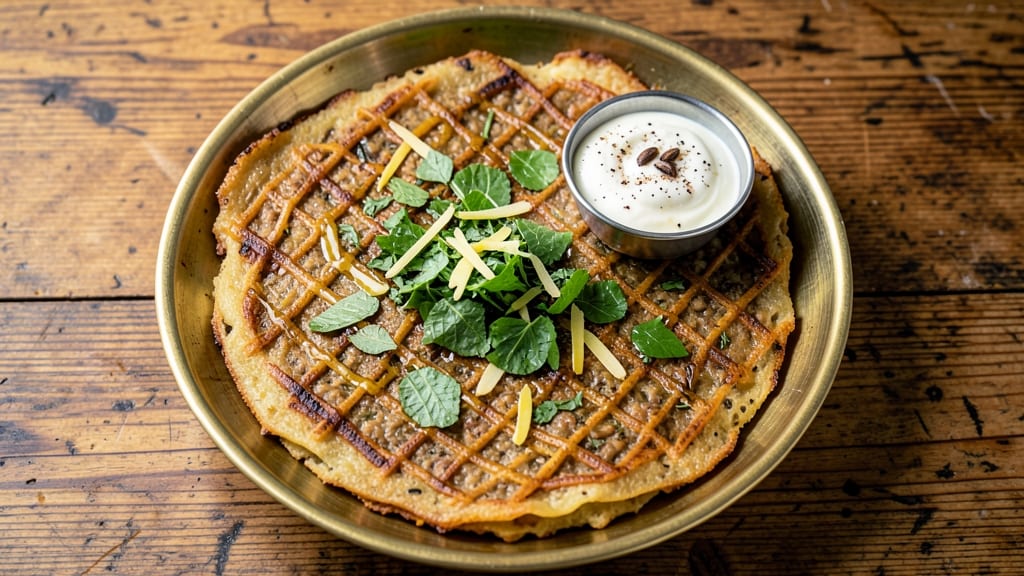
This brown rice dosa recipe transforms traditional South Indian cuisine with a nutty, wholesome twist that keeps all the crispy layers and fermented tang you love—just with better nutrition.
The key lies in perfectly fermented batter that develops a subtle sourness and airy texture, while brown rice adds fiber and earthy depth compared to white rice versions. Fermentation time is critical here, as it determines both flavor and structure, so we'll guide you through getting it just right.
Once fermented, the batter spreads effortlessly into crispy-edged, fluffy dosas with a satisfying crunch that holds up to dipping in coconut chutney or sambar. The secret to that signature dosa texture is controlling the heat on your dosa pan—too hot, and it burns; too cool, and it stays soggy.
We'll walk you through the exact technique for golden-brown perfection every time, with tips to adjust for your kitchen setup. This isn't just a healthier dosa; it's a restaurant-quality dish you can make at home with simple ingredients and patience.
Ingredients for brown rice dosa
Simple wholesome ingredients for crispy-edged, nutty dosas with restaurant-quality layers.
| Ingredient | Amount | Notes |
|---|---|---|
| Brown Rice 🌾 | 1 cup | Uncooked, long-grain preferred |
| Urad Dal (Black Gram) 🌱 | ½ cup | Split, rinsed well |
| Rice Flour 🌾 | ¼ cup | For crispy texture |
| Fresh Curds (Coconut Yogurt) 🥛 | ½ cup | Unsweetened, vegan |
| Fresh Fenugreek Leaves 🌿 | ¼ cup | Finely chopped, optional |
| Ginger 🧄 | 1 tbsp | Freshly grated, organic |
| Green Chili 🌶️ | 2 whole | Slit lengthwise, seeds removed |
| Asafoetida (Hing) 🌿 | ⅛ tsp | Pure, food-grade powder |
| Salt 🧂 | 1 ½ tsp | Diamond Crystal preferred |
| Coconut Oil 🥥 | 2 tbsp | For cooking dosas |
| Coconut Chutney 🥥 | ½ cup | Store-bought or homemade |
| Sambar Powder 🌶️ | 1 tsp | For optional sambar dip |
The brown rice is the star here—Bob's Red Mill or Lundberg work best for that nutty flavor. Urad dal needs soaking for 4-5 hours (or overnight), but don't skip it—it's what gives dosas their signature fluff. For fenugreek leaves, Indian grocery stores have fresh bunches, but frozen works in a pinch. The coconut yogurt should be tangy but not sour—So Delicious or Forager brands keep well. Ginger and green chili should be vibrant, not wilted—organic is worth it for better flavor.
No fresh fenugreek? Dried leaves at half the amount work, but the flavor won't be identical. Short on coconut yogurt? Plain vegan yogurt with 1 tsp lemon juice mimics the tang. The asafoetida (hing) is non-negotiable—it's what gives dosas that authentic aroma. Trader Joe's carries it in the international aisle. For the chutney, homemade with coconut and lime elevates everything, but store-bought in a squeeze bottle saves time. The sambar powder can be swapped for 1 tsp garam masala plus 1/4 tsp turmeric if you're out.
Ferment the batter overnight in a warm spot—top of the fridge works best. It's ready when it's doubled in size and bubbly. Use within 24 hours for peak flavor. Leftover batter? Freeze portions for up to 1 month. The coconut oil keeps indefinitely at room temperature, but store the chutney in the fridge for 1 week. Dosas reheat beautifully—just warm in a dry pan for 30 seconds.
Why You'll Love This Recipe
- No-Soaking Needed: I’ll admit, I used to dread the overnight soak for regular dosas. But brown rice? It’s already pre-hydrated—just a quick 4-hour soak (or even 2 hours if you’re impatient). The urad dal softens fast, and that coconut yogurt keeps the batter silky without extra fuss.
- Earthy-Creamy Magic: That fenugreek leaves and urad dal combo? It’s like a flavor hug—nutty, slightly bitter, but balanced by the yogurt’s tang. The brown rice adds a chewy, wholesome depth that white rice dosas just can’t match. Honestly, the first bite makes me forget I’m eating something "healthy."
- Weeknight-to-Party Upgrade: Same batter, endless uses. Serve it with coconut chutney for a lazy Sunday brunch, or pile it high with spicy potato masala for a restaurant-worthy meal. It even reheats beautifully—crispy edges, soft center—so it’s my go-to for meal prep lunches.
- Budget Meal, Zero Waste: Brown rice is cheaper than white, and urad dal stretches the batter further. Plus, the leftovers? They last days in the fridge—just a quick pan-fry revives them. Between us, I’ve fed a houseful of guests with one big batch, and no one ever complains about seconds.
Step-by-step instructions for brown rice dosa
Here's how to transform simple ingredients into crispy, nutty dosas with perfect fermentation.
Soak and Grind the Base Ingredients
In a large bowl, combine the 1 cup brown rice and 0.5 cup urad dal (black gram). Rinse them thoroughly under cold water, then drain well. Add enough water to cover by about 2 inches and let soak for 6-8 hours (or overnight). The rice should soften and the dal should swell noticeably—this ensures a smooth batter later.
After soaking, drain the mixture and transfer to a wet grinder or food processor. Add 0.5 cup fresh curds (coconut yogurt) and 0.25 cup rice flour to the grinder. Grind to a smooth, slightly thick batter consistency, scraping down the sides as needed. The batter should be like heavy pancake batter—neither too thin nor too thick. If it's too thick, add 1-2 tablespoons of water to adjust.
Prepare the Seasoning Paste
In a small bowl, combine the 0.25 cup finely chopped fresh fenugreek leaves, 1 tbsp freshly grated ginger, 2 slit green chilies, 0.125 tsp asafoetida (hing), and 1.5 tsp salt. Mash these ingredients together with a spoon or pestle until you get a smooth, vibrant green paste. This paste is the flavor foundation of your dosas—don't skip the mashing, as it releases the maximum aroma from the ingredients.
Add this seasoning paste to the ground batter and mix thoroughly. The batter should now have a rich, earthy aroma with hints of ginger and green chili. Let the batter rest for 15 minutes at room temperature. This resting period helps the flavors meld together and makes the batter easier to spread later.
Ferment the Batter
Transfer the mixed batter to a clean, wide-mouthed container. Cover it with a damp cloth or plastic wrap and let it ferment at room temperature for 8-10 hours (or overnight in the refrigerator). You'll know it's ready when the batter rises slightly, develops a tangy smell, and bubbles form on the surface. The fermentation process is crucial—it creates the signature dosa texture and flavor.
For the best results, ferment in a warm place (like near a turned-off oven with the light on). If fermenting in the fridge, take it out 2 hours before using to bring it to room temperature. The batter should be slightly runny but still hold its shape when poured—this is perfect for spreading thin dosas.
Cook the Dosas
Heat a non-stick dosa pan or heavy skillet over medium-high heat. Add 1 tbsp coconut oil and let it get hot but not smoking. Pour about ½ cup of the fermented batter onto the center of the pan, quickly spreading it in a circular motion to form a thin, even layer about 6 inches in diameter. The key here is speed—work quickly to get an even spread before the oil gets too hot.
When the edges start to lift and the top shows small bubbles, carefully flip the dosa using a plate or spatula. Cook for another 30-45 seconds until the dosa is golden brown on both sides and crispy at the edges. You'll hear a satisfying sizzle—this is your signal that it's ready. Transfer to a plate and keep warm while you cook the remaining dosas, adding more oil as needed.
Serve with Traditional Accompaniments
Serve the hot, crispy dosas immediately with 0.5 cup coconut chutney and a side of 1 tsp sambar powder mixed with warm water for a quick sambar dip. The nutty flavor of the brown rice pairs beautifully with the tangy chutney and savory sambar. For extra indulgence, add a dollop of coconut yogurt to your chutney—it balances the flavors perfectly.
Each dosa should have a crispy exterior that gives way to a soft, fluffy interior with subtle nutty undertones. The fermentation process ensures they're light yet substantial, making them perfect for breakfast or brunch. Enjoy while warm for the best texture and flavor experience!
Pro Tips For Making Brown Rice Dosa
- SOAK URAD DAL 6 HOURS: I learned this the hard way—skipping the full soak makes the batter gummy and tough. Urad dal needs at least 6 hours (overnight is ideal) to soften properly, especially since brown rice is denser than white. Drain and rinse it well afterward—those extra starches are sneaky and ruin the texture.
- GRIND IN BATCHES: Brown rice dosa batter is thick and stubborn. Instead of forcing everything through the grinder at once, split the soaked urad dal and brown rice into 2-3 batches. This prevents overheating and ensures a smoother, lump-free batter—no one likes scraping out globs of under-grinded rice later.
- SALT THE BATTER LATE: Add salt only after the batter has rested for 30 minutes. I used to add it right after grinding, and the dosas turned out bland because the urad dal absorbs salt aggressively. Wait until the batter sits, then adjust the salt to taste—this balances the flavors without overpowering the fenugreek or yogurt.
- STEAM THE FENUGREEK: Fresh fenugreek leaves wilt into mush if chopped raw. Give them a quick 2-minute steam in boiling water, then drain and chop finely. This preserves their vibrant color and prevents the batter from turning bitter—yes, even if you’re impatient like me, trust the process.
Regional styles of brown rice dosa
Kerala-Style Fermented Dosas
In Kerala, dosas are often made with a slightly different fermentation approach—using tender coconut water instead of yogurt for a lighter, more delicate texture. The batter ferments for 12-14 hours in a clay pot (or a ceramic bowl) wrapped in banana leaves, which adds a subtle earthy aroma.
I've made these with 1 cup brown rice, ½ cup urad dal, and ¼ cup rice flour, but the key is the fermentation vessel—clay retains moisture better than plastic. Serve with Kerala-style coconut chutney (with roasted coconut and curry leaves) for a regional twist. 🌿
Tamil Nadu Crispy Edge Technique
Tamil Nadu chefs swear by their "three-layer spread" method for ultra-crispy edges. After fermenting the batter (using ½ cup coconut yogurt and 1 tbsp ginger paste), they spread it in three thin layers with 10-second pauses between each. The secret?
Using a heavy cast-iron dosa pan preheated to medium-high heat (test with a drop of water—it should sizzle immediately). The batter should be slightly thicker than usual—about the consistency of heavy cream. This technique creates those signature crunchy, lace-like edges that hold up to dipping. 🔥
Andhra Pradesh Spicy Twist
Andhra dosas pack serious heat with 1 tbsp red chili powder and ½ tsp garam masala added to the batter during fermentation. The brown rice version here works perfectly—just replace the green chili with 1 tbsp finely chopped red chilies (seeds removed) and add ½ tsp black pepper for depth.
The fermentation time stays the same (8-10 hours), but the batter develops a bold, smoky aroma. Serve with Andhra-style mint chutney (blended with ¼ cup fresh mint, 1 tbsp tamarind, and 1 tsp jaggery) to balance the heat. 🌶️
Karnataka Masala Dosa Fusion
Karnataka’s masala dosa tradition inspires this fusion: after cooking the base dosa, spread 2 tbsp potato masala (a mix of boiled and mashed potatoes, 1 tsp cumin seeds, ½ tsp turmeric, and 1 tbsp chopped onions) on half the dosa before folding.
The brown rice batter adds a nutty contrast to the spiced potatoes. For extra richness, add 1 tbsp coconut milk to the batter during fermentation. This version is heartier and perfect for a Sunday brunch—just ensure your dosa pan is well-oiled to prevent sticking with the extra moisture. ✨
Goan Coconut-Infused Dosas
Goa’s love for coconut shines in their dosas, where ½ cup grated coconut (fresh or frozen) is blended into the batter alongside the brown rice and urad dal. The fermentation time extends to 14-16 hours to develop the coconut’s sweetness.
For cooking, use coconut oil (not ghee) to enhance the flavor. Serve with Goan-style sweet coconut chutney (blended with 2 tbsp jaggery and 1 tsp cardamom) for a sweet-savory balance.
The dosas have a finer crumb and a subtle sweetness that pairs beautifully with Goan vindaloo for a fusion meal. 🥥
Nutrition facts
Frequently asked questions
Why does brown rice dosa batter need extra rice flour?
The ¼ cup rice flour creates crispy edges and prevents tearing when spreading. Brown rice alone makes the batter denser, so the flour adds lightness—like how pancake batter needs flour for structure. Skip it, and your dosas may turn out too thick and chewy.
Can I make dosas without fermentation?
Technically yes, but they'll lack the signature fluffy texture and tangy flavor. For a quick version, mix 1 tbsp yogurt and ½ tsp baking soda into the batter (let sit 10 minutes before cooking). The result will be crispier but denser—think crepes rather than traditional dosas.
How do I fix batter that's too thick or too thin?
Too thick? Add 1-2 tbsp water gradually while mixing. Too thin? Stir in 1-2 tbsp rice flour until it reaches pancake-batter consistency. The ideal batter should coat the back of a spoon but still flow smoothly when poured. Test by letting it sit 5 minutes—if it separates, it's too thin.
What's the best way to reheat leftover dosas?
Warm in a dry skillet over medium heat for 30-45 seconds per side—no oil needed! For extra crispiness, place between parchment paper and press with a weighted pan for 2 minutes. Microwaving makes them soggy. Reheated dosas are perfect for quick lunches or breakfast wraps.
Can I substitute urad dal with moong dal?
Yes, but expect a slightly lighter texture. Use ½ cup split moong dal (soaked 4-5 hours) and reduce rice flour to 2 tbsp. Moong dal ferments faster (6-8 hours), so watch closely for over-fermentation (sour smell). The flavor will be milder but still delicious—great for beginners!