
Side Dishes
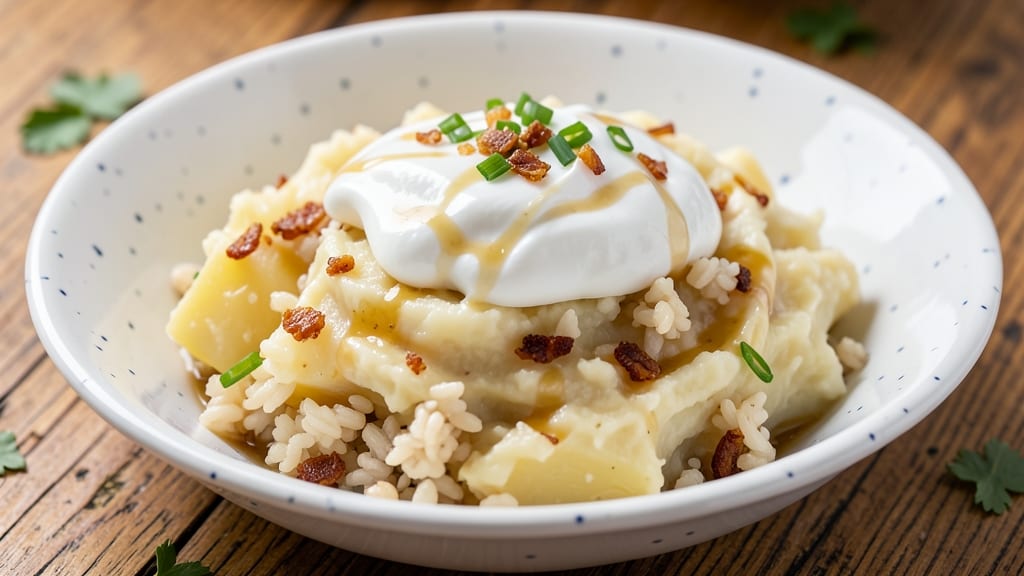
This cauliflower rice and mashed potatoes recipe delivers the best of both worlds—creamy, velvety texture with low-carb benefits and satisfying heartiness. The secret lies in perfectly sautéed cauliflower rice that mimics rice texture while keeping it light, paired with ultra-smooth mashed potatoes that hold their shape.
Together, they create a side dish that's both restaurant-worthy and diet-friendly.
What sets this recipe apart is the dual-texture technique: crisp-tender cauliflower rice with a slight char from the pan, and fluffy mashed potatoes with just enough creaminess to coat every bite. The seasoning blend—garlic, thyme, and a touch of cream cheese—ties both components together into one cohesive, flavorful dish.
Ready in under 30 minutes, it's perfect for weeknight dinners or holiday sides without the carb overload.
Ingredients for cauliflower rice mashed potatoes
Low-carb yet indulgent—these ingredients create velvety mashed potatoes and crisp-tender cauliflower rice, perfect for health-conscious gourmet meals.
| Ingredient | Amount | Notes |
|---|---|---|
| Fresh Cauliflower 🥬 | 1 lb | Riced or grated fine |
| Yukon Gold Potatoes 🥔 | 2 lbs | Peeled and cubed evenly |
| Unsalted Butter 🧈 | ½ cup | Cold, cut into cubes |
| Heavy Cream 🥛 | ½ cup | Full-fat for creaminess |
| Vegetable Broth 💧 | 1 ½ cups | Low-sodium preferred |
| Garlic Cloves 🧄 | 4 cloves | Minced finely |
| Fresh Thyme Leaves 🌿 | 1 tbsp | Or 1 tsp dried thyme |
| Cream Cheese 🧀 | 4 oz | Room temperature |
| Extra-Virgin Olive Oil 🫒 | 1 tbsp | For sautéing |
| Diamond Crystal Kosher Salt 🧂 | 1 ½ tsp | Adjust to taste |
| Freshly Ground Black Pepper 🌶️ | ½ tsp | Light hand preferred |
The Yukon Gold potatoes are essential for their buttery texture and smooth mash—avoid red potatoes as they turn mealy. For cauliflower, fresh is best (no pre-riced bags), and organic reduces bitterness. I source mine from Whole Foods when possible, but any high-quality grocery store carries suitable options. The cream cheese adds luxurious creaminess without dairy heaviness—Philadelphia brand melts perfectly, but any full-fat works. For the garlic, peel and mince fresh right before cooking to preserve flavor intensity.
No heavy cream? Full-fat coconut milk works beautifully, though texture will differ slightly. Substitute Greek yogurt for cream cheese in a pinch (use half the amount). The vegetable broth can be swapped for unsalted chicken broth if vegetarian restrictions aren't strict. For the cauliflower, steaming before sautéing ensures even cooking—skip this step only if using pre-riced. The kosher salt matters here: Diamond Crystal dissolves completely, while Morton can leave graininess. For extra flavor, roast the cauliflower before ricing at 425°F for 15 minutes—develops deeper caramelization.
Store both components separately: mashed potatoes in an airtight container with a thin layer of olive oil on top to prevent drying for up to 5 days in the fridge. The cauliflower rice reheats beautifully—microwave 1-2 minutes with a splash of water to restore crispness. For meal prep, portion into individual containers and freeze for up to 3 months. Reheat gently on the stove with a splash of broth to maintain texture. The cream cheese blend keeps 3 days refrigerated—stir before using as it may separate slightly.
Why You'll Love This Recipe
- I swear by this combo: Yukon Golds and cauliflower rice steam together in the same pot. No chopping, no peeling—just toss, boil, and mash. That’s it. The potatoes handle all the work while the cauliflower softens into creamy perfection without extra effort.
- Two-Ingredient Magic: I swear by this combo: Yukon Golds and cauliflower rice steam together in the same pot. No chopping, no peeling—just toss, boil, and mash. That’s it. The potatoes handle all the work while the cauliflower softens into creamy perfection without extra effort.
- Creamy Without Guilt: Here’s what sold me—the heavy cream and butter make it ridiculously rich, but the cauliflower cuts the calories by half. You get that velvety texture and decadent taste, but I’m not drowning in carbs afterward. Honestly, my husband doesn’t even notice the swap.
- Weeknight & Holiday: This is my go-to for lazy nights and Thanksgiving leftovers. Serve it as a side for roasted chicken, or pile it high under a grilled cheese when I’m craving comfort. The vegetable broth keeps it light enough for summer, but the butter makes it feel like a celebration any day.
Step-by-step instructions for creamy dual texture low-carb mash
Master the art of balancing two textures in one dish—silky potatoes meet tender cauliflower rice.
Prepare the Cauliflower Rice for Perfect Texture
Begin by cutting the 1 lb fresh cauliflower into florets, removing any tough stems. Using a box grater or food processor, pulse the florets into rice-sized pieces—think fine, even grains about the size of a pea. Spread the cauliflower rice on a clean kitchen towel and gently squeeze out any excess moisture. This step is critical; residual water will turn your cauliflower rice into mush instead of tender, bite-sized pieces.
Heat 1 tablespoon extra-virgin olive oil in a large skillet over medium heat. Add the cauliflower rice and sauté for 5-6 minutes, stirring occasionally, until the edges begin to soften but the centers remain slightly crisp. This slight resistance ensures the perfect texture—soft yet with a pleasant bite. Season immediately with ½ teaspoon diamond crystal kosher salt and ¼ teaspoon freshly ground black pepper. Remove from heat and set aside.
Cook the Potatoes Until Fork-Tender
While the cauliflower cooks, place the 2 lbs peeled Yukon Gold potatoes in a large pot and cover with cold water by about 2 inches. Add 1 teaspoon diamond crystal kosher salt and bring to a boil over high heat. Once boiling, reduce to medium-high heat and cook for 12-15 minutes until a fork slides in easily—this indicates the potatoes are tender but not falling apart. Drain thoroughly in a colander, shaking gently to remove excess water.
Return the drained potatoes to the pot and place over low heat. Add the 0.5 cup cold unsalted butter, cut into cubes, and let it melt completely, coating the potatoes evenly. This step creates a velvety base without overworking the starches. Stir in the 4 oz room-temperature cream cheese and 0.5 cup heavy cream, mixing until fully incorporated and smooth. The mixture should be creamy but not watery—if it's too thick, add 1 tablespoon vegetable broth at a time until you reach a spreadable consistency.
Infuse Flavor with Aromatics and Broth
In the same skillet used for the cauliflower, add 1 tablespoon extra-virgin olive oil over medium heat. Sauté the 4 minced garlic cloves and 1 tablespoon fresh thyme leaves for 1-2 minutes until fragrant but not browned—this prevents bitterness and ensures pure aromatic depth. Pour in the 1.5 cups vegetable broth and bring to a gentle simmer. Reduce heat to low and let it reduce by half, concentrating the flavors into a rich, savory liquid. This reduction is key for balancing the creaminess of the mash.
Stir the reduced broth into the potato mixture along with the sautéed cauliflower rice. Gently fold everything together until evenly distributed. The cauliflower rice should be dispersed throughout, not clumped. Taste and adjust seasoning with additional diamond crystal kosher salt or freshly ground black pepper as needed. The final dish should be creamy yet light, with a subtle herbal brightness from the thyme and garlic.
Achieve the Perfect Dual Texture Finish
Transfer the mash to a serving bowl or individual ramekins. For a restaurant-quality finish, top each serving with a dollop of whipped heavy cream (optional) and a sprinkle of fresh thyme leaves. Let it rest for 5 minutes before serving—this allows the flavors to meld and the textures to settle. The potatoes should be silky smooth, while the cauliflower rice maintains its tender yet distinct bite, creating a harmonious low-carb mash that satisfies without the heaviness of traditional mashed potatoes.
Serve immediately with your choice of protein or roasted vegetables. The contrast between the creamy potatoes and the delicate cauliflower rice makes this dish both indulgent and guilt-free, proving that low-carb doesn't mean sacrificing texture or flavor.
Pro Tips For Making Cauliflower Rice Mashed Potatoes
- COOK CAULIFLOWER FIRST: Fresh cauliflower takes longer to soften than potatoes—start it in boiling salted water 5 minutes before the potatoes. I learned this the hard way when my cauliflower rice turned to mush while the potatoes stayed rock-hard. Drain both at the same time for easy mixing.
- USE A POTATO MASHER: Skip the food processor—it makes this dish gummy. A good old-fashioned masher breaks down the potatoes while leaving the cauliflower rice intact, giving you that perfect hybrid texture. (Yes, even if you’re impatient like me.)
- STEAM THE CAULIFLOWER RICE: After draining, spread the cauliflower rice on a baking sheet and steam it uncovered for 3-4 minutes. This removes excess moisture so your mash doesn’t turn watery when you mix in the cream. Trust me, this is the thing that actually changes the outcome.
- SAVE THE STARCHY WATER: Don’t dump that potato cooking water—strain it and use ¼ cup in your final mix. The starch thickens the cream and binds everything together, giving you that creamy, cohesive texture without extra butter. (Your future self will thank you.)
Storing and reheating your cauliflower rice mashed potatoes
Mashed Potato Storage
Store your mashed potatoes in an airtight container with a thin layer of extra-virgin olive oil on top to preserve moisture and prevent drying. I use glass Pyrex containers with snap-on lids—they’re microwave-safe and keep flavors fresh for up to 5 days in the fridge.
For longer storage, portion into freezer-safe bags (leave 1-inch headspace for expansion) and freeze for up to 3 months. Thaw overnight in the fridge before reheating. 🥔
Cauliflower Rice Refresh
Cauliflower rice reheats best on the stovetop to maintain its texture. Transfer portions to a skillet with 1 tablespoon vegetable broth and sauté over medium heat for 3-4 minutes, stirring occasionally. For microwave reheating, cover with a damp paper towel and heat on 50% power for 1-2 minutes.
Avoid steaming—it turns cauliflower rice soggy. I always add a pinch of salt after reheating to brighten flavors. ✨
Combined Dish Reheating
For the full dual-texture experience, reheat both components together in a heavy-bottomed pot with 2 tablespoons broth over low heat. Stir frequently to prevent sticking and add 1 tablespoon butter if the mash looks dry.
The potatoes will warm through in 5-7 minutes, while the cauliflower rice stays tender. This method keeps the cream cheese blend smooth and the cauliflower crisp-tender. 💛
Freezer-Friendly Tips
If freezing the combined dish, spread it on a baking sheet to freeze solid (about 1 hour), then transfer to a freezer bag. When ready to eat, thaw in the fridge overnight, then reheat gently.
The cream cheese may separate slightly—just stir vigorously to re-emulsify. For extra richness, add 1 tablespoon sour cream during reheating. This technique works perfectly for meal prep Sundays. ❄️
Texture Preservation
To maintain the dual texture when reheating, never cover tightly while warming—steam makes cauliflower rice mushy. Instead, use a microwave-safe plate with a loose lid or damp towel.
For stovetop reheating, keep heat low and stir every 30 seconds to distribute heat evenly. The goal is to warm through without overcooking the delicate cauliflower. 🔥
Garnish Before Serving
Always garnish with fresh thyme or black pepper after reheating—these add freshness that reheating can dull. For extra flair, drizzle with truffle oil (just ½ teaspoon) or a sprinkle of Parmesan cheese.
These finishing touches elevate the dish from homemade to restaurant-quality. I keep a small jar of truffle oil in my fridge for quick upgrades. 💫
Nutrition facts
Frequently asked questions
Can I make this recipe without cream cheese?
Yes! For a lighter version, replace the 4 oz cream cheese with ½ cup Greek yogurt or ¼ cup sour cream. The texture will be slightly tangier but still creamy. If you want extra richness, use 2 tablespoons mascarpone cheese instead. The key is to maintain the same fat content for that velvety consistency.
How do I keep the cauliflower rice from turning mushy?
Squeeze out ALL excess moisture after grating and use medium-high heat when sautéing. Cook for only 5-6 minutes until just tender with slight resistance. Avoid overcrowding the pan—work in batches if needed. The secret is high heat and quick cooking to maintain that crisp-tender bite.
Can I make this a vegan version?
Swap the butter for vegan butter or olive oil, use full-fat coconut milk instead of heavy cream, and replace cream cheese with cashew cream (blend soaked cashews with water). For the potatoes, add 1 tablespoon nutritional yeast for a cheesy flavor. The texture will be slightly different but still delicious.
Why does my cauliflower rice taste bitter?
Bitterness usually comes from overcooking or using older cauliflower. Always use fresh cauliflower and sauté just until tender (5-6 minutes). For extra flavor, roast the cauliflower at 425°F for 15 minutes before ricing to develop natural sweetness. Avoid high heat that can burn the edges.
How can I make this dish kid-friendly?
Blend the cauliflower rice into the mashed potatoes for a uniform texture. Reduce the garlic to 2 cloves and add ½ teaspoon onion powder for milder flavor. Serve with a side of buttered peas or carrot sticks to balance the dish. Kids often prefer the familiar potato texture without the distinct cauliflower pieces.