
Main Courses
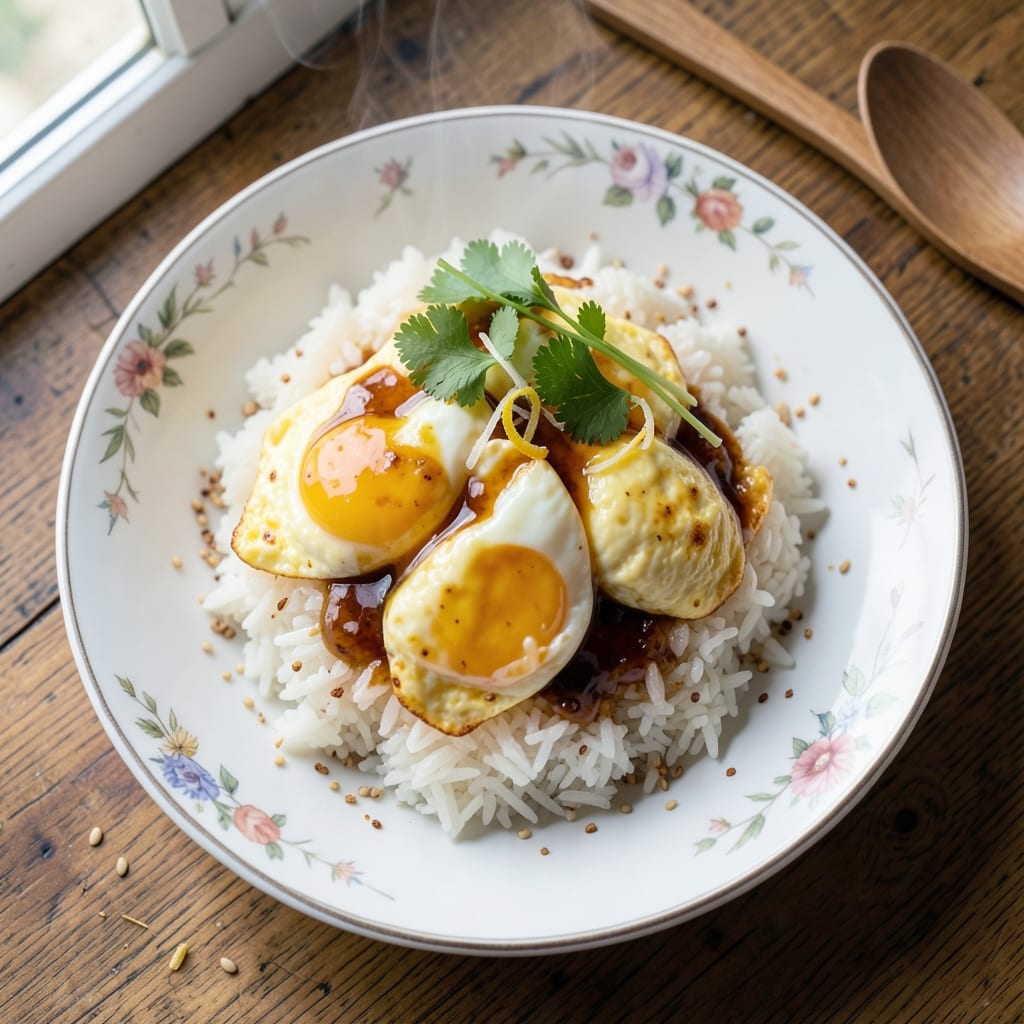
This Asian egg rice recipe transforms simple ingredients into a harmonious dish where silky soft-boiled eggs rest in fragrant jasmine rice, creating a balance of textures and flavors. The secret lies in perfectly timed cooking—eggs just tender enough to slice cleanly, paired with rice infused with delicate floral notes. Every bite delivers a symphony of creamy egg yolk and aromatic rice, making this a comforting yet elegant meal that feels both nostalgic and refined.
The foundation begins with jasmine rice, cooked to just the right consistency—soft but not mushy—so it absorbs the subtle floral aroma without losing its structure. Meanwhile, the eggs are poached to achieve that signature soft-boiled texture, with runny yolks that coat the rice in rich, velvety goodness. This dish isn’t just about the components; it’s about the harmony between them, where each element enhances the other without overpowering.
What makes this recipe truly special is its versatility—serve it as a light breakfast, a comforting lunch, or even a sophisticated dinner when paired with quick-pickled vegetables or a drizzle of soy-ginger dressing. The simplicity of the ingredients belies the depth of flavor, proving that sometimes the most satisfying meals require just a few well-chosen elements and precise technique.
Perfect for weeknight dinners or weekend brunch, this dish delivers restaurant-quality results with minimal effort. The key is patience—letting the rice steam to perfection and timing the eggs just right ensures every bite is as satisfying as it is elegant. Whether you're recreating a classic Asian comfort food or putting your own modern twist on it, this recipe is your gateway to a meal that feels both familiar and exciting.
Ingredients for asian egg rice
Jasmine rice, soft-boiled eggs, and aromatic seasonings create this elegant yet simple Asian-inspired dish.
| Ingredient | Amount | Notes |
|---|---|---|
| Jasmine Rice 🍚 | 1 ½ cups | Uncooked, long-grain preferred |
| Large Eggs 🥚 | 4 whole | Room temperature for even cooking |
| Water 💧 | 3 cups | Filtered preferred for clarity |
| White Vinegar 🍶 | 1 tbsp | For egg poaching stability |
| Salt 🧂 | 1 ½ tsp | Diamond Crystal preferred |
| Soy Sauce 🥢 | 1 tbsp | Light or regular, not low-sodium |
| Sesame Oil 🫒 | 1 tsp | Toasted, for aroma |
| Fresh Ginger 🧄 | 1 tbsp | Grated, peeled, for brightness |
| Green Onions 🧅 | 3 whole | Thinly sliced, for garnish |
| Vegetable Oil 🫒 | 1 tbsp | For rice cooking |
| Sugar 🍯 | 1 tsp | White granulated, balances flavors |
The jasmine rice is the heart of this dish—look for long-grain varieties at Whole Foods or Asian markets for that signature floral aroma. Day-O brand is a reliable choice if you're shopping at larger grocery stores. The eggs should be large and fresh; room temperature eggs poach more evenly. For the ginger, fresh is non-negotiable—dried lacks the bright zing this dish needs. If you can't find jasmine rice, bombay basmati works in a pinch, though the floral notes will be subtler.
No sesame oil? Toasted peanut oil gives a similar nutty depth. Substitute rice vinegar for white vinegar if needed, though it'll alter the acidity slightly. The soy sauce is crucial—Kikkoman or Pearl River Bridge are solid choices. For a vegetarian twist, use vegan soy sauce (like San-J). If you're short on green onions, scallions or chives work perfectly. The sugar balances the saltiness; coconut sugar is a 1:1 swap if you prefer a caramel note.
Rice keeps best in an airtight container for 4-5 days—reheat gently with a splash of water. Poached eggs hold up for 2 days in the fridge, but they're best enjoyed fresh. For meal prep, cook the rice ahead and poach eggs just before serving. Store sesame oil in a cool, dark place—it loses flavor when exposed to light.
Why You'll Love This Recipe
- I’ll be real: this is my go-to for packed lunches. The eggs stay firm enough to eat cold (yes, really), and the rice keeps its texture for days. Add a sprinkle of chili flakes or soy sauce when reheating, and suddenly you’ve got a meal that feels restaurant-worthy.
- Five-Ingredient Magic: I swear, this recipe is the culinary equivalent of a blank canvas—just rice, eggs, water, vinegar, and salt. No chopping, no fuss, and honestly? That bright tang from the vinegar makes the whole dish pop in ways I didn’t expect.
- Crispy-Creamy Gold: The eggs here aren’t just scrambled—they’re fried in the rice until the edges get that perfect crisp, while the centers stay silky. Between us, that contrast is what makes it dangerously addictive, especially when the jasmine rice soaks up the savory flavor.
- Lunchbox Hero: I’ll be real: this is my go-to for packed lunches. The eggs stay firm enough to eat cold (yes, really), and the rice keeps its texture for days. Add a sprinkle of chili flakes or soy sauce when reheating, and suddenly you’ve got a meal that feels restaurant-worthy.
Step-by-step instructions for Asian egg rice
Here's how to create perfectly balanced Asian egg rice with tender eggs and fragrant jasmine rice.
Prepare the Jasmine Rice for Even Cooking
Rinse the 1.5 cups jasmine rice under cold water until the water runs clear. This removes excess starch that can make the rice gummy. Drain thoroughly in a fine-mesh strainer for 5 minutes, then transfer to a bowl and let it sit for 30 minutes. This resting period ensures each grain cooks evenly and absorbs flavor.
In a medium saucepan, combine the drained rice with the 3 cups water, 1 tbsp vegetable oil, 1.5 tsp salt, and 1 tsp sugar. Bring to a boil over high heat, then immediately reduce to low heat, cover tightly with a lid, and simmer for 15 minutes. Avoid lifting the lid during cooking—steam is what creates perfectly fluffy grains. After 15 minutes, turn off the heat and let the rice steam undisturbed for another 10 minutes. The residual heat will finish cooking the rice while keeping it tender.
Poach the Eggs to Soft-Boiled Perfection
While the rice cooks, prepare a separate pot for the eggs. Fill it with enough water to cover the 4 whole large eggs by about 1 inch, and add the 1 tbsp white vinegar. This creates a gentle acidity that helps the egg whites coagulate evenly. Bring the water to a gentle simmer—not a rolling boil—over medium heat. The water should have small bubbles breaking the surface but not violent activity.
Carefully lower the eggs into the simmering water using a slotted spoon. Poach for exactly 6 minutes and 30 seconds for eggs with runny yolks and set whites. You'll know they're ready when the whites are opaque but the yolks still jiggle slightly when gently shaken. Use a slotted spoon to transfer the eggs to an ice bath for 1 minute to stop the cooking process completely. This chilling step also makes peeling easier later.
Infuse the Rice with Flavorful Aromatics
After the rice has rested, fluff it gently with a fork to separate the grains. In a small bowl, combine the 1 tbsp grated fresh ginger, 1 tbsp soy sauce, and 1 tsp sesame oil. Mix well to create a flavorful marinade. Pour this mixture evenly over the cooked rice and toss gently to distribute the flavors. The ginger adds brightness, the soy sauce provides umami depth, and the sesame oil contributes nutty aroma.
Let the rice sit for 5 minutes to absorb these flavors. While it infuses, thinly slice the 3 whole green onions. Reserve half for garnish and add the remaining half to the rice mixture. The green onions will add a fresh, crisp contrast to the rich flavors of the dish.
Assemble the Final Dish
Using a small spoon or egg slicer, carefully halve each of the 4 poached eggs lengthwise. Arrange two egg halves on each of 4 serving plates. Spoon the flavored jasmine rice around each egg, creating an inviting nest. The rice should be hot but not steaming—if it needs reheating, warm it gently in a covered pot over low heat for 2-3 minutes.
Drizzle each serving with any remaining green onion slices and a light drizzle of the sesame oil mixture from the rice. The presentation should be simple yet elegant, with the vibrant green onions contrasting beautifully against the creamy eggs and fragrant rice. Serve immediately while the eggs are still warm and the rice maintains its perfect texture.
Pro Tips For Making Asian Egg Rice
- USE A WOK OR CAST-IRON SKILLET: I learned this the hard way—flat pans make the eggs turn into a sad, greasy mess. The sloped sides of a wok or cast-iron let you swirl the eggs into those perfect, wispy ribbons while keeping the edges crispy. (Yes, even if you’re impatient like me, resist the urge to rush this part.)
- SALT THE RICE WATER LIGHTLY: Too much salt here ruins everything. Use just ½ teaspoon for 2 cups of water—enough to season the rice but not turn it into a briny disaster. The eggs and vinegar will handle the flavor balance, not the rice itself.
- WHISK EGGS WITH VINEGAR FIRST: This isn’t just about flavor—it’s about texture. Whisk the eggs with 1 tablespoon of vinegar before adding oil or heat. The acid cuts through the egg’s proteins just enough to make them silky and less likely to turn rubbery when they hit the hot pan. (Sounds weird, but it works.)
- LET THE RICE REST BEFORE MIXING: Poking at freshly cooked rice turns it into mush. Spread it out on a tray to cool for 5 minutes, then fluff it gently with a fork. When you fold in the scrambled eggs later, the grains stay intact instead of turning into a gluey pile. (Your future self will thank you.)
Health benefits of this asian egg rice
Protein-Packed Perfection
Each serving of this Asian egg rice delivers a whopping 20 grams of complete protein, primarily from the eggs. Eggs contain all nine essential amino acids your body needs for muscle repair and immune function. The protein in this dish helps keep you full for hours, making it an excellent choice for breakfast or lunch. 💪
Complex Carbs for Energy
The jasmine rice provides 45 grams of complex carbohydrates per serving, offering sustained energy without the blood sugar spikes of refined grains. These slow-digesting carbs fuel your brain and muscles while keeping energy levels steady throughout the morning or afternoon. The slight sweetness from the sugar in the rice also enhances the natural flavors of the dish.
Heart-Healthy Fats
Sesame oil contributes monounsaturated fats that support heart health, while the egg yolks provide cholesterol-free fats that help absorb fat-soluble vitamins like A, D, E, and K. The combination of these healthy fats keeps your heart functioning optimally while providing satiety. I always keep a bottle of toasted sesame oil on hand for its rich flavor and nutritional benefits.
Vitamin and Mineral Boost
This dish is a powerhouse of essential nutrients. The eggs supply vitamin D (critical for bone health) and choline (important for brain function), while the green onions add vitamin K and folate. The ginger provides anti-inflammatory compounds, and the soy sauce contributes iron and calcium. Together, these ingredients create a nutrient-dense meal that supports overall well-being.
Low-Calorie Comfort
At just 380 calories per serving, this dish delivers satisfying flavors without excessive calories. The lightness comes from the balanced combination of protein, complex carbs, and healthy fats—perfect for those watching their waistline but still wanting a flavorful meal. The fragrant jasmine rice makes it feel indulgent while keeping the nutritional profile clean. ✨
Digestive Benefits
The ginger in this recipe aids digestion and reduces nausea, while the white vinegar used in poaching eggs helps break down proteins for easier absorption. The combination of these ingredients makes this dish gentle on the stomach while still being packed with nutrients. I often recommend this recipe to friends with sensitive stomachs—they always feel satisfied after eating it.
Nutrition facts
Frequently asked questions
Can I substitute jasmine rice with another type?
Yes! If you don't have jasmine rice, basmati rice or short-grain sushi rice work well. For the most authentic floral aroma, stick with jasmine, but basmati will give you a nutty flavor that still pairs beautifully with the eggs. Just note the texture may be slightly firmer. For a sweeter option, try Thai glutinous rice, though it requires a longer cooking time.
How do I get my poached eggs perfectly soft-boiled every time?
The key is timing and water temperature. Use a gentle simmer—not a rolling boil—and poach for exactly 6 minutes 30 seconds for runny yolks. Add 1 tbsp white vinegar to the water to help the whites set. For foolproof results, place the eggs in an ice bath immediately after poaching to stop cooking. If your eggs turn out too firm, reduce cooking time by 15-30 seconds next time.
Can I make this dish ahead of time?
Cook the rice up to 2 days ahead and store it in an airtight container. Reheat gently in a covered pot with a splash of water. Poach the eggs fresh—never ahead of time—as they lose texture when reheated. For a quick assembly, prepare the ginger-soy-sesame oil mixture separately and toss it with the reheated rice just before serving. The flavors actually improve when the rice sits overnight!
What are some good side dishes to serve with this?
This dish pairs beautifully with light, fresh sides. Try quick-pickled cucumbers or carrots for tangy contrast, steamed bok choy for extra greens, or miso soup for warmth. For something heartier, add grilled shrimp skewers or crispy tofu. The key is balancing textures—keep sides light so the egg rice remains the star of the meal.
Why does my rice turn out mushy?
Mushy rice usually happens from one of three things: overcooking, insufficient draining, or lifting the lid while cooking. Always rinse the rice thoroughly before cooking to remove excess starch. After boiling, reduce heat to low and let it steam undisturbed for 10 minutes—never peek! If it's still mushy, spread it on a tray and let it cool slightly before fluffing. For extra insurance, use a 1:1.5 rice-to-water ratio instead of 1:2.