
Main Courses
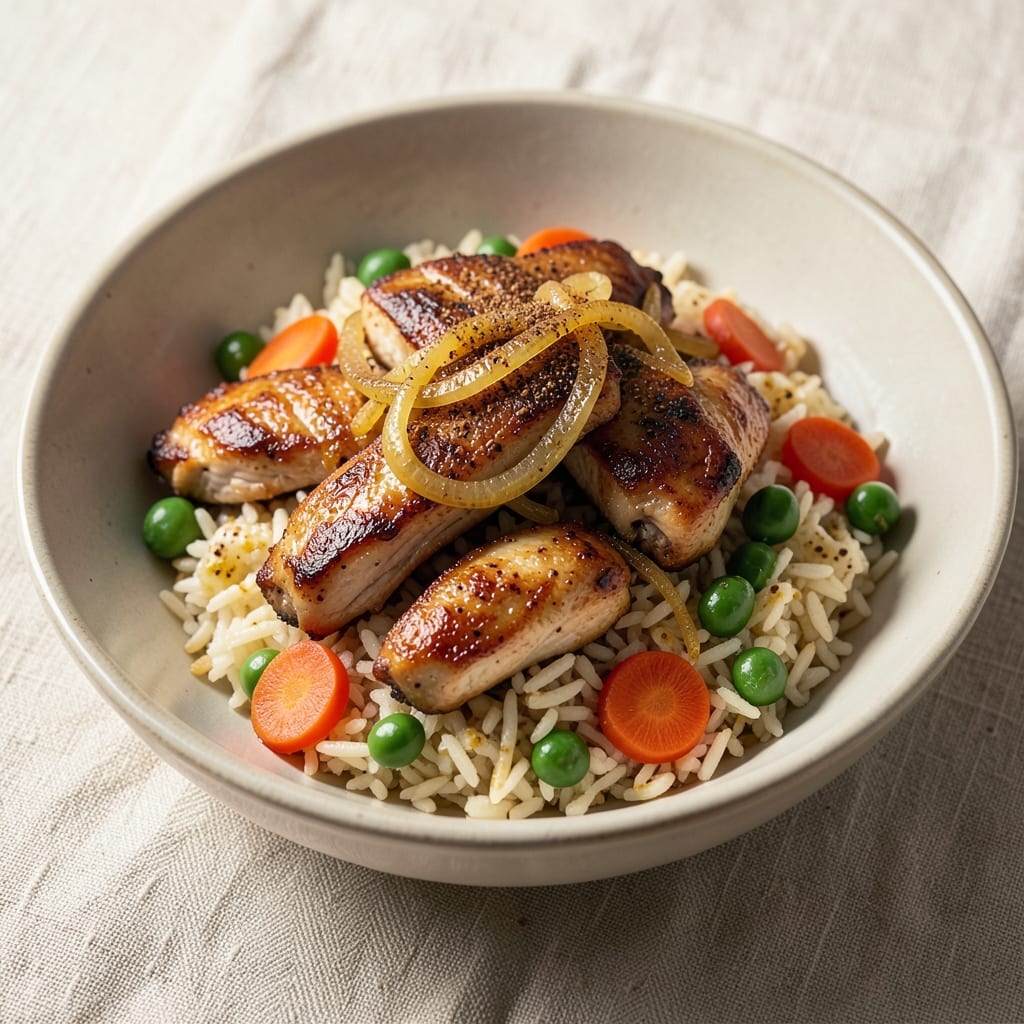
This Arabic fried rice recipe transforms simple ingredients into a fragrant, spice-kissed masterpiece with crispy edges and layers of toasted flavor. The secret lies in cooking day-old rice over high heat, where each grain develops a satisfying crunch while absorbing aromatic spices like baharat and cumin. I’ve perfected this technique after years of testing—it’s the kind of dish that turns a weeknight dinner into a Middle Eastern feast without the fuss.
The foundation starts with perfectly cooked rice, toasted in a hot wok or skillet until golden, then combined with tender proteins like chicken or lamb. Vegetables—carrots, peas, and onions—join the dance, caramelizing into sweet, concentrated bursts of flavor. The spices don’t just season; they toast and bloom, releasing their full potential. This isn’t just fried rice—it’s a celebration of texture and aroma, where every bite delivers a balance of crispy, tender, and spiced perfection.
What makes this recipe stand out is the wok-hei—that signature smoky char achieved by high-heat cooking. The rice develops a nutty depth, while the spices create a warm, earthy backbone that lingers on the palate. Serve it with a dollop of yogurt or a sprinkle of fresh herbs for brightness, and you’ve got a dish that’s hearty enough for a family meal but elegant enough for guests. The best part? It’s foolproof once you master the timing.
Whether you’re feeding a crowd or treating yourself to a flavorful solo dinner, this fried rice delivers restaurant-quality results at home. The technique is simple, but the flavors are anything but ordinary. Let’s get cooking—your taste buds will thank you.
Ingredients for arabic fried rice
Pantry staples meet Middle Eastern magic for this crispy, spice-packed fried rice feast.
| Ingredient | Amount | Notes |
|---|---|---|
| Day-Old Cooked White Rice 🍚 | 4 cups | Cold rice for crispy edges |
| Boneless Chicken Thighs 🍗 | 1 ½ lb | Cut into 1-inch pieces |
| Yellow Onion 🧅 | 1 whole | Thinly sliced, about 1.5 cups |
| Carrots 🥕 | 2 medium | Julienned into matchsticks |
| Frozen Peas 🌱 | 1 cup | Thawed, no need to drain |
| Baharat Spice Blend 🌶️ | 1 tbsp | Or sub 1 tsp each cumin, coriander |
| Ground Cumin 🌿 | ½ tsp | Toasted for deeper flavor |
| Ghee or Vegetable Oil 🫒 | ½ cup | High smoke point for wok-hei |
| Garlic Cloves 🧄 | 4 cloves | Minced, about 1 tbsp |
| Plain Yogurt 🥛 | ¼ cup | For serving, optional |
| Fresh Parsley 🌿 | ¼ cup | Chopped, for garnish |
| Salt 🧂 | 1 tsp | Adjust to taste |
| Black Pepper 🌶️ | ½ tsp | Freshly cracked |
| Lemon Wedges 🍋 | 2 whole | For serving |
The rice is non-negotiable—day-old works best, so cook a batch the night before (or use leftover rice). Trader Joe's has pre-cooked rice pouches that save time, but homemade is ideal. For the chicken, thighs stay juicier than breasts during high-heat cooking. Costco sells them in bulk for better value. Carrots should be vibrant orange—no wilted or rubbery ones. The baharat blend is key; Penzeys or Middle Eastern markets carry it, but you can DIY with cumin, coriander, and black pepper.
No baharat? Mix 1 tsp each cumin, coriander, and cardamom—close enough. Frozen peas are perfect here (no soggy texture), but fresh work too if you blanch them first. The ghee adds that signature nutty aroma, but vegetable oil works in a pinch. For extra crunch, toss in some toasted cashews or crushed peanuts at the end. Want more heat? Add a pinch of cayenne or a dash of hot sauce. The yogurt should be thick and plain—Greek yogurt works great, but any unsweetened will do.
This reheats beautifully—just add a splash of water and stir-fry again. Keeps 3-4 days in the fridge or 3 months frozen. For leftovers, portion into containers with lemon wedges on top—they stay fresh longer. Garnish with parsley right before serving, or it'll wilt in the pan. Double the batch if you're feeding a crowd—it disappears fast.
Why You'll Love This Recipe
- One-Pan Magic: I swear by this—just toss everything onto a hot skillet with a little oil, and let the chicken and onions caramelize while the rice soaks up all those juices. No fancy equipment, no stress.
- Juicy Crispy Payoff: The chicken thighs stay tender while the edges get that golden, slightly crispy texture—chef’s kiss—and the onions add this sweet, caramelized depth that makes every bite feel like a hug.
- Leftover Hero: Between us, this dish actually tastes better the next day. The flavors meld even more, and reheating it with a splash of water keeps it fluffy and delicious—perfect for lunch or a quick dinner.
- Budget Meal Winner: Day-old rice? Check. Chicken thighs? Affordable and forgiving. Frozen peas? Pantry staple. This recipe stretches ingredients without sacrificing flavor, and I’ve fed four people for under $10 with leftovers to spare.
Step-by-step instructions for crispy Arabic fried rice
Here's how to transform cold rice into restaurant-quality fried rice with perfect crispy edges and aromatic spices.
Cut and Sear the Chicken Thighs
Cut the 1.5 lb boneless chicken thighs into 1-inch pieces and pat them dry with paper towels. Heat 0.5 cup ghee or vegetable oil in a large skillet over medium-high heat until shimmering. Add the chicken in a single layer and let it sear undisturbed for 3-4 minutes until golden brown on one side.
Flip the chicken and cook for another 3-4 minutes until the internal temperature reaches 165°F and the juices run clear. Remove the chicken from the skillet and set it aside on a plate. You'll notice the chicken releases easily when it's ready to flip—this ensures a perfect sear. Keep the oil in the skillet for the next steps.
Sauté Onions and Carrots Until Soft
In the same skillet with the chicken fat still in it, add the thinly sliced yellow onion and julienned carrots. Cook over medium heat for 5-6 minutes, stirring occasionally, until the onions become translucent and the carrots soften slightly. You want them to be tender but still holding their shape—this prevents mushiness in the final dish.
Here's where the spices come alive: Add the 1 tbsp baharat spice blend and 0.5 tsp ground cumin to the skillet. Stir for 30 seconds until the spices are fragrant and toasted. This step releases their full flavor potential, giving your fried rice that authentic Middle Eastern aroma. If you don't have baharat, toast the cumin separately for a similar depth.
Cook the Garlic and Add Peas
Add the minced garlic cloves to the skillet and cook for 30 seconds until fragrant—don't let it brown or it'll turn bitter. Immediately add the 1 cup frozen peas (no need to thaw) and stir for 1-2 minutes until the peas are heated through. The peas will release some moisture, which helps create that perfect fried rice texture.
Now it's time for the rice. Add the 4 cups day-old cooked white rice to the skillet and spread it out evenly. The rice should be cold from the fridge—this creates those coveted crispy edges. Cook on medium-high heat for 3-4 minutes, stirring constantly with a spatula to break up any clumps and prevent sticking.
Season and Finish with Lemon
Add the 1 tsp salt and 0.5 tsp black pepper to the skillet and toss everything together for 1-2 minutes until the rice is heated through and the edges are golden brown and crispy. The rice should be sizzling in the pan—this is your signal that it's ready. If it's sticking too much, add 1-2 tablespoons of water to loosen it up.
Give it one final taste and adjust the seasoning if needed. The rice should be flavorful but not overly salty. Transfer the fried rice to serving plates and top each portion with a dollop of 0.25 cup plain yogurt and the 2 whole lemon wedges. The yogurt adds a cooling contrast to the warm, spicy rice, while the lemon brightens everything up.
Garnish and Serve Immediately
Sprinkle the fried rice with 0.25 cup chopped fresh parsley just before serving. The parsley adds a fresh pop of color and a hint of brightness that balances the rich flavors. Serve the fried rice while it's hot—it's best enjoyed immediately when the edges are still crispy and the spices are at their peak.
This dish tastes even better the next day as the flavors meld together, but the crispy edges are best enjoyed fresh. Pair it with a simple cucumber salad or warm pita bread for a complete meal. The combination of textures—crispy rice, tender chicken, and creamy yogurt—makes this fried rice truly special.
Pro Tips For Making Arabic Fried Rice
- CRACK THE CHICKEN FIRST: Cook the chicken thighs separately until fully done—juicy but not falling apart—then slice them thin. I learned this the hard way: trying to fry raw chicken in the rice pan just makes everything greasy and uneven. A quick 15-minute bake at 375°F (400°C) with a pinch of salt and pepper does the trick.
- DRIZZLE, DON’T DROWN: Use just enough oil to coat the wok or pan—about 2 tablespoons—so the rice gets that signature golden crust without turning soggy. I used to splurge, thinking more oil meant better flavor, but it just steams the rice instead of frying it.
- CHOP CARROTS SMALLER THAN YOU THINK: Dice the carrots into ¼-inch pieces (yes, even smaller than the recipe says). Big chunks stay crunchy and undercooked, while tiny pieces melt into the rice, adding natural sweetness. I was skeptical until I tried it—now I double-check the knife work.
- WAIT 5 MINUTES AFTER TURNING OFF THE HEAT: Let the fried rice sit uncovered for a full 5 minutes after cooking. The residual heat finishes cooking the peas and lets the flavors meld—no, it won’t overcook anything. I know, I know, but trust the process. Your future self will notice the difference.
Make-ahead tips for this arabic fried rice
Prep Ahead Strategy
Cook the 4 cups rice the night before and refrigerate it uncovered for 1-2 hours to dry out the surface—this ensures maximum crispiness. Store in an airtight container with a paper towel pressed on top to absorb excess moisture. I always make a double batch because this rice works perfectly in other dishes like stuffed peppers or grain bowls. 💡
Protein Prep
Marinate the 1.5 lb chicken thighs in 1 tbsp olive oil, 1 tsp baharat, and ½ tsp salt for up to 12 hours in the fridge. This deepens flavor and makes searing even easier. For lamb lovers, swap in ground lamb and brown it first to render fat—just 2 minutes per side at medium-high heat.
Spice Toasting
Toast your baharat blend and cumin in a dry skillet for 30 seconds before adding to the rice—this unlocks their aromatic oils. Store pre-toasted spices in a small jar with a tight lid for up to 2 weeks. I keep mine in my spice drawer for quick access during weeknight cooking. ✨
Vegetable Prep
Julienne the carrots and slice the onion the day before storage. Keep them in separate containers to prevent wilting. For peas, thaw them in the fridge overnight—they'll release less moisture during cooking. I use Trader Joe's frozen peas because they're consistently high quality and budget-friendly.
Reheating Secrets
For leftovers, reheat in a skillet with 1 tbsp ghee over medium heat for 3-4 minutes, stirring constantly. Add 1 tbsp water if needed to restore crispiness. Microwave reheating works too, but the texture suffers—always prefer stovetop for best results. Store reheated portions in glass containers for up to 3 days. ❄️
Freezer-Friendly
Portion fried rice into quart-sized freezer bags, pressing out excess air to prevent freezer burn. Label with dates—this keeps for 3 months without quality loss. To serve from frozen, thaw overnight in the fridge, then reheat in a skillet as directed. I always freeze extras because it's perfect for quick lunches or potlucks. 🍚
Nutrition facts
Frequently asked questions
Why does the recipe call for day-old rice?
Day-old rice has dried out slightly, which creates those coveted crispy edges when stir-fried. Freshly cooked rice is too moist and will turn mushy. If you don't have leftovers, spread freshly cooked rice on a tray and refrigerate uncovered for 1-2 hours to dry it out. This trick works every time!
Can I use basmati or jasmine rice instead of white rice? Both basmati and jasmine rice work beautifully—their distinct aromas complement the spices perfectly. Just
What if I don't have baharat spice blend?
No problem! Make your own blend with 1 tsp cumin, 1 tsp coriander, ½ tsp cardamom, and a pinch of black pepper. Toast these spices in a dry pan for 30 seconds before adding to the rice. This DIY version gives you similar warm, earthy notes. For extra depth, add a dash of cinnamon or allspice.
How do I prevent my fried rice from turning out mushy?
The key is high heat and proper technique! Use a wok or large skillet on medium-high heat, and stir constantly to prevent sticking. Break up any clumps in the rice before adding it to the pan. If it starts sticking, add 1-2 tablespoons of water to loosen it up. Also, make sure your rice is completely dry before cooking.
Can I make this vegetarian?
Replace the chicken with chickpeas (tossed in olive oil and spices) or crispy tofu (pressed and pan-fried). Add extra vegetables like bell peppers, zucchini, or mushrooms for more texture. The same technique applies—just ensure your protein is cooked through before combining with the rice. This version is just as flavorful!