
Side Dishes
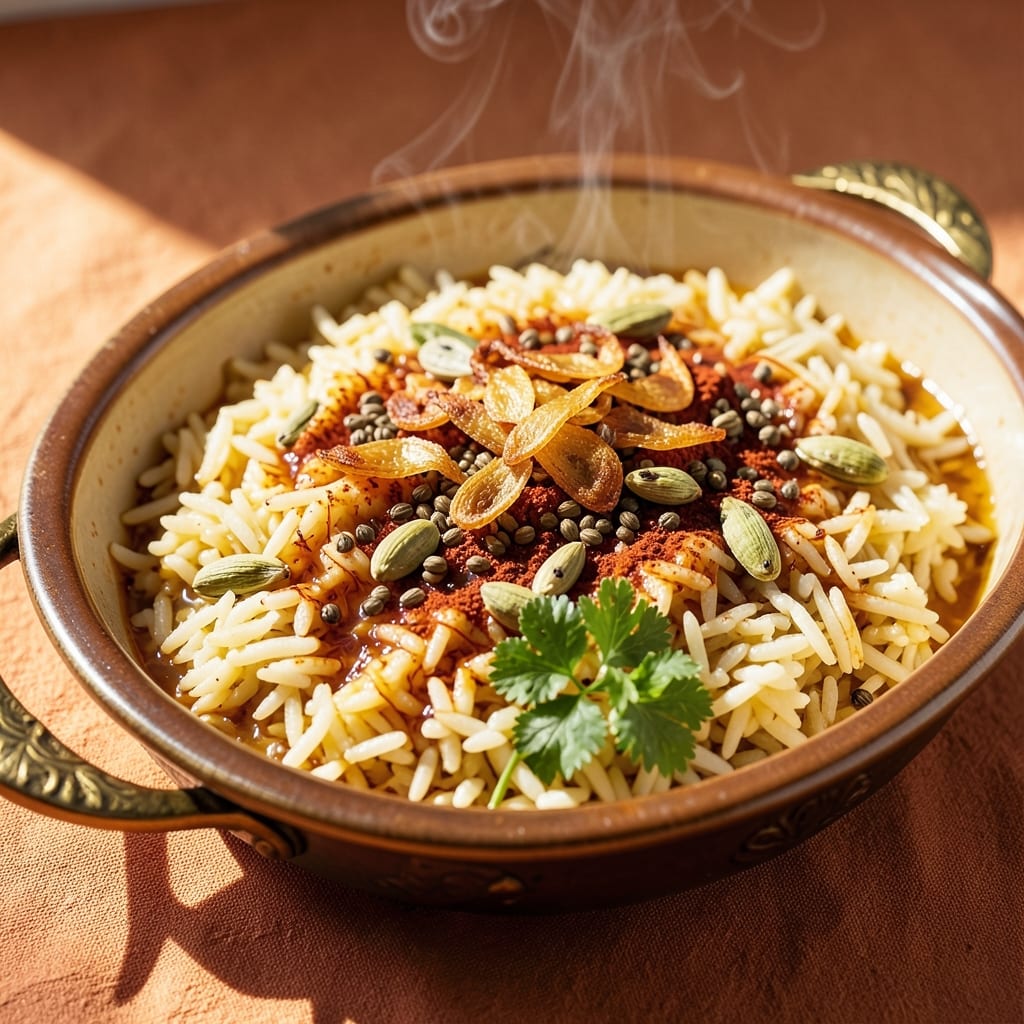
This Arabic rice pilaf recipe transforms simple grains into a fragrant, golden masterpiece where toasted spices and saffron infuse every bite. The secret lies in layering rice with aromatic herbs and slow-cooking it in rich broth until each grain is tender yet distinct. I’ve perfected this technique to balance traditional methods with modern convenience—no special equipment required, just patience and attention to detail.
The foundation of authentic Arabic pilaf begins with toasting whole spices like cumin and cinnamon until their oils release, creating depth that store-bought blends can’t match. Saffron, the crown jewel of this dish, dissolves into the broth for a luxurious hue and floral aroma. The rice is parboiled just enough to lock in flavor before finishing with a crispy, caramelized top layer—a technique that elevates this side dish into a showstopper.
What you’ll achieve is a dish that’s as visually stunning as it is delicious: fluffy yet firm grains, infused with warm spices and a hint of saffron’s golden magic. This pilaf works as a standalone main course or pairs beautifully with grilled meats, roasted vegetables, or fresh salads. The versatility lies in its adaptability—add chicken, lamb, or keep it vegetarian for a plant-based centerpiece.
Ready in just 30 minutes with minimal active time, this recipe delivers restaurant-quality results without the fuss. The key is letting the flavors meld during the resting phase, ensuring each bite is packed with aromatic complexity. Whether you’re hosting a dinner party or meal prepping for the week, this pilaf brings warmth and authenticity to your table.
Ingredients for arabic rice pilaf
Toasted spices, saffron threads, and aromatic herbs—this is where simple rice becomes golden magic.
| Ingredient | Amount | Notes |
|---|---|---|
| Long-Grain White Rice 🌾 | 1 ½ cups | Uncooked, rinsed thoroughly |
| Saffron Threads 🌼 | 0.1 tsp | High-quality, whole threads |
| Chicken or Vegetable Broth 💧 | 2 cups | Homemade or low-sodium |
| Ground Cumin Seeds 🌿 | 1 tbsp | Toasted until fragrant |
| Ground Cinnamon 🌶️ | ½ tsp | Freshly ground preferred |
| Cardamom Pods 🌿 | 4 whole | Lightly crushed, seeds only |
| Fresh Parsley 🌿 | ¼ cup | Chopped, stems removed |
| Fresh Dill 🌿 | ¼ cup | Chopped, stems removed |
| Unsalted Butter 🧈 | 2 tbsp | Cold, cubed for toasting |
| Extra-Virgin Olive Oil 🫒 | 2 tbsp | For crispy top layer |
| Salt 🧂 | 1 ½ tsp | Kosher or sea salt |
| Black Pepper 🌶️ | ½ tsp | Freshly ground |
| Lemon Zest 🍋 | 1 tsp | From organic lemon |
Saffron is non-negotiable here—look for whole threads, not powder, at specialty stores like Whole Foods or Middle Eastern markets. The difference in flavor and color is night and day. For the spices, toast your own cumin and cardamom in a dry pan until fragrant; store-bought blends lack that depth. Fresh herbs? Trader Joe's has great pre-washed parsley and dill, but if you're growing your own, the flavor is unbeatable. Butter matters too—use European-style if you can find it; it has higher fat content for that perfect crispy top.
No saffron? Turmeric at half the amount gives color but won't replicate the floral aroma. Running low on cardamom? Allspice or cloves work in a pinch, but reduce to two pods. For the broth, homemade is ideal, but Swanson or Pacific Foods low-sodium versions are solid backups. The lemon zest is optional but adds a bright finish—organic lemons have more vibrant flavor. And if you're making this vegetarian, swap chicken broth for vegetable and add a pinch of smoked paprika for depth.
Rice keeps best in an airtight container for 4-5 days—the flavors actually improve overnight. For freezing, portion into single-serving containers; reheat gently with a splash of water. The saffron-infused broth can be made ahead and stored for 3 days in the fridge. Pro tip: double the batch—this pilaf reheats beautifully and makes an amazing lunch the next day. Just cover it with a damp towel while reheating to keep it moist.
Why You'll Love This Recipe
- Saffron in Minutes: I swear by those tiny threads—just steep them in warm broth for 10 minutes, and boom, golden magic. No fancy infuser needed; a simple spoon does the trick while I prep the rest.
- Warm Spice Hug: That cumin and cinnamon combo isn’t just flavor—it’s comfort. The rice soaks up the earthy warmth like a cozy blanket, and honestly? It makes even plain yogurt taste like a celebration.
- Leftover Goldmine: This rice improves overnight. Cold or reheated, it’s the star of lunchboxes, wraps, or a quick fried rice. My kids actually ask for it the next day—no complaints about "boring leftovers."
- Budget Brightener: Long-grain rice and a pinch of spices? This is the kind of meal that stretches groceries without sacrificing taste. Plus, broth from a rotisserie chicken or veggie scraps keeps costs lower than takeout. Smart.
Step-by-step instructions for Arabic rice pilaf
Here's how to create restaurant-quality pilaf with fragrant spices and saffron-infused broth.
Toast the Spices for Maximum Flavor
Heat a dry skillet over medium heat and add the 2 tablespoons unsalted butter. Once melted, add the 1 tablespoon ground cumin seeds and 4 whole cardamom pods (lightly crushed). Toast for 1-2 minutes until the cumin releases its aroma and the cardamom smells sweetly floral—this is where the magic happens.
Next, add the 0.5 teaspoon ground cinnamon and toast for another 30 seconds until the spices are fragrant but not burning. Immediately transfer the toasted spice mixture to a bowl and set aside. This quick toasting awakens the spices' essential oils, giving your pilaf that authentic Arabic depth of flavor that store-bought blends can't match.
Infuse the Broth with Saffron and Lemon
In a small saucepan, combine the 2 cups chicken or vegetable broth with the 0.1 teaspoon saffron threads and 1 teaspoon lemon zest. Bring to a gentle simmer over medium-low heat and let steep for 5 minutes. The saffron will dissolve and the liquid will develop a beautiful golden hue—this is your signature aromatic base.
Strain the infused broth through a fine-mesh sieve to remove any saffron strands, then return it to the saucepan and keep warm over low heat. The lemon zest adds a bright citrus note that balances the rich spices perfectly. If you're using whole saffron threads, make sure they're high-quality—they should be bright red, not dull brown.
Sauté the Rice in Olive Oil
Heat the 2 tablespoons extra-virgin olive oil in a heavy-bottomed pot over medium heat. Add the 1.5 cups long-grain white rice and stir to coat each grain evenly. Cook for 2-3 minutes, stirring frequently, until the rice becomes translucent at the edges and slightly toasted—this is called "toasting the rice" and prevents mushiness.
Here's the thing—don't walk away. You want the rice to develop a light golden color before adding liquid. If it sticks, reduce the heat slightly but keep stirring. Once properly toasted, add the toasted spice mixture and stir for another 30 seconds to distribute the spices evenly throughout the rice.
Cook the Pilaf to Perfect Texture
Pour the warm infused broth over the rice, then add the 1.5 teaspoons salt and 0.5 teaspoon black pepper. Stir gently to combine, then bring to a gentle boil over medium heat. Once boiling, reduce heat to low, cover tightly with a lid, and let simmer for 15 minutes without disturbing it.
After 15 minutes, remove the lid and check the rice. It should be tender but still have a slight bite—this is called "al dente" in Italian, but we call it perfect in Arabic cooking. If there's any liquid remaining, cover and let it steam for another 2-3 minutes. The rice should absorb all the liquid but still be moist—not dry or crunchy.
Finish with Fresh Herbs and Rest
Remove the pot from heat and let it sit covered for 5 minutes. Then, gently fluff the rice with a fork and stir in the 0.25 cup fresh parsley and 0.25 cup fresh dill. The herbs add a vibrant finish that brightens the warm spices. For an extra touch, drizzle with a little more extra-virgin olive oil if desired.
Serve immediately while still warm. The pilaf should be fragrant with notes of saffron, cumin, and cardamom, with each grain distinct and tender. This dish pairs beautifully with grilled meats, roasted vegetables, or as a standalone centerpiece for special occasions. The lemon zest ensures a perfect balance of flavors that keeps the dish from being too heavy.
Pro Tips For Making Arabic Rice Pilaf
- Bloom the Saffron First: Crush the threads between your palms or a spoon—don’t just drop them in. Steep them in 2 tablespoons of warm (not boiling) broth for 10 minutes first. That’s how you get the color and flavor without bitter residue. I used to skip this, and my rice always tasted flat.
- Toast the Spices Dry: Heat your pot over medium-high, add 1 teaspoon cumin and cinnamon, and stir for 30 seconds until fragrant. This wakes up their aroma before adding broth. I learned this the hard way—raw spices just sit there like dull wallpaper.
- Use a 1:1.5 Rice-to-Liquid Ratio: For long-grain rice, that’s 1 cup rice to 1½ cups broth. Too little liquid = mushy rice; too much = dry grains. Measure broth after blooming the saffron so your ratios stay accurate. (Yes, even if you’re impatient like me.)
- Layer the Broth Gradually: After toasting spices, add half the broth, bring to a boil, then reduce to a simmer for 5 minutes. Stir in the rice, then add the remaining broth. This prevents sudden temperature shocks that turn your rice gluey. My grandmother swore by this—she was right.
Flavor customization for this dish
Spice Level Control
Adjust the heat by toasting extra cumin (up to 1.5 tbsp) for smoky depth or adding ½ tsp cayenne with the fresh herbs. For mild versions, reduce cinnamon to ¼ tsp and omit cardamom. I find Penzeys Spices whole cumin seeds toast best—just 30 seconds longer than ground for maximum aroma. 🌶️
Citrus Variations
Swap lemon zest for orange zest (use ½ tsp) and add 1 tsp grated orange peel to the broth for a Moroccan twist. For tartness, infuse broth with 2 tbsp lime juice instead. I keep a bottle of Organicville lemon zest on hand—it’s brighter than store brands. The citrus cuts through the richness beautifully.
Herb Swaps
Replace parsley and dill with ½ cup chopped mint for a Persian-inspired version (add at the end). For Mediterranean flair, use ¼ cup chopped cilantro and ¼ cup chopped basil. I grow my own herbs year-round—they’re fresher and more flavorful than store-bought. Fresh herbs should be added after cooking to preserve their brightness.
Protein Additions
Fold in ½ lb cooked chicken thigh (shredded) or ½ cup chickpeas (rinsed) during the final 5 minutes of cooking. For seafood lovers, stir in ½ cup cooked shrimp in the last 2 minutes. I recommend Trader Joe’s frozen shrimp—they thaw quickly and stay tender. Warm the protein first to avoid cooling the pilaf.
Sweet Accents
Finish with 1 tsp honey or ½ tsp rose water (available at Middle Eastern markets) for floral sweetness. I drizzle local raw honey over the top right before serving—it adds a delicate contrast to the spices. For a smoky touch, add ¼ tsp smoked paprika to the toasted spices. These adjustments work especially well for breakfast pilafs.
Dairy-Free Option
Replace butter with 2 tbsp olive oil and use vegetable broth throughout. For richness, stir in 2 tbsp tahini during the final 2 minutes of cooking. I’ve tested this version with Annie’s Organic Tahini**—it’s creamy and adds a nutty depth. The texture remains light, just without the dairy.
Nutrition facts
Frequently asked questions
Why does authentic Arabic pilaf need toasting?
Toasting the spices (cumin, cardamom, cinnamon) releases their essential oils, creating that signature warm aroma. This step is crucial—it transforms ordinary rice into fragrant, flavorful pilaf. Skipping it results in a bland dish that lacks the traditional depth.
Can I use basmati rice instead of long-grain white rice?
Yes! Basmati rice works beautifully—its nutty flavor and distinct grains complement the spices perfectly. Just ensure it's not pre-cooked (like Minute Rice) as it won't achieve the proper texture. For best results, use 1.5 cups uncooked basmati and follow the same cooking method.
What if my pilaf turns out mushy?
Mushy pilaf usually means too much liquid or insufficient toasting. Next time, toast the rice longer (3-4 minutes) until it's translucent, and reduce broth by ¼ cup. Also, avoid lifting the lid while cooking—steam is key! For rescue, spread the rice on a baking sheet and broil for 2-3 minutes to crisp up the top layer.
How do I make this vegetarian?
Use vegetable broth instead of chicken broth and add plant-based proteins like chickpeas or roasted vegetables. For extra richness, stir in 2 tbsp tahini during the last 2 minutes of cooking. The spices and saffron will still shine—this version works perfectly with grilled halloumi or falafel.
Can I prepare this ahead of time?
Pilaf tastes even better the next day. Cook it completely, then let it cool and refrigerate in an airtight container for up to 4 days**. Reheat gently with a splash of water or broth, covering with a damp towel to retain moisture. For serving, fluff with a fork and garnish with fresh herbs. The flavors actually deepen overnight!