
Main Courses
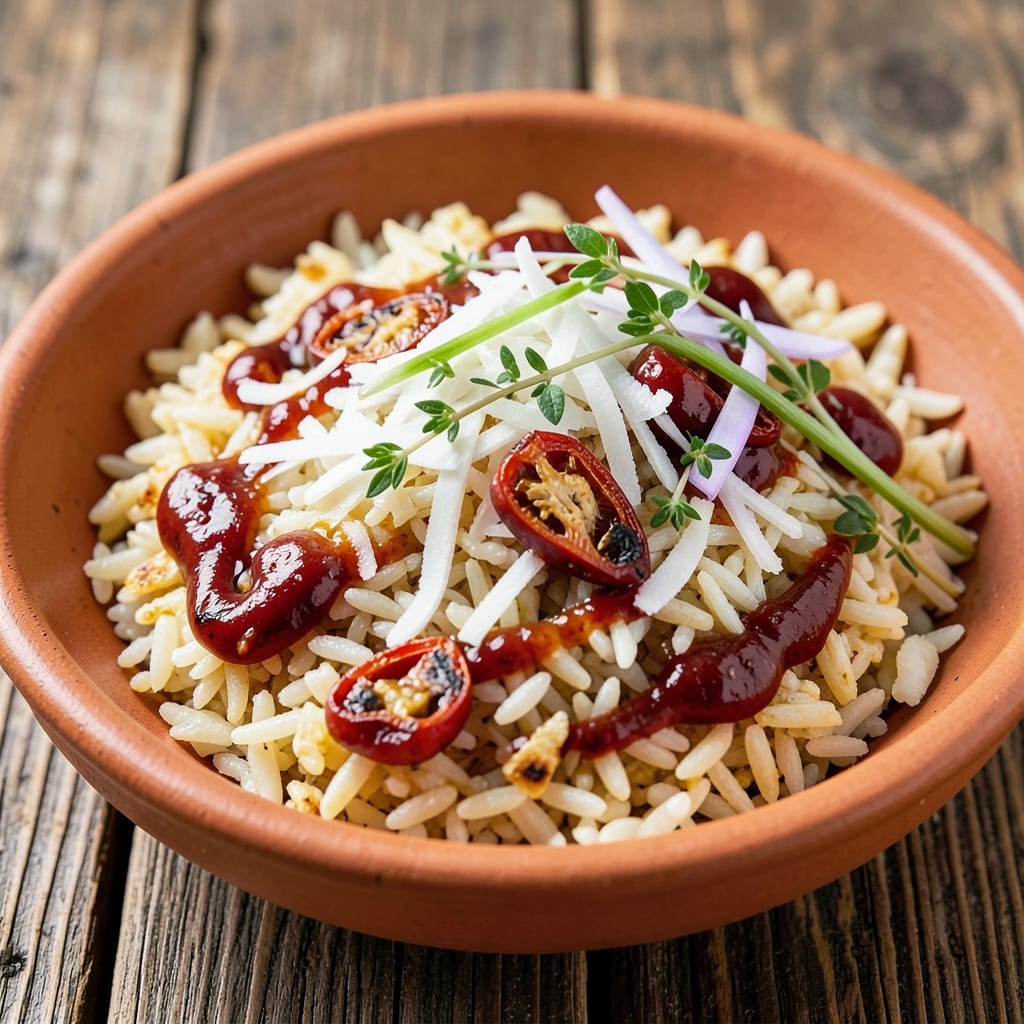
This Antiguan seasoned rice recipe brings the vibrant flavors of the Caribbean to your kitchen in just one pot—where fragrant thyme, toasted coconut, and warm spices transform simple rice into a dish that tastes like a homecoming. 🌟 The secret lies in the slow-cooked tomato base and the perfect balance of sweet, savory, and heat, a technique passed down through generations. This isn’t just rice; it’s the heart of every Antiguan meal, packed with texture and depth that makes it unforgettable.
The magic happens with a blend of thyme, scallions, and Scotch bonnet peppers, simmered until the flavors meld into a rich, aromatic base. Coconut flakes add a delightful crunch, while the rice absorbs the spices and moisture perfectly, resulting in grains that are tender yet distinct. What sets this recipe apart is the patience—letting the spices bloom and the rice cook low and slow ensures every bite is infused with flavor, not just seasoned.
By the time you’re done, you’ll have a dish that’s as visually stunning as it is delicious: golden rice speckled with coconut, topped with crispy edges and a hint of smoky spice. It’s the kind of meal that pairs beautifully with grilled fish, jerk chicken, or even on its own as a satisfying centerpiece. The best part? It’s a one-pot wonder, meaning minimal cleanup and maximum flavor for your effort.
Whether you’re cooking for a family gathering or treating yourself to a taste of the Caribbean, this recipe delivers restaurant-quality results with simple techniques. Let’s get started—your kitchen will smell like home before the first bite.
Ingredients for antiguan seasoned rice
Here’s what transforms simple rice into Caribbean magic—spices, coconut, and patience.
| Ingredient | Amount | Notes |
|---|---|---|
| Long-Grain White Rice 🍚 | 2 cups | Uncooked, rinsed well |
| Unsweetened Shredded Coconut 🥥 | ½ cup | Toasted for extra flavor |
| Scotch Bonnet Peppers 🌶️ | 1 whole | Seeds removed for mild heat |
| Fresh Thyme Leaves 🌿 | ¼ cup | Chopped, stems removed |
| Scallions 🧅 | ¼ cup | Thinly sliced, white/green parts |
| Tomato Paste 🍅 | ½ cup | Smooth, not chunky |
| Chicken Broth 💧 | 2 cups | Low-sodium preferred |
| Olive Oil 🫒 | 2 tbsp | Extra-virgin for richness |
| Ground Allspice 🌶️ | ½ tsp | Freshly ground if possible |
| Ground Cinnamon 🍃 | ¼ tsp | Pure, no additives |
| Salt 🧂 | 1 tsp | Kosher or sea salt |
| Black Pepper 🌶️ | ¼ tsp | Freshly ground preferred |
| Bay Leaves 🌿 | 2 whole | Removed before serving |
The Scotch bonnet is non-negotiable for that authentic kick—Caribbean Marketplace or Latin grocery stores usually carry them. If you can’t find it, Habanero at half the amount works in a pinch (trust me, it’s worth the hunt). Fresh thyme and scallions make all the difference—Trader Joe’s has great bundles of both. For the coconut, unsweetened shreds toasted in the dry pan until golden add that perfect crunch. The tomato paste? San Marzano is ideal—smooth and rich—but any quality brand will do. Don’t skip rinsing the rice; it removes excess starch so the grains stay distinct.
No Scotch bonnet? Jalapeño plus a dash of cayenne mimics the heat, though the flavor won’t be identical. Short on thyme? Oregano at half the amount bridges the gap, but it’s not the same. The broth can be swapped for vegetable broth if you’re avoiding meat, though chicken broth deepens the savory notes. For extra richness, stir in 1 tbsp of coconut milk at the end—it’s a game-changer. The spices? Penzeys or bulk bins at natural markets are your best bet for quality. Toast the allspice and cinnamon in the oil first—this blooms their flavors and makes the whole dish smell like home.
This rice tastes even better the next day—3-4 days in the fridge, sealed tightly. For leftovers, reheat with a splash of water or broth to restore moisture. Freezes beautifully for up to 3 months—portion into containers so you can grab a serving straight from the freezer. The coconut stays crispy if you add it fresh after reheating. Double the batch if you’re feeding a crowd; it’s the kind of dish that disappears fast.
Why You'll Love This Recipe
- No Pot Stirring Needed: I swear by this—just layer the rice, coconut, and broth, then let it steam. The scotch bonnet peppers infuse the whole pot while you’re chopping veggies for the rest of dinner. Minimal effort, maximum flavor without the fuss.
- Heat That Stays Memorable: That first bite? The charred scotch bonnet meets the creamy coconut—it’s like a tropical hug. Honestly, the rice isn’t just seasoned; it’s transformed. The thyme leaves add this earthy backbone that makes it taste like a Caribbean vacation in a bowl.
- Leftovers That Don’t Suck: Between us, most rice turns into sad, dry glue after day two. Not this. The coconut keeps it moist, and the scallions add a fresh kick even reheated. I’ve packed this for lunches all week—no complaints, ever.
- Budget Meal, Big Flavor: Long-grain rice is cheap, coconut’s versatile, and a single scotch bonnet stretches across three meals. I’ll be real: my grocery bill stays low, but my dinner table feels like a feast. Plus, it’s the kind of dish where a little goes a long way.
Step-by-step instructions for Antiguan seasoned rice
Let's create this vibrant, coconut-kissed rice with layers of Caribbean warmth—one pot at a time.
🍳 Step 1: Toast the Coconut and Aromatics
Heat the 2 tablespoons olive oil in a heavy-bottomed pot over medium heat. Add the 0.5 cup unsweetened shredded coconut and toast for 2-3 minutes until golden and fragrant—you'll smell that nutty coconut aroma filling your kitchen. Remove the coconut with a slotted spoon and set aside.
In the same pot, add the 1 whole Scotch bonnet pepper (seeds removed), 0.25 cup chopped fresh thyme leaves, and 0.25 cup sliced scallions. Cook for 1 minute until the pepper softens slightly and the thyme releases its earthy scent. This quick sauté builds the flavor foundation without letting the pepper turn bitter.
🍳 Step 2: Build the Spiced Base
Add the 0.5 cup tomato paste and stir for 1 minute until it darkens slightly—this deepens the color and flavor. Pour in the 2 cups chicken broth and bring to a gentle boil. Stir in the 2 cups long-grain white rice, 1 teaspoon salt, 0.5 teaspoon ground allspice, 0.25 teaspoon ground cinnamon, and 0.25 teaspoon black pepper.
Drop in the 2 whole bay leaves and reduce heat to low. Here's the thing—you want the rice to simmer gently, not boil vigorously. If it boils too hard, the grains will break apart. Cover the pot and cook for 20 minutes without peeking—this steaming phase is where the rice absorbs the coconut and spice flavors.
🥘 Step 3: Fluff and Incorporate the Coconut
After 20 minutes, remove the pot from heat and let it sit covered for 5 minutes. This resting period lets the rice finish cooking evenly. Gently fluff the rice with a fork, then stir in the toasted coconut you set aside earlier. The coconut should be evenly distributed—this is where you get that signature crunch and coconut sweetness in every bite.
If the rice feels dry, uncover the pot and add 2-3 tablespoons water, then cover again for 2 more minutes. The coconut will help keep the rice moist while adding that tropical texture. Taste and adjust seasoning—you might need a pinch more salt to balance the coconut sweetness and spice.
⏰ Step 4: Rest and Serve
Let the rice rest covered for 5 minutes before serving. This final rest ensures the grains are perfectly tender and the flavors meld completely. Remove and discard the bay leaves before serving—you don't want them in your final dish.
Serve immediately with your choice of protein—grilled jerk chicken, fish, or even just on its own. The rice should be fluffy with distinct coconut pieces throughout, carrying those warm spices and a hint of smoky tomato depth. Each grain should be separate but tender, with that perfect crunch from the toasted coconut in every bite.
Pro Tips For Making Antiguan Seasoned Rice
- Toast the Coconut: Toss that shredded coconut in a dry pan for 30 seconds before adding it to the rice—just until it smells like a Caribbean breeze. I learned this the hard way: skipping it makes the coconut taste flat and underwhelming, like a ghost of its tropical self.
- Seed the Scotch Bonnet: Cut open that Scotch bonnet, remove the seeds and veins, then finely chop the flesh—keep it in the mix but control the heat. After burning my first batch, I realized the seeds add bitterness that fights with the sweet coconut. (Yes, even if you love spice, this balances the dish.)
- Layer the Scallions: Add half the scallions with the rice and save the rest for the very end—stir them in just before serving. The early ones soften into the rice, while the fresh ones on top give that bright, sharp finish that makes the dish feel complete. (Your future self will notice the difference.)
- Use a Heavy Pot: A stainless steel or cast-iron pot distributes heat better than nonstick, so the rice cooks evenly without sticking or burning. I used to rush this with a flimsy pan, and the rice would either stick or dry out. (This isn’t the prettiest method, but it’s the tastiest.)
Essential equipment for this dish
Heavy-Bottomed Pot
This is your secret weapon for even cooking—Le Creuset Dutch ovens or All-Clad stainless steel pots distribute heat perfectly, preventing hot spots that can burn your rice. I’ve ruined rice in flimsy pans before, but a 5-6 quart pot with thick walls makes all the difference. If you’re on a budget, Calphalon nonstick works too, though it lacks the same heat retention. 🔥
Slotted Spoon
A long-handled slotted spoon (like the OXO Good Grips) is essential for removing the toasted coconut and aromatics without losing any flavor in the pot. I use mine to gently stir the rice too—it’s perfect for fluffing without breaking the grains. Look for one with silicone tips for extra safety when handling hot pots.
Fine-Mesh Strainer
Rinsing your 2 cups long-grain white rice in a fine-mesh strainer (I love the OXO Good Grips collapsible one) removes excess starch, so your grains stay distinct and fluffy. A regular colander won’t cut it—starch clumps can turn your rice gluey. Rinse until the water runs clear, then drain well before cooking. 💧
Wooden Spoon
A heat-resistant wooden spoon (like Ozeri Touch-Grip) is ideal for stirring the tomato paste and spices—it won’t scratch your pot or react to the acidity. I avoid metal spoons here because they can accelerate browning and alter flavors. Wood also helps prevent sticking when you’re building the spiced base.
Timer with Alarm
Set a visual timer (like the Amazon Basics kitchen timer) for the 20-minute simmering phase—this prevents overcooking or peeking, which releases steam and disrupts the cooking process. I place mine where I’ll see it clearly, like on the stove’s edge. A phone alarm works too, but a dedicated timer keeps you focused on the cooking.
Optional: Mortar and Pestle
For an extra layer of flavor, toast and lightly crush the 0.5 tsp ground allspice and 0.25 tsp ground cinnamon in a marble mortar and pestle before adding to the oil. This releases their aromatic oils more fully. A spice grinder works in a pinch, but fresh-toasting makes a noticeable difference in depth of flavor. ✨
Nutrition facts
Frequently asked questions
Can I make this Antiguan rice without coconut?
The toasted coconut adds that signature crunch and sweetness, but you can substitute with ½ cup toasted pepitas (pumpkin seeds) or ½ cup chopped almonds for a similar texture. For flavor, add 1 teaspoon extra ground cinnamon to compensate. Just note—the coconut is what makes this dish uniquely Antiguan, so skip it at your own flavor risk!
How spicy is this recipe with Scotch bonnet?
The recipe uses 1 whole Scotch bonnet with seeds removed, which gives a medium heat—think "noticeable but not overwhelming." For milder heat, reduce to ½ pepper or swap for 1 jalapeño + ¼ teaspoon cayenne. Always taste the pepper before cooking!
Can I use instant rice or pre-cooked rice?
This recipe relies on the 20-minute simmering process to build flavor—it won't work with instant rice. For pre-cooked rice, try this: Mix 2 cups cooked rice with ½ cup coconut milk, 1 tablespoon tomato paste, and ½ teaspoon allspice, then heat through. The texture will be softer but still delicious!
What's the best way to store leftovers?
Store in an airtight container in the fridge for 3-4 days or freeze for up to 3 months. To reheat, sprinkle with 1 tablespoon water and cover for 2 minutes on high heat. The coconut stays crispy if added fresh after reheating. Pro tip: Portion before freezing for easy single servings!
How do I adjust this for a vegetarian version?
Swap the chicken broth for vegetable broth and add ½ cup diced tomatoes with the tomato paste. For extra flavor, stir in 1 teaspoon soy sauce or ½ teaspoon smoked paprika after cooking. The dish will still be rich and satisfying—just more plant-forward!