
Main Courses
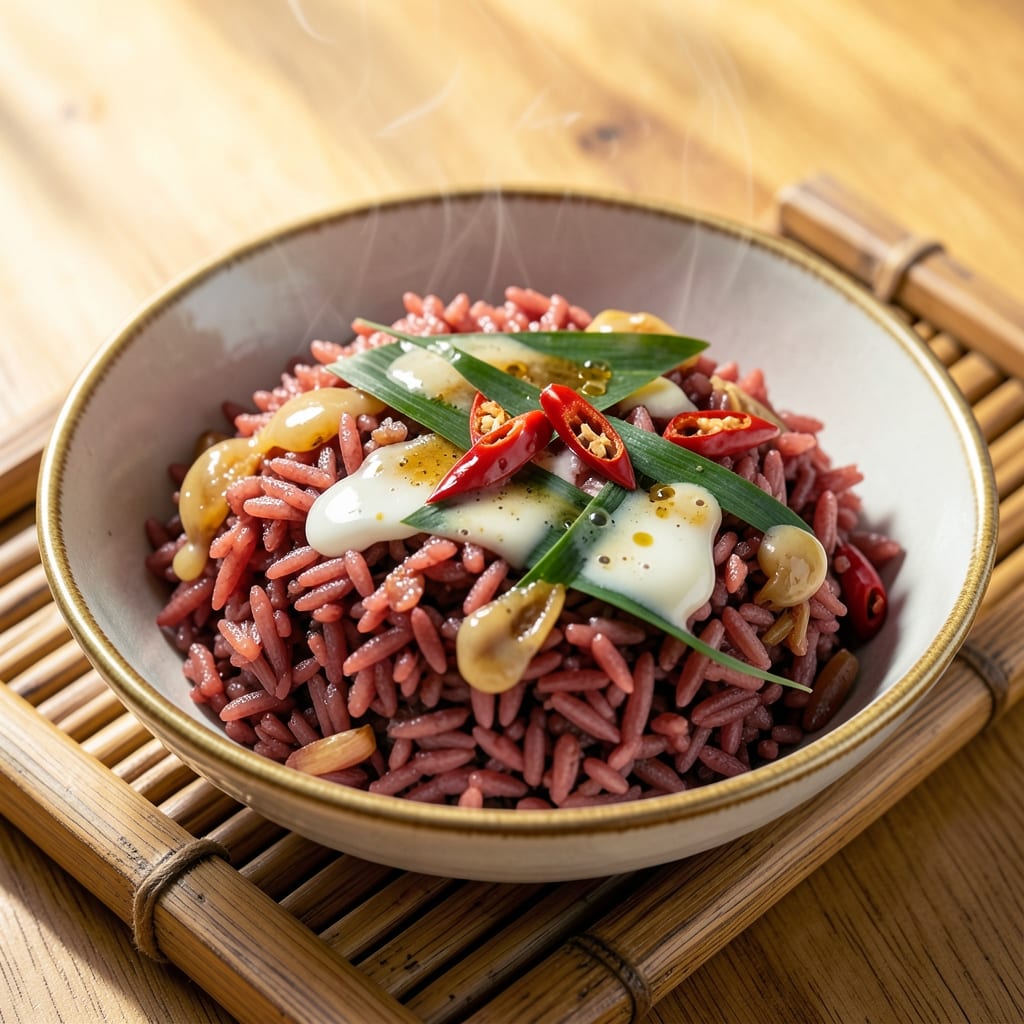
This Asian red rice recipe transforms simple jasmine rice into a fragrant, smoky masterpiece with just a few key ingredients. The combination of coconut milk, pandan leaves, and chili heat creates a dish that's both comforting and complex—perfect for weeknight dinners or special occasions. I developed this version after years of experimenting with regional styles, ensuring it delivers authentic flavor without requiring specialized equipment.
The secret lies in proper soaking and slow cooking, which develops the rice's natural sweetness while absorbing the rich coconut and aromatic spices. Unlike traditional white rice, red rice benefits from this gentle treatment, resulting in grains that stay tender yet hold their shape. This method works equally well on the stovetop or in a rice cooker, making it incredibly adaptable for any kitchen.
What you'll end up with is a vibrant red rice dish with a delicate balance of smoky, sweet, and slightly spicy flavors. The coconut milk adds creaminess without overpowering, while the pandan leaves contribute a subtle floral aroma that's characteristic of Southeast Asian cuisine. Each bite offers a satisfying texture—soft grains with just enough bite to keep it interesting.
Serve this red rice alongside grilled meats, fresh herbs, or as a standalone dish with a sprinkle of toasted coconut. The recipe scales beautifully for family gatherings or meal prep, and leftovers taste even better the next day as the flavors meld further. Let's get started on this aromatic, flavor-packed rice dish that will become a staple in your cooking routine.
Ingredients for asian red rice
Authentic Asian red rice relies on these carefully chosen ingredients for vibrant color and layered flavors.
| Ingredient | Amount | Notes |
|---|---|---|
| Jasmine Rice 🌾 | 1 ½ cups | Uncooked, long-grain preferred |
| Full-Fat Coconut Milk 🥥 | 13 ½ oz | Canned, full-fat preferred |
| Pandan Leaves 🌿 | 3 whole | Fresh or frozen, tied in cheesecloth |
| Bird's Eye Chilies 🌶️ | 4 whole | Adjust for heat preference |
| Garlic Cloves 🧄 | 4 cloves | Peeled, roughly chopped |
| Shallots 🧅 | 2 whole | Peeled, thinly sliced |
| Coconut Oil 🫒 | 2 tbsp | Refined or virgin |
| Smoked Salt 🧂 | ½ tsp | Or regular salt plus pinch smoked paprika |
| White Peppercorns 🌶️ | ¼ tsp | Freshly ground |
| Toasted Coconut Flakes 🥥 | ¼ cup | For garnish, optional |
| Lime Juice 🍋 | 1 tbsp | Freshly squeezed |
| Fresh Cilantro 🌿 | ¼ cup | Chopped, for garnish |
| Water 💧 | 2 ½ cups | Filtered preferred |
The jasmine rice forms the aromatic base, but Thai Kitchen or Lotus Foods brands ensure consistent quality. Pandan leaves, often found in Asian markets, are essential for that floral depth—frozen works fine if fresh isn't available. For the chilies, Trader Joe's carries bird's eye chilies in jars, or use Thai bird's eye chilies from specialty stores. The coconut milk should be full-fat for proper creaminess, and Goya or Chaokoh brands deliver reliable results. Shallots add sweetness without overpowering, while the garlic provides that essential aromatic foundation.
No pandan leaves? Vanilla extract at half the amount offers a similar floral note, though it lacks the true pandan flavor. Running short on bird's eye chilies? Thai red curry paste (1 tbsp) delivers comparable heat. The smoked salt can be replaced with regular salt plus a pinch of smoked paprika, though the smoky depth will be slightly less pronounced. For the coconut oil, refined is preferred to avoid overpowering the dish with coconut flavor, but virgin works in a pinch. Fresh herbs are ideal, but dried cilantro works at one-third the amount—just know it'll be less vibrant.
Store uncooked rice in a cool, dry place for up to 6 months, while coconut milk keeps in the pantry for 2 years once opened. The cooked rice reheats beautifully with a splash of water—microwave 2 minutes or stovetop for 3-4 minutes. For meal prep, portion into airtight containers and refrigerate for 4-5 days or freeze for 3 months. Garnishes like toasted coconut and cilantro can be added fresh when serving to maintain vibrant presentation.
Why You'll Love This Recipe
- One-Pot Magic: I swear by this—just toss everything in one pot, walk away, and come back to fragrant, sticky rice. No fancy equipment, no stress, and the coconut milk does all the heavy lifting.
- Pandan Perfection: That faint floral aroma from the pandan leaves? It’s the secret weapon. Lightly fragrant, not overpowering—just enough to make this rice feel like a little vacation in every bite.
- Lunchbox Hero: Between us, this is my go-to for packed lunches. The chilies add a kick, the garlic keeps it interesting, and it reheats like a dream. (Yes, even on a Tuesday night.)
- Budget Stretch: Full-fat coconut milk might sound fancy, but a can goes a long way here. A single batch feeds four, tastes even better the next day, and you’ll use up those random spices before they gather dust.
Step-by-step instructions for smoky coconut red rice
Master this aromatic one-pot method for vibrant red rice with layers of smoky, spicy depth.
Toast the Aromatics and Build the Base
Heat the 2 tablespoons coconut oil in a heavy-bottomed pot over medium heat. Add the 2 whole shallots and 4 cloves garlic cloves, cooking for 3-4 minutes until the shallots soften and turn translucent. The garlic should smell intensely fragrant without browning—this ensures sweetness rather than bitterness.
Add the 4 whole bird's eye chilies and 3 whole pandan leaves (tied in cheesecloth if using fresh). Stir for 1 minute until the chilies darken slightly and release their aroma. This step develops the foundational flavors that will infuse the rice throughout cooking. Remove the pandan leaves after topping if using fresh—you only need their essence, not their texture.
Toast the Rice and Infuse with Coconut
Add the 1.5 cups jasmine rice to the pot and stir for 2 minutes until the grains become translucent at the edges. This toasting step prevents mushiness and enhances the nutty flavors of the rice. Pour in the 2.5 cups water and bring to a gentle boil, then immediately reduce heat to low and cover tightly with a lid.
Simmer for 10 minutes without disturbing. The rice will absorb the water and begin steaming—this initial phase ensures even cooking. After 10 minutes, remove the lid and stir once to redistribute any settled rice at the bottom. The grains should look plump but still slightly firm to the touch.
Incorporate Coconut Milk and Seasonings
Pour in the 13.5 oz full-fat coconut milk and stir gently to combine. Sprinkle the 0.5 teaspoon smoked salt and 0.25 teaspoon white peppercorns over the surface, then stir once more to distribute evenly. Return the lid and simmer on low heat for 20 minutes, maintaining a gentle steam without boiling vigorously.
Here's the thing—this slow simmering phase is where the magic happens. The coconut milk will gradually break down, creating a creamy, fragrant base that coats each grain. After 20 minutes, the rice should be tender but still hold its shape when pressed between fingers. If it's not quite there, continue cooking for 5 more minutes—undercooked rice will continue to absorb moisture and firm up as it rests.
Finish with Acid and Garnish
Remove the pot from heat and stir in the 1 tablespoon lime juice. The acidity brightens the flavors and cuts through the richness of the coconut milk. Let the rice sit, covered, for 5 minutes to allow the lime to meld with the other ingredients. This resting period also lets the rice finish absorbing any remaining liquid.
Garnish with 0.25 cup fresh cilantro and 0.25 cup toasted coconut flakes, tossing gently to distribute. The contrast of fresh herbs and toasted coconut adds texture and visual appeal. Serve immediately while the rice is still steaming—this aromatic red rice is best enjoyed fresh, with each grain infused with smoky, spicy coconut essence.
Pro Tips For Making Asian Red Rice
- SOAK THE RICE FIRST: I learned this the hard way—skipping the soak means your rice will turn out gummy no matter how much you stir. Rinse jasmine rice until the water runs clear, then soak for at least 20 minutes in room-temperature water. The starch breaks down, and the grains stay separate even after simmering in coconut milk.
- TOAST THE GARLIC LOW: Burnt garlic ruins everything, and it happens faster than you think. Sauté minced garlic in coconut milk over low heat until just fragrant—about 3-4 minutes. High heat turns it bitter; patience here means the whole dish tastes balanced, not acrid.
- USE FRESH PANDANA LEAVES: Dried pandan extracts work in a pinch, but fresh leaves give that unmistakable floral depth. Tie 2-3 leaves in cheesecloth or a small bundle—no need to chop. Simmer them with the rice; strain before serving, or leave them in if you’re feeling lazy (they’ll soften but still infuse flavor).
- STIR THE RICE CONSTANLY: This isn’t a set-it-and-forget-it dish. After adding coconut milk, stir the rice every 2-3 minutes for the first 10 minutes to prevent sticking. The high fat content makes it clump easily, and once it does, you’re stuck with gluey rice. A wooden spoon works best—it’s gentle on the pot.
Flavor customization for this asian red rice
Spice Level Control
Adjust the heat to your preference by modifying the bird's eye chilies. For mild heat, remove the seeds and membranes before adding them, or reduce the quantity to 2 whole chilies. If you love medium heat, keep the chilies whole but use 4-5 pieces. For fiery intensity, add 1 extra chili or include 1 teaspoon of chili flakes during the toasting step. I often start with 3 chilies for a balanced spice level that lets the coconut and pandan shine. 🌶️
Sweet and Smoky Balance
Enhance the smoky depth by adding ½ teaspoon of liquid smoke when incorporating the coconut milk, or swap the smoked salt for ½ teaspoon regular salt + ¼ teaspoon smoked paprika. For extra sweetness, stir in 1 tablespoon of brown sugar during the final 5 minutes of cooking. This adjustment mirrors the caramelized notes found in Thai-style red rice. I find this works especially well when serving with grilled proteins. ✨
Herbal Variations
Swap out pandan leaves for 1 teaspoon of pandan extract (found in Asian markets) if fresh isn't available. For a citrusy twist, add 1 strip of lemon zest along with the garlic. If you prefer earthy notes, include 1 sprig of fresh thyme during the toasting phase. I’ve also experimented with ½ teaspoon of cardamom pods (lightly crushed) for a Middle Eastern-inspired fusion. 🌿
Creamy Texture Options
For an even richer texture, stir in 2 tablespoons of coconut cream (from the top of a can of coconut milk) during the final 5 minutes of cooking. If you prefer a lighter finish, reduce the coconut milk to 12 oz and add ½ cup of chicken or vegetable broth instead. This keeps the dish flavorful while cutting back on richness. The broth also adds a subtle savory note. 🥥
Umami Boost
Add depth with 1 teaspoon of fish sauce or ½ teaspoon of soy sauce when incorporating the coconut milk. For a vegetarian option, use 1 teaspoon of mushroom powder (like Better Than Bouillon) or 1 tablespoon of miso paste (dissolved in a splash of water). These additions elevate the dish without overpowering the delicate balance of flavors. I especially love this when pairing with grilled tofu or vegetables. 💫
Garnish Customization
Beyond the classic cilantro and toasted coconut, try crushed peanuts for crunch or lime zest for brightness. For a fruity contrast, add ¼ cup of diced mango or thinly sliced shallots after cooking. If you’re feeling adventurous, sprinkle crumbled feta cheese for a Greek-inspired twist—it’s unexpected but delicious. Garnishes should complement, not compete, with the dish’s core flavors. 🍋
Nutrition facts
Frequently asked questions
Why does this red rice turn out red instead of white?
The vibrant red color comes from the natural pigments in the rice itself (often called red jasmine rice) combined with the aromatic spices like pandan leaves and coconut milk. The slow cooking process enhances these colors while developing the dish's rich, smoky flavor profile.
Can I make this recipe in a rice cooker?
Follow the same steps up to the coconut milk stage, then add everything to your rice cooker. Use the "white rice" setting and let it cook for 25-30 minutes without disturbing. The rice cooker's gentle heat will create the perfect creamy texture.
What's the best way to store leftovers?
Transfer to an airtight container and refrigerate for up to 4-5 days. For longer storage, freeze in single portions for 3 months. Reheat gently with a splash of water—microwave for 2 minutes or stovetop for 3-4 minutes to restore moisture.
Can I substitute jasmine rice with another type?
While jasmine rice is ideal for its aromatic qualities, you can use long-grain white rice or Thai red rice as alternatives. For best results, increase cooking time by 5 minutes and check for doneness earlier—these varieties absorb liquid differently.
How do I adjust the spice level?
For milder heat, remove chili seeds or reduce to 2 chilies. For extra spice, add 1 extra chili or ½ teaspoon chili flakes during toasting. The coconut milk helps balance heat, so adjust gradually to maintain flavor harmony.