
Main Courses
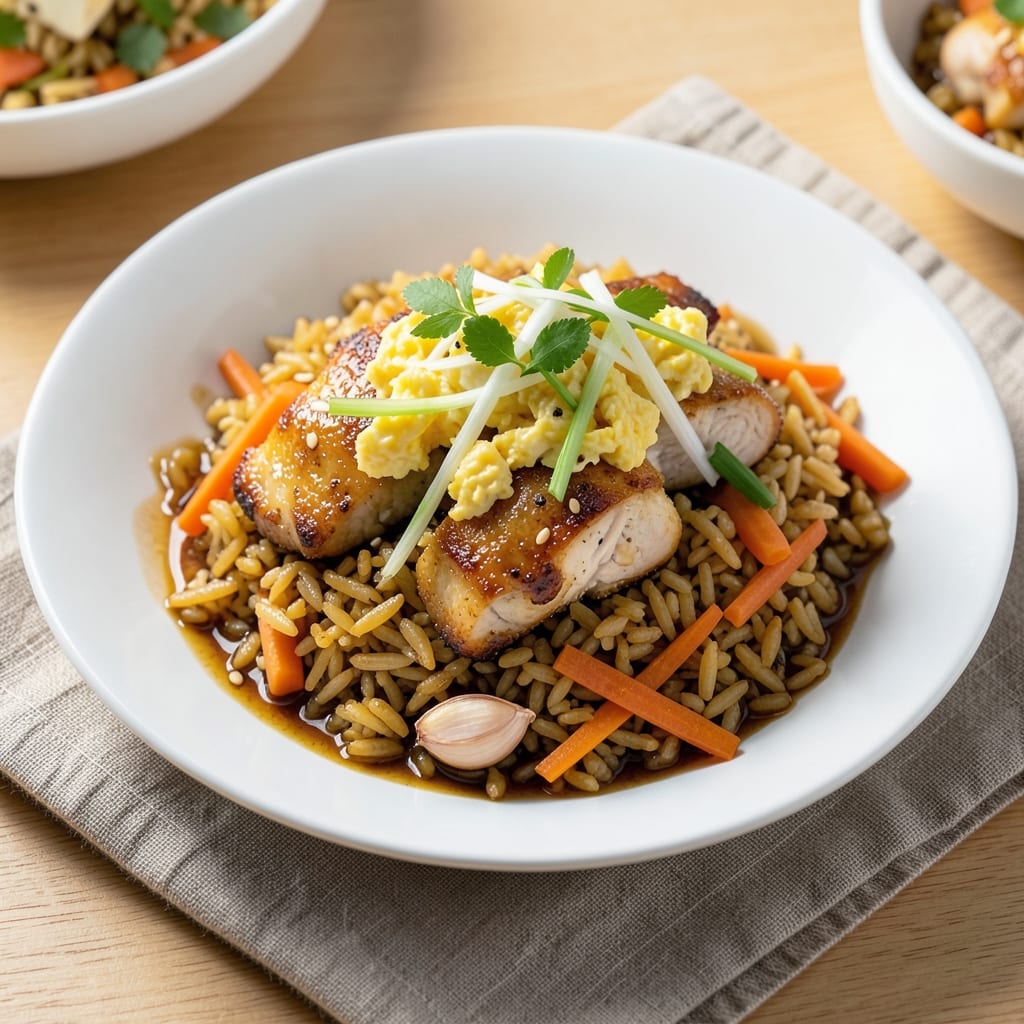
This Alex Fried Rice recipe delivers restaurant-quality wok-tossed perfection with crispy grains and layers of umami flavor. The secret lies in proper rice preparation—day-old rice with just the right moisture content—and a high-heat wok technique that creates that signature crunch. I've refined this recipe over countless batches to ensure every bite delivers the perfect balance of texture and flavor.
The foundation starts with a simple but critical technique: chilled, day-old rice that absorbs the seasonings beautifully without turning mushy. We'll build flavor through a combination of soy sauce, garlic, ginger, and sesame oil, then finish with a quick sear in the wok to achieve that coveted crispy texture. The protein choice—whether chicken, shrimp, or tofu—adds depth while maintaining the dish's signature harmony.
What you'll achieve is fried rice with perfectly balanced textures—crispy edges on the grains, tender protein pieces, and a sauce that coats every bite without overwhelming. The aroma alone will have everyone gathering at the table, and the first forkful delivers that satisfying umami crunch that defines great fried rice. This recipe serves as both a comforting weeknight meal and an impressive dish for dinner guests.
The beauty of this recipe lies in its adaptability—swap proteins based on preference, adjust vegetables for seasonal availability, or customize with your favorite stir-fry additions. With just 20 minutes of active cooking time, you'll have a restaurant-quality dish that feels like a homemade masterpiece. Let's get started on creating your perfect batch of Alex Fried Rice.
Ingredients for alex fried rice
Restaurant-quality fried rice starts with these 13 essential ingredients—each playing a crucial role in that signature umami crunch.
| Ingredient | Amount | Notes |
|---|---|---|
| Day-Old Cooked Jasmine Rice 🍚 | 4 cups | Chilled, spread on tray to dry |
| Boneless Chicken Breast 🍗 | 1 ½ lb | Diced into 1/2-inch pieces |
| Large Eggs 🥚 | 3 whole | Beaten, lightly seasoned |
| Green Onions 🧅 | ½ cup | Thinly sliced, white and green parts |
| Carrots 🥕 | 1 whole | Julienned into matchsticks |
| Garlic Cloves 🧄 | 5 cloves | Minced, aromatic intensity |
| Fresh Ginger 🌿 | 1 ½ tbsp | Finely grated, zesty kick |
| Light Soy Sauce 🍶 | ½ cup | Kikkoman preferred for balance |
| Dark Soy Sauce 🍶 | 1 tbsp | For deep umami richness |
| Sesame Oil 🫒 | 1 tbsp | Toasted, aromatic finish |
| Vegetable Oil 🫒 | ½ cup | High smoke point for searing |
| White Pepper 🌶️ | ½ tsp | Freshly ground for subtle heat |
| Toasted Sesame Seeds 🌾 | 1 tbsp | For nutty crunch |
The rice is non-negotiable—day-old jasmine rice with just the right moisture content absorbs flavors beautifully. Spread it on a tray to dry slightly before cooking, or it'll turn mushy. Kikkoman soy sauce is my go-to for that perfect balance of saltiness and umami, but any high-quality light soy works. For the protein, boneless chicken breast stays tender when diced small, but shrimp or tofu work equally well. Fresh ginger and garlic? Always buy them whole—pre-minced loses potency fast. Toast your sesame seeds in a dry pan for 30 seconds before adding to the wok—they'll pack way more flavor.
No sesame oil? Toasted peanut oil works in a pinch, though it has a different aroma. Swap dark soy sauce for an extra tablespoon of light soy plus 1 teaspoon of molasses for depth. Chicken too expensive? Frozen shrimp, peeled and deveined, thaws quickly and adds a luxurious texture. The carrots can be baby carrots if you're short on time—just cut them into thin matchsticks. For extra crunch, add 1/4 cup of frozen peas straight from the freezer—they'll soften just enough to blend perfectly. And if you're feeling adventurous, top with a fried egg right before serving for that restaurant-style finish.
This dish reheats beautifully—honestly tastes better the next day once all the flavors meld. Store leftovers in an airtight container for up to 4 days in the fridge, or freeze portions for up to 3 months. Pro tip: Portion into single servings before freezing so you can just microwave and serve. The wok hei (breath of the wok) flavor intensifies after resting, so if you're making this ahead, reheat in a wok or cast-iron skillet over high heat for that authentic crispy texture. And always keep your sesame oil in a cool, dark place—it goes rancid fast.
Why You'll Love This Recipe
- One-Pan Efficiency: I swear by this recipe for lazy nights—just toss everything into one hot pan, no flipping between pots. The chicken and eggs cook while the rice warms through, and those crispy carrot bits? They happen almost by accident.
- Umami Bomb: That day-old rice? Gold. It soaks up the soy sauce and garlic like a sponge, while the eggs add a creamy, rich contrast. Honestly, the first time I made it, I forgot to add the green onions and still couldn’t stop eating it.
- Leftover Hero: This dish tastes better the next day—yes, really. I’ve reheated portions for lunch all week, and the chicken stays juicy, the rice stays separate, and the flavors only deepen. (Between us, I’ve brought it to work three times this month.)
- Budget Power Move: Jasmine rice, chicken thighs, carrots, eggs—this feeds four for under $10. I’ll be real: my grocery budget lets me make it twice a week, and the kids never complain about the green onions. (Okay, they do complain, but they eat it anyway.)
Step-by-step instructions for wok-tossed umami crunch fried rice
Here's the method to transform your day-old rice into restaurant-quality fried rice with perfect texture and bold flavors.
Prep and Sear the Chicken for Maximum Flavor
Cut the 1.5 lb boneless chicken breast into ½-inch pieces and season lightly with ½ teaspoon salt. Heat ¼ cup vegetable oil in a wok or large skillet over high heat until shimmering. Add the chicken in a single layer and sear undisturbed for 2-3 minutes until the edges turn golden brown. Stir gently to cook through evenly, then remove and set aside on a plate.
This initial sear locks in juices and builds a flavor foundation. If the chicken releases easily from the pan, it's ready. If it sticks, let it cook another 30 seconds before stirring. Don't overcrowd the pan—cook in batches if needed to maintain high heat.
Scramble the Eggs with Perfect Texture
In the same wok, add 1 tablespoon vegetable oil and swirl to coat. Pour in the 3 beaten large eggs and scramble rapidly over medium-high heat for 20-30 seconds until just set but still slightly moist. Remove and set aside with the chicken.
The key here is speed—you want soft curds that will melt into the rice rather than dry out. If the eggs look dry, you've overcooked them. Keep them slightly underdone so they absorb the rice's moisture and create that signature creamy texture.
Stir-Fry Aromatics for Deep Umami Flavor
Add the remaining ¼ cup vegetable oil to the wok and increase heat to high. Toss in the 5 minced garlic cloves and 1.5 tablespoons finely grated fresh ginger. Stir-fry for 30 seconds until fragrant—you should smell that pungent, zesty aroma. Add the 1 whole julienned carrot and ½ cup sliced green onions (white parts first), cooking for 1 minute until the carrots soften slightly.
This is where the magic happens. The garlic and ginger should sizzle immediately—if they don't, your heat isn't high enough. The dark soy sauce will come next, so don't let these aromatics burn. They're the flavor anchors of your dish, so give them proper attention.
Combine All Ingredients with High Heat Tossing
Return the chicken and eggs to the wok. Add the 4 cups day-old cooked jasmine rice, breaking up any clumps with your spatula. Drizzle in the ½ cup light soy sauce, 1 tablespoon dark soy sauce, and ½ teaspoon white pepper. Toss vigorously over high heat for 3-4 minutes, stirring constantly to prevent sticking and create that signature wok hei.
This is the moment that matters: the rice should be hot, the chicken should be warmed through, and everything should be coated in sauce. If it looks dry, add 1-2 tablespoons hot water from the rice tray. The rice should be tender but not mushy—it should hold its shape while absorbing all those delicious flavors.
Finish with Sesame Oil and Garnish
Turn off the heat and immediately stir in 1 tablespoon toasted sesame oil and 1 tablespoon toasted sesame seeds. Toss one final time to distribute evenly. Garnish with the remaining green onion tops for freshness and color.
Serve immediately while everything is hot and fragrant. The rice should be perfectly crisp at the edges with tender centers, the chicken should be juicy with a slight char, and the sauce should coat every grain. Each bite should deliver that perfect balance of umami, sweetness, and nutty crunch from the sesame.
Pro Tips For Making Alex Fried Rice
- USE DAY-OLD RICE: Fresh rice turns to mush—no matter how much you stir. I learned this the hard way after making fried rice with warm rice and watching it clump like glue. Spread your cooked jasmine rice on a tray and refrigerate overnight (or at least 4 hours), then break up any clumps before using. The dryer, the better—it toasts up crispy instead of steaming.
- CUT CHICKEN SMALLER THAN YOU THINK: Big chunks of chicken breast stay chewy no matter how long you cook them. Dice yours into ½-inch pieces or smaller—about the size of a pea. This ensures even cooking and a tender bite that absorbs all the soy sauce and garlic. (Yes, even if it looks like you’re overcomplicating it.)
- SCRAMBLE EGGS FIRST, THEN SET ASIDE: Stir-frying eggs and rice together makes a greasy, uneven mess. Scramble your eggs in a separate pan with a splash of water (just enough to keep them fluffy), then push them to one side to crisp the edges slightly. Once done, chop them into small pieces and set aside—you’ll add them back in later when everything else is hot.
- STOP STIR-FRYING WHEN IT LOOKS DONE: Fried rice keeps cooking from residual heat. Pull it off the heat when the rice is just tender and the chicken is fully cooked—it’ll finish steaming in the pan. Overcooking turns the rice gummy and the chicken dry. Give it 30 seconds to rest, then toss in the green onions and carrots to wilt them just enough. (Trust me, this is where most people overdo it.)
Pro cooking tips for this dish
Wok Hei Essentials
That signature "breath of the wok" flavor comes from high heat and constant motion. Use a carbon steel wok (like Mauviel) or cast iron skillet—these conduct heat better than stainless steel. Heat your wok until it smokes slightly before adding oil, then maintain high heat throughout cooking. I crank my burner to the highest setting and let the wok preheat for 2-3 minutes before starting. 🔥
Rice Texture Secrets
Day-old rice is non-negotiable—it must be chilled and slightly dry to achieve that perfect crisp-tender texture. Spread freshly cooked rice on a tray and refrigerate for at least 4 hours (overnight is ideal). If using freshly cooked rice, spread it on a tray and let it dry slightly at room temperature for 30 minutes first. The goal is rice that's moist but not wet—it should hold its shape when pressed but still have a slight sheen.
Protein Prep Matters
Always dice your protein into uniform ½-inch pieces—this ensures even cooking. For chicken, I recommend brining for 20 minutes in ¼ cup soy sauce + 1 quart water before cooking to keep it juicy. If using shrimp, pat them completely dry with paper towels before searing to get that perfect crust. The protein should be 80% cooked before combining with rice—this prevents overcooking during the final toss.
Sauce Layering Technique
Add sauces in this order: light soy first, then dark soy, then sesame oil at the very end. The light soy distributes evenly, the dark soy adds color and depth, and sesame oil finishes with aroma. For extra umami, I sometimes add 1 teaspoon fish sauce or ½ teaspoon MSG (if you're using it) to the soy mixture. Taste as you go—you can always add more sauce but can't remove excess.
Cleaning Your Wok
After cooking, let your wok cool slightly, then wash with hot water and a stiff brush—never use soap. For stubborn bits, sprinkle with coarse salt and scrub while hot. I keep my wok completely dry after washing to prevent rust. Store it ungreased in a dry place. A well-maintained wok will last decades and develop its own non-stick patina that enhances flavor. 💪
Nutrition facts
Frequently asked questions
Why does my fried rice turn out mushy instead of crispy?
The key is using day-old rice that's been chilled and slightly dried. Freshly cooked rice has too much moisture and won't achieve that perfect crisp-tender texture. Spread your rice on a tray and refrigerate for at least 4 hours (overnight is ideal) before cooking. If you're short on time, let freshly cooked rice dry at room temperature for 30 minutes first.
Can I make this recipe with freshly cooked rice?
You can try, but the texture won't be ideal. For best results, use day-old rice as it has just the right moisture content. If you must use freshly cooked rice, spread it on a tray and let it dry slightly at room temperature for 30 minutes before cooking. The goal is rice that holds its shape when pressed but still has a slight sheen. Fresh rice will turn out more sticky than crispy.
What's the best protein substitute if I don't have chicken?
This recipe works beautifully with shrimp, tofu, or pork. For shrimp, use 1.5 lb peeled and deveined, patted completely dry for that perfect crust. For tofu, press and drain well, then cube and pan-fry until golden before adding to the wok. Pork shoulder works well too—just dice it into ½-inch pieces and sear until browned. Each protein brings its own unique texture and flavor profile.
How do I achieve that restaurant-style crispy texture?
It's all about high heat and constant motion. Use a carbon steel wok or cast iron skillet and preheat it until it smokes slightly before adding oil. Maintain high heat throughout cooking, tossing vigorously for 3-4 minutes until the rice develops crispy edges. The secret is in the wok hei—keep everything moving and don't overcrowd the pan. For extra crunch, add 1/4 cup frozen peas straight from the freezer—they'll soften just enough to blend perfectly.
Can I make this recipe ahead of time?
This dish actually tastes better the next day as the flavors meld together. Store leftovers in an airtight container in the fridge for up to 4 days. For best results when reheating, use a wok or cast-iron skillet over high heat for 2-3 minutes to restore that signature crispy texture. You can also freeze portions for up to 3 months—just portion into single servings before freezing for easy reheating.