
Main Courses
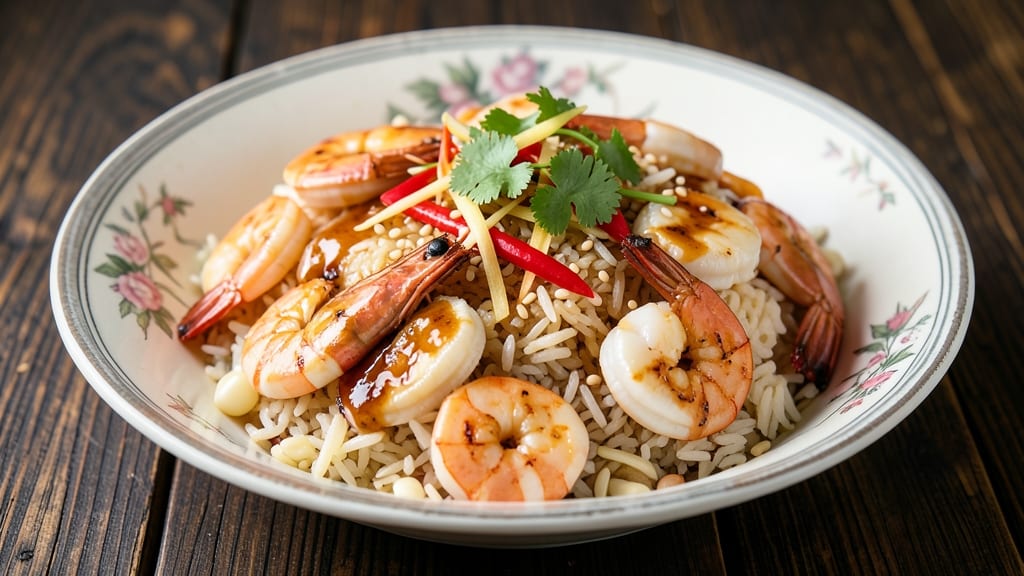
This Chinese seafood rice recipe delivers restaurant-quality wok-seared shrimp and scallops over fragrant jasmine rice, blending authentic flavors with modern techniques.
The key lies in high-heat searing to lock in juices while creating crisp edges, paired with a balance of garlic, ginger, and soy sauce that transforms simple ingredients into something extraordinary.
What sets this dish apart is the harmony of textures—tender seafood, fluffy rice, and a light drizzle of sesame oil that ties everything together.
The foundation begins with perfectly steamed jasmine rice, its delicate aroma serving as the canvas for the vibrant seafood topping. Shrimp and scallops are marinated in a simple yet impactful blend of soy sauce, cornstarch, and aromatic spices before being wok-seared to achieve that signature caramelized crust.
This method ensures maximum flavor retention while delivering a satisfying contrast between the crisp exterior and tender interior of the seafood.
What you'll end up with is a dish that's both visually stunning and deeply satisfying—a plate of golden seafood resting atop fragrant rice, garnished with fresh green onions and a sprinkle of sesame seeds.
The flavors are bright yet balanced, with the umami depth of soy sauce complementing the natural sweetness of the seafood. This recipe is designed to impress without requiring advanced techniques, making it perfect for both weeknight dinners and special occasions.
Serve with a side of pickled vegetables or a simple cucumber salad to cut through the richness, and pair with a crisp white wine or sparkling water.
The best part? Every component comes together in under 30 minutes, ensuring you can enjoy this restaurant-worthy dish without the wait. Let's get cooking!
Ingredients for chinese seafood rice
Fragrant jasmine rice, tender seafood, and aromatic wok flavors come together for this restaurant-style dish.
| Ingredient | Amount | Notes |
|---|---|---|
| Jasmine Rice 🍚 | 1 ½ cups | Uncooked, long-grain preferred |
| Large Shrimp 🦐 | 1 lb | Peeled, deveined, tails on |
| Fresh Scallops 🦪 | 12 oz | Dry-packed, patted dry |
| Soy Sauce 🍶 | ⅓ cup | Light or all-purpose |
| Fresh Ginger 🧄 | 2 tbsp | Finely grated, peeled |
| Garlic Cloves 🧄 | 4 cloves | Minced, fresh preferred |
| Cornstarch 🌾 | 2 tbsp | For crispy coating |
| Vegetable Oil 🫒 | ¼ cup | High smoke point |
| Sesame Oil 🫒 | 1 tbsp | Toasted, for finishing |
| Green Onions 🧅 | 3 whole | Thinly sliced, for garnish |
| White Wine 🍷 | ¼ cup | Dry, optional for deglazing |
| Salt 🧂 | 1 tsp | Kosher or sea salt |
| Black Pepper 🌶️ | ½ tsp | Freshly ground |
| Sesame Seeds 🌾 | 1 tbsp | Toasted, for garnish |
The seafood is the star, so quality matters. Shrimp should be bright pink and firm, while scallops should feel dense and heavy—Whole Foods or your local fishmonger are best for freshness. For ginger, organic is ideal—it's easier to peel and more flavorful. The jasmine rice? Lundberg or Calrose brands steam up perfectly. If you can't find dry-packed scallops, pat wet-packed ones very dry with paper towels—this step is non-negotiable for proper searing. Garlic should be freshly minced right before cooking to preserve its aroma.
No soy sauce? Coconut aminos or tamari work in a pinch, though the flavor will differ slightly. Substituting shrimp for scallops? Use half the amount by weight—scallops are denser. Running low on cornstarch? Arrowroot powder at the same ratio works just as well. The white wine is optional but adds depth—substitute with extra soy sauce and a splash of vinegar if needed. For the sesame oil, toasted is a must—regular sesame oil lacks that nutty aroma. Fresh green onions can be swapped for chives if you prefer, but they're perfect for the bright contrast they bring.
Rice keeps best in an airtight container for 2-3 days—reheat gently with a splash of water to restore moisture. The seafood marinade can be prepped 1 day ahead and stored in the fridge. Scallops and shrimp should be cooked fresh, but you can marinate them separately up to 4 hours ahead. For leftovers, store components separately: rice, seafood, and sauce. Reheat seafood in a dry pan over medium heat for 30 seconds per side—no need to add oil. Garnishes like sesame seeds and green onions can be added fresh whenever serving.
Why You'll Love This Recipe
- Same recipe, different vibes: toss it together for a lazy Tuesday or dress it up with scallions and sesame seeds for guests. The jasmine rice soaks up all the goodness, so even if you double the seafood, it never feels like leftovers—just a more generous portion.
- One-Pot Magic: I swear by this recipe when I’m too tired to wash extra bowls—just toss everything in one pan, stir, and let the rice steam in the shrimp’s juices. The ginger and soy sauce meld into a fragrant base while the seafood cooks itself, minimal effort for maximum flavor.
- Umami Bomb: That first bite? The shrimp’s sweetness, the scallops’ tender snap, and the ginger’s bright kick all dancing with the deep, salty punch of soy sauce—it’s the kind of flavor that makes you pause mid-bite. Honestly, I’ve tried fancier seafood dishes, but this one hits harder every time.
- Weeknight to Dinner Party: Same recipe, different vibes: toss it together for a lazy Tuesday or dress it up with scallions and sesame seeds for guests. The jasmine rice soaks up all the goodness, so even if you double the seafood, it never feels like leftovers—just a more generous portion.
Step-by-step instructions for wok-seared seafood over jasmine rice
This method delivers perfectly cooked jasmine rice paired with restaurant-quality wok-seared seafood.
Prepare the Jasmine Rice
Rinse the 1.5 cups jasmine rice under cold water in a fine-mesh strainer until the water runs clear. This removes excess starch and prevents gummy rice. Transfer the rice to a pot and add 2.25 cups water (1.5 times the rice volume) along with 1 tsp salt. Bring to a boil over medium-high heat, then reduce to low heat, cover tightly, and simmer for 15 minutes.
After 15 minutes, remove from heat and let it steam undisturbed for 10 minutes. This resting period allows the rice to absorb all the moisture and develop its signature fragrant texture. Fluff gently with a fork before serving—don't stir vigorously or you'll crush the grains.
Coat and Sear the Seafood
In a small bowl, combine the 2 tbsp cornstarch with 0.5 tsp black pepper. Toss the 1 lb large shrimp and 12 oz fresh scallops in this mixture until evenly coated. This creates a crispy exterior while keeping the interiors tender. Heat 0.25 cup vegetable oil in a wok or large skillet over high heat until shimmering.
Working in batches to avoid overcrowding, add the seafood and cook for 1-2 minutes per side until the shrimp turns opaque pink and the scallops develop golden-brown crusts. Remove and set aside on a wire rack—this prevents steaming and maintains crispiness. If the oil starts smoking excessively, reduce heat slightly to maintain control.
Build the Fragrant Sauce
In the same wok, reduce heat to medium and add 2 tbsp fresh ginger and 4 cloves garlic cloves. Sauté for 30 seconds until fragrant—this releases their aromatic oils. Pour in the 0.33 cup soy sauce and 0.25 cup white wine, scraping up any browned bits from the bottom. Let it simmer for 2 minutes until slightly reduced.
Drizzle in 1 tbsp sesame oil and toss gently to combine. The sauce should coat the back of a spoon with a glossy sheen. If it's too thick, add 1-2 tablespoons water to reach your desired consistency. This sauce will infuse the rice with deep umami flavor while keeping it light and aromatic.
Assemble and Garnish
Transfer the cooked jasmine rice to a serving platter. Arrange the seared seafood on top, slightly overlapping for visual appeal. Drizzle the ginger-garlic sauce evenly over the rice and seafood. The contrast between the delicate rice and crispy seafood creates an ideal texture balance.
Garnish with thinly sliced green onions and sprinkle 1 tbsp toasted sesame seeds on top. The sesame seeds add a nutty crunch that complements the seafood's natural sweetness. Serve immediately while the seafood is still crispy and the rice maintains its perfect texture.
Optional Wine Deglazing (For Extra Depth)
For an enhanced flavor profile, deglaze the wok after removing the seafood with 0.25 cup dry white wine. Scrape up all the browned bits with a wooden spoon—these contain concentrated seafood flavor. Simmer for 1 minute until reduced by half, then pour this reduced wine sauce over the finished dish just before serving. This step adds a sophisticated touch that elevates the dish from home-style to restaurant-quality.
Pro Tips For Making Chinese Seafood Rice
- Sear Scallops First: I learned this the hard way—adding scallops straight to the rice pan turns them rubbery. Hit them with a quick sear in a separate pan with a splash of water (they’ll steam-sizzle beautifully) before tossing them in. Two minutes max, or they’ll toughen up faster than your patience.
- Pat Shrimp Like Your Life Depends on It: Wet shrimp? That’s the fast track to a sad, soggy dish. After peeling, press them between paper towels with your palm—hard enough to hear the towel crackle. Trust me, the extra 30 seconds now saves you from a mushy seafood pile later.
- Ginger: Grate, Don’t Dice: My grandmother swore by this, and she was right: finely grated ginger (no bigger than rice grains) melts into the rice evenly instead of sitting as chunks. Use a microplane or the smallest holes on a box grater—your future self will thank you when the flavor’s consistent.
- Rice Ratio Matters: Skip the eyeballing—use 1 cup jasmine rice to 1.25 cups water (not 2 cups like white rice). The extra liquid helps steam the seafood’s flavors into the grains, but drain immediately when done; over-soaking turns your fragrant rice into glue.
Health benefits of this dish
Lean Protein Boost
This dish delivers a high-quality protein punch with shrimp and scallops, both excellent sources of lean protein that support muscle maintenance and repair. A 4-ounce serving provides about 25 grams of protein—perfect for a satisfying yet lighter meal compared to heavier proteins.
The seafood's low fat content makes it ideal for heart-healthy diets while still keeping you full and energized. 🦐
Rich in Omega-3s
Both shrimp and scallops contain omega-3 fatty acids, which are essential for reducing inflammation and supporting brain health. While scallops offer a moderate amount, shrimp provides a slightly higher concentration—about 1.5 grams per 4-ounce serving.
These healthy fats also contribute to maintaining healthy cholesterol levels, making this dish a smart choice for long-term well-being.
Low-Calorie Comfort
At just around 300 calories per serving, this seafood rice dish is a guilt-free indulgence. The jasmine rice provides complex carbohydrates for sustained energy, while the seafood adds protein without excess calories.
It's a perfect balance for those watching their waistline but still craving a flavorful, restaurant-quality meal. The high-heat searing technique locks in flavor without adding unnecessary fat.
Vitamin and Mineral Powerhouse
Scallops are particularly rich in vitamin B12 (critical for nerve function) and zinc (important for immune support), while shrimp provides vitamin D (for bone health) and selenium (a potent antioxidant).
Together, they create a nutrient-dense plate that covers multiple daily vitamin requirements in just one serving. The ginger and garlic in the sauce add extra anti-inflammatory benefits too. ✨
Digestive-Friendly Fiber
While this dish is primarily seafood and rice, the green onions and sesame seeds in the garnish add a small but meaningful amount of dietary fiber. The fiber content helps maintain digestive regularity and supports a healthy gut microbiome.
For an extra fiber boost, serve with a side of steamed bok choy or shredded cabbage—both pair beautifully with the seafood flavors.
Gluten-Free and Allergen-Friendly
This recipe naturally avoids common allergens like gluten, dairy, and nuts, making it safe for most dietary restrictions. The soy sauce is the only potential concern—opt for tamari if you're sensitive to gluten.
For those avoiding seafood, substitute with chicken or tofu while keeping the same cooking technique. The dish remains light, flavorful, and adaptable to various dietary needs without sacrificing taste. 💪
Nutrition facts
Frequently asked questions
Can I substitute other seafood in this recipe?
For a similar texture, try salmon fillets (cut into chunks) or cod (cut into bite-sized pieces). If using fish, reduce cooking time to 2-3 minutes per side to avoid overcooking. For shellfish, mussels or clams work well—steam them first for 3-4 minutes until fully opened, then toss in the wok for 1 minute to absorb the sauce.
How do I prevent the rice from becoming mushy?
Rinse the rice thoroughly until the water runs clear to remove excess starch. Use 1.5 times the rice volume in water and cook over low heat after boiling. The 10-minute resting period after cooking is critical—never skip it! Also, fluff the rice gently with a fork instead of stirring to avoid crushing the grains.
What's the best way to reheat leftovers?
Reheat rice separately in a steamer or microwave with a damp paper towel for 1-2 minutes to restore moisture. For seafood, warm in a dry skillet over medium heat for 30 seconds per side—no oil needed. The sauce can be reheated separately and drizzled fresh before serving to maintain its glossy texture. Store components separately to prevent sogginess.
Can I make this dish ahead of time?
Yes! Prepare the rice up to 1 day ahead and store in an airtight container. Marinate the seafood (without the cornstarch) for up to 4 hours ahead, then coat and cook fresh. The sauce can be made 2 days ahead and reheated gently. Assemble everything just before serving to keep the seafood crispy and rice fluffy.
Why is my seafood turning rubbery instead of crispy?
This usually happens from overcooking or not patting seafood dry enough. For shrimp, cook for 1-2 minutes per side until just opaque. For scallops, sear for 1-2 minutes per side until golden—don't move them while cooking! Always pat scallops very dry with paper towels before coating. High heat is key—your wok should be smoking hot before adding oil.