Main Courses
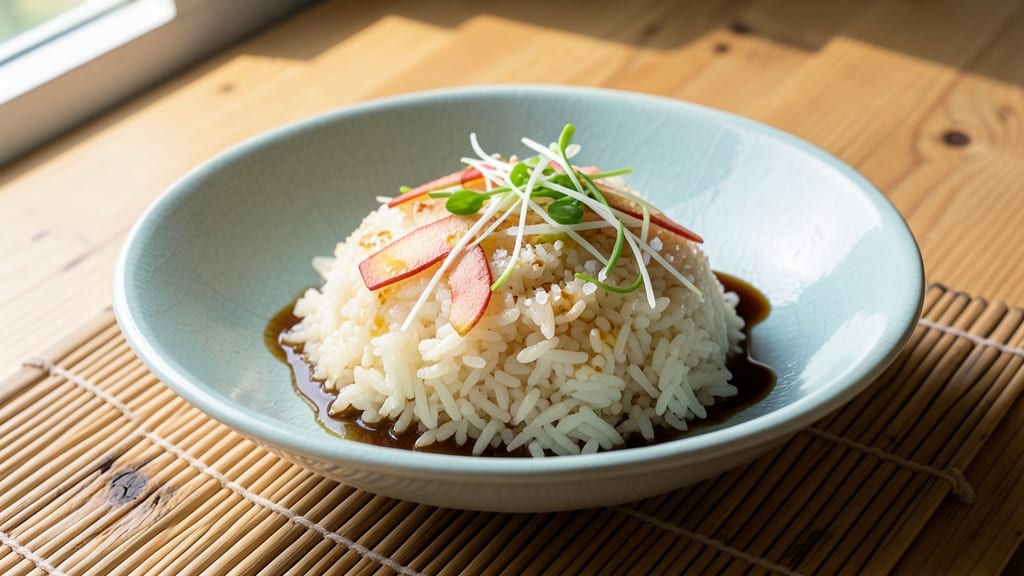
This Chinese jasmine rice recipe delivers the perfect balance of fragrant aroma and delicate texture—lightly toasted grains that transform any meal into a restaurant-quality experience. ✨ The secret lies in proper rinsing and the right water-to-rice ratio, which ensures each kernel stays separate and fragrant rather than sticky.
Whether you use a rice cooker, stovetop pot, or even a clay pot, this method guarantees consistent results every time.
Traditional Chinese cooking emphasizes the importance of high-quality jasmine rice, which releases its natural floral aroma when cooked properly.
The key steps—rinsing until the water runs clear, using the correct water ratio, and controlling the heat—create that signature lightly toasted flavor profile that sets this recipe apart from standard white rice. This method works equally well for everyday meals or special occasions.
By the end, you'll have perfectly cooked jasmine rice with a subtle nutty aroma and a delicate, slightly sticky texture that clings to each grain. The grains should be separate yet tender, with a faint golden hue at the edges.
This rice pairs beautifully with stir-fries, braised meats, or even as a standalone dish with a drizzle of toasted sesame oil and a sprinkle of ginger.
Ready in just 15 minutes, this recipe is perfect for busy weeknights or when you want to elevate your cooking with authentic Chinese flavors. The simplicity of the ingredients and the foolproof technique make it accessible for both beginners and experienced cooks alike. Let's get started!
Ingredients for chinese jasmine rice
Premium jasmine rice plus a few simple elements create restaurant-quality grains every time.
| Ingredient | Amount | Notes |
|---|---|---|
| Jasmine Rice 🍚 | 1 cup | Long-grain, uncooked, premium quality |
| Water 💧 | 1 ¼ cups | Room temperature preferred |
| Toasted Sesame Oil 🫒 | 1 tbsp | For finishing aroma |
| Salt 🧂 | ¼ tsp | Diamond Crystal preferred |
| Fresh Ginger 🌿 | ½ tsp | Finely grated, for garnish |
| White Vinegar 🍶 | 1 tbsp | For rinsing clarity |
| Butter (optional) 🧈 | 1 tbsp | Unsalted, for extra richness |
| Green Onions 🧅 | 2 whole | Thinly sliced, for garnish |
The quality of your jasmine rice is non-negotiable here. Look for premium brands at Asian markets—Thai Rice Company or Calrose are top choices. Avoid pre-packaged brands with artificial fragrances. For rinsing, white vinegar in the water helps remove excess starch faster, giving you that signature clear-water finish. The toasted sesame oil should be the culinary-grade kind—not the cheap cooking oil version. Store your rice in an airtight container away from light to preserve its delicate aroma.
No sesame oil? Lightly toasted peanut oil works in a pinch, though it lacks the floral notes. Substitute the butter with vegan butter or olive oil if needed, though the richness differs slightly. For the ginger, freshly grated is ideal, but powdered works at half the amount. If you're using a rice cooker, measure water precisely—1.25 cups for every 1 cup of rice is critical. The water-to-rice ratio is the secret to that signature toasted aroma without stickiness. For extra fragrance, add a pinch of pandan leaf if available, though it's optional.
Jasmine rice keeps best in the fridge for up to 5 days in an airtight container, though it's best enjoyed fresh. For longer storage, freeze cooked rice for up to 3 months—just thaw overnight in the fridge. The toasted sesame oil should be stored in a cool, dark place and used within 6 months of opening. To reheat, steam with a splash of water for 2-3 minutes to restore moisture. This rice reheats beautifully, making it perfect for meal prep.
Why You'll Love This Recipe
- I swear by the 1: 25 rice-to-water ratio—no guesswork, no mushy disaster. Just measure, simmer, and let the rice absorb the water while I chop veggies or wait for the wok to heat. Honestly, it’s the kind of recipe that makes me feel like a pro without any effort.
- No-Fuss Ratio: I swear by the 1:1.25 rice-to-water ratio—no guesswork, no mushy disaster. Just measure, simmer, and let the rice absorb the water while I chop veggies or wait for the wok to heat. Honestly, it’s the kind of recipe that makes me feel like a pro without any effort.
- Ginger-Sesame Magic: That first hit of toasted sesame oil and fresh ginger? Instant flavor upgrade. The oil adds a nutty depth, while the ginger cuts through everything like a bright, zesty note. It’s not fancy, but it’s ridiculously good—like the secret weapon in my takeout cravings.
- Leftover Reinvention: This rice keeps for days, and I always have a plan. Cold in salads, reheated with a fried egg, or tossed with soy sauce and scallions for a quick lunch. Between us, I’ve turned three-day-old batches into a meal just by adding a protein—no waste, just smart cooking.
Step-by-step instructions for perfectly fragrant jasmine rice
Master this essential technique for restaurant-quality Chinese jasmine rice every time.
🍳 Step 1: Rinse the Rice Until Water Runs Clear
Place the 1 cup jasmine rice in a fine-mesh strainer and rinse under cold running water for 30-45 seconds. Swirl the rice gently with your fingers to release surface starch—this prevents gummy texture. Drain completely, then repeat the rinse once more until the water runs completely clear when drained.
I press down on the rice with my palm during the final rinse to ensure all starch is removed. The goal is to create individual grains that stay distinct rather than clumping together. This step is non-negotiable for authentic texture—don't skip it, even if it seems tedious.
🔥 Step 2: Toast the Rice in Dry Pan for Nutty Aroma
Heat a medium skillet over medium-high heat until hot (about 350°F). Add the drained rice in an even layer and stir constantly for 3-4 minutes until the grains turn pale golden and you smell a nutty aroma. This toasting develops the rice's natural flavors and prevents mushiness.
Watch carefully—if the rice starts to brown too quickly, reduce heat to medium. You're looking for even color without dark spots. The rice should sound crisp when stirred together. This dry-toast method is what gives authentic Chinese jasmine rice its signature depth of flavor.
🥘 Step 3: Cook with Vinegar and Water for Perfect Texture
Add the 1.25 cups water and 1 tbsp white vinegar to the skillet. Stir once to distribute, then bring to a gentle boil. Immediately reduce heat to low, cover tightly with a lid, and cook for 12-14 minutes without lifting the lid. The steam should create a slight vacuum seal—this is how you achieve fluffy, separate grains.
I set a timer and avoid peeking—each time you lift the lid, you release steam and risk uneven cooking. After 12 minutes, check for doneness: grains should be tender but still slightly firm in the center with a tiny bit of bite. If needed, add 1-2 tablespoons hot water through a small gap in the lid and cook 2 more minutes.
⏰ Step 4: Rest and Finish with Sesame Oil
Remove from heat and let the rice rest covered for 5 minutes. This crucial step allows steam to redistribute, preventing dry outer layers. After resting, fluff the rice gently with a fork, then stir in the 1 tbsp toasted sesame oil and 0.25 tsp salt until evenly distributed. The oil should coat each grain lightly for that signature aromatic finish.
For extra richness, add the 1 tbsp butter now and toss until melted. The butter should create a silky sheen on the grains. If using, sprinkle the 0.5 tsp finely grated fresh ginger and 2 thinly sliced whole green onions over the top for vibrant color and bright flavor notes.
🍽️ Step 5: Serve Immediately with Proper Garnish
Transfer the rice to a serving dish and arrange the remaining green onions in an artistic pattern on top. The onions should be thinly sliced on the bias for maximum visual appeal. Serve within 15 minutes while still warm—jasmine rice loses its delicate texture when left to sit.
For presentation, I often create a well in the center of the rice and pour any remaining sesame oil mixture over it. This not only looks elegant but ensures every bite has that fragrant aroma. The rice should be light, fluffy, and separate with a slightly sticky yet distinct grain texture—this is the hallmark of perfect Chinese jasmine rice.
Pro Tips For Making Chinese Jasmine Rice
- USE A TIGHT 1:1.2 RATIO: Rinse the rice until the water runs almost clear—just a hint of starch remains. Jasmine rice needs a little cling, not a mushy mess. (I used to over-rinse and ended up with dry grains every time.)
- STEAM WITH COVER ON: After boiling, turn the heat to low and cover the pot for 15 minutes. The residual steam finishes cooking evenly—no peeking! (Yes, even if you’re impatient like me.)
- GINGER SHOULD BE FINELY MINCED: Slice the ginger paper-thin, then chop into tiny specks—no thick matchsticks. It blends better and adds aroma without texture. (I learned this after one bite of chewy ginger in my rice.)
- SALT THE WATER LIGHTLY: Just a pinch—about ¼ teaspoon for 2 cups water. Too much makes the rice taste flat. (I was skeptical until I tried it; the flavor is actually brighter.)
Creative variations of chinese jasmine rice
Spicy Sichuan Style
Transform your jasmine rice into a bold Sichuan-inspired side by adding 1 tsp chili oil and ½ tsp Sichuan peppercorns (lightly toasted) to the cooking water. The peppercorns release their signature tingling heat as the rice steams.
For extra drama, top with crushed dried chilies and a sprinkle of sesame seeds before serving. This variation pairs perfectly with spicy stir-fries or braised pork dishes.
Coconut-Lime Infusion
For a tropical twist, replace ½ cup of the water with ½ cup coconut milk> and add 1 tbsp lime zest to the rice while toasting. The coconut milk adds a subtle creaminess, while the lime brightens the natural floral notes.
Garnish with toasted coconut flakes and a squeeze of fresh lime juice before serving. This variation works beautifully with Thai-inspired curries or grilled seafood.
Garlic-Chive Fusion
Incorporate 2 minced garlic cloves and 2 tbsp chopped fresh chives into the rice during the final resting phase. The garlic infuses a delicate savory note, while the chives add a fresh, oniony brightness.
Finish with a drizzle of garlic-infused olive oil> for an Italian-Chinese fusion that pairs wonderfully with roasted meats or vegetable dishes.
Five-Spice Glazed
Create a fragrant five-spice glaze by combining 1 tsp five-spice powder, 1 tbsp honey, and 1 tsp soy sauce. Drizzle this mixture over the cooked rice before serving. The sweet-savory glaze enhances the jasmine rice's natural aroma while adding depth.
Top with crushed peanuts> for texture contrast. This variation is perfect for special occasions or as a side for Peking duck.
Black Sesame Crunch
Add a nutty crunch by mixing 1 tbsp black sesame paste> with the toasted sesame oil and spreading it over the rice before serving. The deep, toasty flavor of black sesame complements the floral notes beautifully.
Garnish with toasted black sesame seeds> and a pinch of flaky sea salt. This variation elevates simple dishes and adds a sophisticated touch to any meal.
Herb-Infused Lemon
Brighten your rice with 1 tbsp fresh lemon zest> and 2 tbsp chopped cilantro or mint> during the final resting phase. The citrus zest enhances the rice's natural fragrance, while the herbs add a refreshing contrast.
Finish with a squeeze of fresh lemon juice and a sprinkle of flaky sea salt. This variation is perfect for summer meals or as a refreshing side for grilled dishes.
Nutrition facts
Frequently asked questions
Can I substitute jasmine rice with basmati?
While basmati rice has a similar long-grain texture, it lacks the signature floral aroma of jasmine rice. For authentic flavor, stick with jasmine—but if you must substitute, use a 1:1 ratio and add ½ tsp pandan extract to the cooking water for a similar fragrance. The texture will be slightly firmer, though.
Why does my jasmine rice turn out mushy?
Mushy rice usually means either too much water or insufficient toasting. Always measure your water precisely (1.25 cups per 1 cup rice) and toast the dry grains in a hot pan for 3-4 minutes until golden. Also, avoid lifting the lid during cooking—steam is what creates fluffy grains!
How do I make jasmine rice in a rice cooker?
Use the same 1:1.25 rice-to-water ratio but skip the toasting step. Add 1 tbsp vinegar to the water and cook on high for 20 minutes. Let it rest 5 minutes after cooking, then fluff with sesame oil. The rice cooker method is foolproof for beginners!
Can I cook this rice on the stovetop without a skillet?
Yes! Use a heavy-bottomed pot with a tight-fitting lid. After toasting, add water and vinegar, then cover and simmer on low heat for 15 minutes. The key is maintaining gentle heat—no boiling after the initial simmer. A clay pot works beautifully for traditional flavor infusion.
What's the best way to store leftover jasmine rice?
Transfer to an airtight container and refrigerate for up to 5 days. For longer storage, freeze for 3 months. To reheat, steam with 1 tbsp water per cup of rice for 2-3 minutes—this restores moisture and prevents dryness. Never microwave directly from the fridge!