
Sauces & Condiments
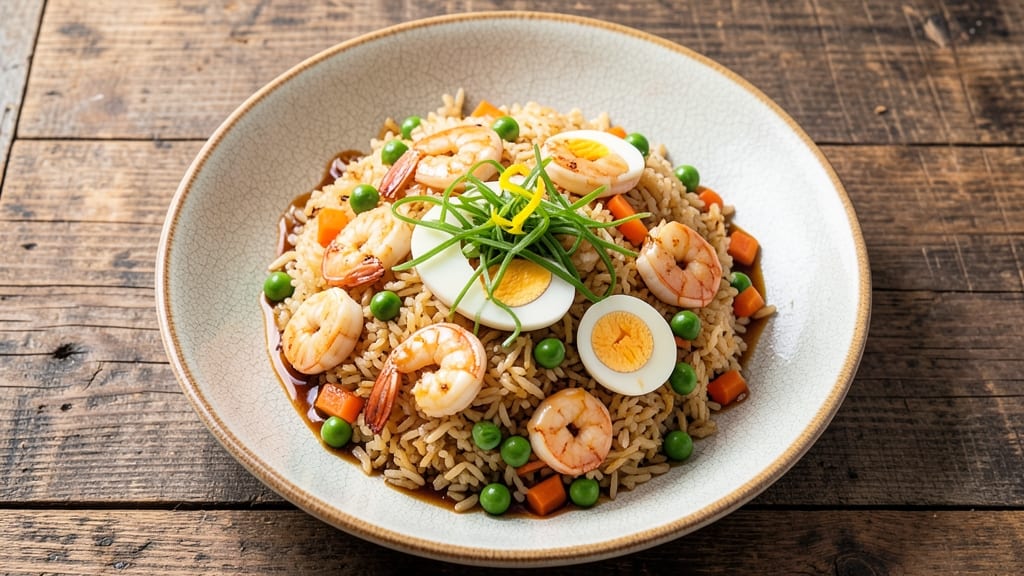
This Chinese fried rice recipe with oyster sauce delivers the perfect balance of wok-tossed crunch and silky egg fusion in every bite. The secret lies in using day-old rice and a hot wok to achieve that signature smoky aroma and crispy edges.
Oyster sauce serves as the flavor backbone, adding depth and umami that transforms simple ingredients into restaurant-quality dish.
With just a few key components—cold rice, protein, vegetables, and egg—you'll create a dish that's both satisfying and quick to prepare. The technique is straightforward but essential: high heat, constant stirring, and proper timing ensure each ingredient gets its moment to shine.
This isn't just fried rice; it's a flavor-packed meal that comes together in minutes with the right approach.
Ingredients for chinese fried rice recipe with oyster sauce
Day-old rice, fresh shrimp, and aromatic vegetables come together with oyster sauce for restaurant-quality fried rice.
| Ingredient | Amount | Notes |
|---|---|---|
| Day-Old Cooked White Rice 🍚 | 4 cups | Cold and slightly dry preferred |
| Large Eggs 🥚 | 4 whole | Freshly beaten for silky texture |
| Oyster Sauce 🍜 | 3 tbsp | High-quality brand for umami depth |
| Soy Sauce 🥢 | 2 tbsp | Light or dark preferred |
| Carrots 🥕 | ½ cup | Finely diced, small pieces |
| Green Onions 🧅 | ¼ cup | Sliced, white and green parts |
| Peas 🌿 | ½ cup | Frozen or fresh, thawed |
| Shrimp 🦐 | ½ lb | Peeled, deveined, chopped |
| Garlic Cloves 🧄 | 4 cloves | Minced for aromatic base |
| Sesame Oil 🫒 | 1 tbsp | Toasted sesame oil for aroma |
| Vegetable Oil 🫒 | 3 tbsp | High smoke point preferred |
| Salt 🧂 | ½ tsp | Adjust to taste |
| White Pepper 🌶️ | ¼ tsp | Freshly ground for subtle heat |
The rice is non-negotiable—day-old works best because it's drier and absorbs flavors better. Jasmine or long-grain white rice are ideal, but whatever you have on hand will do. For the shrimp, fresh or thawed frozen works, but avoid pre-cooked—you want to sear them fresh in the wok. Garlic and green onions are the aromatic base, so don't skip them. Whole Foods or Asian markets usually carry high-quality oyster sauce—look for brands like Lee Kum Kee or Hoy Chu Chin. If you can't find it, soy sauce plus a splash of fish sauce works in a pinch.
No oyster sauce? Fish sauce plus a touch of sugar mimics the umami, though it won't be identical. Frozen peas are your best friend here—they're pre-cut and consistent, but fresh peas work too if you're feeling fancy. The carrots should be finely diced so they cook quickly in the wok. Sesame oil is key for that signature aroma, but if you're avoiding it, a pinch of toasted sesame seeds at the end works too. For the oil, vegetable or peanut oil has the highest smoke point—don't use olive oil, or you'll get bitter flavors.
This dish reheats beautifully—just toss with a little oil and heat in a skillet. Keeps for 3-4 days in the fridge, though it's best within 2 days. For leftovers, store in an airtight container with a paper towel on top to absorb any excess moisture. Freezes for 2 months if portioned into single servings. The shrimp will turn pink again when reheated, so don't worry if it looks overcooked when you pull it from the freezer.
Why You'll Love This Recipe
- No Chopping Chaos: I keep a bag of pre-shredded carrots in my fridge just for this—no knife skills required. Toss in the rice, crack eggs into the hot wok, and let the oyster sauce do the magic while you stir.
- Umami Bomb: That first spoonful of oyster sauce hitting the scrambled eggs? Chef’s kiss. It’s salty, sweet, and savory all at once, with the soy sauce cutting through for a balance that makes every bite addictive.
- Leftover Hero: This dish actually improves the next day—cold rice gets crispy edges, and the flavors meld even deeper. I make a big batch on Sundays so I can reheat portions all week without takeout guilt.
- Budget Power Move: Eggs, rice, and a bottle of oyster sauce stretch to feed four for under $10. Honestly, it’s my go-to when I’m broke but still want to eat like I’m at a dim sum spot. The carrots add color without breaking the bank.
Step-by-step instructions for Chinese fried rice with oyster sauce
Here's the method: a precise sequence that delivers restaurant-quality texture and flavor every time.
Prepare the Protein and Vegetables
Start by preparing the shrimp and vegetables. Peel and devein the 0.5 lb shrimp, then chop them into ½-inch pieces. Pat them dry with paper towels to ensure they sear properly. In a small bowl, combine the 0.5 cup finely diced carrots, 0.5 cup peas (thawed if frozen), and 0.25 cup sliced green onions. Set aside.
Mince the 4 cloves garlic cloves finely—you want them almost paste-like for maximum flavor. The shrimp should be ready to cook immediately, while the vegetables can wait until the wok is hot. Keeping them separate prevents premature wilting, which is crucial for maintaining that signature wok-tossed crunch.
Scramble the Eggs Silky-Smooth
Crack the 4 whole large eggs into a bowl and beat them vigorously with a fork until the yolks and whites are fully combined. Add 0.5 tsp salt and 0.25 tsp white pepper to the eggs and mix well. The eggs should look uniform and pale yellow.
Heat 1 tablespoon vegetable oil in a wok or large skillet over medium-high heat until shimmering. Pour in the egg mixture and let it sit undisturbed for 5-7 seconds—this creates a thin, even layer. Using a spatula, gently push the eggs from one side to the other, folding them as you go, until they're just set but still slightly runny in the center. Remove from the wok and set aside on a plate.
Sear the Shrimp and Aromatics
Increase the heat to high and add the remaining 2 tablespoons vegetable oil to the wok. Once the oil is hot and shimmering, add the shrimp in a single layer. Let them sear undisturbed for 1-2 minutes until they turn pink and begin to curl at the edges. This high-heat sear locks in moisture and builds deep flavor.
Add the minced garlic to the wok and stir for 10-15 seconds until fragrant but not browned. Immediately add the prepared vegetables and stir-fry for 1-2 minutes until the carrots soften slightly but retain their texture. The shrimp should be fully cooked—opaque and no longer translucent—before moving to the next step.
Combine Everything with Sauce
Lower the heat to medium-high and add the 4 cups day-old cooked white rice to the wok. Break up any large clumps with your spatula and spread the rice evenly. Drizzle the 3 tablespoons oyster sauce and 2 tablespoons soy sauce over the rice, then toss everything together for 1-2 minutes until the rice is evenly coated and heated through.
Return the scrambled eggs to the wok and toss everything together for another 30-45 seconds. The rice should be hot and slightly crispy around the edges—a sign it's absorbing the sauce properly. Drizzle 1 tablespoon sesame oil over the top and toss once more to distribute it evenly. The aroma should be rich and savory, with a hint of garlic and umami from the oyster sauce.
Serve Immediately for Maximum Crunch
Taste the fried rice and adjust seasoning if needed—add a splash of soy sauce for more saltiness or a drizzle of oyster sauce for deeper umami. Transfer the fried rice to serving plates and garnish with additional sliced green onions if desired. Serve immediately while still hot and slightly crispy.
This dish is best enjoyed right away, as the texture softens quickly. The contrast of silky eggs, tender shrimp, and perfectly crispy rice is what makes this recipe shine. The key to success lies in high heat, quick tossing, and using day-old rice—never freshly cooked, which releases excess moisture.
Pro Tips For Making Chinese Fried Rice Recipe With Oyster Sauce
- USE COLD RICE: Break up your day-old rice with cold hands—no need to microwave it first. The chill keeps the grains separate and prevents mushiness when you stir-fry, which is the whole point of fried rice.
- SCRAMBLE EGGS FIRST: Push your eggs into the wok before adding anything else and let them set into a soft curd. This stops them from turning rubbery when you toss in the rice later, and it gives you that classic "fried rice egg" texture.
- SAVE THE CARROTS LAST: Cut your carrots into tiny, even pieces—about 1/4-inch cubes—and add them with the soy sauce and oyster sauce near the end. They’ll soften fast, and this way, they won’t turn to mush while the rice gets its crispy edges.
- STOP BEFORE IT’S DONE: Pull the pan off heat just when the rice looks almost fully coated in sauce—it’ll keep cooking from residual heat. Overcooking turns fried rice gummy, and you’ll end up with a sad, sticky mess instead of something that holds its shape.
Perfect pairings for this recipe
Classic Side Pairings
Serve your fried rice with steamed bok choy—its crisp stems and mild flavor balance the richness beautifully. I like to blanch 4 cups chopped bok choy in boiling water for 30 seconds, then finish with a splash of oyster sauce.
For a heartier option, add crispy pork belly—slice ½ lb into ¼-inch strips and pan-fry until golden. 🥬
Drink Recommendations
A crisp green tea like Dragon Well complements the dish's umami depth without overpowering it. The delicate grassy notes refresh your palate between bites. For something stronger, try a light lager like Asahi Super Dry—its clean finish cuts through the dish's richness.
Avoid heavy beers or sweet cocktails that clash with the savory flavors. 🍶
Garnish Upgrades
Fresh cilantro adds a bright, herbaceous note—chop ¼ cup and sprinkle on top right before serving. For extra crunch, toast 1 tbsp sesame seeds in a dry pan until golden, then sprinkle over the dish.
A drizzle of chili oil (just ½ tsp) adds subtle heat and visual appeal. 🌶️
Protein Swaps
Need a vegetarian option? Swap shrimp for crispy tofu—press and cube 1 block extra-firm tofu, then pan-fry until golden. For meat lovers, try char siu pork—slice ½ lb into strips and pan-sear for 2-3 minutes per side.
Both add texture and depth without altering the dish's core technique. 🥓
Sauce Variations
For a spicier kick, mix 1 tsp gochujang with the oyster sauce before tossing. A sweeter version works with 1 tbsp hoisin sauce added to the mix.
If you're avoiding oyster sauce, substitute 2 tbsp soy sauce + 1 tsp fish sauce + ½ tsp sugar for a similar umami punch. 🍜
Nutrition facts
Frequently asked questions
Why does my fried rice turn out mushy instead of crispy?
Using freshly cooked rice is the #1 culprit—it releases too much moisture. Always use day-old rice that's been spread on a tray to dry out. Also, avoid overcrowding the wok; cook in batches if needed. High heat and constant tossing create those signature crispy edges.
Can I make this recipe without shrimp?
Swap shrimp for chicken (diced thighs), tofu (pressed and cubed), or char siu pork. Just ensure your protein is pre-cooked or sears quickly at high heat. The key is maintaining the same cooking technique—high heat, quick searing, then tossing with the rice.
How do I get that authentic wok hei flavor?
Wok hei (breath of the wok) comes from high heat and a well-seasoned wok. Use a carbon steel or cast iron wok and heat it until smoking before adding oil. Keep the heat high throughout cooking, and work quickly. If you don't have a wok, a heavy skillet works—just crank the heat to maximum.
What's the best way to store leftovers?
Store in an airtight container with a paper towel on top to absorb moisture. Reheat in a skillet with a little oil over medium heat, stirring constantly. For best texture, reheat only what you'll eat immediately. Frozen leftovers keep for 2 months, but texture may soften.
Can I use oyster sauce substitutes?
Yes! Mix 2 tbsp soy sauce + 1 tsp fish sauce + ½ tsp sugar for umami depth. For a vegetarian option, use 1 tbsp hoisin sauce + 1 tbsp soy sauce. These won't be identical but work in a pinch. The key is balancing saltiness and sweetness to mimic oyster sauce's complexity.