Soups & Stews
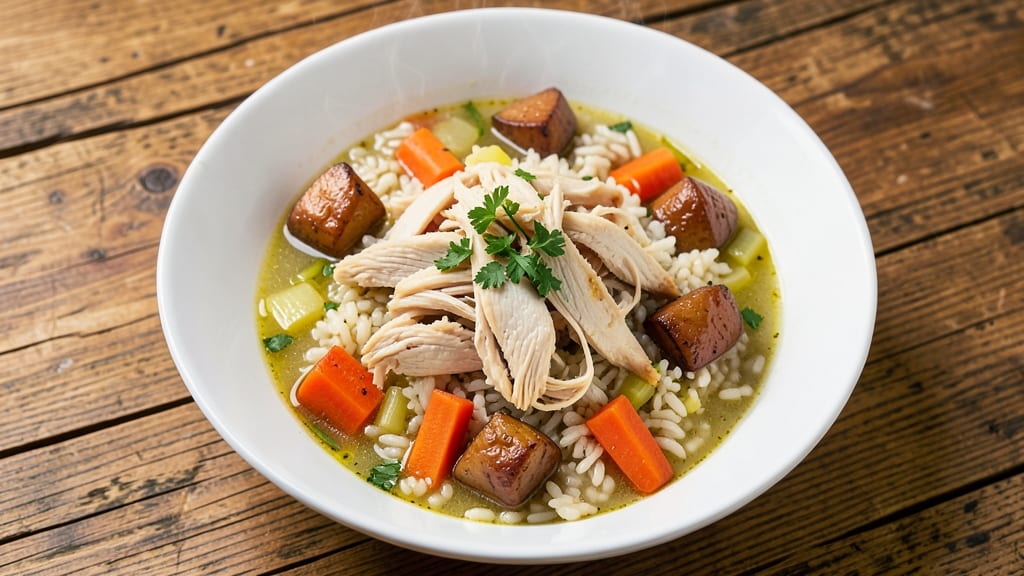
This chicken, rice, and potato soup recipe delivers restaurant-quality comfort in one-pot simplicity, perfect for chilly evenings when you crave warmth without extra effort. The secret lies in balancing tender chicken, fluffy rice, and hearty potatoes in a savory broth that simmers into rich harmony—no fancy techniques required, just 30 minutes of hands-off cooking. I developed this version after years of testing, ensuring every ingredient plays its part without overpowering the others.
What sets this soup apart is its versatility—adjust the seasoning for low-sodium needs, swap rice for quinoa, or add extra vegetables based on what’s fresh. The broth builds depth through aromatics and slow simmering, while the potatoes and rice absorb flavor perfectly.
By the time you’re done, you’ll have a steaming bowl of soul-satisfying goodness that tastes like home, with minimal cleanup. The best part? It only gets better the next day.
Ingredients for chicken rice potato soup
Sixteen ingredients for a soup that tastes like home—simple yet sophisticated.
| Ingredient | Amount | Notes |
|---|---|---|
| Boneless, Skinless Chicken Breast 🍗 | 1 ½ lb | Cut into bite-sized pieces |
| Long-Grain White Rice 🍚 | 1 cup | Uncooked, rinsed thoroughly |
| Russet Potatoes 🥔 | 2 lb | Peeled, cut into 1-inch cubes |
| Yellow Onion 🧅 | 1 whole | Diced, about 1 cup |
| Carrots 🥕 | 3 medium | Peeled, cut into chunks |
| Celery Stalks 🧅 | 3 whole | Chopped, about 1 cup |
| Garlic Cloves 🧄 | 4 cloves | Minced, for depth of flavor |
| Chicken Broth 💧 | 6 cups | Low-sodium preferred |
| Extra-Virgin Olive Oil 🫒 | 2 tbsp | For sautéing aromatics |
| Fresh Thyme 🌿 | 1 tbsp | Leaves only, chopped |
| Bay Leaves 🌿 | 2 whole | For subtle earthy flavor |
| Salt 🧂 | 1 ½ tsp | Adjust to taste |
| Black Pepper 🌶️ | ½ tsp | Freshly ground preferred |
| Fresh Parsley 🌿 | ¼ cup | Chopped, for garnish |
| Butter 🧈 | 2 tbsp | Optional, for richness |
The chicken and potatoes are your flavor anchors here. Boneless, skinless chicken breast stays tender while the Russet potatoes absorb the broth beautifully. For the potatoes, peeling and cubing them evenly ensures consistent cooking—no one wants a mushy bite. The broth is non-negotiable: low-sodium chicken broth keeps the seasoning balanced, but if you're using regular, cut the added salt. I always grab Great Value or Swanson brands—they're affordable and reliable for weeknight cooking. Fresh thyme and bay leaves add layers of flavor without overpowering the main ingredients.
No fresh thyme? Dried thyme at one-third the amount works in a pinch, but fresh is ideal. Substituting potatoes? Sweet potatoes or Yukon Golds change the texture slightly but still work. The rice can be swapped for quinoa or barley if you prefer a nuttier profile. For extra richness, add a splash of heavy cream or coconut milk at the end. The carrots and celery can be prepped ahead and stored in the fridge for 3 days—perfect for meal prep. If you're watching sodium, homemade broth makes a world of difference, but even store-bought works if you reduce it first.
This soup tastes even better the next day—flavors meld beautifully when reheated. Store leftovers in the fridge for 4-5 days or freeze for 3 months. I like to portion it into containers with a sprinkle of parsley on top so it's ready for quick lunches. The butter, if using, should be added at the very end—just melt it into the hot soup for a silky finish. For a make-ahead shortcut, par-cook the potatoes and rice separately, then assemble everything in the pot at serving time.
Why You'll Love This Recipe
- One-Pot Magic: I swear by this recipe when I’m too tired to wash three bowls—just dump everything in one pot, simmer, and forget about it. The potatoes soften while the rice absorbs the broth, and the chicken shreds itself with zero effort. (Yes, even on a Tuesday night.)
- Creamy Without Cream: That velvety texture? Pure alchemy from the potatoes breaking down in the broth, the rice thickening just enough, and the carrots adding natural sweetness. Honestly, I’ve tried adding heavy cream before—this version is just as rich, but lighter and way more satisfying.
- Leftovers That Don’t Suck: Between us, most soups turn sad after day two. Not this one. The rice keeps its bite, the chicken stays tender, and the flavors deepen overnight. I pack it for lunch all week—hot or cold, it’s still spot-on.
- Budget Meal for Busy Nights: Chicken breast is affordable, potatoes and rice are pantry staples, and onions/carrots stretch the ingredients further. I’ll be real: it’s the kind of soup I make when I’m broke but still want to feel like I’m feeding my family something special. (My kids don’t even know it’s “budget-friendly.”)
Step-by-step instructions for chicken, rice, and potato soup
This hearty soup comes together in one pot with minimal effort but maximum flavor.
Sauté the Aromatic Vegetables
Heat the 2 tablespoons extra-virgin olive oil in a large, heavy-bottomed pot over medium heat. Add the diced yellow onion, chopped celery, and peeled, chunked carrots, stirring occasionally for 5 minutes until they soften and begin to release their natural sweetness. You'll notice the vegetables start to caramelize slightly at the edges—that's when you know they're ready for the next step.
Add the 4 minced garlic cloves and 1 tablespoon chopped fresh thyme, cooking for another 30 seconds until fragrant. This step builds the flavor foundation, so don't rush it. If the vegetables stick, stir more frequently or reduce the heat slightly. The goal is to develop a rich, aromatic base without burning the garlic.
Brown the Chicken and Add Potatoes
Push the sautéed vegetables to one side of the pot and add the 1.5 pounds boneless, skinless chicken breast, cut into bite-sized pieces. Cook for 4-5 minutes until the chicken develops a light golden crust on all sides. This browning step adds depth of flavor that you won't get if you just add raw chicken to the broth.
Once the chicken is browned, return the vegetables to the center of the pot. Add the 2 pounds peeled, cubed russet potatoes, 6 cups chicken broth, 2 whole bay leaves, 1.5 teaspoons salt, and 0.5 teaspoon black pepper. Bring the mixture to a gentle boil over medium-high heat, then immediately reduce to low heat to maintain a gentle simmer.
Simmer Until Chicken is Tender
Cover the pot and let the soup simmer for 15 minutes on the stove. You'll know it's ready when the chicken is fully cooked—it should reach an internal temperature of 165°F and pull apart easily with a fork. The potatoes should also be tender but not falling apart. If the soup starts to reduce too quickly, add ½ cup water to maintain the liquid level.
Here's the thing—don't lift the lid during this time unless absolutely necessary. Every time you peek, you lose heat and moisture, which can make the soup take longer to cook. Trust the process and let it simmer undisturbed. The flavors will meld beautifully without your interference.
Add Rice and Finish Cooking
Once the chicken is tender, carefully remove the 2 bay leaves and stir in the 1 cup rinsed long-grain white rice. The rice will absorb some of the broth, so you might want to add ½ cup more chicken broth if the soup seems too thick. Return the pot to a gentle simmer and cook, covered, for 15-18 minutes or until the rice is tender and the soup has thickened to your desired consistency.
To check the rice, taste a grain—it should be firm but cooked through. If the soup is still too thin, simmer uncovered for another 2-3 minutes to reduce the liquid. The rice should be tender but not mushy, and the soup should coat the back of a spoon. This is where patience pays off—the longer the rice cooks in the broth, the more flavor it absorbs.
Finish with Butter and Garnish
Remove the pot from heat and stir in the 2 tablespoons butter for added richness. The butter will melt into the soup, creating a velvety texture. Taste and adjust the seasoning with more salt or black pepper if needed. I like to add a pinch more salt at this stage because the flavors have had time to develop and might need a little boost.
Ladle the soup into bowls and garnish each serving with ¼ cup chopped fresh parsley. The parsley not only adds a pop of color but also brightens the dish with its fresh, slightly peppery flavor. Serve immediately while hot, and enjoy the comforting combination of tender chicken, creamy potatoes, and perfectly cooked rice in every spoonful.
Pro Tips For Making Chicken Rice Potato Soup
- Parboil the Rice First: I learned this the hard way—adding raw rice to simmering soup turns it into a gluey mess. Instead, cook the rice separately until just tender (about 60% done), then stir it into the finished soup. The grains stay distinct, and the texture’s way more satisfying.
- Cut Potatoes Evenly: Uneven potato chunks mean some get mushy while others stay rock-hard. Use a mandoline or knife to slice them into ½-inch pieces—no smaller, or they’ll fall apart. Russets hold up better than you’d think, but precision matters here.
- Don’t Overcrowd the Pot: I used to dump everything in at once, and the soup would never heat through properly. Layer ingredients: start with onions and carrots, then chicken, then potatoes. Let the broth bubble freely between additions—this keeps the flavors balanced and the cooking even.
- Sear the Chicken First: Skipping this step means bland, rubbery chicken. Pat the breasts dry, season generously, and sear them in a hot pan with a little oil until golden—about 4 minutes per side. The crust locks in moisture and adds depth that raw chicken just can’t match. (Yes, even if you’re impatient like me.)
Wine and beer pairings for this recipe
Crisp White Wine
A dry white wine like Sauvignon Blanc or Pinot Grigio complements this soup beautifully. The bright acidity cuts through the richness of the chicken and butter, while the crisp finish cleanses your palate between spoonfuls.
I always reach for a bottle of Kim Crawford Sauvignon Blanc—its citrus notes and herbal undertones mirror the thyme and parsley in the soup. Serve it slightly chilled (45-50°F) to enhance its refreshing qualities. 🍷
Light Red Wine
If you prefer red, opt for a light-bodied option like Pinot Noir or Beaujolais. These wines won’t overpower the soup’s delicate flavors but add a touch of earthiness that pairs well with the thyme and bay leaves.
A 2020 La Crema Pinot Noir from California offers red fruit notes that harmonize with the chicken and potatoes. Let it breathe for 10-15 minutes before serving to soften its tannins. 🍇
Craft Beer Pairings
For beer lovers, a wheat beer or pilsner works wonders. The hoppy bitterness of a Blue Moon Belgian White balances the soup’s creaminess, while the light body won’t weigh it down.
Alternatively, a German Helles Lager like Weihenstephaner Original provides a clean, malty contrast that enhances the soup’s savory depth. Serve the beer at 45°F to highlight its crispness. 🍺
Seasonal Adjustments
In colder months, a full-bodied red like Zinfandel can stand up to the soup’s heartiness, especially if you’ve added extra butter or cream. For summer, stick to lighter options like Riesling or a session IPA—the latter’s citrusy hops complement the parsley garnish.
Pro tip: If using beer, add ½ cup to the soup during the final 5 minutes of simmering for an infused flavor boost. 🌿
Avoid Heavy Pairings
Skip bold reds like Cabernet Sauvignon or heavy whites like Chardonnay with oak—these can overpower the soup’s delicate balance of flavors. The goal is to let the dish shine, not compete with it.
If you’re unsure, stick to the lighter options mentioned above. Trust me, your taste buds will thank you! 💫
Nutrition facts
Frequently asked questions
Can I use chicken thighs instead of chicken breast?
Chicken thighs add richer flavor and stay juicier during simmering. Use 1.5 pounds bone-in, skin-on thighs and adjust cooking time to 20-25 minutes for tender meat. Remove skin before adding to the pot to avoid greasiness, or leave it on for extra richness (just skim excess fat).
How do I make this soup gluten-free?
This recipe is already gluten-free, but check your broth label—some contain wheat. For extra safety, use certified gluten-free chicken broth. The rice can be swapped for quinoa or gluten-free pasta if desired, though texture will differ slightly.
Why is my rice mushy?
Mushy rice usually means overcooking or too much liquid. The rice should simmer for 15-18 minutes in broth, not water. If your soup seems too thin, uncover and simmer 2-3 extra minutes to reduce liquid. For firmer rice, use 1:2 rice-to-broth ratio (1 cup rice to 2 cups broth).
Can I prep this soup ahead of time?
Yes! This soup tastes even better the next day. Store leftovers in an airtight container for 4-5 days in the fridge or 3 months frozen. For quick reheating, warm on low heat with 1-2 tablespoons broth to restore moisture. Stir occasionally to prevent sticking.
What can I add to make it more filling?
For extra heartiness, stir in ½ cup corn kernels, diced bell peppers, or shredded cheese at the end. Add 1 can white beans during the final 5 minutes of simmering, or top with crusty bread or croutons before serving. Just adjust seasoning after adding extra ingredients.