
Main Courses
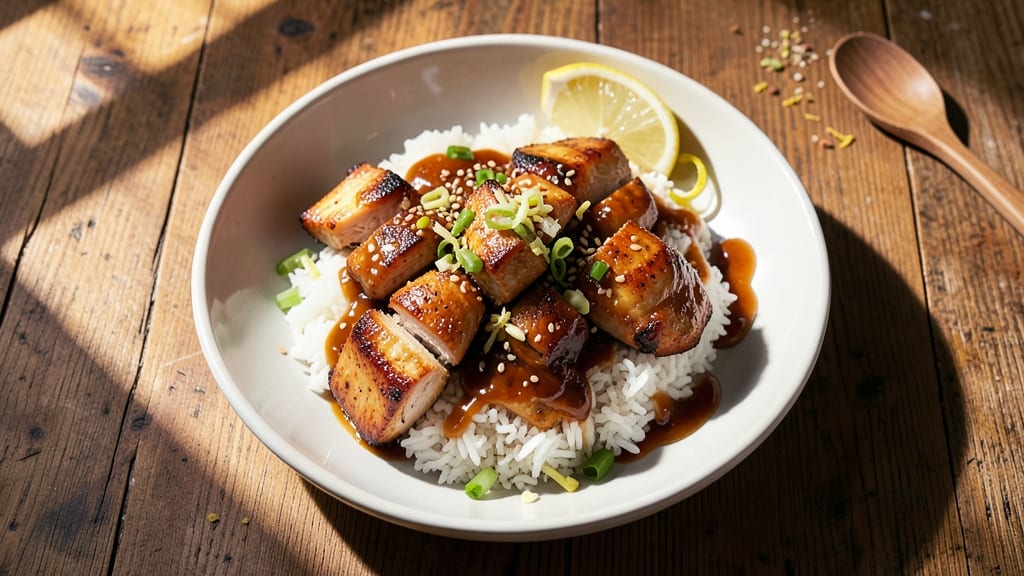
This chicken mixed rice recipe delivers a fragrant, protein-packed meal in one pan—no fuss, no cleanup. The secret lies in perfectly seasoned chicken and aromatic rice cooked together, creating a dish that’s both satisfying and restaurant-quality.
I’ve refined this method over years to balance tender meat with flavorful grains, ensuring every bite is packed with savory depth and satisfying texture.
What sets this recipe apart is its versatility—adapt it to Asian-inspired stir-fry, Latin-style sofrito, or a fusion of your choice. The chicken stays juicy and flavorful, while the rice absorbs all the caramelized aromas from the pan.
Ready in 30 minutes, it’s ideal for weeknight dinners or meal prep. Here’s how to make it effortlessly perfect.
Ingredients for chicken mix rice
Twelve ingredients, one pan, restaurant-quality flavor—this is the shortcut to perfect chicken mixed rice.
| Ingredient | Amount | Notes |
|---|---|---|
| Boneless, Skinless Chicken Thighs 🍗 | 1 ½ lb | Cut into 1-inch pieces |
| Long-Grain White Rice 🍚 | 1 ½ cups | Uncooked, rinsed thoroughly |
| Chicken Broth 💧 | 2 cups | Low-sodium preferred |
| Extra-Virgin Olive Oil 🫒 | 2 tbsp | For searing chicken |
| Garlic Cloves 🧄 | 4 cloves | Minced finely |
| Fresh Ginger 🌿 | 1 tbsp | Grated finely |
| Low-Sodium Soy Sauce 🍶 | 2 tbsp | For umami depth |
| Sesame Oil 🫒 | 1 tsp | Toasted for aroma |
| Diamond Crystal Kosher Salt 🧂 | 1 tsp | Adjust to taste |
| Ground Black Pepper 🌶️ | ½ tsp | Freshly cracked |
| Green Onions 🧅 | 3 whole | Sliced thin for garnish |
| Fresh Cilantro 🌿 | ¼ cup | Chopped, for brightness |
| Toasted Sesame Seeds 🌾 | 1 tbsp | For texture contrast |
The chicken thighs are non-negotiable here—they stay juicier longer than breasts during the extended cooking time. Look for thighs with good marbling at Whole Foods or your local butcher shop for optimal texture. If using pre-cut thighs, trim any excess fat to prevent excessive smoke. The rice should be long-grain and uncooked—jasmine or basmati work beautifully, but any white rice will suffice. For the broth, low-sodium is key—you'll be adding soy sauce which already contains salt. If you can't find chicken broth, vegetable broth with an extra pinch of salt works in a pinch, though the flavor will differ slightly.
No sesame oil? Toasted peanut oil provides a similar nutty depth, though the aroma won't be identical. Fresh ginger can be swapped for 1 teaspoon ground ginger, but it lacks the same brightness. The green onions and cilantro are purely for garnish—skip them if you're sensitive to strong flavors, but I'd recommend keeping them for that fresh finish. For a fusion twist, add 1 teaspoon smoked paprika with the chicken for a Latin-inspired profile, or 1 teaspoon fish sauce for an Asian-inspired depth. If you're prepping ahead, cook the rice separately and mix it in later to prevent mushiness.
This dish reheats exceptionally well—3-4 days in the fridge with flavors deepening over time. For longer storage, freeze portions for up to 3 months. I recommend portioning into glass containers for easy reheating in the microwave. The sesame seeds and green onions can be added fresh after reheating for maximum brightness. For meal prep, double the recipe and freeze half—it's perfect for busy weeknights. The chicken and rice combination also makes excellent stuffed peppers or lettuce wraps when cooled.
Why You'll Love This Recipe
- One-Pan Magic: I swear by this recipe because it’s literally one pan—no rice cooker, no extra pots, no stress. Toss the chicken thighs in olive oil, garlic, and salt, let them sear until golden, then pour in the broth and rice. Walk away. The rice absorbs everything while the chicken stays juicy. That’s 20 minutes of hands-off cooking.
- Garlic-Kissed Comfort: Between us, the garlic here isn’t just there—it’s the star. Those minced cloves sizzle in the olive oil until they’re fragrant and just starting to brown, then cling to the chicken like a flavor hug. The broth reduces into a sticky, savory base that makes every bite taste like it’s been simmering for hours. Honestly, I’ve made this for people who “don’t like garlic,” and they still ask for seconds.
- Leftovers That Don’t Suck: This recipe actually improves the next day. The rice gets that perfect, slightly firmer texture, and the chicken stays tender—no dryness, no sad leftovers. I meal prep this all the time: pack it for lunch, reheat it for dinner, or serve it cold in wraps. (Yes, even on a Tuesday night.)
- Budget-Friendly Protein: Chicken thighs are the unsung hero—cheaper than breasts, juicier than the bone-in stuff, and so forgiving. A few thighs stretch over two meals, and the rice stretches even further. Plus, using olive oil instead of butter keeps costs down without sacrificing flavor. It’s my go-to when I need to feed the family without breaking the bank.
Step-by-step instructions for chicken mixed rice
This one-pan method delivers perfectly balanced flavors and textures every time.
Prepare the Chicken and Aromatics
Cut the 1.5 lb boneless, skinless chicken thighs into 1-inch pieces and pat them completely dry with paper towels. This step is crucial—excess moisture prevents proper searing. In a small bowl, combine the minced 4 cloves garlic, 1 tbsp finely grated fresh ginger, 2 tbsp low-sodium soy sauce, 1 tsp sesame oil, 1 tsp Diamond Crystal kosher salt, and 0.5 tsp freshly cracked ground black pepper. Mix thoroughly to create a cohesive marinade.
Transfer the chicken pieces to the marinade and toss gently to coat evenly. Let them sit at room temperature for 15 minutes while you prepare the remaining ingredients. This brief marinating period ensures the chicken absorbs the aromatic flavors, while keeping it at room temperature promotes even cooking. The chicken should be fully coated with the marinade, with no dry spots remaining.
Sear the Chicken and Sauté Aromatics
Heat a large, deep skillet or Dutch oven over medium-high heat until it's properly preheated. Add the 2 tbsp extra-virgin olive oil and let it shimmer for about 30 seconds. Add the marinated chicken in a single layer, being careful not to overcrowd the pan. Cook undisturbed for 3-4 minutes until the chicken develops a deep golden-brown crust on all sides.
Once the chicken is browned, remove it from the skillet and set it aside on a plate. In the same skillet, reduce heat to medium and add the 1.5 cups rinsed long-grain white rice, stirring constantly for 1-2 minutes until it becomes translucent at the edges. This step, called "toasting the rice," enhances its nutty flavor and prevents mushiness. The rice should be evenly coated with the chicken's rendered juices and aromatics.
Build the Fragrant Base
Pour in the 2 cups chicken broth and bring the mixture to a gentle boil. Return the chicken to the skillet and stir once to combine. At this point, the rice should be submerged in the liquid, but a thin layer should still be visible on top. This ensures proper cooking without steaming. Cover the skillet with a tight-fitting lid and reduce heat to low. The liquid should simmer gently, with only small bubbles breaking the surface.
Cook for 15 minutes without lifting the lid. This initial cooking period allows the rice to absorb the initial liquid while maintaining its structure. After 15 minutes, check the rice by lifting a grain with a fork—it should be tender but still slightly firm to the bite. If the liquid has been completely absorbed, add ¼ cup hot water to prevent burning. The goal is to create a fragrant, flavorful base before the final cooking phase.
Complete the Cooking Process
Once the rice is tender but still slightly firm, increase the heat to medium-low and cook uncovered for another 5-7 minutes. This final phase allows any remaining liquid to evaporate, creating a slightly drier texture that's ideal for mixed rice. The rice should be fully cooked but still separate—each grain distinct and tender. Stir gently once or twice during this phase to ensure even cooking and prevent sticking.
When the rice is fully cooked, remove the skillet from heat and let it sit covered for 5 minutes. This resting period allows the flavors to meld and the rice to finish absorbing any remaining moisture. During this time, slice the 3 whole green onions thinly and chop the 0.25 cup fresh cilantro. Sprinkle the 1 tbsp toasted sesame seeds evenly over the top of the rice. The combination of fresh herbs and toasted seeds adds contrasting textures and vibrant colors to the dish.
Serve with Confidence
Gently fluff the rice with a fork, being careful not to mash the grains. Taste and adjust seasoning if needed—add a pinch more salt or a splash of soy sauce if the dish needs more depth. Serve immediately while the rice is still warm, allowing each person to mix their portion thoroughly. The chicken should be tender with a slightly crisp exterior, and the rice should have a delicate balance of chewiness and tenderness.
This one-pan chicken mixed rice delivers restaurant-quality results with minimal effort. The aromatic blend of garlic, ginger, and sesame creates a fragrant base, while the soy sauce adds umami depth. Each bite offers a perfect harmony of textures and flavors, making this dish ideal for weeknight dinners or meal prep. The key to success lies in proper searing, even cooking, and allowing the rice to develop its full flavor profile through careful timing.
Pro Tips For Making Chicken Mix Rice
- CRISP THE GARLIC FIRST: Toss minced garlic in your olive oil for 30 seconds until it’s just golden—no waiting for color. I used to burn it every time, but this quick sear adds nutty depth without turning bitter. The rice will thank you later.
- SALT THE BROTH LIKE THE SEA: Taste that chicken broth before adding rice—it should hit salty like tears after eating spicy wings. Store-bought broth is usually weak, so add 1.5x the seasoning packet. Trust me, bland broth ruins everything.
- DON’T DROWN THE CHICKEN: After browning thighs, pull them out and let them rest while you sauté garlic—even 2 minutes makes a difference. Crowding the pan steams them instead of searing, and soggy chicken in rice is a crime.
- STIR THE RICE ONCE: After the initial boil, walk away and let the rice steam undisturbed for 10 minutes. I know, I know—you’ll panic it’s burning. But stirring too much turns it gummy. Just check the lid isn’t warping.
Wine and beer pairings for this dish
Crisp White Wine
A dry Riesling from Germany or a Sauvignon Blanc from New Zealand complements this dish beautifully—their bright acidity and citrus notes cut through the richness of the chicken and soy sauce.
I love pairing it with a 2022 Dr. Loosen Blue Slate Riesling from Germany, which balances the dish's umami with its crisp finish. The slight mineral undertones enhance the ginger and garlic flavors without overpowering them. 🍷
Light Beer Options
For beer lovers, a Japanese lager like Asahi Super Dry or a Belgian witbier such as Stella Artois work wonderfully. The subtle hop bitterness in lagers cleanses the palate between bites, while witbiers add a refreshing citrusy contrast to the soy and sesame.
Avoid heavy IPAs—they’ll clash with the delicate balance of the dish. 🍺
Red Wine for Bold Palates
If you prefer red, a light-bodied Pinot Noir from Oregon or a Chianti from Tuscany adds depth without overwhelming the dish. The Pinot Noir’s earthy notes harmonize with the ginger and garlic, while Chianti’s acidity brightens the soy sauce.
I recommend a 2021 Domaine Serene Pinot Noir—it’s elegant enough to let the dish shine. 🍇
Non-Alcoholic Pairings
For a refreshing non-alcoholic option, try sparkling yuzu soda or hibiscus iced tea. The citrusy effervescence in yuzu soda mirrors the ginger and garlic, while hibiscus tea’s tartness balances the dish’s richness. Serve both chilled for the perfect contrast. 🍹
Regional Adaptations
For an Asian-inspired twist, pair with sake—a dry junmai sake like Dassai enhances the umami and sesame flavors. In Latin-inspired versions (with smoked paprika), a Mexican lager like Modelo Especial complements the smoky notes. Always match the drink to the dish’s dominant flavor profile. 🌏
Nutrition facts
Frequently asked questions
Can I use chicken breast instead of thighs?
Chicken thighs are ideal because they stay juicy during the longer cooking time, but you can use boneless, skinless breasts if preferred. Cut them into ½-inch pieces and reduce cooking time by 2-3 minutes to prevent drying. For extra moisture, add ¼ cup chicken broth when checking the rice at the 15-minute mark.
How do I make this recipe vegetarian?
Swap the chicken for 1.5 cups extra-firm tofu (pressed and cubed) or 1.5 cups mushrooms (sliced). Marinate the tofu in 1 tbsp soy sauce + 1 tsp sesame oil for 10 minutes, then pan-fry until golden. Use vegetable broth instead of chicken broth. Add 1 tsp smoked paprika for depth if using mushrooms.
Why did my rice turn out mushy?
Mushy rice usually happens from overcooking or stirring too much. Always use low heat after the initial boil, and avoid lifting the lid during the 15-minute cooking phase. If the rice absorbs liquid too quickly, reduce heat further. For extra insurance, use jasmine rice (it holds up better than basic white rice).
Can I make this in an Instant Pot?
Yes! Sauté the chicken and aromatics first, then add rice and broth. Cook on high pressure for 5 minutes, then let it naturally release for 10 minutes. Stir in 1 tsp sesame oil after cooking. The Instant Pot version is even more flavorful because it traps steam, infusing the rice with chicken juices.
What’s the best way to reheat leftovers?
Reheat in a skillet with 1 tbsp oil over medium heat for 3-4 minutes, stirring occasionally. Add 1-2 tbsp water if needed to restore moisture. Microwaving works too—cover with a damp paper towel and heat for 90 seconds. Always add fresh green onions and cilantro after reheating for brightness.