
Main Courses
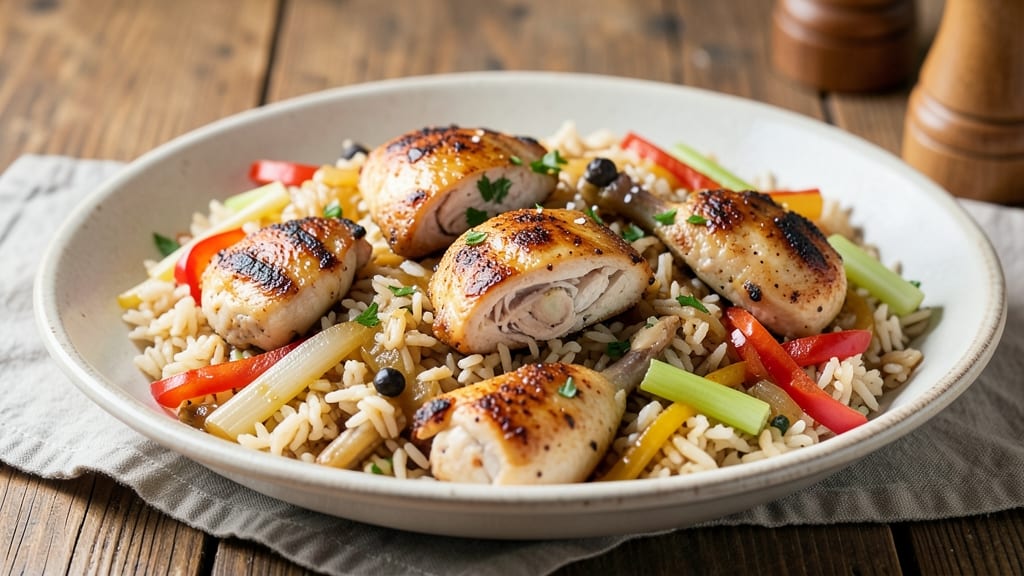
This one-pot chicken jambalaya rice recipe delivers the bold, smoky flavors of Louisiana in a single dish—no fuss, no cleanup. The secret lies in building layers of flavor through the holy trinity (onion, bell pepper, celery) and letting everything simmer together until the rice absorbs that rich, spiced broth.
I developed this version after years of testing, balancing authenticity with home-cook simplicity.
What sets this recipe apart is the perfect harmony of tender chicken, hearty rice, and a medley of vegetables all cooked in one pot. The spices toast gently in the oil, releasing their aromas before melding with the broth, while the chicken stays juicy and the rice comes out fluffy.
This isn’t just a meal—it’s a restaurant-quality experience with minimal effort.
The result is a dish that’s deeply satisfying, with each bite delivering smoky paprika, warm cayenne, and the natural sweetness of tomatoes and bell peppers. The rice soaks up all the flavor, creating a cohesive, flavorful bite that’s impossible to resist.
Serve it with crusty bread to soak up every last drop of that aromatic broth.
Whether you're feeding a crowd or cooking for two, this jambalaya scales beautifully and tastes even better the next day. Let’s get cooking!
Ingredients for chicken jambalaya rice
Rice, chicken, and the holy trinity of onion, bell pepper, celery create this Louisiana-inspired one-pot feast.
| Ingredient | Amount | Notes |
|---|---|---|
| Long-Grain White Rice 🍚 | 1 ½ cups | Uncooked, medium grain preferred |
| Boneless Chicken Thighs 🍗 | 1 ½ lb | Skin-on for best flavor |
| Yellow Onion 🧅 | 1 whole | Medium size, diced |
| Green Bell Pepper 🍅 | 1 whole | Medium size, diced |
| Celery Stalks 🧅 | 2 whole | Medium size, diced |
| Garlic Cloves 🧄 | 4 cloves | Freshly minced |
| Smoked Paprika 🌶️ | 2 tbsp | High quality for smoky depth |
| Dried Thyme 🌿 | 1 tsp | Or 1 tbsp fresh thyme |
| Ground Cayenne Pepper 🌶️ | ½ tsp | Adjust for heat preference |
| Salt 🧂 | 1 ½ tsp | Kosher or sea salt |
| Black Pepper 🌶️ | ½ tsp | Freshly ground preferred |
| Chicken Broth 💧 | 3 cups | Low-sodium preferred |
| Diced Tomatoes 🍅 | 1 can (14.5 oz) | San Marzano preferred |
| Olive Oil 🫒 | ½ cup | Extra-virgin for richness |
| Green Onions 🧅 | 2 whole | Fresh, sliced for garnish |
The chicken thighs are the heart of this dish—skin-on gives the best flavor and stays juicy. Look for bone-in, skin-on thighs at Whole Foods or your local butcher for authentic taste. If you can't find them, boneless skinless thighs work, but they'll be slightly drier. The rice? Long-grain white is standard, but jasmine or basmati add a nice aroma. For the holy trinity, buy fresh produce—Trader Joe's has great pre-diced options if you're short on time, but chopping your own ensures better flavor. Smoked paprika is non-negotiable here—Penzeys or Gourmet Madness brands deliver the authentic smoky depth.
No smoked paprika? Regular paprika plus a pinch of liquid smoke works in a pinch. Short on chicken broth? Vegetable broth with a splash of Worcestershire keeps it flavorful. The cayenne can be adjusted—red pepper flakes at half the amount if you prefer milder heat. Fresh thyme is ideal, but dried works at one-third the quantity. For the tomatoes, San Marzano cans are worth the splurge—they're sweeter and less acidic. If you can't find them, any good-quality diced tomatoes will do. The green onions are just for garnish, but if you're feeling fancy, add a few to the pot during cooking for extra flavor.
This jambalaya tastes even better the next day as flavors meld. Store in an airtight container in the fridge for 4-5 days or freeze portions for 3 months. I always make a double batch—one for dinner and one to freeze for lazy weeknights. The rice absorbs all the flavor, so don't skimp on the broth. If it seems dry, add a splash of water or broth before serving. Leftovers reheat beautifully in the microwave or on the stovetop with a splash of water to revive the rice.
Why You'll Love This Recipe
- The secret’s in the slow simmer: chicken thighs stay juicy while the bell pepper and onion mellow into sweet, smoky depth. No fancy technique—just let it bubble. Honestly, the first time I made this, I almost skipped the spices… then added them back in because wow.
- One-Pot Magic: I swear by this recipe because it’s literally one pan—no rice cooker, no extra bowls. Toss in the chicken, veggies, and rice, then let the broth work its magic. By the time the celery’s soft and the onions caramelize, dinner’s ready. (Yes, even on a Tuesday night.)
- Spice Without Stress: The secret’s in the slow simmer: chicken thighs stay juicy while the bell pepper and onion mellow into sweet, smoky depth. No fancy technique—just let it bubble. Honestly, the first time I made this, I almost skipped the spices… then added them back in because wow.
- Lunchbox Gold: This reheats like a dream—better the second day, if you ask me. Pack it for work or school, and you’ve got a hearty, flavorful meal that won’t turn to mush. My daughter picks out the celery first, but still asks for seconds. (Kids are weird like that.)
Step-by-step instructions for smoky chicken jambalaya
This one-pot masterpiece delivers deep, smoky flavor and perfectly cooked rice every time.
Sear the Chicken for Maximum Flavor
Heat the 0.5 cup olive oil in a large, heavy pot over medium-high heat until shimmering but not smoking. Pat the 1.5 lb boneless chicken thighs completely dry with paper towels—this ensures a proper sear. Add the chicken in a single layer and cook undisturbed for 5-6 minutes until the skin develops a deep golden-brown crust.
Flip the chicken pieces and continue cooking for another 4-5 minutes until the internal temperature reaches 165°F. The chicken should release easily from the bottom of the pot when ready. Remove the chicken and set it aside on a plate, leaving all the rendered juices and browned bits in the pot—these are packed with flavor that will form the base of your jambalaya.
Build the Flavor Foundation
In the same pot, add the diced yellow onion, diced green bell pepper, and diced celery stalks. Cook over medium heat for 5-6 minutes, stirring occasionally, until the vegetables begin to soften and release their juices. You'll notice the mixture becomes more aromatic and slightly caramelized at the edges.
Add the 4 cloves minced garlic and stir for 30 seconds until fragrant—this is when the kitchen will fill with that irresistible garlic aroma. Immediately add the 2 tbsp smoked paprika, 1 tsp dried thyme, 0.5 tsp ground cayenne pepper, 1.5 tsp salt, and 0.5 tsp black pepper. Stir vigorously for 1 minute to toast the spices and release their oils, which will deepen the smoky flavor profile of your jambalaya.
Deglaze and Combine All Ingredients
Pour in the 1 can (14.5 oz) diced tomatoes and scrape the bottom of the pot with a wooden spoon, ensuring you lift all those flavorful browned bits. Add the 3 cups chicken broth and bring the mixture to a gentle boil over medium-high heat. Once boiling, reduce the heat to medium-low and stir in the 1.5 cups long-grain white rice, spreading it evenly throughout the liquid.
Return the chicken to the pot, nestling it among the rice and vegetables. The chicken will finish cooking as the jambalaya simmers, and the rice will absorb the rich, flavorful liquid. Cover the pot with a tight-fitting lid and simmer for 20 minutes without lifting the lid—this steaming process ensures the rice absorbs the liquid evenly and becomes tender without becoming mushy.
Simmer to Perfect Texture
After the initial 20 minutes, uncover the pot and stir gently to check the rice. If the liquid has been fully absorbed and the rice still has a slight bite to it, cover and simmer for another 5-10 minutes. You're aiming for rice that's tender but still holds its shape—what we call "al dente" in jambalaya terms. If the mixture looks dry before the rice is fully cooked, add 2-3 tablespoons of water or chicken broth and continue simmering.
Taste the jambalaya and adjust the seasoning if needed. The smoky, spicy flavors should be balanced with the natural sweetness of the tomatoes and the savory notes from the chicken. If it needs more heat, add a pinch more cayenne pepper. If it needs more depth, a splash of chicken broth can help.
Rest and Garnish
Remove the pot from heat and let the jambalaya rest, covered, for 5-10 minutes. This resting period allows the rice to finish absorbing any remaining liquid and the flavors to meld together more deeply. During this time, slice the 2 whole green onions into thin rings for garnish.
Before serving, give the jambalaya one final stir to redistribute any settled rice at the bottom. Spoon the jambalaya into bowls, garnishing each serving with the sliced green onions. The finished dish should have a rich, smoky aroma, tender chicken, and perfectly cooked rice that's infused with all the spices and vegetables. Serve immediately with crusty bread to soak up every last drop of that delicious sauce.
Pro Tips For Making Chicken Jambalaya Rice
- Brown the Chicken Properly: Don’t just sear—get those thighs golden and crispy on all sides before pulling them out. I used to rush this, and the chicken ended up rubbery. A 5-minute cook at medium-high heat, then another 5 minutes flipped, makes all the difference. The extra effort pays off when you shred it later.
- Mince the Holy Trinity Fine: Yellow onion, bell pepper, and celery should be so finely chopped they’re almost paste-like. I learned this the hard way—lumpy veggies turn into identifiable chunks in jambalaya. A sharp knife and a rocking motion work best. No food processor? A chef’s knife and patience will get you there.
- Deglaze Aggressively: After browning the chicken, don’t just splash in liquid—scrape up every last bit of fond with a wooden spoon. That’s where the flavor hides. Add a splash of chicken broth or even a little white wine (if you’re fancy) and let it bubble for 30 seconds. Skimp here, and your jambalaya tastes bland.
- Toast the Rice First: Dry-toast the long-grain rice in the pot with a little oil for 2-3 minutes before adding liquid. This isn’t just for aroma—it prevents mushy rice later. I was skeptical until I tried it; now it’s non-negotiable. The rice stays firm, and the dish tastes deeper. (Yes, even if you’re impatient like me.)
Storing and reheating this recipe
Fridge Storage Tips
Let your jambalaya cool completely before storing—transferring it to the fridge while still warm can create condensation, making the rice soggy. I use glass Pyrex containers with tight-fitting lids to keep flavors locked in.
Store for up to 4-5 days at 40°F or below, but I find it tastes best within the first 2-3 days as the spices meld further. The rice absorbs extra flavor overnight, making leftovers even more satisfying. 🥫
Freezer-Friendly Prep
For longer storage, freeze jambalaya in airtight freezer bags or glass containers with 1-inch headspace to prevent ice crystals. Portion into 2-cup servings for easy reheating—this is my go-to for busy weeknights.
Label with the date and freeze for up to 3 months. Thaw overnight in the fridge before reheating for the best texture. 🧊
Stovetop Revival
My preferred reheating method is on the stovetop—it restores the jambalaya’s texture perfectly. Transfer to a pot and add 2-3 tablespoons of water or chicken broth to prevent drying. Heat over medium-low heat for 8-10 minutes, stirring occasionally, until steaming.
If the rice looks dry, add more liquid and simmer until tender. Stir in a pinch of smoked paprika for a fresh flavor boost. 🔥
Microwave Shortcut
For quick meals, microwave individual portions covered with a damp paper towel to retain moisture. Heat on 70% power for 2-3 minutes, stir, then continue in 30-second intervals until reaching 165°F.
Add a splash of water if needed—this prevents the rice from becoming rubbery. Garnish with fresh green onions to brighten the flavors. ⏱️
Reheating from Frozen
Thaw frozen jambalaya in the fridge overnight, then reheat using the stovetop method above. If you’re short on time, transfer the frozen portion to a pot and add ½ cup extra broth.
Simmer on low heat for 15-20 minutes, stirring occasionally, until fully heated through. The rice may release extra moisture—adjust seasoning if needed. 💫
Serving Leftovers Creatively
Transform leftover jambalaya into jambalaya-stuffed bell peppers by hollowing out large peppers, filling them with reheated jambalaya, and baking at 375°F for 15 minutes. Or serve it over buttered noodles for a comforting twist.
The flavors only deepen with time, so don’t hesitate to repurpose leftovers—just avoid reheating more than once for food safety. 🌶️
Nutrition facts
Frequently asked questions
Can I substitute white rice with another type?
Long-grain white rice is traditional, but you can use jasmine or basmati for extra aroma. For a heartier texture, try brown rice (increase broth by ½ cup and simmer 30-40 minutes). Avoid instant rice—it absorbs liquid too quickly and can turn mushy.
How do I make this dish less spicy?
Reduce the cayenne pepper to ¼ tsp or omit it entirely. For extra mildness, add 1 tsp sugar or ½ tsp honey to balance the heat. If already cooked, stir in a splash of chicken broth to dilute the spice concentration.
What's the best way to prevent the rice from getting mushy?
Don't lift the lid while simmering—steam is key for even cooking. If the rice seems undercooked after 20 minutes, add 2 tbsp broth and simmer uncovered for 5 more minutes. For perfect texture, use 1.5 cups uncooked rice (about 3 cups cooked) and avoid stirring too much once the rice is added.
Can I make jambalaya in a slow cooker?
Brown the chicken and holy trinity in a skillet first, then transfer everything to the slow cooker. Add all remaining ingredients and cook on LOW for 4-5 hours or HIGH for 2-3 hours. The rice may need ½ cup extra broth—check and adjust before serving. The slow cooker method enhances flavors but requires occasional stirring.
What are the best sides to serve with jambalaya?
Classic choices include crusty French bread for soaking up sauce, simple green salad with vinaigrette, or collard greens for a Southern-inspired pairing. For extra heartiness, serve with cornbread or buttered cornbread muffins. The smoky flavors pair beautifully with cool, fresh elements.