Main Courses
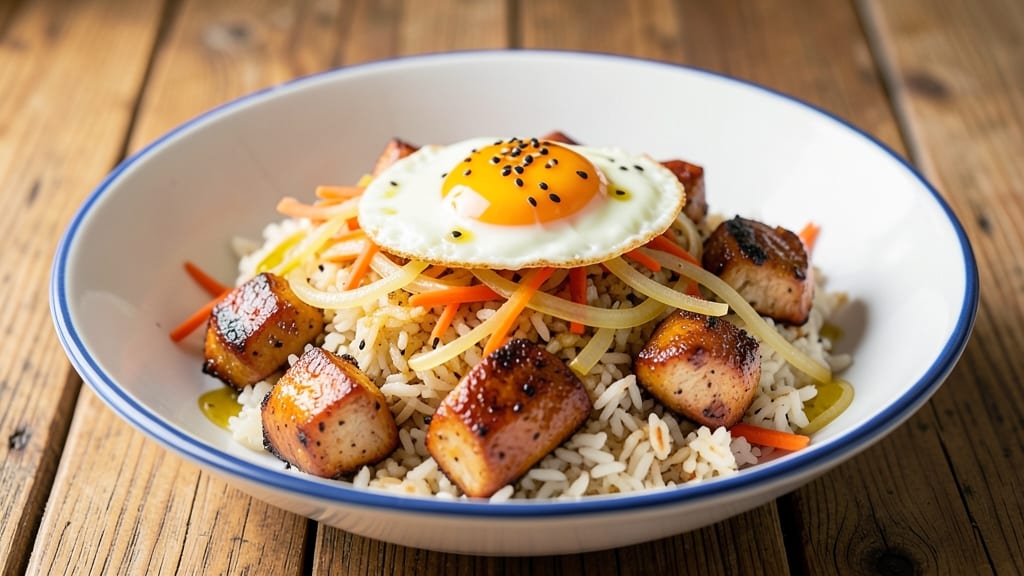
This chicken fried rice recipe no peas delivers restaurant-style flavor in just 20 minutes, using simple ingredients that transform into a satisfying weeknight meal. The secret lies in crispy carrot bits and perfectly scrambled eggs that add texture and richness without peas.
My grandmother used to make this version when fresh peas weren't available, and it became a family favorite for its bold, savory taste.
What makes this recipe work is the proper technique for stir-frying—high heat, quick cooking, and constant motion to prevent sticking. You'll start with day-old rice (the key to perfect texture) and work through a simple sequence of protein, vegetables, and seasonings.
The result is a dish that's packed with flavor but requires minimal effort, making it ideal for busy weeknights.
By the time you're done, you'll have golden-brown chicken pieces, vibrant carrot bits, and fluffy scrambled eggs all tossed together in a savory soy-ginger sauce. The dish maintains its texture even after reheating, so it's perfect for meal prep or feeding a crowd.
This is comfort food at its finest—simple, satisfying, and full of homey flavors.
Serve it with a side of steamed greens or a simple cucumber salad to balance the richness. The beauty of this recipe is its flexibility—swap in different vegetables or proteins while keeping the same foundational technique. Let's get cooking!
Ingredients for chicken fried rice recipe no peas
Simple ingredients transform into restaurant-style fried rice with crispy carrot bits and fluffy eggs.
| Ingredient | Amount | Notes |
|---|---|---|
| Day-Old Cooked White Rice 🍚 | 4 cups | Cold rice preferred for texture |
| Boneless Chicken Breast 🍗 | 1 ½ lb | Cut into 1-inch pieces |
| Large Eggs 🥚 | 2 whole | Scrambled for texture |
| Carrots 🥕 | 1 ½ cups | Julienned into thin strips |
| Yellow Onion 🧅 | 1 whole | Diced into small pieces |
| Garlic Cloves 🧄 | 4 cloves | Minced finely |
| Soy Sauce 🍶 | ½ cup | Light or regular |
| Sesame Oil 🫒 | 1 tbsp | For aroma |
| Vegetable Oil 🫒 | 2 tbsp | High smoke point |
| Fresh Ginger 🌿 | 1 tbsp | Grated finely |
| Salt 🧂 | ½ tsp | Kosher or sea salt |
| Black Pepper 🌶️ | ¼ tsp | Freshly ground |
| Green Onions 🧅 | 3 whole | Sliced for garnish |
The rice is non-negotiable—day-old works best for texture, but if you're fresh out, spread freshly cooked rice on a tray and refrigerate for 30 minutes. Day-Rice brand from Asian markets is a game-changer, but any jasmine or basmati rice works. For the carrots, orange carrots add extra color, but regular carrots work just fine. The chicken should be cut into even pieces—1-inch cubes give you that perfect bite. Buy boneless breasts and slice them yourself for best results, or grab pre-cut chicken strips from the freezer section at Trader Joe's when you're in a rush.
No soy sauce? Coconut aminos work in a pinch, though the flavor will be slightly different. Fresh ginger not available? Ground ginger at half the amount is fine, but toasted sesame oil is harder to replace—nutmeg or cinnamon can mimic some of its warmth. The eggs are scrambled separately and added at the end, so don't overcook them. For the carrots, if julienning feels like too much work, pre-shredded carrots from the bag (the kind in the salad bar section) are surprisingly good here. The green onions can be swapped for regular onions if you're out, but the mild flavor keeps this dish balanced.
This reheats beautifully—just add a splash of water and stir. Keeps for 4-5 days in the fridge, freezes for 3 months. I always double the recipe because it's perfect for lunches. Store in airtight containers, and the flavors actually deepen overnight. The sesame oil separates when refrigerated, so give it a quick stir before reheating. For meal prep, portion into individual containers with a layer of green onions on top—they stay fresh longer that way.
Why You'll Love This Recipe
- Here’s what sold me: I can stretch a single chicken breast and a handful of rice into three solid meals without breaking the bank. Onions and carrots are cheap staples, and eggs add protein without costing a fortune. It’s the kind of dish that makes me feel like I’m feeding a crowd without stressing my wallet.
- One-Pan Magic: I swear by this recipe when I’m too tired to wash dishes—just toss everything onto one hot skillet, stir, and boom. The eggs scramble right into the rice while the chicken cooks through, no extra bowls or pans needed. Honestly, the mess is minimal, and the result? A fragrant, sizzling pile of flavor that feels gourmet.
- Crispy-Tender Bite: The secret’s in the chicken—cut into bite-sized pieces and pan-fried until golden before the rice joins in. That crispy edge with the creamy, juicy center? Chef’s kiss. Plus, the onions caramelize just enough to add this sweet, savory depth that makes every forkful irresistible.
- Lunchbox Hero: Between us, this is my go-to for meal prep. Cook a big batch on Sunday, and I’ve got lunch sorted for the week—just reheat and eat. The day-old rice absorbs all the flavors better, and the carrots stay crisp enough to keep things interesting. My kids even ask for it, and that’s saying something.
Step-by-step instructions for chicken fried rice (no peas)
Here's how to transform simple ingredients into a restaurant-quality fried rice dish.
Prep All Ingredients for Even Cooking
First, cut the 1.5 lb boneless chicken breast into 1-inch pieces—this size ensures they cook quickly without drying out. Use a sharp knife for clean cuts, and pat the chicken dry with paper towels before seasoning lightly with 0.25 tsp black pepper and 0.25 tsp salt (half the total amounts). This prevents the chicken from releasing too much moisture during cooking.
Julienne the 1.5 cups carrots into thin strips about 1/8-inch wide using a mandoline or sharp knife. Dice the 1 whole yellow onion into small, even pieces—about 1/4-inch cubes—so they cook through without becoming mushy. Mince the 4 cloves garlic cloves finely and grate the 1 tbsp fresh ginger using a microplane for maximum flavor extraction.
Scramble the Eggs for Perfect Texture
Heat a large skillet over medium-high heat and add 2 tbsp vegetable oil, swirling to coat the surface. Crack the 2 whole large eggs into a bowl, season with 0.25 tsp salt and 0.25 tsp black pepper, and whisk vigorously until the yolks and whites are fully combined. Pour the eggs into the skillet and let them sit undisturbed for 5-7 seconds—this creates a firm base before gently stirring with a spatula.
Once the eggs are soft but set (about 20-30 seconds), remove them from the skillet and set aside on a plate. The eggs should be slightly moist but not runny—this texture will distribute throughout the fried rice. Keep the skillet on heat; you'll use it for the chicken next.
Cook Chicken and Aromatics for Deep Flavor
Return the skillet to medium-high heat and add the 1-inch chicken pieces in a single layer, leaving space between them to avoid steaming. Let the chicken sear undisturbed for 2-3 minutes until the undersides develop a golden-brown crust. Flip and cook another 2-3 minutes until the chicken reaches 165°F internally. Remove the chicken and set aside with the eggs.
In the same skillet, add 1 tbsp vegetable oil and swirl to coat. Add the diced yellow onion and cook for 2 minutes until softened. Add the minced garlic cloves and grated ginger, stirring for 30 seconds until fragrant—this step builds the aromatic base for the dish. Immediately add the 1.5 cups julienned carrots and stir-fry for 3-4 minutes until they turn bright orange and slightly tender.
Combine Everything for Maximum Flavor
Return the chicken and scrambled eggs to the skillet. Add the 4 cups day-old cooked white rice, breaking up any clumps with a spatula. Drizzle in the 0.5 cup soy sauce and 1 tbsp sesame oil, then stir-fry for 2-3 minutes on medium-high heat until everything is evenly coated and heated through. The rice should be hot but not crispy—this texture comes from the residual heat.
Taste and adjust seasoning with additional soy sauce or salt if needed. The dish should be savory, slightly sweet, and well-balanced—not overly salty or bland. If the rice seems dry, add 1-2 tablespoons of water to steam it slightly while stirring.
Finish and Serve with Fresh Garnish
Transfer the fried rice to a serving platter and let it rest for 1-2 minutes. This allows the flavors to meld and the rice to absorb any remaining juices. Slice the 3 whole green onions into 1-inch pieces and sprinkle them evenly over the top for a fresh, bright contrast. Serve immediately while hot—fried rice tastes best straight from the skillet.
The final dish should have tender chicken, bright carrots, soft eggs, and aromatic rice all tied together with a savory-sweet sauce. Each bite should deliver a mix of textures—crisp from the carrots, creamy from the eggs, and chewy from the chicken—all balanced by the umami-rich soy sauce. Enjoy with a side of steamed greens or a simple cucumber salad.
Pro Tips For Making Chicken Fried Rice Recipe No Peas
- CRUMBLE CHICKEN FIRST: I learned this the hard way—trying to cut cooked chicken breast into tiny pieces while it’s still in the pan is a nightmare. Shred it before adding it to the rice: poach or boil the chicken, then roughly chop it with a knife or your hands. It’ll distribute heat evenly and soak up the flavors better than big chunks ever could.
- USE COLD RICE: Day-old rice is a must, but make sure it’s cold—not just lukewarm. Spread it on a tray and refrigerate for at least 2 hours (or overnight) to dry it out completely. Warm rice sticks together like glue, and no one wants mushy fried rice. Cold rice also takes on the wok hei (that smoky, charred flavor) like a dream.
- SCRAMBLE EGGS SEPARATELY: Don’t toss the eggs in with everything else—scramble them first in a separate pan with a splash of water or oil until just set. Then, cut them into small pieces and fold them into the rice at the very end. This keeps them tender and prevents them from turning rubbery from overmixing in the hot pan.
- SWEAT ONIONS LOW: My grandmother swore by this, and she was right: cook the onions on low heat until they’re translucent and almost caramelized—about 8-10 minutes. High heat burns them before they soften, and you’ll end up with a bitter, bitter base for your dish. Patience here makes a real difference in the final flavor.
Creative variations of this recipe
Protein Swaps
If chicken isn't your favorite, swap it for shrimp—just sauté 1 lb large shrimp with 1 tsp garlic powder and ½ tsp paprika for 2-3 minutes before adding to the rice. Or use ground turkey (brown with 1 tbsp soy sauce first) for a leaner option.
My grandmother sometimes used leftover roast beef, thinly sliced, when we had it on hand—it adds rich depth. 🍗
Vegetable Variations
Swap carrots for bell peppers (red or yellow) for natural sweetness—cut into ¼-inch strips and cook for 3-4 minutes until tender-crisp. For extra umami, add ½ cup mushrooms (sliced) with the onions.
I love frozen peas (if you change your mind!) or corn kernels for texture—just stir them in with the carrots. 🥕
Spice Level Boost
For heat lovers, add ½ tsp chili flakes with the soy sauce or stir in 1 tbsp sriracha at the end. My grandmother used ½ tsp gochujang paste for a Korean-inspired twist—it adds fermented depth. For smoky flavor, sprinkle ½ tsp smoked paprika over the rice before serving. 🌶️
Cheesy Twist
Stir in ½ cup shredded cheddar or monterey jack with the eggs for a Tex-Mex fusion. Or top with 2 tbsp sour cream and ¼ cup chopped cilantro before serving. For extra richness, fold in ¼ cup scrambled goat cheese at the end—it melts beautifully into the rice. 🧀
Meal Prep Hack
Double the recipe and store in airtight containers for up to 5 days. Reheat with 1 tbsp water per cup of rice, covered, on medium heat for 3-4 minutes.
Freeze portions in ziplock bags for 3 months—thaw overnight in the fridge before reheating. I always make extra because it's perfect for lunches! ❄️
Breakfast Version
Make it a breakfast hash by adding ½ cup cooked breakfast sausage (crumbled) and ¼ cup diced potatoes (par-cooked). Top with a fried egg and hot sauce for a hearty morning meal.
Or swap the soy sauce for ½ cup chicken broth and 1 tbsp maple syrup for a sweet-savory balance. 🍳
Nutrition facts
Frequently asked questions
Why does the recipe call for day-old rice instead of fresh?
Day-old rice is crucial because it's drier and less sticky, which prevents the fried rice from turning mushy. Freshly cooked rice releases too much moisture when stir-fried, making the final dish soggy. If you only have fresh rice, spread it on a tray and refrigerate for 30 minutes to dry it out slightly.
Can I use frozen chicken instead of fresh?
Yes, but thaw it completely first in the refrigerator overnight. Partially frozen chicken releases moisture during cooking, which can make your fried rice watery. For best results, pat the chicken thoroughly dry with paper towels before cooking to remove any excess liquid.
What if I don't have sesame oil?
You can omit it or substitute with ½ teaspoon toasted sesame seeds (sprinkled at the end) for aroma. If you're avoiding sesame, use an extra ½ teaspoon of vegetable oil and add ¼ teaspoon of ground coriander for warmth. The dish will still taste great—it just loses that nutty depth.
How do I prevent the fried rice from getting dry?
Keep the heat at medium-high and stir frequently to distribute any juices. If the rice starts looking dry, add 1-2 tablespoons of water or chicken broth and stir until absorbed. The key is to work quickly—once the rice cools, it won't revive well. Covering the skillet with a lid for 30 seconds can also help retain moisture.
Can I make this recipe without eggs?
Yes, but you'll lose the creamy texture that makes this version special. For a substitute, add ½ cup crumbled bacon or ½ cup cooked ground pork with the chicken. If you're vegetarian, stir in ½ cup silken tofu (cubed and pan-fried) at the end for protein. The dish will still be flavorful, just with different textures.