
Main Courses
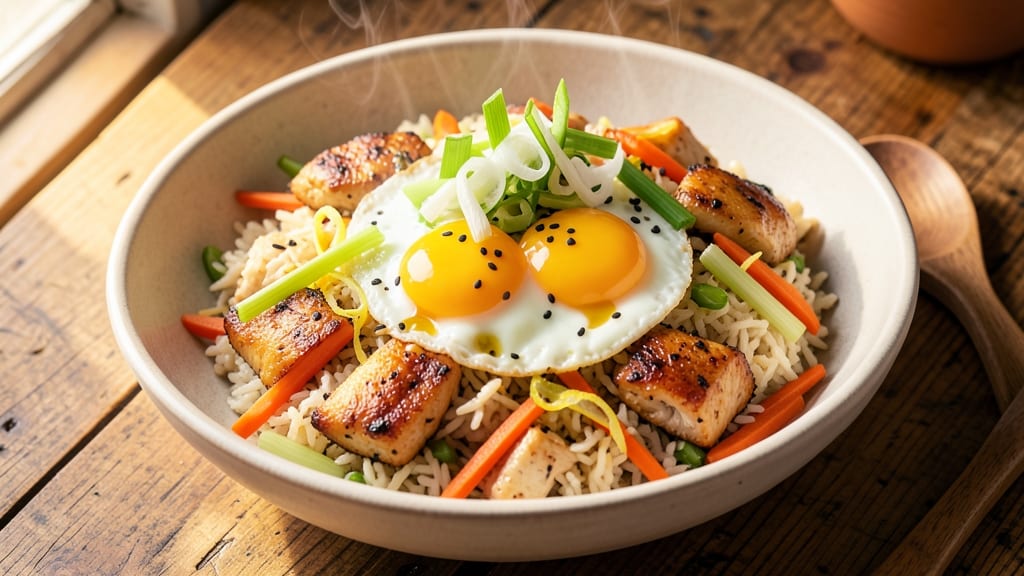
Sanjeev Kapoor's chicken fried rice recipe transforms simple ingredients into a symphony of textures and flavors. The secret lies in perfectly cooked chicken that stays tender, crisp-tender celery and carrots, and fragrant basmati rice that absorbs the savory sauce without turning mushy.
I first tried this recipe during a particularly hectic week when I needed a restaurant-quality meal in under 30 minutes—it became an instant weeknight favorite.
What makes this recipe special is Kapoor's signature technique of stir-frying each component separately before combining them. The chicken gets a quick sear in hot oil for maximum flavor, while the vegetables achieve that satisfying crunch without overcooking.
The key to perfect fried rice is using day-old rice that's been chilled and broken up into individual grains—this prevents a gummy final texture.
By the time you plate this dish, you'll have golden-brown chicken pieces, crisp-tender vegetables, and fragrant rice coated in a savory soy-ginger sauce. The aroma alone will have everyone at the table asking what's for dinner.
This recipe delivers restaurant-quality results with minimal effort, making it perfect for busy weeknights or when you want to impress guests without spending hours in the kitchen.
The best part? This recipe scales beautifully—double or halve it to suit your needs. The flavors only get better as it sits, so it reheats perfectly for leftovers. Let's get started on creating this flavorful masterpiece that's become a staple in my home kitchen.
Ingredients for chicken fried rice recipe by sanjeev kapoor
Golden rice, tender chicken, and crisp celery—this is Sanjeev Kapoor's magic in a bowl.
| Ingredient | Amount | Notes |
|---|---|---|
| Day-Old Basmati Rice 🍚 | 4 cups | Chilled and broken into grains |
| Boneless Chicken Breast 🍗 | 1 ½ lb | Cut into bite-sized pieces |
| Celery Sticks 🧅 | 2 cups | Cut into 1-inch pieces |
| Carrot Sticks 🥕 | 1 ½ cups | Cut into 1-inch pieces |
| Green Onions 🧅 | ½ cup | Sliced thinly |
| Eggs 🥚 | 2 whole | Beaten for stir-fry |
| Soy Sauce 🍶 | ½ cup | High-quality, light soy |
| Oyster Sauce 🍶 | 2 tbsp | For umami depth |
| Sesame Oil 🫒 | 1 tbsp | Toasted for aroma |
| Vegetable Oil 🫒 | ½ cup | High smoke point |
| Garlic Cloves 🧄 | 4 cloves | Minced finely |
| Ginger Root 🌿 | 1 tbsp | Freshly grated |
| Salt 🧂 | 1 tsp | Kosher or sea salt |
| Black Pepper 🌶️ | ½ tsp | Freshly ground |
| White Pepper 🌶️ | ¼ tsp | For subtle heat |
The rice is non-negotiable here—day-old basmati is a must. It’s all about that chilled, separated texture. Trader Joe’s sells pre-cooked basmati that’s perfect for this, but any leftover rice works. For the chicken, boneless breast stays juicier than thighs, but thighs work too if you prefer. Cut it into even-sized pieces so they cook uniformly. Celery and carrots? Fresh, crisp, and cut uniformly—they should hit that perfect crunch when stir-fried. If you’re feeling fancy, grab organic celery from the farmers market for extra sweetness.
No soy sauce? Coconut aminos work in a pinch, but it’ll lack that classic umami punch. Oyster sauce can be tricky to find—Lee Kum Kee is the gold standard, but any good brand will do. Sesame oil is where the aroma lives, so toast it in a dry pan first to deepen the flavor. For the ginger, freshly grated is ideal, but powdered works if you’re in a rush (use half the amount). The eggs? Cold from the fridge for that silky stir-fry texture—don’t scramble them first!
This dish tastes even better the next day, so make extra—it reheats beautifully. Store leftovers in airtight containers for 3-4 days in the fridge or freeze for up to 3 months. Pro tip: Portion into single servings before freezing for quick lunches. The rice will dry out if stored too long, so eat it fresh or reheat with a splash of water.
Why You'll Love This Recipe
- One-Pan Magic: I swear by this recipe because it’s all about one pan—no chopping boards, no extra dishes. Just toss in the day-old rice, chicken, and veggies, stir-fry until golden, and boom. Cleanup’s over before the rice even cools.
- Umami Bomb: That crispy chicken and wok-hei flavor? Chef’s kiss. The secret’s in the soy sauce, garlic, and ginger—deep, savory, and just a little smoky. Even my picky husband asks for seconds, and that’s saying something.
- Lunchbox Hero: Between us, this is my go-to for meal prep. The rice stays firm, the chicken stays tender, and it reheats like a dream. Pack it cold for work or microwave it in seconds—no soggy bits, just reliable satisfaction.
- Budget Win: Chicken breast is affordable, day-old rice is free (just save your leftovers), and veggies stretch forever. I make this for four people for under $12, and everyone leaves happy. That’s a win in my book.
Step-by-step instructions for Sanjeev Kapoor's chicken fried rice
Here's how to create restaurant-quality fried rice with perfectly cooked chicken and vibrant vegetables.
Prepare the Chicken and Vegetables
Start by cutting the 1.5 lb boneless chicken breast into bite-sized pieces—about ½-inch cubes—so they cook evenly. In a bowl, toss the chicken with 1 tsp salt, 0.5 tsp black pepper, and 0.25 tsp white pepper. Let it marinate for 10 minutes while you prep the vegetables.
For the vegetables, break the 4 cups day-old basmati rice into individual grains by gently pressing with your fingers. Cut the 2 cups celery sticks and 1.5 cups carrot sticks into 1-inch pieces—this ensures even cooking and those signature golden celery bites. Thinly slice the 0.5 cup green onions, separating the whites and greens for garnish later.
Cook the Chicken Thoroughly
Heat 0.25 cup vegetable oil in a large wok or skillet over medium-high heat until shimmering. Add the marinated chicken and cook for 5-6 minutes, stirring occasionally, until the chicken is fully cooked through and no longer pink in the center. Remove the chicken and set it aside on a plate.
In the same pan, add 0.25 cup vegetable oil and swirl to coat. Add the 4 cloves minced garlic and 1 tbsp freshly grated ginger root, stirring for 30 seconds until fragrant. Add the celery and carrot sticks, cooking for 3-4 minutes until they begin to soften but still retain a slight crunch. This step builds the foundation for that authentic fried rice flavor.
Scramble the Eggs and Combine Ingredients
Push the vegetables to one side of the pan and add 0.25 cup vegetable oil to the empty space. Pour in the 2 whole beaten eggs and scramble quickly over medium heat for 1-2 minutes until just set but still slightly runny—this creates that signature silky egg texture. Mix the eggs back into the vegetables.
Add the 4 cups broken basmati rice to the pan and stir-fry for 2-3 minutes, allowing the grains to absorb the flavors. Pour in the 0.5 cup soy sauce and 2 tbsp oyster sauce, mixing well to coat everything evenly. Sprinkle the cooked chicken back into the pan and toss everything together for 1-2 minutes until heated through.
Finish with Aromatics and Garnish
Drizzle 1 tbsp toasted sesame oil over the fried rice and toss gently to distribute. Taste and adjust seasoning if needed—you might need a splash more soy sauce for balance. The rice should be fragrant with a perfect harmony of savory, umami, and slightly sweet flavors.
Remove from heat and transfer to serving plates. Garnish with the sliced green onion whites for color and the green onion greens for freshness. Serve immediately while the rice is hot and the chicken is juicy—this dish is best enjoyed right away for that perfect texture contrast.
Pro Tips For Making Chicken Fried Rice Recipe By Sanjeev Kapoor
- CRISP THE CHICKEN FIRST: Don’t skip marinating the chicken breast—cut it into bite-sized pieces, then toss with 1 tablespoon soy sauce, ½ teaspoon ginger-garlic paste, and a pinch of black pepper. Let it sit for 10 minutes while you prep everything else. I used to cook it raw, and it always ended up dry and bland. This step guarantees juicy, flavorful bites that hold up in the stir-fry.
- CHOP VEGETABLES UNIFORM: Celery and carrots should be cut into matchsticks—no thicker than ¼-inch and no shorter than 1.5 inches. Uneven pieces burn on the edges while the centers stay raw. My first few batches looked pretty but tasted undercooked. A sharp knife and steady hand make all the difference here.
- USE DAY-OLD RICE ONLY: Fresh basmati rice is a disaster in fried rice—it turns mushy and gummy. Spread yesterday’s rice on a tray and let it dry out for 10 minutes before stirring. This isn’t just a suggestion; it’s the thing that keeps your dish from turning into a gluey mess. Trust me, I’ve learned this the hard way.
- STIR-FRY IN BATCHES: Crowd the pan, and your rice will steam instead of crisp. Cook the chicken first until 70% done, then remove it. Stir-fry the veggies in the same oil until just tender-crisp, then add the rice. Toss everything together for 2 minutes—this keeps the texture perfect. I know, I know, it’s tempting to dump it all in at once, but resist the urge.
Pro cooking tips for this dish
High-Heat Stir-Fry
Kapoor’s secret lies in maintaining high heat throughout the process—this creates those signature golden celery bites and prevents soggy rice. Use a wok or large skillet on medium-high to high heat (I prefer cast iron for even heat distribution).
If your pan isn’t hot enough, the vegetables will steam instead of sear, losing that crisp texture. I’ve learned the hard way—rushing the heat ruins the dish! 🔥
Day-Old Rice
Never skip using day-old rice—freshly cooked rice releases too much starch, making your fried rice gluey. Spread leftover basmati rice on a tray and refrigerate for at least 4 hours (or overnight).
When ready to use, break up clumps by pressing with your fingers—this ensures each grain gets coated in sauce. My grandmother always said, "Cold rice is happy rice!"
Chicken First
Cook the chicken completely before adding rice—this prevents overcooking when everything hits the pan together. Use a meat thermometer to confirm it reaches 165°F internally. I like to sear the chicken in batches if needed to avoid crowding the pan, which drops the temperature.
Reserve the chicken while you prep the aromatics and veggies—this keeps everything hot and ready to combine.
Egg Technique
The eggs are what bind everything together, so handle them with care. Scramble them just until set (about 1-2 minutes)—they should still look slightly runny when you mix them back in. Cold eggs from the fridge create that signature silky texture.
Pro tip: Push the veggies to one side of the pan before adding eggs, then mix them back in at the end for even distribution. 🍳
Sauce Balance
Start with the soy and oyster sauces as written, but taste as you go—adjust with extra soy sauce if needed (I usually add 1-2 tsp more). The sesame oil goes in last for aroma, not cooking.
Kapoor’s method relies on layering flavors, so don’t rush this step. I once forgot the sesame oil entirely—don’t make that mistake! The final dish should sing with umami, saltiness, and a hint of sweetness from the carrots.
Garnish Matters
Don’t skip the green onions—they add freshness and color. Use the whites for garnish (they’re milder) and the greens for brightness. A sprinkle of toasted sesame seeds (if you’re feeling fancy) adds another layer of texture.
Plate immediately while everything is hot—fried rice loses its magic when it sits. My grandmother always said, "The first bite is the only bite that matters!"
Nutrition facts
Frequently asked questions
Why does Sanjeev Kapoor's recipe use day-old rice?
Day-old rice is essential because freshly cooked rice releases too much starch when stir-fried, resulting in a gluey texture. The chilled rice absorbs the sauce perfectly while maintaining individual grains. Spread leftover basmati rice on a tray and refrigerate for at least 4 hours before using. This simple step makes all the difference!
Can I substitute chicken thighs for breast?
Chicken thighs work beautifully and stay juicier during cooking. For best results, cut them into ½-inch pieces and increase cooking time by 1-2 minutes to ensure they're fully cooked. Thighs have more fat, which adds richness to the dish. Just be sure to trim excess skin if you prefer less grease.
What if I don't have oyster sauce?
Oyster sauce adds umami depth, but you can substitute with 1 tbsp soy sauce + 1 tsp fish sauce or 2 tbsp hoisin sauce. For a vegetarian option, use 2 tbsp mushroom sauce or extra soy sauce. The flavor won't be identical, but your fried rice will still be delicious. Taste as you go and adjust seasoning accordingly.
How do I prevent the rice from turning mushy?
Mushy rice happens when too much moisture is added or the heat isn't high enough. Use day-old rice as specified, and stir-fry on medium-high to high heat for just 2-3 minutes after adding the rice. Avoid overcrowding the pan, and let the rice absorb the sauce gradually. High heat is your friend here!
Can I make this recipe ahead of time?
This dish tastes even better the next day! Store leftovers in an airtight container for 3-4 days in the fridge. To reheat, sprinkle with 1 tsp water and microwave for 1-2 minutes, stirring halfway. For freezing, portion into single servings and freeze for up to 3 months. The flavors develop beautifully over time!