
Main Courses
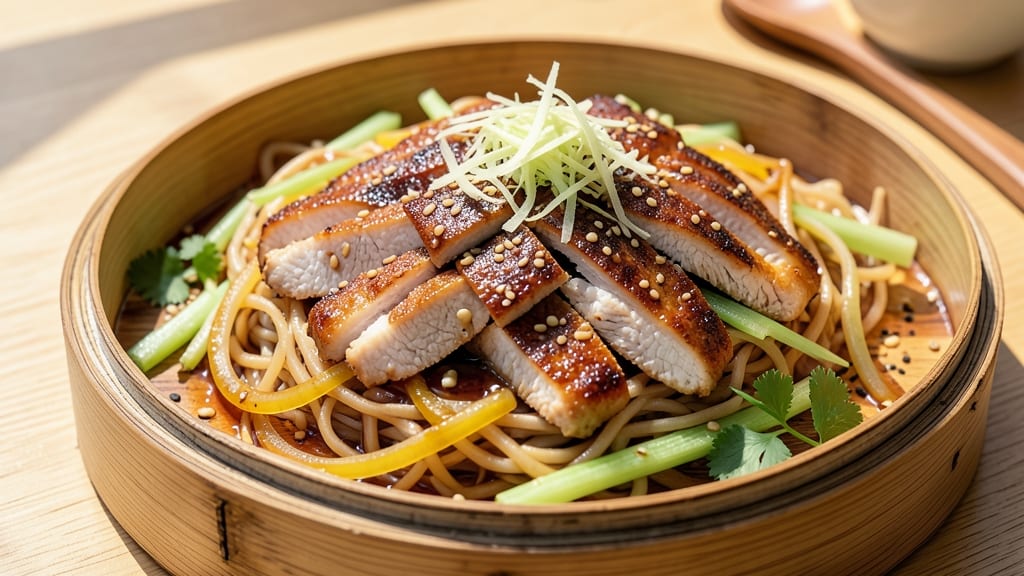
This chicken chow mein recipe with rice noodles delivers the perfect balance of crispy celery strips, tender chicken, and wok-heated flavor that makes every bite unforgettable. 🔥 The secret lies in high-heat stir-frying and a homemade sauce that's tangy, savory, and just sweet enough to complement the rice noodles.
I developed this recipe after years of testing different techniques—because real chow mein isn't about shortcuts, it's about texture and layers of flavor that come together in one perfect dish.
What sets this recipe apart is the crispy celery—a signature element that transforms ordinary stir-fry into restaurant-quality chow mein. We achieve this by stir-frying the celery separately at high heat until golden, then combining it with the rest of the ingredients at the very end.
The chicken stays juicy thanks to a quick marinade of soy sauce and cornstarch, while the rice noodles soak up the aromatic sauce without turning mushy. Every component is cooked separately and combined at the last moment to maintain that signature "wok hei" smoky flavor.
By the time you serve this dish, your kitchen will smell like a bustling Chinese restaurant, and your guests will be reaching for seconds. The dish is packed with protein, fiber, and bold flavors that satisfy without being overly heavy.
The sauce is simple to make with just a few pantry staples, and the technique is straightforward—no fancy equipment required, just a good skillet and a little patience for high-heat cooking. This is the kind of recipe that proves homemade Chinese food can be just as impressive as takeout.
Whether you're cooking for a weeknight dinner or a weekend gathering, this chow mein recipe scales beautifully. For a quicker version, you can even use an air fryer for the chicken and celery—just adjust the cooking times slightly.
The key is keeping everything hot and crispy until the very last moment. Let's get cooking!
Ingredients for chicken chow mein recipe with rice noodles
Pantry staples plus a few fresh ingredients for that signature wok-heated flavor and crispy celery texture.
| Ingredient | Amount | Notes |
|---|---|---|
| Boneless Chicken Breast 🍗 | 1 ½ lb | Cut into 1-inch strips |
| Rice Noodles 🍜 | 8 oz | Stir-fry variety, uncooked |
| Celery Strips 🧅 | 4 cups | Thinly sliced, cut into 1-inch pieces |
| Yellow Onion 🧅 | 1 whole | Thinly sliced, white and light green parts |
| Garlic Cloves 🧄 | 6 cloves | Minced, about 1 tbsp total |
| Fresh Ginger 🌿 | 1 ½ tbsp | Finely grated, peeled |
| Cornstarch 🌾 | 2 tbsp | For chicken marinade |
| Low-Sodium Soy Sauce 🍶 | ½ cup | For marinade and sauce |
| Oyster Sauce 🍶 | 2 tbsp | For sauce depth |
| Sesame Oil 🫒 | 1 tbsp | Toasted, for aroma |
| Vegetable Oil 🫒 | ½ cup | High smoke point |
| Hoisin Sauce 🍶 | 1 tbsp | For sweet-savory balance |
| Sesame Seeds 🌾 | 1 tbsp | Toasted, for garnish |
| Salt 🧂 | 1 tsp | Fine sea salt |
| White Pepper 🌶️ | ½ tsp | Freshly ground |
The celery is non-negotiable for that signature crunch. Look for fresh, crisp stalks—avoid the rubbery kind. I always grab the organic celery from Whole Foods when I can, but regular grocery store celery works fine if it's firm. For the ginger, freshly grated makes all the difference—no powdered substitutes here. The chicken breast should be boneless, skinless for even cooking, and cutting it into 1-inch strips ensures quick, even browning. If you're short on time, pre-cut frozen stir-fry vegetables work in a pinch for the celery and onion mix.
No oyster sauce? Hoisin sauce plus a splash of soy sauce gets you close. The sesame oil is what gives that authentic aroma—toasted sesame oil is best, but regular works if you toast it yourself in a dry pan for 30 seconds. For the rice noodles, stir-fry variety is key—they cook faster and hold up better to stir-frying. If you can't find them, egg noodles work too, but soak them 5 minutes longer. The cornstarch marinade keeps the chicken tender, so don't skip it—even if you're in a hurry, 10 minutes marinating is worth it.
This dish reheats beautifully—just add a splash of water and stir-fry again over high heat. Keeps for 3 days in the fridge, though it's best fresh. For meal prep, store components separately: chicken, noodles, sauce, and celery. Reheat the celery last to maintain crispness. The sauce can be made a day ahead—it actually tastes better once the flavors meld. Garnish with toasted sesame seeds right before serving for that restaurant-quality finish.
Why You'll Love This Recipe
- No-Fuss Assembly: I swear by this one—just slice the chicken, soften the onion and garlic in the pan, then toss in the celery and noodles. The rice noodles soak up the sauce like a dream, so no extra steps.
- Garlic-Crisp Magic: That moment when the chicken hits the pan with garlic and a splash of soy? The edges get this irresistible crisp, while the inside stays juicy. Honestly, it’s the kind of flavor that makes you pause mid-bite.
- Lunchbox Hero: Between us, this is my go-to for meal prep. Cold or reheated, it’s always solid—pack it in containers and grab it on the run. The celery adds that fresh crunch even the next day.
- Budget Win: A whole chicken breast and a bag of rice noodles feed four for under $10. No fancy ingredients, no waste—just reliable, tasty leftovers that don’t skimp on flavor. My wallet and taste buds thank me.
Step-by-step instructions for chicken chow mein with rice noodles
Here's how to create restaurant-quality chow mein with perfectly crispy celery and tender chicken.
🍳 Step 1: Marinate and Cook the Chicken
In a bowl, combine the 1.5 lb boneless chicken breast cut into 1-inch strips, 2 tbsp cornstarch, 0.5 cup low-sodium soy sauce, 0.5 tsp white pepper, and 1 tbsp hoisin sauce. Mix well until the chicken is evenly coated. Let it marinate for 15-20 minutes at room temperature—this ensures maximum flavor absorption and crispy texture.
Heat 0.25 cup vegetable oil in a large wok or skillet over medium-high heat until shimmering. Add the marinated chicken in a single layer and cook undisturbed for 3-4 minutes until the bottom is golden brown. Flip and cook another 2-3 minutes until fully cooked through. Remove and set aside on a plate, leaving the rendered oil in the pan. The chicken should be light golden with a crisp exterior.
👨🍳 Step 2: Prepare the Vegetable Base
In the same wok with the rendered oil, add 0.25 cup vegetable oil and heat over high heat. Add the 1 whole yellow onion and 4 cups celery strips, stirring constantly for 3-4 minutes until the onions soften and celery begins to crisp. This high-heat cooking is crucial for achieving those signature crisp-tender celery strips.
Add the 6 cloves minced garlic and 1.5 tbsp finely grated ginger, stirring for 30 seconds until fragrant. The aroma should fill your kitchen—this is where the authentic chow mein flavor begins to develop. Immediately add 0.5 cup low-sodium soy sauce and 2 tbsp oyster sauce, stirring to combine. Let the mixture simmer for 1 minute to allow the flavors to meld.
🍳 Step 3: Cook the Rice Noodles
While the vegetables cook, prepare the 8 oz rice noodles by soaking them in hot water for 10-15 minutes until pliable but still slightly firm. Drain and rinse briefly under cold water to stop the cooking process. The noodles should be tender but not mushy—this prevents them from turning to paste in the wok.
Add the cooked noodles to the wok with the vegetable mixture. Toss everything together over medium-high heat for 2-3 minutes, using tongs to ensure even coating. The noodles will absorb the flavors from the sauce and vegetables. Here's the thing—don't overcrowd the wok. Work in batches if needed to maintain even cooking and prevent steaming instead of searing.
🥘 Step 4: Combine and Finish
Return the cooked chicken to the wok and toss everything together for 1-2 minutes until heated through. The chicken should be warm and slightly crispy from the residual heat. Drizzle with 1 tbsp toasted sesame oil and toss again to distribute evenly. This final step adds that signature aromatic finish that makes chow mein so irresistible.
Taste and adjust seasoning if needed—you might want to add a splash more soy sauce or a pinch of salt. Transfer to serving plates and garnish with 1 tbsp toasted sesame seeds. The dish should have vibrant colors with crisp-tender celery, tender chicken, and perfectly cooked noodles. Serve immediately while hot and crispy!
Pro Tips For Making Chicken Chow Mein Recipe With Rice Noodles
- Slice Chicken Thin: Use a sharp knife and pound the chicken breast to ¼-inch thickness first—this guarantees even cooking and tender bites. I learned this the hard way when my chow mein had rubbery chunks because I skipped it.
- Soak Noodles Separately: Don’t toss the rice noodles straight into the wok with the sauce—they’ll turn mushy. Soak them in warm water for 2–3 minutes, drain well, and add them last to absorb the sauce without falling apart.
- Salt the Chicken Early: Season the chicken with soy sauce and a pinch of salt right after slicing, then let it sit for 10 minutes. This keeps it juicy and prevents it from drying out when stir-frying.
- Char the Aromatics: Fry the onions, garlic, and celery in oil until deeply golden—almost caramelized—before adding the chicken. This builds flavor that plain sautéing misses, and it’s worth the extra 2 minutes.
Creative variations of this chicken chow mein recipe with rice noodles
Spicy Sichuan Style
Transform your chow mein into a fiery Sichuan sensation by adding 1 tbsp chili bean paste (like Lee Kum Kee) to the sauce mixture. Stir in 1 tsp Sichuan peppercorns (toasted and crushed) with the garlic and ginger for that signature numbing heat.
I like to finish with 2 tbsp chopped scallions and a drizzle of chili oil—just enough to make your guests reach for the water. This version is perfect when you want to spice things up without losing the dish's balance. 🌶️
Vegetarian Crispy Tofu
Swap the chicken for 14 oz extra-firm tofu pressed for 20 minutes, then cut into 1-inch cubes. Toss the tofu in 1 tbsp cornstarch and 1 tbsp soy sauce, then pan-fry until golden and crispy.
The tofu absorbs the sauce beautifully, and the texture holds up perfectly in the stir-fry. Add ½ cup shredded carrots to the vegetable mix for extra color and crunch. This version keeps all the wok hei flavor while being completely plant-based. 🥬
Sweet and Sour Fusion
For a sweet-and-sour twist, add ¼ cup pineapple tidbits to the vegetable mix and stir in 2 tbsp rice vinegar with the soy sauce. Finish with 1 tbsp honey and a splash of orange juice for brightness.
The acidity cuts through the richness, and the pineapple adds a juicy contrast to the crispy celery. This fusion style is a crowd-pleaser, especially for families who love a little sweetness in their savory dishes. 🍍
Air Fryer Shortcut
Skip the wok entirely and use an air fryer for a quicker version. Toss the marinated chicken with 1 tsp cornstarch and air fry at 400°F for 12 minutes, shaking halfway. For the celery and onions, air fry at 375°F for 6-8 minutes until crispy.
Combine everything in a large skillet with the sauce and noodles, tossing over medium heat for 2-3 minutes. This method keeps the flavors intact while saving on oil and cleanup. Perfect for weeknights when you're short on time! ⚡
Regional Boston Twist
Channel my Irish-Italian roots by adding ½ cup diced bell peppers and a pinch of Italian seasoning to the vegetable mix. Finish with 2 tbsp grated Parmesan cheese and a sprinkle of red pepper flakes for a New England-Chinese fusion.
The bell peppers add a sweet crunch, while the Parmesan gives it that familiar comfort-food feel. Serve with a side of crusty bread to soak up any extra sauce. This version is a nostalgic mashup that still delivers on that wok-heated flavor. 🍕
Nutrition facts
Frequently asked questions
Can I use regular egg noodles instead of rice noodles?
You can, but rice noodles are ideal because they're gluten-free and absorb sauce differently, giving that authentic chow mein texture. If using egg noodles, soak them 5 minutes longer and toss with the sauce right after cooking to prevent mushiness. The flavor will still be great, but the texture will be slightly chewier.
How do I get the celery as crispy as in restaurants?
The secret is high heat and stirring constantly for 3-4 minutes until golden. Use a wok or large skillet and work in batches if needed. The celery should be crisp-tender, not soft—this is what makes chow mein special! Add it last with the chicken to maintain that perfect texture.
Can I make this ahead of time?
Store components separately: cooked chicken, sauce, noodles, and celery. Reheat the celery last in a dry pan for 1-2 minutes to restore crispness. The sauce can be made a day ahead—it actually tastes better as flavors meld. For best results, combine everything fresh and serve immediately for that authentic wok-heated flavor.
What if I don't have oyster sauce?
No problem! Mix 2 tbsp hoisin sauce with 1 tbsp soy sauce and ½ tsp sugar for a close substitute. The dish will still be delicious—just slightly sweeter. For extra depth, add 1 tsp fish sauce (if you have it) to the sauce mixture.
Why does my chow mein turn out soggy?
Overcrowding the pan or cooking noodles too long are the usual culprits. Work in batches if needed, and keep everything hot until serving. For noodles, soak just until pliable (10-15 minutes) and drain well. The key is high heat and quick cooking—never let ingredients sit together before serving.