Side Dishes
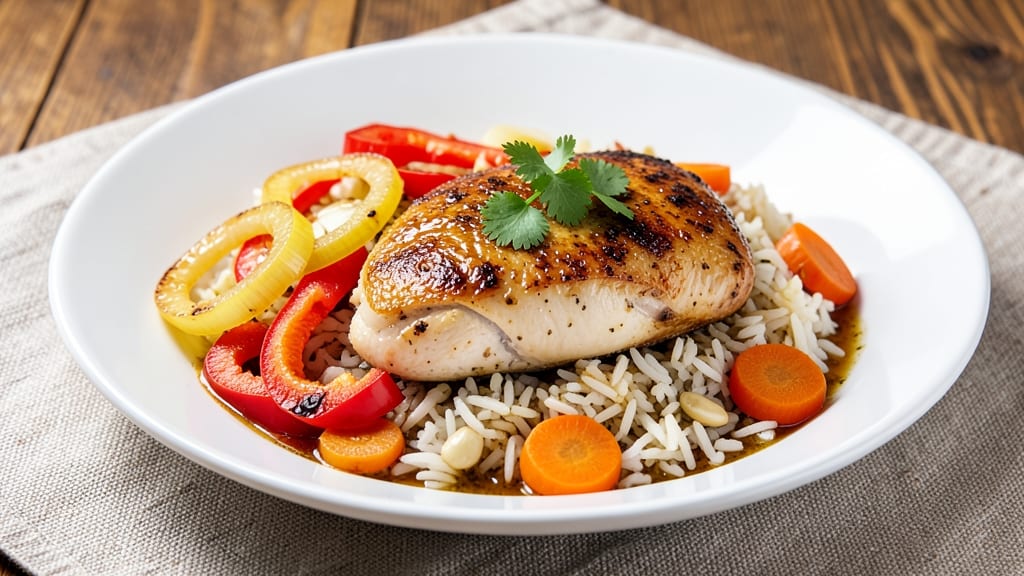
This chicken and vegetables over rice recipe delivers restaurant-quality flavor with minimal effort, combining tender chicken, crisp-tender vegetables, and perfectly cooked rice in one satisfying dish. The secret lies in high-heat stir-frying that creates a wok-hei crisp while keeping the chicken juicy and vegetables vibrant—no takeout required.
What sets this recipe apart is its versatility: you can stir-fry, bake, or even cook it all in one pot, adapting to your schedule and equipment. The chicken develops a savory crust, the vegetables retain their natural sweetness, and the rice absorbs the aromatic flavors for a cohesive bite.
Ready in under 30 minutes, it’s the perfect weeknight solution that feels special without the fuss.
Ingredients for chicken and vegetables over rice
Restaurant-quality stir-fry relies on these carefully balanced ingredients for wok-hei perfection.
| Ingredient | Amount | Notes |
|---|---|---|
| Boneless Chicken Breast 🍗 | 1 ½ lb | Cut into 1-inch cubes |
| Jasmine Rice 🍚 | 1 cup | Uncooked, long-grain preferred |
| Yellow Onion 🧅 | 1 whole | Thinly sliced, about 1.5 cups |
| Carrots 🥕 | 2 medium | Julienned into matchsticks |
| Bell Pepper 🌶️ | 1 whole | Red or green, sliced into strips |
| Garlic Cloves 🧄 | 4 cloves | Minced for aromatic base |
| Sesame Oil 🫒 | 1 tbsp | For wok-hei aroma |
| Soy Sauce 🍶 | ⅓ cup | Low-sodium preferred |
| Oyster Sauce 🍶 | 2 tbsp | For umami depth |
| Honey 🍯 | 1 tbsp | Balances saltiness |
| Ginger Root 🌿 | 1 tbsp | Freshly grated |
| Vegetable Oil 🫒 | 2 tbsp | High smoke point |
| Salt 🧂 | 1 tsp | Diamond Crystal preferred |
| Black Pepper 🌶️ | ½ tsp | Freshly cracked |
| Green Onions 🧅 | 3 whole | Sliced for garnish |
The chicken breast should be freshly cut for even cooking—Costco or Whole Foods carry pre-cut chicken that saves time. Jasmine rice is ideal here, but basmati works in a pinch. For the vegetables, freshness matters most: look for crisp carrots with vibrant orange color and firm bell peppers. The red variety adds natural sweetness that pairs beautifully with the savory chicken. If you're short on time, frozen stir-fry veggie mixes (like Trader Joe's brand) work perfectly—just thaw and drain well before cooking.
No sesame oil? Toasted sesame seeds at half the amount add a similar nutty aroma. Substitute coconut aminos for soy sauce if needed, though the flavor will differ slightly. The oyster sauce can be replaced with 1 tbsp soy sauce plus 1 tsp fish sauce for umami depth, though this makes it non-vegetarian. For the honey, maple syrup works in a 1:1 ratio if you prefer vegan options. The ginger should be peeled and grated fresh—bottled ginger lacks the bright flavor needed here. If you're prepping ahead, store the raw chicken and veggies separately in the fridge for up to 2 days.
This dish reheats beautifully—simply add a splash of water and cover to steam. Keeps 3-4 days in the fridge, though the texture softens with each reheat. For longer storage, freeze portions in airtight containers for up to 3 months. The rice reheats best with a damp paper towel over it to retain moisture. For meal prep, cook the chicken and veggies separately, then combine with rice when ready to serve—this keeps everything crisp. Garnish with green onions right before serving to maintain their fresh pop of color.
Why You'll Love This Recipe
- One-Pan Magic: I swear by this—just toss everything (chicken, veggies, rice) on one sheet pan, roast it, and walk away. No pots, no pans, no stress. The onions caramelize right alongside the chicken, and the rice soaks up all the juices like a sponge.
- Crispy-Tender Chicken: That boneless breast stays juicy inside while the edges get just crispy—no dry, sad chicken here. The bell pepper adds a sweet crunch, and the carrots melt into tender strands. Honestly? It’s the kind of texture combo that makes me pause mid-bite.
- Meal Prep MVP: Between us, this is my go-to for lunches all week. Cook a big batch on Sunday, portion it out, and reheat it—still tastes fresh. The rice stays separate enough to fluff up, and the veggies hold their shape. (Yes, even on a Tuesday night.)
- Budget-Friendly Staples: Chicken breast and veggies are affordable, and jasmine rice stretches miles. I’ll be real: this feeds four for under $10, and the leftovers? Just as good cold the next day. No fancy ingredients, just solid, reliable flavor.
Step-by-step instructions for chicken and vegetable stir-fry
Master this wok-hei technique for restaurant-quality texture and flavor in your home kitchen.
Prepare the Jasmine Rice
Rinse the 1 cup jasmine rice thoroughly under cold water until the water runs clear, then drain in a fine-mesh strainer. This removes excess starch that would make the rice mushy. Transfer the rice to a pot and add 1.5 cups water—the standard 1:1.5 rice-to-water ratio for perfect texture. Bring to a boil, then reduce heat to low, cover tightly, and simmer for 15 minutes. Turn off the heat and let it steam for another 10 minutes without lifting the lid. The rice should be tender with no liquid remaining—fluff with a fork before serving.
Here's the thing—jasmine rice absorbs water differently than basmati. If you peek early, you risk uneven cooking. Resist the urge; patience ensures each grain stays distinct and fluffy. Once done, keep the rice covered to maintain warmth while you prepare the stir-fry.
Marinate and Prep the Chicken
Cut the 1.5 lb boneless chicken breast into 1-inch cubes for even cooking. In a bowl, combine the chicken with 0.33 cup soy sauce, 2 tbsp oyster sauce, 1 tbsp honey, and 1 tbsp freshly grated ginger root. Mix gently to coat, then let it marinate for 15 minutes at room temperature. This step ensures tender chicken with deep umami flavor.
Don't skip the ginger grating—freshly grated releases more aromatic oils than pre-minced. The marinade should look glossy and cling to the chicken pieces. If you're short on time, you can marinate for 10 minutes, but longer is better for maximum flavor penetration.
Stir-Fry the Vegetables
Heat 2 tbsp vegetable oil in a wok or large skillet over high heat until shimmering. Add the thinly sliced yellow onion, julienned carrots, and bell pepper strips, stirring constantly for 3-4 minutes until the vegetables soften but retain their vibrant color. Push them to one side of the pan and add 4 minced garlic cloves, cooking for 30 seconds until fragrant.
The key here is high heat—you want the vegetables to blanch quickly rather than steam. If they release too much moisture, reduce heat slightly to prevent boiling. The onions should turn translucent while the carrots and peppers stay crisp-tender. This is where the wok-hei (breath of the wok) technique comes into play—rapid cooking preserves color and texture.
Cook the Chicken to Juicy Perfection
Remove the marinated chicken from the bowl, discarding any excess marinade. Add the chicken to the wok in a single layer, spreading it out to avoid overcrowding. Cook undisturbed for 2-3 minutes until the bottoms develop a golden crust. Stir and cook for another 2-3 minutes until the chicken reaches 165°F internally and is no longer pink.
Here's the critical part: don't flip the chicken too soon. You'll know it's ready when it releases easily from the pan—this ensures a proper sear. If the chicken sticks, add 1 tbsp water and scrape up the browned bits (fond) for extra flavor. The high heat should create a caramelized crust while keeping the inside juicy.
Combine and Finish with Wok-Hei
Return all the vegetables to the wok with the chicken. Drizzle with 1 tbsp sesame oil and toss everything together for 1-2 minutes until evenly coated and heated through. The sesame oil adds a nutty aroma and helps distribute the flavors. Taste and adjust seasoning with 1 tsp salt and 0.5 tsp black pepper if needed.
For that signature wok-hei finish, work quickly over high heat. The residual heat from the chicken and vegetables will create a light smoky aroma. Serve the stir-fry immediately over the fluffed jasmine rice, garnished with sliced green onions. The contrast of warm rice with the vibrant stir-fry creates the perfect balance of textures and temperatures.
Pro Tips For Making Chicken And Vegetables Over Rice
- SEAR CHICKEN IN BATCHES: Chicken breasts release a ton of moisture when cooking, and if you dump them all in the pan at once, you’ll steam them instead of sear them. Split the chicken into two batches—cook half, then set aside—so the pan stays hot enough to develop that flavorful crust. Trust me, the difference in texture is noticeable.
- SLICE ONIONS THINLY: I used to chop onions into big chunks, thinking it’d save time, but they never softened properly. For this dish, slice them paper-thin—almost translucent—so they cook down fast and blend into the rice without turning mushy. A sharp knife and a steady hand make this easier than you’d think.
- DON’T OVERCOOK THE RICE: Jasmine rice is finicky—once it’s tender, it turns to glue if you keep stirring. Start checking for doneness 2 minutes early (usually around 12-14 minutes), then fluff it with a fork and let it sit covered for another 5 minutes. The residual heat finishes the job without turning it gummy.
- USE COLD CHICKEN FOR EVEN COOKING: Take the chicken straight from the fridge and pat it dry—cold meat cooks more evenly than room-temperature pieces. If you’re impatient (like me), at least let it sit out for 10 minutes first. Skipping this step leads to overcooked edges and undercooked centers, and nobody wants dry chicken.
Perfect pairings for chicken and vegetables over rice
Classic Side Dish
Serve this stir-fry with a simple steamed edamame side—toss ½ cup shelled edamame with 1 tsp toasted sesame seeds and a pinch of sea salt. The protein-packed edamame adds a satisfying crunch that complements the tender chicken.
Alternatively, a cucumber salad with ½ tsp rice vinegar and 1 tsp honey balances the richness with refreshing coolness. 🥕
Sauce Elevations
Drizzle the finished dish with sriracha mayo for heat lovers—mix 2 tbsp mayonnaise with 1 tsp sriracha and a squeeze of lime. For a tangy twist, prepare a ginger-soy drizzle by whisking 2 tbsp soy sauce, 1 tbsp rice vinegar, and ½ tsp grated ginger.
Serve on the side for dipping or spoon over the stir-fry just before eating. 🌶️
Beverage Pairings
Match this dish with a crisp jasmine tea—its floral notes harmonize with the stir-fry’s umami flavors. For beer lovers, a light lager like Sapporo or Asahi cleanses the palate without overpowering.
If you prefer wine, a dry Pinot Noir from California offers subtle fruitiness that complements the chicken’s savory crust. 🍷
Garnish Finishes
Brighten the plate with toasted sesame seeds—sprinkle 1 tsp over the dish right before serving for a nutty crunch. Add thinly sliced red chili for a subtle heat kick.
For a pop of color, scatter microgreens or cilantro leaves across the top. These garnishes not only enhance presentation but also add fresh layers of flavor. ✨
One-Pot Adaptation
Turn this into a one-pot meal by cooking the rice directly in the stir-fry pan. After stir-frying the chicken and veggies, spread the cooked rice into the same pan, drizzle with 1 tbsp sesame oil, and toss everything together for 2 minutes.
This method infuses the rice with the stir-fry’s aromatic flavors while keeping cleanup minimal. Perfect for busy weeknights! 🍚
Dietary Swaps
For a vegetarian version, replace the chicken with extra-firm tofu—press and cube 1 lb before marinating in the same sauce for 20 minutes. Swap oyster sauce for vegetarian oyster sauce or 1 tbsp soy sauce + 1 tsp mushroom powder.
Add shiitake mushrooms for umami depth. The dish remains hearty and satisfying! 🌱
Nutrition facts
Frequently asked questions
Can I use chicken thighs instead of chicken breast?
Chicken thighs work beautifully—they stay juicier and develop more flavor during cooking. Use 1.5 lb bone-in thighs (skin-on for extra crispiness) and reduce the marinating time to 10 minutes. Since thighs cook faster, aim for 145°F internal temperature and cut them into 1-inch cubes before marinating. The skin will crisp up wonderfully when seared.
How do I prevent the rice from getting mushy?
Rinse the rice thoroughly until the water runs clear to remove excess starch, which causes mushiness. Use a 1:1.5 rice-to-water ratio and bring to a boil, then reduce to low heat. Cover tightly and cook for 15 minutes without peeking—lifting the lid releases steam and disrupts cooking. After turning off the heat, let it steam for another 10 minutes before fluffing.
What vegetables can I substitute if I don't have carrots or bell peppers?
Use any firm, colorful vegetables that hold up to stir-frying! Try broccoli florets, snap peas, or zucchini slices for freshness. For heartier options, add mushrooms or bok choy. If you have frozen stir-fry veggies, thaw and drain them well before cooking. Just adjust the cooking time—most veggies need 3-4 minutes total over high heat.
Why does my chicken turn out dry?
Overcooking is the most common cause. Use a meat thermometer to check for 165°F internal temperature, and avoid stirring the chicken too soon—let it develop a crust for 2-3 minutes undisturbed. Marinate for the full 15 minutes (not longer) to prevent excess moisture loss. For extra juiciness, add 1 tbsp water to the pan if it sticks, then scrape up the browned bits for flavor.
Can I make this dish ahead of time?
Yes! Cook the chicken and vegetables separately, then store them in airtight containers in the fridge for up to 3 days. Reheat in a skillet over medium-high heat for 3-4 minutes, adding a splash of water to steam. Cook the rice fresh when ready to serve for the best texture. For freezing, package components separately for up to 3 months—thaw overnight in the fridge before reheating.