
Main Courses
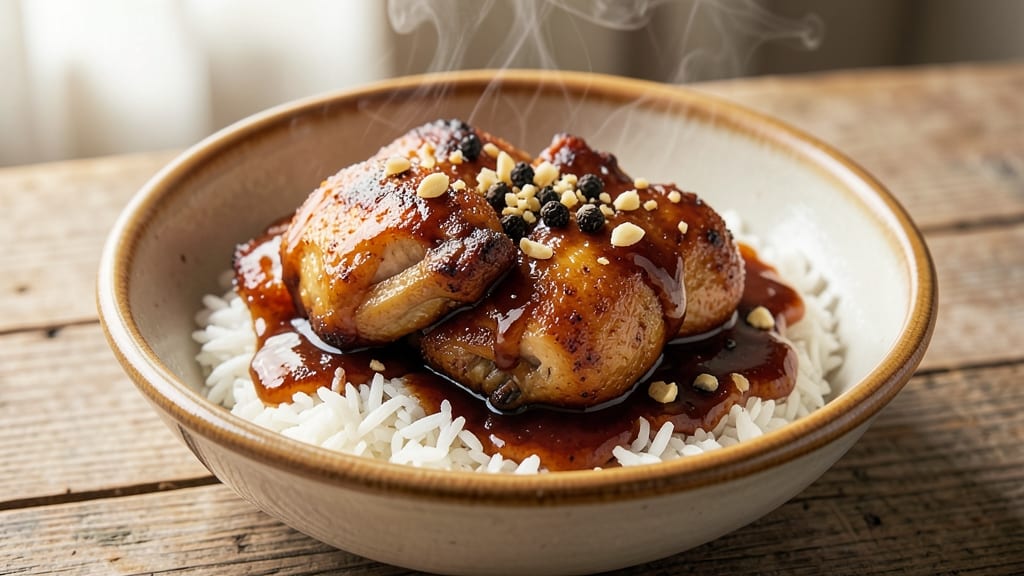
This chicken adobo recipe with rice vinegar transforms simple ingredients into a restaurant-worthy dish with just one pan and 45 minutes. The secret lies in balancing sweet soy sauce, tangy vinegar, and aromatic garlic—creating a sauce that caramelizes into sticky, flavorful perfection.
I've perfected this version to deliver tender chicken with crisp edges, all while keeping the cooking process straightforward.
The beauty of this recipe is its versatility—whether you're braising in a Dutch oven or stir-frying for quicker results, the rice vinegar adds that signature bright acidity that cuts through the richness.
Pair it with steamed jasmine rice to soak up every last drop of that glossy, savory-sweet sauce. Trust me, once you taste this, store-bought adobo will never measure up again.
Ingredients for chicken adobo recipe with rice vinegar
Pantry staples plus a handful of fresh aromatics—this one-pan dish delivers restaurant-quality adobo magic.
| Ingredient | Amount | Notes |
|---|---|---|
| Boneless Chicken Thighs 🍗 | 1 ½ lb | Skin-on for crispiness, cut into even pieces |
| Rice Vinegar 🍶 | ½ cup | White or seasoned, for tangy brightness |
| Soy Sauce 🍶 | ½ cup | Light or dark, for umami depth |
| Garlic Cloves 🧄 | 8 cloves | Freshly minced, aromatic foundation |
| Brown Sugar 🍚 | ¼ cup | Light or dark, for subtle caramelization |
| Black Peppercorns 🌶️ | 1 tsp | Freshly cracked for bold flavor |
| Bay Leaves 🌿 | 2 whole | Dried, for earthy aroma |
| Olive Oil 🫒 | 2 tbsp | Extra-virgin for richness, high smoke point |
| Jasmine Rice 🍚 | 1 ½ cups | Uncooked, for serving |
| Green Onions 🧅 | ¼ cup | Sliced, for fresh garnish |
| Salt 🧂 | 1 ½ tsp | Kosher or sea salt, adjust to taste |
| Water 💧 | 1 ½ cups | For rice cooking |
The chicken thighs are non-negotiable here—skin-on gives you that crispy texture, but boneless makes it foolproof. Trader Joe's or Costco usually have pre-cut packages, but if you're buying whole, look for even-sized pieces. Fresh garlic and green onions make all the difference—Penzeys or your local farmers market are great for quality. Rice vinegar should be white unless you're craving a slightly sweet note; Kikkoman is my go-to brand. The soy sauce? Light or dark—both work, but dark adds a deeper color to the sauce.
No rice vinegar? Apple cider vinegar in a pinch, though it'll be slightly sharper. Swap brown sugar for coconut sugar if you're avoiding refined sugar, but keep the amount the same. Fresh garlic cloves can be substituted with garlic powder (half the amount), but trust me, the fresh stuff is worth the 30 seconds to mince. The jasmine rice? Day-O or Calrose are my favorites—they stay fluffy and soak up the sauce perfectly. If you're short on time, use pre-cooked rice, but freshly steamed is ideal.
This sauce gets better the next day—honestly, it's worth making a double batch. Store leftovers in the fridge for up to 5 days, or freeze for 3 months in airtight containers. The rice reheats beautifully with a splash of water or sauce. For extra crispiness, broil the chicken for 2-3 minutes before serving. And if you're feeling fancy, drizzle a little extra sauce over the top right out of the pan—that's the magic.
Why You'll Love This Recipe
- Fewer Ingredients, Bigger Bang: I swear by this—just five core things (chicken, vinegar, soy, garlic, sugar) and you’ve got a dish that tastes like it simmered all day. No fancy pantry raids, no last-minute grocery runs. Honestly, my lazy Sundays love this.
- Sweet-Savory Magic: That balance of rice vinegar’s tang and brown sugar’s caramelized edge? It’s the kind of flavor that makes you pause mid-bite. The garlic cloves? Minced or smashed—either way, they melt into the sauce like a secret weapon.
- Lunchbox Hero: Pack the leftovers with rice the next day, and suddenly you’ve got a weeknight win. My kids (and my picky husband) actually finish their plates—proof it’s versatile enough for lunchboxes or quick dinners when takeout feels like too much effort.
- Budget Meal, Big Flavor: Chicken thighs are forgiving, soy sauce stretches, and brown sugar adds depth without breaking the bank. I’ve made this for $12 and fed four people—no compromises on taste, just smart spending. (Yes, even on a Tuesday night.)
Step-by-step instructions for chicken adobo with rice vinegar
This one-pan wonder delivers restaurant-quality adobo with tender chicken and fragrant rice—all in a single dish.
Sear the Chicken for Maximum Flavor
Heat a large Dutch oven over medium-high heat and add the 2 tablespoons olive oil. Once shimmering, add the 1.5 pounds boneless chicken thighs in a single layer. Let them sear undisturbed for 4-5 minutes until golden brown on one side—this creates the crispy crust that holds the sauce.
Flip the chicken and continue cooking for another 3-4 minutes until deeply browned. Remove the chicken and set aside on a plate. Here's the thing—don't rush this step. Proper searing develops deep, caramelized flavors that cut through the tangy adobo sauce beautifully. If your pan gets too crowded, work in batches to maintain even browning.
Build the Adobo Sauce Foundation
In the same Dutch oven, reduce heat to medium and add the 8 cloves minced garlic. Cook for 30 seconds until fragrant—you'll smell that sweet, pungent aroma filling your kitchen. Add the 2 whole bay leaves and 1 teaspoon cracked black peppercorns, stirring for 10 seconds to toast the spices slightly.
Pour in the 0.5 cup rice vinegar and 0.5 cup soy sauce, scraping up any browned bits from the bottom of the pan. These bits are pure flavor—don't waste them. Bring the mixture to a gentle simmer for 2-3 minutes until it reduces slightly by about 20%. This reduction intensifies the sauce's tangy depth.
Simmer the Chicken in the Sauce
Return the seared chicken to the Dutch oven along with any accumulated juices. Add the 0.25 cup brown sugar and 1.5 teaspoons salt, stirring to combine. Bring everything to a gentle boil, then reduce heat to low and cover partially. Let it simmer for 25-30 minutes, turning the chicken occasionally, until it's fork-tender and the sauce has thickened slightly.
Here's where patience pays off—the chicken should be falling off the bone while the sauce clings beautifully. If the sauce reduces too quickly, add 2-3 tablespoons water to maintain the right consistency. The chicken is done when it reaches an internal temperature of 165°F—use a meat thermometer for accuracy.
Prepare the Jasmine Rice
While the chicken simmers, rinse the 1.5 cups jasmine rice under cold water until the water runs clear. This removes excess starch that would make the rice mushy. In a separate pot, combine the rinsed rice with the 1.5 cups water and 1 teaspoon salt, bringing to a boil.
Once boiling, reduce heat to low, cover tightly, and let it simmer for 15 minutes. Then turn off the heat and let it steam for another 10 minutes—this resting period ensures perfectly fluffy grains. Don't peek or stir during this time, or you'll disrupt the cooking process.
Combine and Garnish
Carefully transfer the cooked rice to the Dutch oven with the chicken and sauce using a slotted spoon. Gently fold everything together, letting the rice soak up some of the adobo sauce. The rice will finish cooking in the residual heat—about 5 minutes on low heat.
Remove from heat and let it sit covered for 5 minutes to allow flavors to meld. Garnish with the 0.25 cup sliced green onions just before serving. The dish should have a perfect balance of tangy, sweet, and savory flavors with tender chicken and fragrant rice in every bite.
Pro Tips For Making Chicken Adobo Recipe With Rice Vinegar
- Sear the Chicken First: Hit the thighs hard with a dry pan—no oil needed—until they release juices and brown deeply. I used to skip this, and the sauce always tasted flat until I realized the Maillard reaction is what makes adobo sing.
- Mince Garlic Like Snow: Use a knife to finely chop garlic cloves into a paste—no food processor. This ensures even distribution in the sauce and prevents bitter chunks. (Yes, it takes 10 seconds longer, but the texture changes everything.)
- Simmer, Don’t Boil: Keep the sauce at a gentle bubble, not a rolling boil, or the rice vinegar will evaporate too fast and leave your dish bitter. After 20 minutes, lower the heat and let it work—patience here is non-negotiable.
- Balance the Sweet-Sour: Taste the sauce before adding brown sugar—if the rice vinegar’s tang is overwhelming, a pinch of sugar (start with 1 tsp) rounds it out. Too much sugar? Add a splash more vinegar. (I learned this after making a dessert-like disaster.)
Flavor customization for this recipe
Sweet Heat Boost
Crank up the heat by adding 1-2 tablespoons of chili flakes or 1 sliced Thai chili to the sauce during simmering. For a smoky kick, swap ½ teaspoon smoked paprika for half the black peppercorns.
I love this combo—it keeps the tangy brightness while adding a slow-building warmth that lingers. 🌶️
Umami Depth Upgrade
Swap 2 tablespoons of soy sauce for fish sauce (like Red Boat) to intensify the savory notes. For extra richness, add 1 tablespoon of oyster sauce or 1 tablespoon of miso paste when building the sauce foundation.
These additions create a deeper, more complex flavor profile that pairs perfectly with the vinegar's tang.
Creamy Twist
Stir in ¼ cup coconut milk or 2 tablespoons of cream cheese during the final 5 minutes of simmering for a velvety texture. This works surprisingly well—especially if you're serving it over rice. The creaminess balances the acidity beautifully, almost like a cross between adobo and a creamy curry. 🥥
Herb Infusions
Add fresh herbs like 2 sprigs of Thai basil or 1 tablespoon chopped cilantro during the last 10 minutes of cooking. For a more complex aroma, try 1 sprig of lemongrass (bruised) or 1 teaspoon of grated ginger when sautéing the garlic.
These herbs add brightness that complements the vinegar without overpowering the dish.
Spicy Garlic Oil
Infuse the olive oil with flavor by cooking 3 extra garlic cloves and 1 sliced red chili in the oil for 1 minute before searing the chicken. This creates a fragrant, spicy base that elevates every bite.
The residual garlic and chili in the oil add an extra layer of depth to the final dish. 🧄
Citrus Zing
Finish with 1 tablespoon of fresh lime juice and zest of ½ lime when serving. The citrus brightens the dish and cuts through the richness—almost like a natural palate cleanser. For a sweeter twist, add 1 teaspoon of honey along with the lime juice.
This works especially well if you're serving it with a side of steamed greens or cucumber salad. 🍋
Nutrition facts
Frequently asked questions
Can I use chicken breast instead of thighs for this adobo?
Chicken breast works, but it requires adjustments to avoid dryness. Use 1.5 pounds boneless breasts and reduce the cooking time to 15-20 minutes total, since they cook faster than thighs. For extra moisture, add 2 tablespoons of water or chicken broth when simmering. The skinless texture will be tender, but thighs give that melt-in-your-mouth quality adobo lovers crave.
What's the difference between rice vinegar and white vinegar in adobo?
Rice vinegar adds a delicate sweetness and mild tang that complements the soy sauce beautifully, while white vinegar has a sharper, more acidic bite. For a traditional Filipino adobo, rice vinegar is ideal—it creates a balanced, slightly sweet-savory sauce. If you only have white vinegar, reduce it by 1 tablespoon and add 1 teaspoon of sugar to mimic the rice vinegar's subtle sweetness.
How do I make this in a slow cooker?
Sear the chicken first (as in the recipe), then transfer everything to a slow cooker. Add 0.25 cup water to the Dutch oven, scrape up the browned bits, and pour into the slow cooker. Cook on low for 4-5 hours or high for 2-3 hours, then thicken the sauce by simmering uncovered for 10-15 minutes on the stovetop. The slow cooker method keeps the chicken incredibly tender with minimal effort.
Why did my adobo sauce turn out too thin?
Thin sauce usually means the vinegar didn't reduce enough or the chicken released too much liquid. To fix it, remove the chicken and simmer the sauce uncovered for 5-10 minutes to evaporate excess liquid. For next time, reduce the vinegar by 1 tablespoon or add 1 extra tablespoon of soy sauce (which thickens as it cooks). If the sauce is still too thin, mix 1 teaspoon of cornstarch with 1 tablespoon water and stir in at the end.