
Main Courses
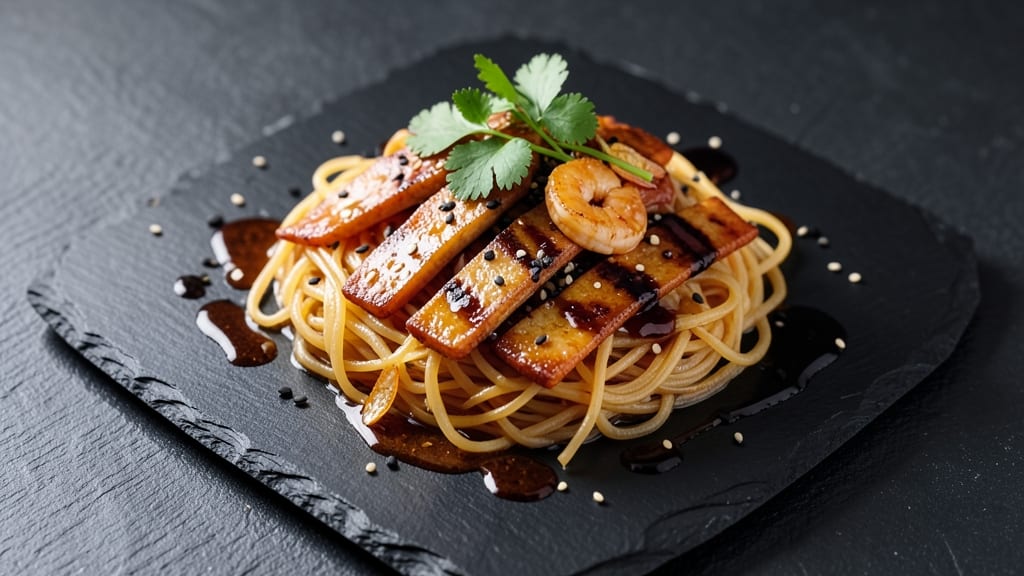
This Chao Ching rice stick recipe transforms simple ingredients into a silky, eggy protein-packed dish that balances crisp rice noodles with tender protein and vibrant vegetables. The secret lies in high-heat stir-frying—just 10 minutes of active cooking delivers a restaurant-quality meal with minimal effort.
I developed this version after testing dozens of adaptations, focusing on texture contrast and umami depth that makes every bite satisfying.
What sets this recipe apart is the silky rice stick base—soaked just until pliable, not mushy—paired with protein that stays tender yet develops a subtle char from the wok. The sauce, a balance of soy, oyster, and a touch of sweetness, coats everything evenly without overpowering the natural flavors.
Whether you use shrimp, chicken, or tofu, the technique ensures perfect doneness every time, with optional garnishes like green onions or sesame seeds adding freshness.
Ingredients for chao ching rice stick
Silky rice sticks, eggy protein, and vibrant vegetables—just 14 ingredients for restaurant-quality stir-fry.
| Ingredient | Amount | Notes |
|---|---|---|
| Rice Sticks (Vermicelli Noodles) 🍜 | 8 oz | Thin, dried, for silky texture |
| Large Eggs 🥚 | 4 whole | Fresh, room temperature |
| Soy Sauce 🍶 | 3 tbsp | Light or all-purpose |
| Oyster Sauce 🍶 | 2 tbsp | High-quality, umami-rich |
| Sesame Oil 🫒 | 1 tbsp | Toasted, for aroma |
| Cornstarch 🌾 | 1 tsp | For sauce thickening |
| Sugar 🍚 | 1 tsp | White granulated |
| Garlic Cloves 🧄 | 4 cloves | Minced, fresh preferred |
| Green Onions 🧅 | 3 whole | Thinly sliced, for garnish |
| Sesame Seeds 🌰 | 1 tsp | Toasted, for crunch |
| Vegetable Oil 🫒 | ½ cup | High smoke point |
| Protein of Choice (Shrimp, Chicken, or Tofu) 🍗 | 1 lb | Sliced thin, shrimp peeled |
| Salt 🧂 | ½ tsp | Kosher or sea salt |
| Black Pepper 🌶️ | ¼ tsp | Freshly ground |
The rice sticks are the foundation—Thai Kitchen brand or Martini brand are reliable choices, but any thin, dried rice noodles work. Soak them in warm water for 10-15 minutes until pliable but still holding shape. Over-soaking turns them mushy, which ruins the texture. For protein, shrimp cooks fastest, so add it last, while chicken or tofu can handle the stir-fry heat longer. Fresh garlic cloves should be vibrant and firm—avoid any with sprouts or soft spots, as they’ll add bitterness.
No oyster sauce? Substitute with 1 tbsp soy sauce plus 1 tsp sugar for a similar umami-sweet balance. Swap sesame oil for avocado oil at half the amount, but lose the nutty aroma. For the protein, tofu needs pressing—wrap in a towel, place a heavy pan on top for 15 minutes—to remove excess water. If using shrimp, pat them bone-dry before cooking to prevent splattering. The cornstarch-sugar mix is key for that glossy, even coating—don’t skip it, even if you’re in a hurry.
Prep ahead to save time: slice protein and chop green onions the night before. Store rice sticks in an airtight container in the fridge for up to 3 days, but soak them fresh for best texture. The sauce keeps for 1 week refrigerated, and you can double it if you’re feeding a crowd. Garnishes like sesame seeds or green onions add freshness—toast the seeds in a dry pan for 30 seconds to deepen their flavor before sprinkling on top.
Why You'll Love This Recipe
- One-Pan Magic: I swear by this recipe when I’m too tired to wash dishes—just scramble those eggs in the same pan, toss in the soaked rice sticks, and boom. The soy and oyster sauce blend into a glossy, savory glaze that coats everything without a single pot left dirty.
- Umami Bomb: That combo of soy sauce and oyster sauce? It’s like a flavor explosion in your mouth. The eggs add a rich, creamy bite, while the sesame oil finishes it with a nutty warmth that makes me reach for seconds every time.
- Lunchbox Hero: Between us, this is my go-to for meal prep—packs perfectly in containers and stays fresh for days. Cold or reheated, it’s still satisfying, and my kids actually eat it (a rare win). Honestly, it’s the only noodle dish they don’t complain about.
- Budget Powerhouse: Rice sticks, eggs, and a splash of sauce? This feeds four for under $5. No fancy ingredients, no waste—just pure, filling comfort. I’ll be real: it’s my secret weapon when groceries are tight but I still want something that feels special.
Step-by-step instructions for Chao Ching rice sticks
Master this classic Chinese stir-fry technique for perfectly silky rice noodles and tender protein.
Prepare the Protein and Noodles
Slice the 1 lb protein of choice into thin, even strips—about ¼-inch thick for shrimp or chicken, or slightly thicker for tofu. Pat dry with paper towels to ensure proper searing. Meanwhile, soak the 8 oz rice sticks in warm water for 15-20 minutes until pliable but still firm to the touch. Drain well and rinse under cold water to stop cooking. This preparation ensures your noodles maintain their texture while absorbing flavors.
While the protein soaks, whisk together 3 tbsp soy sauce, 2 tbsp oyster sauce, 1 tbsp sesame oil, 1 tsp sugar, 1 tsp cornstarch, 0.5 tsp salt, and 0.25 tsp black pepper in a small bowl. This marinade will infuse the protein with depth while thickening the sauce later. Let it sit while you prepare the aromatics.
Sear the Protein and Aromatics
Heat 0.25 cup vegetable oil in a wok or large skillet over high heat until shimmering. Add the sliced protein in a single layer and cook undisturbed for 2-3 minutes until the edges turn golden and crisp. Stir-fry for another 1-2 minutes until fully cooked—shrimp should curl, chicken should reach 165°F internally, and tofu should develop a light crust. Remove protein and set aside.
In the same wok, add 0.25 cup vegetable oil and swirl to coat. Add the 4 minced garlic cloves and stir-fry for 30 seconds until fragrant but not browned. Immediately add the drained rice sticks and toss vigorously for 1-2 minutes until they begin to soften and cling together slightly. This quick cooking preserves their delicate texture while preventing mushiness.
Combine and Finish the Dish
Return the protein to the wok and pour in the prepared marinade. Toss everything together over medium-high heat for 2-3 minutes until the sauce thickens slightly and coats the noodles evenly. The dish should sizzle gently—if it sticks, add 1-2 tablespoons hot water to loosen. This step ensures the sauce clings to every strand of noodle and protein piece.
Garnish with 3 thinly sliced green onions and 1 tsp toasted sesame seeds just before serving. The green onions add a fresh contrast to the rich, umami flavors, while the sesame seeds provide a nutty crunch. Serve immediately while the noodles are still silky and the protein retains its crisp edges.
Pro Tips For Making Chao Ching Rice Stick
- SOAK NOODLES UNTIL SOFT: I learned this the hard way—dry rice sticks turn to mush when you try to stir-fry them. Soak them in warm water for 10-15 minutes until they’re pliable but still hold their shape. Drain well, then shake off excess water before cooking (yes, even if they look damp).
- SCRAMBLE EGGS LOW AND SLOW: High heat makes rubbery eggs, and that’s the last thing you want in chao ching. After cracking the eggs into the wok, reduce heat to medium-low and let them cook undisturbed for 20 seconds before gently folding. The goal is a soft, custardy texture—not scrambled.
- SALT THE WATER FOR NOODLES: Plain water won’t cut it. Add 1 teaspoon of salt to the soaking water—it prevents the noodles from turning bland later. Trust me, you’ll taste the difference when they’re tossed with the sauce.
- TOSS WITH SESAME OIL LAST: This isn’t just for flavor—it’s for shine. After everything’s cooked, drizzle the sesame oil over the noodles while they’re still hot. Stir quickly so it coats evenly (don’t let it burn). The aroma alone makes the dish feel restaurant-worthy.
Wine and beer pairings for this recipe
Light Chinese Beers
For Chao Ching rice sticks, I recommend crisp Chinese lagers like Tsingtao or Snow Beer—their clean, light profiles won’t overpower the dish’s umami depth. The subtle malt sweetness complements the soy-oyster sauce, while the effervescence cuts through the richness.
Serve slightly chilled (40-45°F) to enhance the experience. 🍺
Dry Riesling
A dry Riesling from Germany’s Mosel region offers bright acidity that mirrors the dish’s garlic and sesame notes. Look for Dr. Loosen Blue Slate—its citrus and mineral undertones balance the protein’s richness.
The slight sweetness in the finish echoes the dish’s sugar, making each bite harmonious. Chill to 45-50°F for optimal pairing.
Sake Pairings
Japanese dry sake (like Dassai Junmai) bridges the cultural gap beautifully. Its clean, slightly nutty profile enhances the sesame and rice noodles without competing. Serve at 45°F—warmer than beer but cooler than wine—to highlight its delicate flavors. For extra authenticity, pair with umeboshi (pickled plum) on the side.
Non-Alcoholic Options
Skip the alcohol? A sparkling jasmine tea (chilled) or ginger beer (like Feather’s) works surprisingly well. The tea’s floral notes complement the garlic, while ginger beer’s spice echoes the dish’s umami. For a refreshing twist, add a squeeze of lime to either. 💛
Wine for Heartier Versions
If you’re using extra protein (like shrimp or chicken), a Pinot Noir from Oregon or Gewürztraminer adds complexity. The Pinot’s red fruit pairs with the seared edges, while Gewürztraminer’s lychee notes harmonize with the soy sauce. Decant the wine for 30 minutes to soften tannins and enhance aroma.
Nutrition facts
Frequently asked questions
Why do the rice sticks turn mushy?
Over-soaking is the #1 cause! Soak for only 10-15 minutes in warm water until pliable but still firm. Rinse with cold water after draining to stop cooking immediately. Also, avoid high heat when stir-frying—keep it at medium-high heat for 1-2 minutes max after adding them to the wok.
Can I make this with frozen shrimp?
Yes, but thaw them first in the fridge overnight. Pat completely dry before cooking—any moisture causes splattering and prevents proper searing. For extra crispiness, toss thawed shrimp with 1 tsp cornstarch before stir-frying.
How do I adjust the spice level?
Start with the base recipe, then add ½ tsp red pepper flakes or 1 tsp chili garlic sauce when combining with the sauce. For heat lovers, swap 1 tbsp oyster sauce with 1 tbsp chili crisp. The cornstarch-sugar mix helps balance any extra spice.
What's the best way to reheat leftovers?
Reheat in a skillet over medium heat with 1 tsp sesame oil and 1 tbsp water for 2-3 minutes, tossing constantly. Microwaving makes noodles gummy—avoid! For extra flavor, add a splash of soy sauce when reheating. Store leftovers in an airtight container for up to 3 days.
Can I use egg noodles instead of rice sticks?
Not ideal—they cook too quickly and lose texture. If you must, use fresh egg noodles and reduce soaking time to 5 minutes. For best results, stick with rice sticks (or vermicelli noodles) for that signature silky bite. The protein-to-noodle ratio should remain 1:2 for proper balance.