
Main Courses
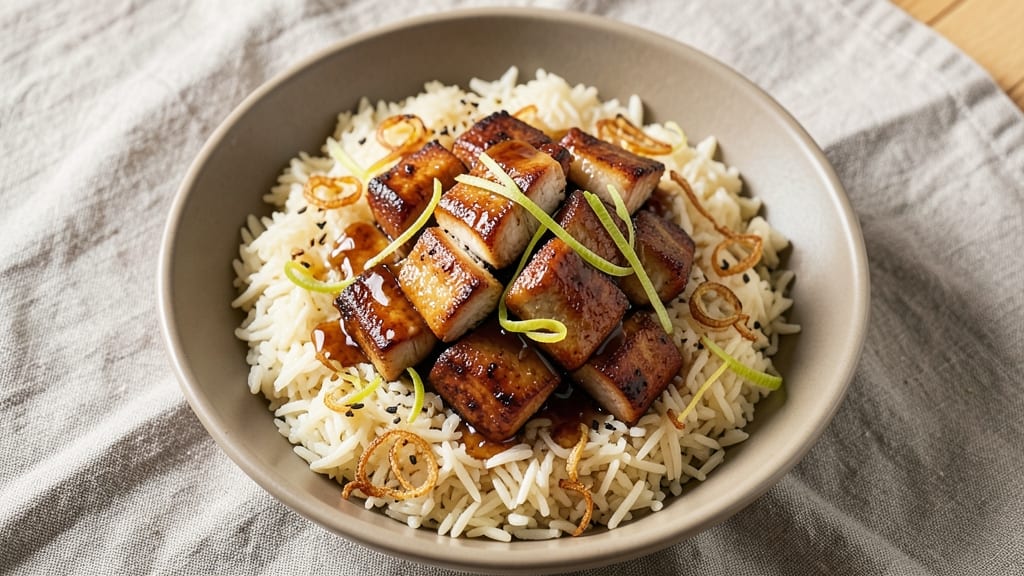
This Chahan rice recipe transforms simple ingredients into a restaurant-worthy Japanese fried rice dish with bold, savory flavors. The secret lies in perfectly cooked rice—light and fluffy—combined with wok-fried protein and a fragrant five-spice blend that balances umami and warmth.
I’ve perfected this technique over years of testing, ensuring every bite delivers that signature crisp-tender texture and aromatic depth. The foundation starts with day-old rice (never fresh!) tossed with a mix of soy sauce, mirin, and sugar—a classic Japanese trifecta that creates the signature sticky yet separate grains.
Meanwhile, protein (chicken, pork, or beef) gets marinated in a simple soy-ginger-garlic blend before being seared to a caramelized finish. The wok comes next, where high heat fries the protein and rice together, releasing smoky aromas that fill your kitchen.
By the end, you’ll have a dish that’s crispy on the edges, tender in the center, and packed with layers of flavor—sweet, salty, and slightly smoky. The five-spice rice adds an extra dimension, making this more than just fried rice.
It’s a complete meal that’s quick to make (under 30 minutes) but feels like a special occasion. Serve it as-is for a hearty lunch or dinner, or pair with pickled vegetables and miso soup for an authentic Japanese spread. Let’s get cooking!
Ingredients for chahan rice
Japanese short-grain rice, wok-fried protein, and aromatic five-spice blend create this restaurant-quality chahan fusion.
| Ingredient | Amount | Notes |
|---|---|---|
| Day-Old Japanese Short-Grain Rice 🍚 | 4 cups | Cooked and cooled completely |
| Boneless Chicken Breast 🍗 | 1 ½ lb | Cut into 1-inch cubes |
| Soy Sauce 🥢 | ½ cup | Japanese-style preferred |
| Mirin 🍶 | ¼ cup | Sweet rice wine |
| Granulated Sugar 🍬 | 2 tbsp | White or brown sugar |
| Fresh Ginger 🧄 | 1 tbsp | Minced, peeled |
| Garlic Cloves 🧄 | 4 cloves | Minced finely |
| Vegetable Oil 🫒 | ½ cup | High smoke point |
| Five-Spice Powder 🌶️ | 1 tsp | Chinese five-spice blend |
| Sesame Oil 🫒 | 1 tbsp | Toasted, for aroma |
| Green Onions 🧅 | ¼ cup | Sliced thin, white/light green |
| Salt 🧂 | ½ tsp | Kosher or sea salt |
| Black Pepper 🌶️ | ¼ tsp | Freshly ground |
| Sesame Seeds 🌾 | 1 tbsp | Toasted for garnish |
The rice is non-negotiable—day-old Japanese short-grain (like Koshihikari) is essential for that signature sticky yet separate texture. Cook a full batch the night before so you have enough for this recipe. For protein, chicken breast is the most accessible option, but pork shoulder or beef chuck add incredible depth. If using chicken, trim all visible fat to prevent flare-ups in the wok. Kikkoman soy sauce or Japanese-style soy sauce from the Asian market elevates the umami profile compared to regular soy sauce. The mirin should be genuine—look for brands like Hona Mirin or Kodawari for authentic sweetness without artificial flavors.
No mirin? Substitute 1 tbsp rice vinegar plus 1 tbsp sugar—it’s not identical, but it works in a pinch. The five-spice powder is where this dish gets its complexity—Chinese five-spice blend (star anise, cinnamon, cloves, fennel, pepper) is ideal, but you can make your own if needed. For the ginger and garlic, fresh is non-negotiable—dried powders lack the aromatic punch. If you’re short on time, pre-minced garlic from a jar works, but toast it in the oil first to deepen the flavor. The sesame oil should be toasted—avoid the cheap, flavorless kind that sits on store shelves for months. For extra richness, add 1 tbsp of toasted sesame paste at the end.
Store leftover rice in an airtight container for up to 3 days—it reheats beautifully with a splash of water or steamed for 1 minute. The protein can be prepped ahead and refrigerated for 2 days before cooking. For maximum flavor, marinate the protein for at least 30 minutes before searing. Garnish with toasted sesame seeds just before serving—they add crunch and visual appeal. This dish freezes well for 3 months if portioned into airtight containers, but the texture may soften slightly upon thawing. To revive, reheat in a skillet with a little oil over medium heat.
Why You'll Love This Recipe
- No Leftover Waste: I swear by using day-old rice—it’s the secret to that perfect, sticky texture. No sad, dry grains here; just the right chew that makes every bite satisfying.
- Sweet-Savory Magic: That trio of soy sauce, mirin, and sugar? It’s the flavor bomb. The chicken gets tender while soaking up the sauce, and the rice? Absolutely drenched in that umami-sweet goodness.
- Weeknight Hero: Throw in some prepped chicken, splash on the sauce, and let it simmer. Honestly, it’s the kind of dish that makes you question why you ever ordered takeout.
- Budget Meal Stretch: A single chicken breast and a cup of rice feed two for dinner, then two more for lunch. Between us, this is how I keep groceries from disappearing faster than my willpower.
Step-by-step instructions for chahan rice fusion
Master this wok-fried technique for restaurant-quality texture and flavor balance.
Prepare the Chicken for Wok-Frying
Cut the 1.5 lb boneless chicken breast into 1-inch cubes for even cooking. Pat each piece dry with paper towels—this ensures a good sear rather than steaming. In a small bowl, combine 0.5 tsp salt, 0.25 tsp black pepper, and 1 tsp five-spice powder. Toss the chicken cubes thoroughly to coat evenly.
Heat 0.25 cup vegetable oil in a wok or large skillet over medium-high heat until shimmering but not smoking. Add half the chicken and cook undisturbed for 3-4 minutes until the edges turn golden brown and crispy. Flip and cook another 2-3 minutes until fully cooked through. Remove and set aside on a wire rack to drain excess fat. Repeat with the remaining chicken.
Build the Five-Spice Rice Base
In the same wok, reduce heat to medium and add 0.5 cup vegetable oil (if needed). Stir in 1 tbsp minced fresh ginger and 4 cloves minced garlic, cooking for 30 seconds until fragrant. Add the 4 cups day-old Japanese short-grain rice, breaking up any clumps. Stir-fry for 2 minutes until the rice absorbs the oil and begins to sizzle.
Pour in 0.5 cup soy sauce and 0.25 cup mirin, scraping up any browned bits from the bottom. Sprinkle 2 tbsp granulated sugar over the rice and toss vigorously for 1 minute until the liquid is mostly absorbed. The rice should look glossy and slightly sticky—this ensures proper texture without being mushy.
Combine Chicken and Season the Dish
Return the crispy chicken to the wok with the rice. Add 1 tbsp toasted sesame oil and toss everything together for 1-2 minutes until the chicken is evenly distributed and heated through. The five-spice powder will infuse the chicken with aromatic warmth while keeping the rice's delicate texture.
Taste and adjust seasoning if needed—add a splash of water if the rice is too dry, or a drizzle of soy sauce if it needs more umami depth. The dish should balance sweet, salty, and aromatic notes without overpowering the natural flavors of the chicken and rice.
Finish with Garnishes and Rest
Transfer the chahan rice to a serving platter and let it rest for 2-3 minutes—this allows the flavors to meld. Garnish with 0.25 cup sliced green onions and 1 tbsp toasted sesame seeds for color and texture contrast. The green onions add freshness, while the sesame seeds provide a nutty crunch that cuts through the richness.
Serve immediately while hot, with extra soy sauce or mirin on the side for those who prefer additional sweetness. The contrast between the crispy chicken, fragrant five-spice rice, and fresh garnishes creates a harmonious bite that captures the essence of wok-fried fusion cuisine.
Pro Tips For Making Chahan Rice
- Use Cold Chicken: Slice your chicken breast before cooking—it’s easier to handle and sears faster. I used to cook whole breasts and end up with uneven doneness; thin strips cook in seconds and soak up the sauce perfectly.
- Fry in Two Batches: Crowd the pan, and your chicken turns soggy. Work in small batches—2-3 minutes per side over medium-high heat—until golden. The first batch will teach you the right pace; rush it, and you’ll get dry meat.
- Toast the Rice First: Spread your day-old rice in a dry pan for 2-3 minutes before adding sauce. The heat wakes up the starches, making the final dish stickier and richer. Skimp on this, and you’ll just have wet rice with sauce on top.
- Balance the Sauce: For every 2 tablespoons of soy sauce, add 1 tablespoon mirin and ½ teaspoon sugar. Too much soy? The rice tastes harsh. Too little? It’s bland. Taste as you go—this isn’t a math problem, but close.
Serving suggestions for chahan rice
Japanese-Inspired Sides
Pair your chahan rice with sunomono—a refreshing cucumber salad made with rice vinegar, sugar, and sesame seeds. Toss 2 cups thinly sliced cucumbers with 2 tbsp rice vinegar, 1 tbsp sugar, and a pinch of salt.
Top with 1 tsp toasted sesame seeds for crunch. This light, tangy contrast balances the richness of the fried rice beautifully. 🥒
Miso Soup Addition
Serve steaming miso soup on the side to complete the Japanese meal experience. Simmer 4 cups dashi stock with 2 tbsp red miso paste, 2 tbsp silken tofu cubes, and 1 tbsp wakame seaweed until fragrant.
The umami depth complements the five-spice notes in the chahan rice while adding a comforting warmth. Garnish with green onions and extra tofu for texture.
Pickled Vegetables
Add quick-pickled vegetables for a tangy bite that cuts through the fried richness.
Thinly slice 1 carrot, ½ daikon radish, and 1 scallion, then soak in a mix of ½ cup rice vinegar, 1 tbsp sugar, and ½ tsp salt for at least 30 minutes. The bright acidity refreshes your palate between bites of chahan rice.
Garnish Upgrades
Elevate your presentation with extra garnishes. Sprinkle crispy fried shallots over the top for a sweet, crunchy finish. Add thinly sliced jalapeños for heat lovers, or drizzle with spicy mayo (mix 2 tbsp mayo with ½ tsp sriracha) for a modern twist.
These final touches make your dish look and taste restaurant-quality.
Beverage Pairings
Pair your chahan rice with a light Japanese lager like Asahi Super Dry or Sapporo to cleanse your palate between bites. For non-alcoholic options, try genmaicha tea—its toasty, nutty notes complement the five-spice flavors.
A chilled green tea soda (mix 1 cup green tea with ½ cup soda water and a splash of lemon) also works wonderfully.
Leftovers Reinvention
Repurpose leftover chahan rice into chahan fried rice bowls the next day. Top with a soft-boiled egg, quick-pickled radishes, and a drizzle of tonkatsu sauce for a hearty lunch.
Alternatively, stuff the rice into pork buns or steamed bao for a fusion takeout-style meal. These creative uses keep the dish exciting beyond the first serving!
Nutrition facts
Frequently asked questions
Why does chahan rice need day-old rice instead of fresh?
Freshly cooked rice is too moist and sticky, making it impossible to achieve that signature crisp-tender texture. Day-old rice has dried out slightly, allowing it to absorb the wok-frying oils perfectly while maintaining individual grains. For best results, spread cooked rice on a tray and refrigerate uncovered for 1-2 hours before using.
Can I substitute chicken with another protein?
For extra richness, use pork shoulder or beef chuck—both add incredible depth. Shrimp works beautifully too, but cook it separately to avoid overcooking. Just adjust the marinade: pork benefits from extra ginger, while beef pairs well with a touch of Worcestershire sauce in the marinade.
What's the secret to getting crispy chicken in chahan?
Pat the chicken thoroughly dry before cooking and use medium-high heat in your wok. Let the chicken sear undisturbed for 3-4 minutes per side until golden brown. The key is high heat and patience—don't stir too soon! A wire rack helps drain excess fat for maximum crispiness.
How do I fix mushy rice in my chahan?
If your rice turns mushy, it's likely from adding too much liquid or over-stirring. The fix? Remove from heat immediately and spread the rice on a tray to cool. For extra crispiness, add 1 tsp toasted sesame oil and toss vigorously. If it's still too wet, cook for 1-2 extra minutes on high heat to evaporate moisture.
What's the difference between chahan and regular fried rice?
Chahan focuses on crispy protein (like tonkatsu-style pork) and a five-spice blend that adds aromatic depth, while regular fried rice is simpler with just garlic, ginger, and soy sauce. The rice in chahan is also typically sticky yet separate due to the mirin and sugar combination, creating a more refined texture.