
Beverages
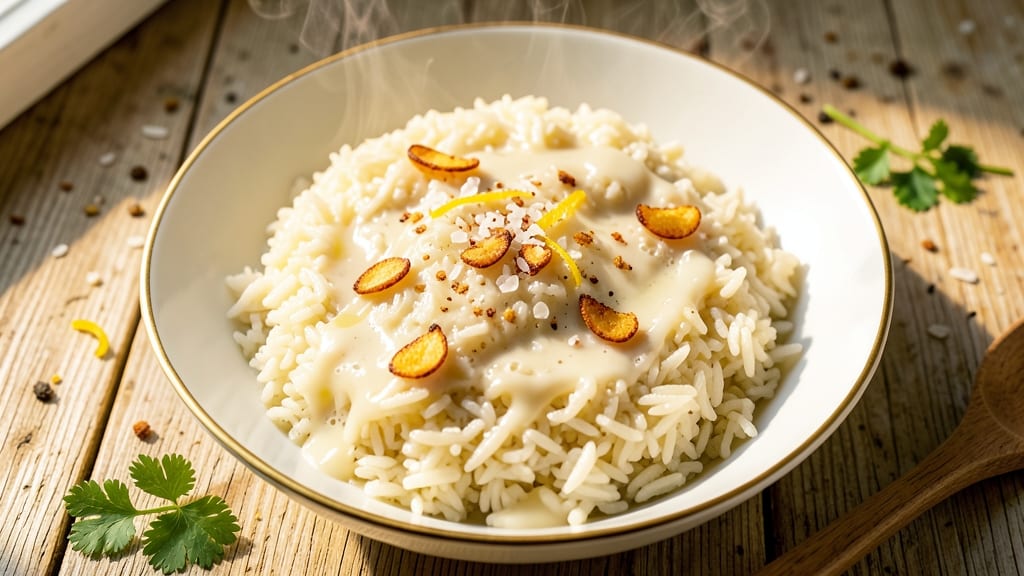
Cebu dimsum isn’t just breakfast—it’s a celebration of texture and tradition, where steamed jasmine rice absorbs the savory essence of silky eggy bites and golden-fried pastries.
The key lies in mastering two techniques: crafting delicate dimsum (like siopao or lumpia) with crisp wrappers and tender fillings, then pairing them with perfectly fragrant rice that stays light yet flavorful. This recipe brings Cebu’s street-food magic to your kitchen, where every bite balances crisp, chewy, and creamy elements.
The secret starts with long-grain jasmine rice cooked just shy of perfect, then finished with a whisper of coconut milk for depth—while the dimsum gets their signature touch: a light fry before steaming for that irresistible contrast.
Whether you’re making classic siopao stuffed with pork and egg or crispy lumpia wrapped in spring roll skins, the rice acts as a canvas, soaking up every flavor. Serve family-style, just like in Cebu, where shared plates and steaming baskets turn meals into gatherings.
Ingredients for cebu dimsum steamed rice
Jasmine rice, coconut milk, and a whisper of garlic—simple ingredients for Cebu's iconic dimsum rice.
| Ingredient | Amount | Notes |
|---|---|---|
| Long-Grain Jasmine Rice 🍚 | 2 cups | Uncooked, rinsed thoroughly |
| Water 💧 | 2 ½ cups | Filtered or spring water preferred |
| Light Coconut Milk 🥥 | ¼ cup | Full-fat for extra creaminess |
| Salt 🧂 | ½ tsp | Diamond Crystal kosher salt |
| White Vinegar 🍶 | 1 tsp | Distilled or apple cider |
| Garlic Cloves 🧄 | 2 cloves | Minced for aroma infusion |
| Fresh Ginger 🌿 | 1 tbsp | Finely grated, peeled |
| Vegetable Oil 🫒 | 1 tbsp | For steaming basket |
| Spring Roll Wrappers 🥟 | 12 pieces | For optional dimsum pairing |
| Eggs 🥚 | 2 whole | Fresh, room temperature |
| Ground Pork 🐖 | ½ lb | Lean, 80% lean preferred |
| Green Onions 🧅 | 3 whole | Thinly sliced, white and green parts |
| Soy Sauce 🍶 | 1 tbsp | Light or regular, not low-sodium |
| Sesame Oil 🌱 | ½ tsp | Toasted, for finishing |
The rice is the star here, so don't skimp on quality. Jasmine rice from an Asian market (like 99 Ranch or H Mart) has that signature fragrance grocery store brands can't match. For the coconut milk, full-fat canned versions like Thai Kitchen give the best creaminess—skip the light versions. Fresh ginger and garlic? Buy them whole and grate/mince right before cooking—pre-minced loses flavor fast. The spring roll wrappers should be thin and pliable; Tastee brand is my go-to for dimsum. For the pork, ground pork shoulder stays juicier than lean cuts.
No jasmine rice? Basmati or even short-grain white rice works in a pinch, but the texture won't be quite right. Short on fresh ginger? Powdered ginger at half the amount gets you close. The pork filling can be swapped for shrimp or tofu if you're vegetarian—just marinate it in soy sauce first. For the wrappers, rice paper is a decent substitute (soak them first). The sesame oil is non-negotiable for that Cebu street-food aroma—no substitutions here. If you can't find toasted sesame oil, lightly toast regular sesame seeds and grind them into oil yourself.
Rice keeps beautifully for 3-4 days in the fridge—just reheat with a splash of water. The dimsum filling can be prepped ahead and stored for 2 days, but don't steam it until serving. For extra convenience, make a double batch of rice and freeze portions—steam from frozen with 10 extra minutes. The wrappers? Store them in a sealed container with a damp paper towel to keep them pliable. This rice tastes even better the next day as the flavors meld—perfect for meal prep. Serve with extra green onions and a drizzle of sesame oil for that Cebu street-food vibe.
Why You'll Love This Recipe
- Five-Minute Setup: Honestly, this rice takes less time to assemble than it does to boil water. Just rinse the jasmine rice, layer it with coconut milk and vinegar, and pop it in the steamer—no fancy techniques, no stress.
- Coconut-Vinegar Magic: That tangy-sweet balance? It’s the white vinegar cutting through the creaminess of the coconut milk, giving every grain a bright, almost umami lift. (Yes, even my picky husband asks for seconds.)
- Leftover Goldmine: This rice improves the next day—grains separate just enough to soak up sauces, and the coconut flavor deepens. I meal prep a whole batch on Sundays and eat it all week, no complaints.
- Budget Bright Spot: For under $2, you feed four people with rice that tastes like a restaurant dish. Light coconut milk stretches far, and vinegar’s the secret weapon—no expensive spices needed.
Step-by-step instructions for Cebu dimsum steamed rice
Here's how to make the heart of Cebu dimsum—fluffy jasmine rice infused with coconut milk and aromatic bites.
Prepare the Jasmine Rice Base
Start by rinsing the 2 cups of long-grain jasmine rice under cold water until the water runs clear. This removes excess starch and prevents gummy rice. Drain well in a fine-mesh strainer, then transfer to a bowl. Add the 2.5 cups of water, 0.5 teaspoon of salt, and 1 teaspoon of white vinegar—this keeps the rice tender and adds subtle tang.
Stir gently to combine, then let the rice soak for 30 minutes. This step ensures even cooking and prevents uneven grains. While it soaks, grate the 1 tablespoon of fresh ginger and mince the 2 cloves of garlic—you'll use these for flavor infusion later. The rice should absorb the liquid but still have a slight sheen on top when ready.
Cook the Aromatic Rice Mixture
Heat a pot with the 1 tablespoon of vegetable oil over medium heat. Add the minced garlic and grated ginger, cooking for 30 seconds until fragrant but not browned. Pour in the soaked rice mixture, including any liquid, and bring to a gentle boil.
Once boiling, reduce heat to low, cover tightly with a lid, and simmer for 15 minutes. Don't peek or stir—the rice needs undisturbed cooking to develop its signature fluffiness. After 15 minutes, check if the rice is tender by pressing a grain against the side of the pot with a fork. If it's still firm, cook for another 5 minutes.
Infuse with Coconut and Egg Bites
After the rice is cooked, remove from heat and let it sit covered for 10 minutes. This resting period allows the steam to redistribute and the grains to separate. Meanwhile, beat the 2 whole eggs with 1 tablespoon of soy sauce and 0.25 cup of light coconut milk until just combined—no need to overmix.
Spread the rice evenly in a steamer basket lined with parchment paper (to prevent sticking). Create small wells in the rice and pour the egg mixture into them. Steam over medium-high heat for 8-10 minutes until the egg bites are set but still silky. The rice should be fragrant with coconut and garlic notes, and the egg bites should hold their shape when gently pressed.
Finish with Ground Pork and Garnishes
While the rice steams, cook the 0.5 pound of ground pork in a separate pan over medium heat until browned. Add the 3 whole green onions, sliced, and cook for another minute. Drain excess fat, then mix in 0.5 teaspoon of toasted sesame oil and 1 tablespoon of soy sauce.
Once the rice and egg bites are done, carefully transfer the rice to a serving platter. Top with the pork mixture and garnish with the remaining green onions. Serve immediately while the rice is still steaming hot—this is when it's most fragrant and the egg bites are at their silkiest. The combination of coconut-infused rice, tender egg bites, and savory pork makes this a Cebu dimsum classic.
Pro Tips For Making Cebu Dimsum Steamed Rice
- STEAM AT 70% HEAT: Cebu’s version needs gentle heat—too much steam pressure and you’ll end up with mushy rice. After the initial boil, reduce to the lowest setting that keeps a barely visible wisp of steam escaping the lid. I learned this the hard way when my first batch turned out like glue after I cranked the stove to max.
- SOAK RICE IN COCONUT MILK: Skip the plain water soak—this rice deserves the coconut milk treatment. Mix the light coconut milk with the water before adding rice, and let it sit for at least 20 minutes. The fat coats the grains, preventing dryness, and the flavor seeps in deeper. (Yes, even if you’re impatient like me.)
- VINEGAR AFTER STEAMING: The vinegar isn’t just for flavor—it’s for texture. Add the white vinegar (about 1 tablespoon) only after the rice has finished steaming, then fluff it in immediately. This keeps the grains separate and adds that signature tang without making the rice sour. I used to add it earlier and wondered why my rice tasted flat.
- USE A TIGHT-FITTING LID: This isn’t your average rice cooker—it’s a steam bath. If your lid isn’t snug, you’ll lose moisture and end up with dry pockets. Press down firmly (or use a damp towel to seal gaps) so the steam works its magic. Sounds weird, but it works: your rice will stay fluffy and fragrant, not sad and crusty.
Regional styles of this cebu dimsum steamed rice
Cebu's Siopao Style
In Cebu, dimsum often centers around siopao—steamed buns with crispy, flaky wrappers and savory fillings like pork and egg. The Cebuano version differs from mainland China's by using less lard in the dough, making them lighter yet still crispy.
I like using Tastee brand spring roll wrappers for authenticity—they're thin enough to get that signature dimsum texture. For extra crispiness, brush the steamed buns with a light coat of melted butter before serving. 🥖
Lumpia Variations
Cebu's lumpia (spring rolls) often feature a sweet and savory balance, unlike the purely savory versions elsewhere. Try adding grated sweet potato or caramelized onions to the pork filling for that Cebu twist. I wrap mine in egg roll wrappers (not spring roll skins) for a slightly chewier texture.
For extra crunch, pan-fry them until golden before serving. The rice soaks up the excess oil beautifully, making it the perfect partner. 🌶️
Street-Style Egg Bites
Cebu's dimsum egg bites are smaller and more delicate than mainland versions, often made with just egg, soy sauce, and a touch of sugar. For a Cebu touch, add a pinch of white pepper to the egg mixture—it gives a subtle kick without overpowering.
Steam them directly on the rice for maximum flavor infusion. These bites should be soft in the center with a slightly set exterior, almost like a tiny custard. 🍳
Pork-Free Options
For a vegetarian twist, replace the pork with shredded tofu marinated in soy sauce and sesame oil. I also add shredded cabbage and carrots for crunch. Cebu's dimsum often includes seafood lumpia, so try shrimp or squid in the filling.
The rice's coconut notes complement seafood beautifully, making it a lighter but equally satisfying option. 🌱
Regional Rice Touches
Some Cebuano families add a splash of pandan extract to the rice for a floral aroma, though this is less common. For a sweeter note, stir in 1 teaspoon of brown sugar during the final steaming stage.
The egg bites absorb this sweetness perfectly, creating a balance that's uniquely Cebuano. This subtle variation makes the dish feel even more authentic. 🌺
Serving Traditions
In Cebu, dimsum rice is always served family-style with steamed buns, lumpia, and sometimes kare-kare (peanut stew) on the side. The rice acts as a base to soak up all the sauces.
For presentation, arrange the egg bites and pork mixture in a sunburst pattern around the edges of the rice. Garnish with extra green onions and sesame seeds for that Cebu street-food flair. 🍽️
Nutrition facts
Frequently asked questions
Can I make this Cebu dimsum rice without a steamer?
If you don't have a bamboo steamer, use a heatproof bowl placed over a pot of simmering water. The rice and egg bites will steam perfectly this way. For extra insurance, cover the bowl with a tight lid or aluminum foil. The key is keeping the water at a gentle simmer—not boiling—to maintain even heat.
How do I prevent the egg bites from becoming rubbery?
Rubbery egg bites happen when overcooked. Steam them for exactly 8-10 minutes until just set but still slightly jiggly in the center. Never overmix the egg mixture—just combine until smooth. For extra tenderness, add 1 tablespoon of coconut milk to the egg batter. The rice's moisture helps keep them silky.
Is this recipe suitable for meal prep?
Yes, but with a few adjustments. Cook the rice and pork filling ahead, then refrigerate separately. When ready to serve, reheat the rice with 2 tablespoons of water in a steamer for 5 minutes. For the egg bites, make them fresh to maintain texture—steam them directly on the rice just before serving. The flavors meld beautifully overnight, making it perfect for meal prep!
What's the best way to store leftover dimsum rice?
Store the rice in an airtight container in the fridge for up to 4 days. Reheat gently with a splash of water in a steamer or microwave (covered). The egg bites and pork mixture can be refrigerated separately for 2 days. For long-term storage, freeze the rice for up to 3 months—thaw overnight in the fridge before reheating.
Can I substitute the pork with chicken?
Yes, but ground chicken will be slightly drier. For best results, use ground chicken thigh (not breast) and add 1 teaspoon of soy sauce to the filling. Cook it until just done to avoid toughness. The rice's coconut notes complement chicken beautifully, making it a lighter alternative. For extra juiciness, add 1 tablespoon of water to the chicken mixture.