
Side Dishes
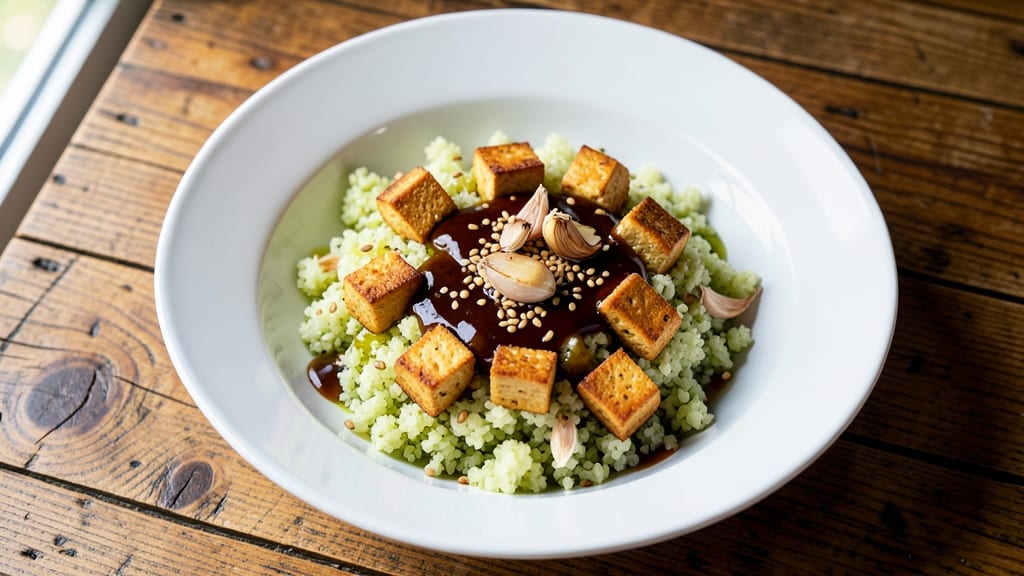
This cauliflower rice bowl recipe transforms simple ingredients into a crispy-topped, protein-packed meal that’s as nutritious as it is satisfying. The secret lies in perfectly textured cauliflower rice—lightly sautéed for a subtle crunch—paired with your choice of protein and a flavorful sauce that ties everything together.
I developed this bowl to be flexible enough for any dietary preference, whether you’re adding tofu for plant-based protein or feta for a creamy touch.
The foundation starts with cauliflower rice that’s sautéed just until tender but still holds its shape, ensuring it stays crispy on top while remaining soft underneath.
Adding a protein like pan-seared tofu or scrambled eggs elevates it from side dish to complete meal, while a drizzle of peanut sauce or tahini-lemon dressing brings richness without overpowering. The result is a bowl that’s balanced in texture and flavor, with every bite delivering a satisfying contrast.
What makes this recipe stand out is the crispy element—achieved by toasting the cauliflower rice in the pan for the last minute, creating a golden, caramelized finish that adds depth.
The assembly is simple: layer the base, add your protein, and finish with fresh garnishes like sesame seeds or green onions for a pop of color and freshness. It’s the kind of dish that looks impressive but comes together in under 30 minutes—perfect for weeknight dinners or meal prep.
This bowl is endlessly customizable, making it ideal for vegetarians, vegans, or anyone looking to lighten up their meals without sacrificing flavor. Whether you’re serving it as a main course or a side, the combination of textures and bold flavors ensures it’s a crowd-pleaser.
Let’s get started on creating your perfect bowl!
Ingredients for cauliflower rice bowl
Simple ingredients that create a crispy, protein-packed bowl with vibrant textures and bold flavors.
| Ingredient | Amount | Notes |
|---|---|---|
| Fresh Cauliflower Florets 🥬 | 8 cups | Riced or pulsed finely |
| Extra-Virgin Olive Oil 🫒 | 2 tbsp | For high-heat sautéing |
| Garlic Cloves 🧄 | 3 cloves | Minced for aromatic base |
| Sesame Seeds 🌾 | 1 tbsp | Toasted for garnish |
| Firm Tofu 🍲 | 1 lb | Pressed and cubed |
| Soy Sauce 🍶 | 2 tbsp | For tofu marinade |
| Peanut Butter 🥜 | ½ cup | Creamy, unsweetened |
| Lime Juice 🍋 | 2 tbsp | Freshly squeezed |
| Honey 🍯 | 1 tbsp | Or maple syrup for vegan |
| Green Onions 🧅 | 3 whole | Thinly sliced for garnish |
| Red Bell Pepper 🌶️ | 1 whole | Diced for color |
| Avocado 🥑 | ½ whole | Sliced for creaminess |
| Sea Salt 🧂 | 1 tsp | Diamond Crystal preferred |
| Black Pepper 🌶️ | ½ tsp | Freshly cracked |
| Coconut Aminos 🍶 | 1 tbsp | For sauce depth |
The cauliflower is the star—Trader Joe's or Whole Foods have the best fresh heads, but any organic store works. Look for vibrant florets with no yellowing. For the crispy texture, pulse in a food processor until rice-like but not mushy. The tofu should be extra-firm—press it for 20 minutes to remove excess water. If you're short on time, pre-riced cauliflower from the frozen section saves chopping but loses some texture. For the peanut sauce, creamy peanut butter is non-negotiable—crunchy will make the sauce grainy.
No tofu? Pan-seared chicken breast or scrambled eggs work beautifully. Swap the honey for maple syrup if vegan, but reduce the sauce slightly since it's sweeter. The red bell pepper can be any color—yellow or orange add different flavor notes. For extra crunch, toss in crushed peanuts or fried shallots. If you're making this ahead, store the sauce separately and assemble just before serving to keep the cauliflower crispy. The lime juice should be freshly squeezed—bottled juice lacks brightness and can make the sauce taste flat.
This bowl keeps for 3 days in the fridge, but the cauliflower loses crispiness after day 2. Store components separately: sauce in a jar, tofu in a container, and cauliflower in a sealed bag. Reheat tofu gently in a pan—it dries out fast. For meal prep, portion the sauce into small containers so you can drizzle fresh each time. Freeze the sauce for up to 3 months, but don't freeze the cauliflower—it gets soggy. Garnishes like sesame seeds and green onions add freshness, so add them right before serving.
Why You'll Love This Recipe
- No Chopping Chaos: I swear by this recipe because it’s the only cauliflower rice dish that doesn’t require a food processor. Just tear those florets into rough rice-sized pieces—no prep skills needed. The tofu gets cubed in seconds, and the garlic? Two cloves, minced while you wait for the pan to heat. That’s it.
- Umami Bomb: Between us, the crispy sesame seeds and toasted garlic in the olive oil are what make this bowl ridiculously good. The tofu soaks up the flavor like a sponge, and the cauliflower gets this perfect char—crunchy edges, tender center. Honestly, I’ve made it for people who “don’t like cauliflower,” and they’ve asked for seconds.
- Lunchbox Hero: This is my go-to for meal prep because it holds up for days. Store the tofu and cauliflower separately in the fridge, then assemble bowls when you’re ready. Pack it in bento boxes for work, or serve it cold for a no-fuss picnic. (Yes, even on a Tuesday night when you’re exhausted.)
- Budget-Friendly Flex: Fresh cauliflower and firm tofu are cheaper than takeout, and this recipe stretches easily. Double the batch—leftover bowls taste just as good reheated (or cold, no judgment). I’ll be real: I’ve fed four people for under $10 with this, and no one complains. That’s a win.
Step-by-step instructions for crispy-topped cauliflower rice bowls
Here's how to build bowls with perfectly crispy cauliflower, rich peanut sauce, and vibrant toppings.
Press and Marinate the Tofu
Start by pressing the 1 lb firm tofu to remove excess moisture—this ensures it sears properly. Wrap the tofu in a clean kitchen towel, place a heavy pan on top, and let it press for at least 30 minutes. Once pressed, cut it into 1-inch cubes and transfer to a bowl. Mix with 2 tbsp soy sauce, 1 tsp sea salt, and 0.5 tsp black pepper. Let it marinate for 15 minutes while you prep the rest.
The marinade will infuse the tofu with flavor, and the pressing step is crucial—wet tofu steams instead of searing. If you're short on time, press it for 20 minutes, but don't skip this step entirely. The texture difference is noticeable.
Sear the Tofu and Sauté the Aromatics
Heat 1 tbsp of the extra-virgin olive oil in a large skillet over medium-high heat. Add the marinated tofu in a single layer, leaving space between pieces to avoid steaming. Cook undisturbed for 3-4 minutes until golden brown on one side, then flip and cook another 3-4 minutes until fully crispy. Transfer to a plate and set aside.
In the same skillet, add the remaining 1 tbsp olive oil and the 3 minced garlic cloves. Sauté for 30 seconds until fragrant—don't let the garlic brown, or it'll turn bitter. Add the diced red bell pepper and cook for 2-3 minutes until softened but still vibrant. This aromatic base will carry the entire bowl's flavor profile.
Create the Peanut-Lime Sauce
In a small bowl, whisk together the 0.5 cup peanut butter, 2 tbsp lime juice, 1 tbsp honey, and 1 tbsp coconut aminos. Thin with 2-3 tablespoons of warm water until it reaches a pourable consistency—it should coat the back of a spoon but still cling to the cauliflower. Taste and adjust seasoning with additional lime juice or honey if needed.
This sauce is the heart of the bowl, balancing rich peanut with bright citrus and umami from the coconut aminos. If your peanut butter is particularly thick, start with 3 tablespoons of water and adjust as you go. The sauce should be smooth but still coat the cauliflower without making it soggy.
Cook the Crispy Cauliflower Rice
Heat a large nonstick skillet over medium-high heat. Add the 8 cups fresh cauliflower florets in a single layer, letting them sit undisturbed for 2-3 minutes until they begin to brown and crisp at the edges. Stir gently and cook for an additional 4-5 minutes until tender with crispy spots—this is where the bowl gets its satisfying texture contrast.
Don't rush this step. The cauliflower should be tender when pierced with a fork but still hold its shape. If it's browning too quickly, reduce the heat slightly. The goal is crispy edges with a slightly charred flavor—this is what makes the dish so satisfying.
Assemble and Garnish the Bowls
Divide the crispy cauliflower among four bowls. Drizzle each with 1-2 tablespoons of the peanut-lime sauce, then top with the seared tofu, sautéed red bell pepper, and thinly sliced green onions. Finish with slices of the 0.5 whole avocado and a sprinkle of toasted sesame seeds for color and crunch.
Serve immediately while the cauliflower is still crispy and the avocado is fresh. The contrast of creamy avocado, rich peanut sauce, crispy cauliflower, and tender tofu makes every bite balanced. For extra crunch, toast the sesame seeds in a dry skillet for 1-2 minutes before sprinkling on top.
Pro Tips For Making Cauliflower Rice Bowl
- CHOP CAULIFLOWER SMALL: Fresh florets break down unevenly—cut them into ½-inch pieces or smaller. I used to leave chunks too big, and they’d turn mushy while the edges stayed raw. Uniform size means even cooking every time.
- PRESS TOFU DRY: Wrap firm tofu in a towel, place a heavy pan on top, and let it sit for 15 minutes. Skipping this step means soggy tofu that absorbs oil instead of getting crispy. (Yes, even if you’re impatient like me.)
- STIR-FRY CAULIFLOWER FAST: Work in two batches if your pan is crowded—overfilling steams the rice instead of searing it. High heat for 3–4 minutes max, or you’ll end up with sad, limp cauliflower. Start hot, finish low.
- TOAST SESAME SEEDS SEPARATELY: Pop them in a dry pan for 30 seconds until fragrant—this prevents them from burning in the oil. I learned this the hard way when my first batch tasted bitter. (Now I keep a small bowl of toasted seeds ready.)
Wine and beer pairings for cauliflower rice bowl
Peanut Sauce Pairings
The rich, nutty peanut-lime sauce in this bowl pairs beautifully with dry Riesling from Germany or Austria. Look for a Keller Riesling Kabinett—its crisp acidity and subtle sweetness cut through the peanut's richness while complementing the lime's brightness.
The mineral notes in the wine will also enhance the earthy cauliflower texture. 🍷
Citrus-Forward Whites
For a lighter option, try a Sauvignon Blanc with zesty citrus undertones, like a New Zealand Marlborough Sauvignon Blanc. The grapefruit and passionfruit notes mirror the lime in the sauce, creating harmony without overpowering the dish. I reach for Oyster Bay Sauvignon Blanc—it's consistently reliable and budget-friendly.
Crisp Lager Complements
If you prefer beer, a Belgian Witbier like Hoegaarden or Stella Artois works wonders. The coriander and orange peel notes in these beers echo the lime and peanut flavors while adding a refreshing effervescence.
For a local favorite, Allagash White delivers a similar citrusy profile with a touch of spice. 🍺
Bold Red Alternatives
Unexpected but delicious: a Pinot Noir with bright acidity and red fruit notes, such as a Oregon Willamette Valley Pinot. The wine's earthiness balances the peanut sauce while its juicy cherry flavors play off the red bell pepper in the bowl.
Avoid heavy Cabernets—they'll clash with the dish's delicate textures.
Non-Alcoholic Options
For a mocktail pairing, mix sparkling water, fresh lime juice, and a splash of ginger beer. Add a drizzle of honey to mimic the sauce's sweetness, then garnish with a lime wedge. This refreshing drink maintains the citrus-forward profile while keeping the meal light and vibrant. ✨
Wine Storage Tips
Store your Riesling or Sauvignon Blanc in a cool, dark place (around 55°F) to preserve freshness. Once opened, refrigerate and consume within 3-5 days. For the Witbier, keep it in the fridge—its delicate flavors fade quickly at room temperature.
I always store my wine bottles horizontally to keep the cork moist and prevent oxidation.
Nutrition facts
Frequently asked questions
Can I make this cauliflower rice bowl ahead of time?
Yes, but with a few key adjustments! Store the cooked cauliflower rice, protein, and sauce separately in airtight containers. Reheat the tofu in a pan to restore crispiness and warm the cauliflower gently in the microwave (just 30 seconds). Assemble the bowls fresh to keep the cauliflower crispy—adding sauce or avocado too soon makes it soggy.
What if I don't have tofu? What are good protein swaps?
This bowl works beautifully with pan-seared chicken breast, scrambled eggs, or grilled shrimp. For plant-based options, try crispy chickpeas (tossed in olive oil and smoked paprika) or marinated tempeh. Just ensure your protein is cooked to your preferred doneness before assembling.
Why does my cauliflower rice turn mushy instead of crispy?
Mushy cauliflower happens when it's overcooked or crowded in the pan. Use medium-high heat and cook in a single layer, stirring only once. For extra crispiness, add 1/2 tsp cornstarch to the cauliflower before cooking—it creates a light coating that helps it brown faster.
Can I make this recipe vegan?
Skip the honey and use maple syrup instead, and swap tofu for marinated tempeh or crispy baked cauliflower (toss florets with olive oil, salt, and smoked paprika before roasting at 425°F for 20 minutes). The peanut-lime sauce stays vegan as written.
How do I keep the avocado from turning brown?
Add the avocado slices just before serving and sprinkle with lemon or lime juice to prevent browning. For meal prep, store avocado slices under water in a sealed container—the water slows oxidation. Alternatively, use ripe but firm avocado that won't brown as quickly.