
Main Courses
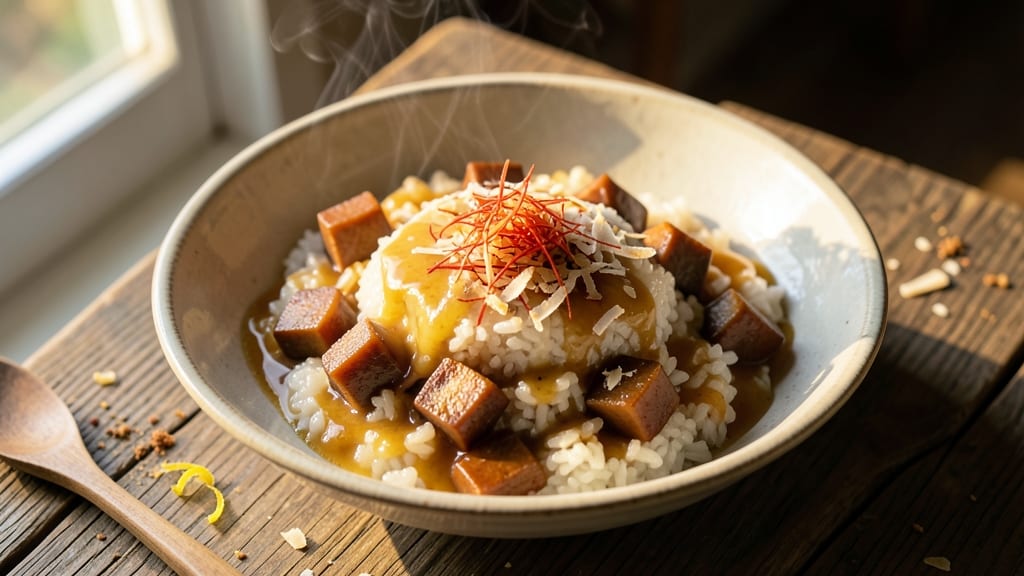
This cassava and glutinous rice recipe delivers a perfect balance of sticky-sweet rice and earthy-crunchy cassava, inspired by Southeast Asian flavors. The combination creates a dish that’s both comforting and vibrant, with cassava adding a satisfying texture that contrasts beautifully with the chewy rice.
Whether served as a dessert or a savory side, this recipe transforms simple ingredients into something extraordinary.
The secret lies in the preparation—steaming the cassava until tender yet firm, then pairing it with perfectly cooked glutinous rice that’s lightly sweetened. This method ensures every bite delivers that harmonious contrast of textures and flavors, making it a standout dish for any occasion.
Ready in about 45 minutes, it’s ideal for those who crave bold, culturally rich meals without the complexity.
Ingredients for cassava and glutinous rice
Simple yet transformative ingredients create this Southeast Asian-inspired dish balancing earthy cassava with sweet, chewy rice.
| Ingredient | Amount | Notes |
|---|---|---|
| Cassava Tubers 🥔 | 1 ½ lb | Peeled, cut into 1-inch cubes |
| Glutinous Rice (Sweet Rice) 🍚 | 2 cups | Uncooked, soaked 4+ hours |
| Full-Fat Coconut Milk 🥥 | 13 ½ oz | Canned, for steaming cassava |
| Coconut Sugar 🍯 | ½ cup | Or substitute brown sugar |
| Fresh Ginger 🧄 | 1 tbsp | Grated, for rice infusion |
| Coconut Oil 🫒 | 2 tbsp | For rice cooking |
| Palm Sugar 🍯 | 2 tbsp | Or additional coconut sugar |
| Salt 🧂 | ½ tsp | Fine sea salt |
| Lime Juice 🍋 | 2 tbsp | Freshly squeezed |
| Toasted Sesame Seeds 🌰 | 1 tbsp | For garnish |
| Toasted Coconut Flakes 🥥 | 2 tbsp | For texture contrast |
| Red Pandan Leaves (optional) 🌿 | 1 whole | For aroma infusion |
| Water 💧 | 1 ½ cups | For rice cooking |
The cassava is the star here—fresh, firm tubers yield the best texture. Look for vibrant, unblemished cassava at Asian markets or specialty grocery stores like Whole Foods. If using pre-peeled cassava, rinse thoroughly to remove excess starch. For the glutinous rice, Thai Kitchen brand is widely available and reliable, though any sweet rice will work. The coconut milk should be full-fat, canned variety—avoid cartons, as they lack the necessary richness for proper steaming. Palm sugar adds depth; if unavailable, coconut sugar or light brown sugar are suitable substitutes, though the flavor will differ slightly.
No coconut sugar? Brown sugar or maple syrup work in a pinch, though palm sugar's caramel notes are ideal. Fresh ginger is preferred, but ground ginger at half the amount suffices. For the red pandan leaves, if unavailable, vanilla extract (1/2 tsp) or pandan extract can mimic the aroma. The cassava cubes should be evenly sized (1-inch)—this ensures consistent cooking. If your cassava arrives pre-cut, soak the cubes in cold water for 10 minutes to remove excess starch, which prevents gumminess during steaming. For the rice, soaking is non-negotiable—it prevents clumping and improves texture.
Steamed cassava keeps 3-4 days in the fridge, while cooked rice stays fresh for 2 days when stored separately. For longer storage, freeze cassava cubes in a single layer before transferring to a bag—up to 3 months. Reheat gently in a steamer or microwave with a damp paper towel. The rice reheats beautifully with a splash of water—never microwave dry. Garnishes like sesame seeds and coconut flakes should be toasted fresh before serving; they lose crunch when stored. Portion into individual containers for easy grab-and-go meals, or serve as a centerpiece for gatherings.
Why You'll Love This Recipe
- No Peel, No Stress: The cassava peels itself when boiled—no stubborn skin fights, just smooth chunks ready to soak up that creamy coconut milk. I swear, I’ve burned my hands peeling regular potatoes for less satisfying results.
- Sweet-Savory Magic: That ginger-coconut sugar caramel glaze? It’s the star. The cassava stays tender while the rice turns sticky-sweet, and the first bite hits like a warm hug—especially when the coconut milk’s richness lingers.
- Meal Prep MVP: Make a big batch on Sunday, and you’ve got breakfast, lunch, or dessert covered. The leftovers reheat beautifully (microwave or pan-fry for crispy edges), and my kids actually ask for this over cereal.
- Budget Luxury: Cassava and glutinous rice stretch further than fancy grains, and full-fat coconut milk makes it feel indulgent without breaking the bank. Honestly, it’s the kind of dish that makes expensive takeout seem unnecessary.
Step-by-step instructions for cassava and glutinous rice preparation
Master the balance of textures and flavors with precise technique and patience.
Prepare the Cassava for Steaming
Begin by peeling the 1.5 lb cassava tubers and cutting them into uniform 1-inch cubes. This size ensures even cooking and consistent texture throughout. Place the cassava cubes in a large bowl and cover them completely with the 13.5 oz full-fat coconut milk. Let them soak for at least 30 minutes—this step prevents the cassava from drying out during steaming and infuses it with rich coconut flavor.
After soaking, drain the cassava cubes and transfer them to a heatproof steamer basket lined with cheesecloth or a clean kitchen towel. This prevents the cassava from sticking to the steamer. Bring a large pot of water to a boil, then reduce to a gentle simmer. Place the steamer basket over the pot, ensuring the water doesn't touch the cassava, and steam for 20-25 minutes until the cubes are tender when pierced with a fork. The cassava should yield slightly but still hold its shape—overcooking will make it mushy.
Infuse and Cook the Glutinous Rice
Drain the 2 cups glutinous rice (sweet rice) thoroughly after its 4+ hour soak—this is critical for achieving the perfect sticky texture. In a medium saucepan, combine the drained rice with the 1.5 cups water, 2 tbsp coconut oil, 1 tbsp grated fresh ginger, and 0.5 tsp salt. Bring the mixture to a boil over medium-high heat, then immediately reduce to a simmer. Cover the pan tightly with a lid and cook for 15 minutes without stirring. The rice will absorb all the liquid and begin to develop a glossy, translucent appearance.
After 15 minutes, gently fold in the 0.5 cup coconut sugar and 2 tbsp palm sugar, distributing them evenly throughout the rice. If the mixture appears too dry, add 1-2 tablespoons of water to maintain moisture. Continue cooking for another 5-7 minutes, stirring occasionally, until the rice reaches a creamy, dough-like consistency. The grains should cling together but still retain a slight resistance when pressed—this indicates the starch has fully gelatinized.
Combine and Finish with Aromatics
While the rice cooks, prepare the pandan infusion by lightly crushing the 1 whole red pandan leaf (optional) between your palms or with a rolling pin. Add it to the 2 tbsp lime juice in a small saucepan and warm gently over low heat for 2-3 minutes—this releases the leaf's fragrant oils without overpowering the dish. Strain the liquid through a fine-mesh sieve to remove any leaf fibers, then set aside.
Once the rice is fully cooked, remove it from the heat and immediately stir in the pandan-lime infusion. The mixture should take on a subtle floral aroma and a bright, citrusy note. Fold in the steamed cassava cubes gently but thoroughly, ensuring each piece is coated in the sticky rice. The contrast between the earthy cassava and sweet, chewy rice is what makes this dish exceptional. For the final touch, sprinkle the 1 tbsp toasted sesame seeds and 2 tbsp toasted coconut flakes over the top, reserving a small amount for garnish.
Serve Immediately for Optimal Texture
Transfer the cassava-rice mixture to a serving dish and let it rest for 5 minutes—this allows the flavors to meld and the textures to set slightly. Garnish with the reserved sesame seeds and coconut flakes, then serve while still warm. The dish should have a glossy sheen from the coconut milk and lime, with the cassava offering a firm yet tender bite against the sticky, sweet rice. For best results, serve immediately, as the texture softens over time. Pair with a light coconut curry or grilled seafood to complement the dish's rich, tropical profile.
Pro Tips For Making Cassava And Glutinous Rice
- PEEL CASSAVA LIKE A PRO: Skip the knife and use a vegetable peeler—it’s faster and safer than hacking away with a paring knife. I learned this the hard way after watching my fingers get bruised from trying to peel cassava with a dull blade. Just be patient and work in sections, leaving a thin skin to avoid bitterness.
- SOAK GLUTINOUS RICE 4 HOURS: Don’t rush the soaking—let that glutinous rice sit in water for at least 4 hours (overnight is even better). I used to cut corners and end up with gummy, uneven grains. The longer it soaks, the creamier the texture when steamed, and it absorbs the coconut milk like a dream.
- LOW AND SLOW STEAMING: Cover the pot with a tight lid and steam on the lowest heat setting you can find—this keeps the cassava tender without turning it mushy. After burning two batches, I finally realized high heat just turns cassava into glue. A slow simmer (20-25 minutes) guarantees perfect doneness every time.
- GINGER: GRATE, DON’T CHOP: Use a fine grater for the ginger—it blends into the coconut milk smoothly without clumps. I was skeptical until I tried it; chopped ginger always leaves those annoying bits that ruin the texture. Freshly grated also adds a subtle heat that balances the sweetness of the coconut sugar.
Pro cooking tips for this dish
Steaming Perfection
Steaming cassava cubes to al dente is crucial—they should be tender but still hold their shape when pierced. I use a bamboo steamer basket lined with cheesecloth to prevent sticking, which is a game-changer for even cooking. If your kitchen lacks a bamboo steamer, a fine-mesh metal strainer works too.
The key is maintaining gentle steam—never let the water touch the cassava, or it’ll turn mushy. For extra flavor, add 1 pandan leaf to the steaming water for a subtle floral aroma. 🌿
Rice Soaking Secrets
Never skip the 4+ hour soak for glutinous rice—this step prevents clumping and ensures a creamy, cohesive texture. I soak mine in cold water with a pinch of salt to enhance flavor. After draining, rinse the rice twice to remove excess starch, which can make the final dish gummy.
For a shortcut, use pre-soaked rice from Asian markets, but expect slightly less chewiness. The rice should feel plump and firm after soaking, not hard or dry.
Sugar Timing Matters
Adding sugar too early can burn the rice, while adding it too late leaves the flavor uneven. I fold in the coconut and palm sugar during the last 5-7 minutes of cooking, stirring gently to distribute it evenly.
For a vegan adaptation, replace palm sugar with maple syrup—just reduce the amount by 20% since it’s more liquid. If the rice seems dry, add 1 tbsp water at a time until it reaches a dough-like consistency.
Overmixing after adding sugar can break the grains, so stir just until combined. ✨
Texture Contrast Tricks
The magic of this dish lies in the cassava-rice contrast—firm yet tender cassava against sticky, sweet rice. To keep cassava from overcooking, steam it just until fork-tender (about 20-25 minutes).
For extra crunch, lightly toast the cassava cubes in a dry pan for 2-3 minutes before mixing with rice. Garnish with toasted sesame seeds and coconut flakes for added texture—these should be toasted fresh to avoid sogginess. Serve immediately for the best bite! 💫
Flavor Layering
Infusing the rice with ginger and pandan elevates the dish from basic to extraordinary. I crush the pandan leaf lightly—just enough to release aroma without bitterness. For a citrusy kick, warm the lime juice with the pandan to deepen its flavor.
If you’re short on time, swap pandan for ½ tsp vanilla extract, though the aroma won’t be as complex. Balance sweetness with a pinch of salt—this enhances all flavors without overpowering. Taste as you go, adjusting sugar or lime to your preference.
Make-Ahead Magic
Steamed cassava keeps 3-4 days in the fridge, while cooked rice lasts 2 days when stored separately. For longer storage, freeze cassava cubes uncooked—they’ll steam faster later. Reheat cassava in a steamer or microwave with a damp paper towel to retain moisture.
Rice reheats best on the stovetop with 1 tbsp water, covered for 3-5 minutes. To repurpose leftovers, shape into rice balls with extra coconut flakes or blend into a creamy dessert sauce with coconut milk. 🔥
Nutrition facts
Frequently asked questions
Why does cassava need soaking in coconut milk before steaming?
The coconut milk soak prevents the cassava from drying out during steaming and adds rich flavor. It also helps tenderize the cubes evenly. Without soaking, the cassava may develop a tough exterior or become gummy.
Can I substitute regular rice for glutinous rice?
No, glutinous rice is essential for this recipe—it has a higher starch content that creates the signature sticky texture. Regular rice will be dry and separate. If you're short on time, use pre-soaked glutinous rice from Asian markets, but expect slightly less chewiness.
How do I know when the cassava is perfectly cooked?
Pierce a cube with a fork—it should be tender but still hold its shape. Overcooked cassava turns mushy. For extra assurance, steam for 20 minutes, then check. The cubes should yield slightly but maintain their edges.
What if I don't have pandan leaves?
Use ½ tsp vanilla extract or ¼ tsp pandan extract for aroma. For a citrusy alternative, add 1 extra tbsp lime juice. These substitutes won't match pandan's complexity, but they'll still enhance the dish.
Can I make this recipe vegan?
Yes! Replace palm sugar with maple syrup (reduce by 20%) and ensure all other ingredients are plant-based. The coconut milk and coconut sugar are already vegan-friendly. For extra richness, add 1 tbsp coconut cream when combining with cassava.