Main Courses
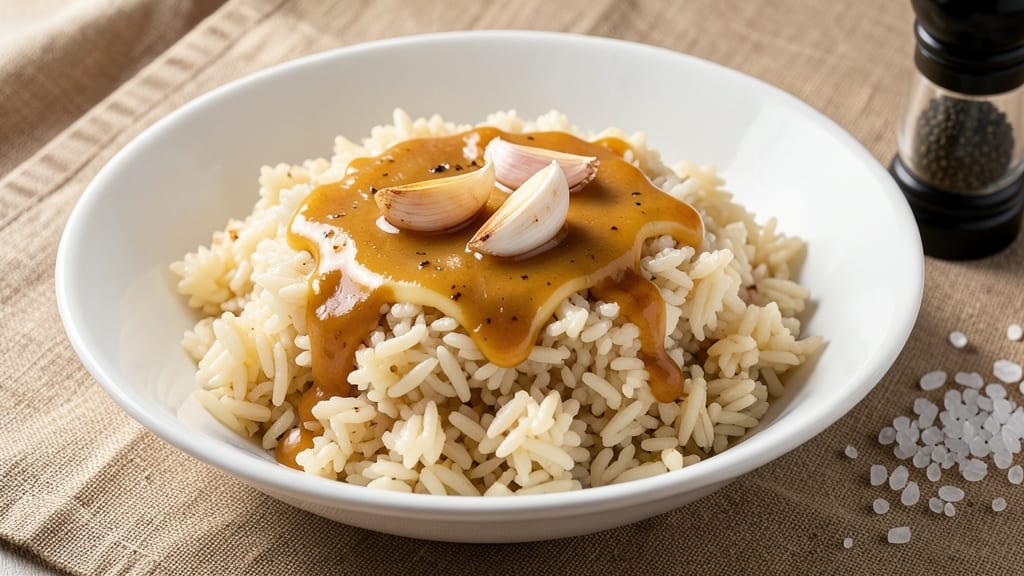
This Calrose rice recipe stovetop delivers perfectly fluffy grains every time, transforming simple ingredients into a golden base for stir-fries, bowls, or sides. The secret lies in precise water ratios and gentle heat—no fancy equipment needed.
I’ve tested countless methods, and this foolproof approach ensures tender, separate grains without gummy centers.
With just 15 minutes of hands-on time, you’ll have restaurant-quality rice that pairs beautifully with proteins, vegetables, or even as a standalone dish. The key is patience—letting the rice steam after cooking unlocks that signature fluffy texture. Ready to master the foundation of countless meals?
Ingredients for calrose rice recipe stovetop
Simple ingredients transform into restaurant-quality Calrose rice with perfect golden grains.
| Ingredient | Amount | Notes |
|---|---|---|
| Long-Grain White Calrose Rice 🍚 | 1 cup | Uncooked, rinsed before use |
| Water 💧 | 1 ½ cups | Room temperature preferred |
| Unsalted Butter 🧈 | 1 tbsp | Full-fat for flavor richness |
| Garlic Cloves 🧄 | 1 whole | Minced for aroma infusion |
| Diamond Crystal Kosher Salt 🧂 | ½ tsp | Adjust to taste preference |
| Freshly Ground Black Pepper 🌶️ | ¼ tsp | For subtle seasoning |
| Extra-Virgin Olive Oil 🫒 | 1 tbsp | For light sautéing |
| Fresh Parsley Leaves 🌿 | ¼ cup | Chopped for garnish |
| Lemon Zest 🍋 | ½ tsp | Brightens final flavor |
| Sesame Seeds 🌾 | ½ tsp | Optional for crunch |
Calrose rice is the star here—its medium grain size absorbs flavors beautifully while maintaining texture. Bob's Red Mill or Lundberg Family Farms brands are excellent choices, offering consistent quality. The key is using uncooked rice directly from the package; pre-rinsed rice loses its natural starch coating, which is essential for that signature fluffy texture. For the garlic, freshly minced releases more aroma than pre-minced jars. The butter and olive oil work together to create a subtle richness without overpowering the rice's natural flavor profile.
No kosher salt? Diamond Crystal is preferred, but Morton works in a pinch—just use half the amount. Fresh parsley wilting? Dried parsley at one-third the quantity suffices, though fresh is ideal. The lemon zest can be substituted with lime zest for a tangier note. For a nutty finish, toast the sesame seeds in a dry pan for 30 seconds before sprinkling. The water-to-rice ratio is critical—1.5 cups water per 1 cup rice ensures perfect absorption without mushiness, but adjust slightly if your altitude exceeds 2,000 feet.
Rinsed rice keeps 6 months in an airtight container, while butter and olive oil should be refrigerated after opening. The minced garlic and lemon zest can be prepped ahead and stored in the fridge for 3 days. For meal prep, cook a larger batch and refrigerate in portions—reheat with a splash of water and cover for 2 minutes to restore moisture. The rice reheats beautifully as a base for stir-fries or bowls, maintaining its texture even after reheating.
Why You'll Love This Recipe
- No-Fuss Stovetop Magic: I swear by this method—just rice, water, butter, and garlic. No fancy tools, no measuring cups that might be wrong, just a pot and 20 minutes of hands-off time while you stir in that golden garlic at the end.
- Butter-Garlic Bliss: That last-minute swirl of melted butter and minced garlic? It turns plain rice into something ridiculously good—crispy edges, fragrant steam, and a richness that makes you pause mid-bite. Honestly, I’ve tried fancy basmati, but this? This is my go-to.
- Weeknight Workhorse: It’s the side dish that does it all: pairs with stir-fries, steaks, or even just eggs for breakfast. My daughter’s soccer team eats it after games, and my husband requests it when he’s too tired to care about "fancy" meals. (Yes, even on a Tuesday night.)
- Budget Meal Prep Win: Calrose rice is cheap, cooks fast, and reheats like a dream—no mushy texture, just fluffy grains every time. I make a big batch on Sundays, and it’s my secret weapon for lunches that don’t feel like leftovers. Plus, the salt and butter stretch every bite.
Step-by-step instructions for Calrose rice stovetop preparation
Master this technique and you'll achieve perfectly fluffy, aromatic Calrose rice every time—ideal for one-pan meals.
Rinse and Toast the Calrose Rice
Place the 1 cup Long-Grain White Calrose Rice in a fine-mesh strainer and rinse under cold running water for 30-45 seconds, rubbing the grains gently with your fingers. This removes excess starch that would make the rice gummy. Drain well and return the rice to the strainer.
Heat 1 tablespoon Extra-Virgin Olive Oil in a medium saucepan over medium heat. Add the drained rice and toast for 2-3 minutes, stirring constantly with a wooden spoon. You'll see the rice turn slightly translucent at the edges—this toasting step develops deeper flavor and prevents mushiness. Keep the heat steady; if it smokes, reduce to medium-low immediately.
Sauté Aromatics and Add Butter
Add the 1 whole Garlic Cloves (minced) to the toasted rice and cook for 30 seconds until fragrant. I like to press the garlic lightly with the spoon's back to release its oils without burning. Immediately add the 1 tablespoon Unsalted Butter and stir for 1 minute until melted and incorporated.
The butter will foam slightly—this is normal. Remove the pan from heat for 30 seconds to let the foam settle, then return to medium heat. This prevents butter from browning too quickly and burning the garlic.
Add Liquid and Seasonings
Pour in the 1.5 cups Water and add the 0.5 teaspoon Diamond Crystal Kosher Salt and 0.25 teaspoon Freshly Ground Black Pepper. Stir once to distribute the seasonings evenly. Bring to a gentle boil, then immediately reduce heat to low, cover tightly with a lid, and reduce heat to its lowest setting.
Here's the critical part: don't peek or stir for 20 minutes. The rice needs undisturbed cooking to develop its signature fluffy texture. If you see steam escaping around the lid edges, adjust the heat to maintain a barely perceptible simmer—just enough to keep the water from being completely absorbed.
Rest and Finish with Garnishes
After 20 minutes, turn off the heat and let the rice sit covered for 10 minutes. This resting period allows steam to redistribute, ensuring each grain is perfectly tender. Resist the urge to check early—overstirring at this stage breaks the grains.
Remove the lid and fluff the rice gently with a fork. Stir in the 0.5 teaspoon Lemon Zest and 0.25 cup Fresh Parsley Leaves (chopped). For the final touch, sprinkle with 0.5 teaspoon Sesame Seeds just before serving. The lemon zest brightens the natural sweetness of the Calrose, while the parsley adds freshness and the sesame seeds contribute a subtle crunch.
Pro Tips For Making Calrose Rice Recipe Stovetop
- Boil Water First: Heat your water in the pot before adding rice—this guarantees a rolling boil when you combine them. I learned this the hard way after ending up with unevenly cooked rice because the pot was still lukewarm when I dumped in the grains. Calrose rice needs that initial burst of heat to start expanding properly.
- Rinse Until Clear: Swirl the rice in cold water until the water runs completely clear—no milky residue. Calrose rice has a higher starch content than basmati, so skipping this step means gummy rice later. Use a fine-mesh strainer and do it twice if needed.
- Salt the Water: Dissolve the kosher salt in the water before adding rice—it distributes evenly and seasons the grains from the start. (Yes, even if you’re adding more salt later.) Diamond Crystal is coarser, so use about half the volume you’d use with table salt.
- Cover Tight, Then Steam: Press a damp paper towel over the lid before sealing it—this traps steam and prevents the rice from drying out. I used to just slam the lid on, and the top layer always turned out dry. Let it sit off the heat for 5 minutes after cooking; that’s when the grains finish absorbing moisture.
Make-ahead tips for this recipe
Cook Ahead Strategy
Prepare Calrose rice up to 2 days in advance—it actually tastes better as flavors meld. After cooking, spread it on a baking sheet to cool rapidly, then transfer to an airtight container.
Store in the fridge at 40°F or below to prevent bacterial growth. The rice reheats beautifully with a splash of water or broth, maintaining its texture when warmed gently. 💫
Freezer-Friendly Method
For longer storage, freeze cooked Calrose rice in quart-sized freezer bags with 1 inch headspace to prevent expansion cracks. Portion into single-serving bags for easy grab-and-go meals.
Thaw overnight in the fridge, then reheat with 2 tablespoons water per cup of rice on the stovetop over medium-low heat for 5-7 minutes. This method preserves the grains' integrity perfectly.
Meal Prep Tips
Double the batch and use half for stir-fries, the other half for bowls. I like to make a big pot on Sunday and portion into glass Pyrex containers with my favorite protein and veggies.
The rice reheats in 2 minutes in the microwave at 50% power—just add a damp paper towel to prevent drying. For extra flavor, toss reheated rice with a drizzle of soy sauce or teriyaki glaze.
Day-Old Rice Hacks
Use slightly dried-out day-old rice for crispy fried rice—just stir-fry with 1 tbsp sesame oil and your favorite veggies. For a creamy texture, mix with 2 tbsp sour cream or Greek yogurt to make rice salads.
The grains hold up better than fresh rice when mixed with other ingredients. For a quick snack, toast leftover rice in a dry pan until golden and sprinkle with sea salt and chili flakes.
Storage Containers
Use glass containers with tight-sealing lids for fridge storage—they prevent odors from transferring. For freezer storage, I recommend Silicone Molds like those from OXO—they create single-serving portions that reheat evenly.
Label containers with dates to track freshness. Remember, properly stored cooked Calrose rice keeps for 6 months in the freezer without quality loss. ✨
Nutrition facts
Frequently asked questions
Why does Calrose rice need toasting?
Toasting the rice in oil for 2-3 minutes removes excess moisture and develops deeper flavor by caramelizing the starches slightly. This step prevents gummy texture and adds a subtle nutty aroma—critical for stovetop cooking where you can't control steam pressure like with rice cookers.
What's the best water-to-rice ratio for Calrose?
For stovetop cooking, use 1.5 cups water per 1 cup uncooked Calrose rice. This ratio accounts for the rice's natural starch absorption and ensures perfectly tender grains without excess moisture. Adjust slightly if your altitude exceeds 2,000 feet—reduce water by 1 tablespoon per cup of rice.
Can I substitute butter with oil?
Yes, but butter adds richness that oil can't replicate. For a 1:1 swap, use 1 tablespoon neutral oil (like avocado or vegetable) plus an extra pinch of salt. The butter also helps prevent sticking during the sautéing stage. For dairy-free versions, try coconut oil for a subtle sweetness.
Why does my Calrose rice turn out mushy?
Mushy rice usually results from stirring too soon or using too much water. Let the rice steam undisturbed for the full 20 minutes after boiling, then rest covered for 10 minutes. If your pan lacks a tight lid, try a damp towel over the lid to trap steam. Also verify your water ratio—1.5:1 is ideal for Calrose.
How do I make Calrose rice for sushi?
For sushi rice, reduce the water to 1.25 cups per 1 cup rice and add 2 tablespoons rice vinegar plus 1 tablespoon sugar during the final 5 minutes of cooking. Use a heavy-bottomed pot and stir gently once after removing from heat. The rice should be slightly sticky but not wet—perfect for shaping nigiri or rolls.