Main Courses
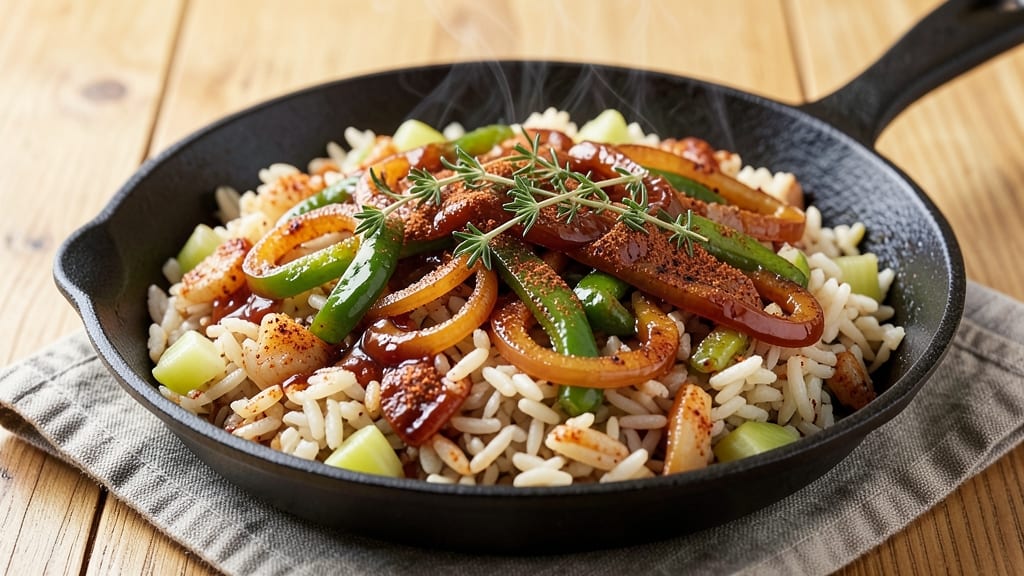
This Cajun red rice recipe delivers the bold, smoky flavors of Louisiana in every aromatic grain—no shortcuts, just deep-rooted tradition. The secret lies in a slow simmer of cayenne, paprika, and garlic that transforms long-grain rice into a spice-packed masterpiece with tender, slightly sticky texture. I developed this version after years of perfecting the balance between heat and depth, ensuring each bite carries that unmistakable Cajun soul.
What sets this apart is the one-pan method that builds flavor layer by layer—sautéed onions and garlic form the foundation, while the trinity of Cajun spices infuses the rice with warmth and complexity.
Serve it alongside grilled shrimp, chicken, or sausage for a complete Louisiana feast, or enjoy it as a standalone side that steals the show. The result is restaurant-quality red rice with minimal effort, proving that authentic flavor doesn't require complicated techniques.
Ingredients for cajun red rice
These fourteen ingredients transform ordinary rice into a restaurant-quality Cajun masterpiece.
| Ingredient | Amount | Notes |
|---|---|---|
| Long-Grain White Rice 🍚 | 2 cups | Uncooked, medium grain preferred |
| Yellow Onions 🧅 | 1 whole | Medium, thinly sliced |
| Garlic Cloves 🧄 | 4 cloves | Fresh, minced finely |
| Cayenne Pepper 🌶️ | 1 tsp | Adjust for heat preference |
| Smoked Paprika 🌶️ | 1 tbsp | For authentic smoky depth |
| Dried Thyme 🍃 | 1 tsp | Or 1 tbsp fresh thyme leaves |
| Dried Oregano 🍃 | 1 tsp | Mexican oregano preferred |
| Kosher Salt 🧂 | 1 ½ tsp | Diamond Crystal preferred |
| Ground Black Pepper 🌶️ | ½ tsp | Freshly ground preferred |
| Chicken Broth 💧 | 2 cups | Low-sodium preferred |
| Extra-Virgin Olive Oil 🫒 | 2 tbsp | For sautéing foundation |
| Tomatoes 🍅 | 1 whole | Medium, diced (San Marzano preferred) |
| Green Bell Pepper 🧅 | ½ whole | Diced, optional for freshness |
| Celery Stalks 🥬 | 2 whole | Diced, for classic trinity |
The foundation begins with San Marzano tomatoes and the classic Cajun trinity of onions, celery, and bell pepper—these form the aromatic base that carries the spices. For the best tomatoes, grab a can of San Marzano from Whole Foods or your local Italian market; their sweetness balances the heat perfectly. The smoked paprika is non-negotiable here—Penzeys or McCormick Gourmet deliver the authentic Louisiana smokiness. Fresh thyme is ideal, but the dried version works at one-third the amount if that's what you have. The rice? Mahatma or Calrose grains hold up best to the long cooking time without turning mushy.
No smoked paprika? Substitute a mix of regular paprika and a pinch of liquid smoke—it's a game-changer for that campfire flavor. Short on chicken broth? Vegetable broth works equally well, just add a splash of soy sauce for umami depth. The cayenne can be adjusted to taste—start with half the amount if you're sensitive to heat, then add more as you simmer. For an extra layer of complexity, some cooks add a bay leaf (remove before serving) or a dash of Worcestershire sauce (ensure it's vegetarian if needed). The green bell pepper is optional but adds a welcome freshness that brightens the dish.
This rice tastes even better the next day as flavors meld further. Store leftovers in an airtight container for up to 5 days in the fridge, or freeze for 3 months in portions. For meal prep, cook a double batch—the extra rice reheats beautifully alongside grilled proteins or in fried rice. The spices lose potency over time, so if you're not using all the cayenne or paprika within a month, transfer them to a cool, dark cabinet in an airtight jar to preserve their punch.
Why You'll Love This Recipe
- One-Pot Magic: I swear by this recipe—just rice, onions, garlic, and those two spices (cayenne and smoked paprika) simmering together. No extra bowls, no fuss, and the rice soaks up all that smoky, spicy goodness like a dream. Honestly, I make it when I’m too tired to wash another pan.
- Smoky-Spicy Kick: That first bite? The paprika’s warmth and the cayenne’s little zing wake up your taste buds. The onions caramelize just enough to add sweetness, balancing the heat—it’s the kind of flavor that lingers but doesn’t overpower. (Yes, even on a Tuesday night.)
- Meal Prep MVP: This rice reheats like a champ—no drying out, no weird textures. I make a big batch on Sundays, toss it in containers, and it’s my go-to for lunches all week. Add it to wraps, serve it with grilled chicken, or eat it straight from the pot. It’s that reliable.
- Budget-Friendly Staple: Long-grain rice is cheap, and these spices stretch far. A single batch feeds four for under $3, and the leftovers? Even better the next day. Between us, this is the kind of recipe that makes grocery shopping feel less stressful.
Step-by-step instructions for Cajun red rice
Master this Louisiana classic with a method that builds deep, smoky flavor layer by layer.
Develop the Cajun Trinity Foundation
Heat the 2 tablespoons extra-virgin olive oil in a heavy-bottomed skillet or Dutch oven over medium heat. Add the diced yellow onions, diced celery stalks, and diced green bell pepper (the classic "holy trinity"). Cook for 8-10 minutes until the vegetables soften and begin to caramelize at the edges, releasing their natural sweetness.
The key here is patience—don't rush this step. You want the vegetables to develop a golden hue and lose their raw bite. This foundational flavor carries through the entire dish. I like to stir occasionally but not constantly, allowing the vegetables to develop a light crust in spots. This is where the authentic Cajun depth begins.
Build the Spice Base
Add the finely minced 4 cloves garlic and cook for 30 seconds until fragrant but not browned. Immediately stir in the 1 tablespoon smoked paprika, 1 teaspoon dried thyme, 1 teaspoon dried oregano, 1 teaspoon cayenne pepper, 1.5 teaspoons kosher salt, and 0.5 teaspoon ground black pepper. Cook for 1 minute, stirring constantly, until the spices are aromatic and the paprika develops its characteristic smoky aroma.
Here's where the magic happens: the spices toast slightly, releasing their essential oils that will infuse every grain of rice. I always taste at this stage to adjust seasoning—this is your chance to dial up the heat with more cayenne or balance with additional salt. The spices should coat the vegetables evenly, creating a fragrant paste that will serve as the flavor backbone for your rice.
Toast the Rice for Maximum Flavor
Add the 2 cups long-grain white rice and stir vigorously for 2 minutes until each grain is thoroughly coated with the spice mixture. This step, called "toasting" or "blooming" the rice, develops the characteristic nutty flavor of Cajun red rice. The rice should look dry but glisten slightly from the oil.
Don't skip this crucial step—it's what gives authentic Cajun red rice its distinctive flavor profile. I press down gently on the rice with a wooden spoon during the first minute to ensure even contact with the spice mixture. You'll see the rice begin to look slightly translucent at the edges—that's your signal that the starches are activating and absorbing all those beautiful spices.
Deglaze and Simmer
Pour in the 2 cups chicken broth and add the diced tomatoes. Stir once to distribute everything evenly, then bring to a gentle simmer. Reduce heat to low and cover the skillet with a tight-fitting lid. Let the rice cook undisturbed for 20 minutes. During this time, the rice will absorb the liquid and begin to develop its characteristic firm yet tender texture.
This is where the one-pan magic happens. The broth should be completely absorbed by the 20-minute mark. If you peek and see liquid remaining, cover and cook for another 5 minutes. The rice should be tender but still slightly firm to the tooth—it will continue cooking slightly off the heat. The tomatoes should break down into the rice, adding natural sweetness and acidity that balances the spices.
Rest and Fluff for Perfect Texture
Remove the skillet from heat and let it sit covered for 5 minutes. This resting period allows the residual heat to finish cooking the rice evenly and redistribute the juices throughout each grain. Then, using a fork, gently fluff the rice from the bottom up, being careful not to mash the grains. The rice should be separate but still hold its shape—each grain should be distinct with a slight sheen from the olive oil.
Here's the professional touch: I like to press down on the rice with a spatula after fluffing to release any trapped steam, which helps achieve that signature "red" color from the tomato and spices. The finished rice should have a vibrant hue from the spices and a subtle pink tint from the tomatoes. Serve immediately while still warm, allowing the aroma to fill your kitchen—this is when your Cajun red rice truly shines.
Pro Tips For Making Cajun Red Rice
- TOAST THE SPICES FIRST: I learned this the hard way—skipping the quick toast for smoked paprika and cayenne just makes the rice taste like dust. Heat them in the same pot you’ll cook the onions in for 30 seconds until fragrant. That’s when the real flavor wakes up.
- SWIM THE RICE: Don’t just dump rice into broth and stir. Rinse the long-grain white rice first, then let it soak in the hot liquid for 5 minutes before simmering. This guarantees even cooking and prevents that dreaded crunchy bite—yes, even if you’re impatient like me.
- SWEAT THE ONIONS LOW: Cranking the heat to caramelize onions fast? You’ll burn the garlic and paprika before the onions even soften. Keep it at medium-low, stirring often, until the onions are translucent but not browned. Patience here means deeper flavor later.
- SALTY BROTH MATTERS: Unsalted chicken broth? Add an extra ½ teaspoon of salt per cup—Cajun rice needs bold seasoning. I skip this and end up wishing for more heat. Trust me, the rice absorbs flavor like a sponge, so don’t hold back.
Wine and beer pairings for this dish
Bold Reds with Zinfandel
Cajun red rice's smoky, spicy depth pairs beautifully with bold red wines that can stand up to the heat. A Louisiana Zinfandel from the local vineyards near New Orleans is my go-to—its dark fruit and peppery notes mirror the dish's cayenne and smoked paprika.
For a more accessible option, Caymus Cabernet Sauvignon from Napa Valley delivers rich blackberry flavors that complement the rice's complexity. Serve slightly chilled (60-65°F) to refresh your palate between spicy bites. 🍷
Crisp Whites for Balance
If you prefer white wine, a dry Riesling from Germany cuts through the richness with its bright acidity and citrus notes. Look for Dr. Loosen Blue Slate—its mineral finish cleanses your palate between each flavorful mouthful.
Alternatively, a Sauvignon Blanc from New Zealand, like Cloudy Bay, brings herbal notes that harmonize with the thyme and oregano in the rice. Chill these to 45-50°F for optimal enjoyment.
Craft Beer Pairings
For beer lovers, a hoppy IPA like Abita Turbodog (Louisiana's own) works surprisingly well—the citrusy hops balance the cayenne's heat while the malt backbone complements the rice's smoky depth.
If you prefer something lighter, a Belgian Witbier such as Allagash White offers a refreshing contrast with its coriander and orange peel notes. Serve both at 45-50°F to enhance their crispness against the warm spices. 🍺
Non-Alcoholic Options
Don't overlook sparkling water infused with rosemary and lemon—the herbal notes echo the thyme in the rice while the effervescence cleanses your palate. For a more substantial option, try San Pellegrino Aranciata, a blood orange soda that adds a sweet-tart contrast to the spicy dish.
Both options work best served ice-cold to balance the rice's warmth.
Regional Louisiana Pairings
For an authentic Louisiana experience, pair your Cajun red rice with a local craft cocktail like a Sazerac (rye whiskey, absinthe, sugar, and bitters) or a Hurricane (rum, fruit juices, and grenadine).
The sweetness of the Hurricane tempers the cayenne, while the herbal notes of the Sazerac complement the thyme and oregano. These drinks are best served over ice to maintain their refreshing qualities.
Coffee as a Finisher
End your meal with a bold, dark roast coffee like Café du Monde blend—its rich, chocolatey notes provide a satisfying finish that echoes the depth of the smoked paprika.
For an iced option, try Chock Full o' Nuts cold brew with a splash of half-and-half to smooth out the heat from the cayenne. Serve coffee at room temperature or chilled to let its full flavor shine.
Nutrition facts
Frequently asked questions
Why does my Cajun red rice turn out mushy?
Mushy rice usually happens from overcooking or using the wrong rice type. Stick to long-grain white rice like Mahatma or Calrose, and never stir the rice after adding liquid—this breaks the grains. The 20-minute covered simmer on low heat is critical, and the rice should be tender but still slightly firm when done. If you peek and see liquid remaining, cook 5 more minutes uncovered to evaporate excess moisture.
Can I make this recipe vegetarian?
Simply swap the chicken broth for vegetable broth and add 1 tablespoon soy sauce for umami depth. The tomatoes, bell pepper, and celery already provide plenty of vegetable flavor. For extra richness, stir in 1 tablespoon tomato paste with the spices. The dish will still deliver that signature Cajun warmth without any meat.
How do I adjust the heat level?
The cayenne is the main heat source, so start with 1 teaspoon and taste before serving. For milder heat, reduce to ½ teaspoon or swap it for ½ teaspoon sweet paprika. If you love spice, add ¼ teaspoon cayenne per serving after cooking. The smoked paprika adds depth without heat, so keep that amount at 1 tablespoon for authentic flavor.
What's the best way to reheat leftovers?
Reheat in a skillet over medium-low heat with 1 tablespoon chicken broth or water per cup of rice, stirring occasionally for 5-7 minutes. The steam prevents drying. Microwaving works too—cover with a damp paper towel and heat in 1-minute intervals, stirring between each. Leftovers actually improve as flavors meld, so this dish tastes even better the next day!
Can I make this in an Instant Pot?
Yes! Sauté the trinity (onions, celery, bell pepper) for 5 minutes in the Instant Pot, then add garlic and spices. Stir in rice and broth, seal the lid, and cook on high pressure for 4 minutes. Let pressure release naturally for 10 minutes, then fluff with a fork. The Instant Pot version cooks faster but may need 1 extra tablespoon broth to prevent sticking.