Main Courses
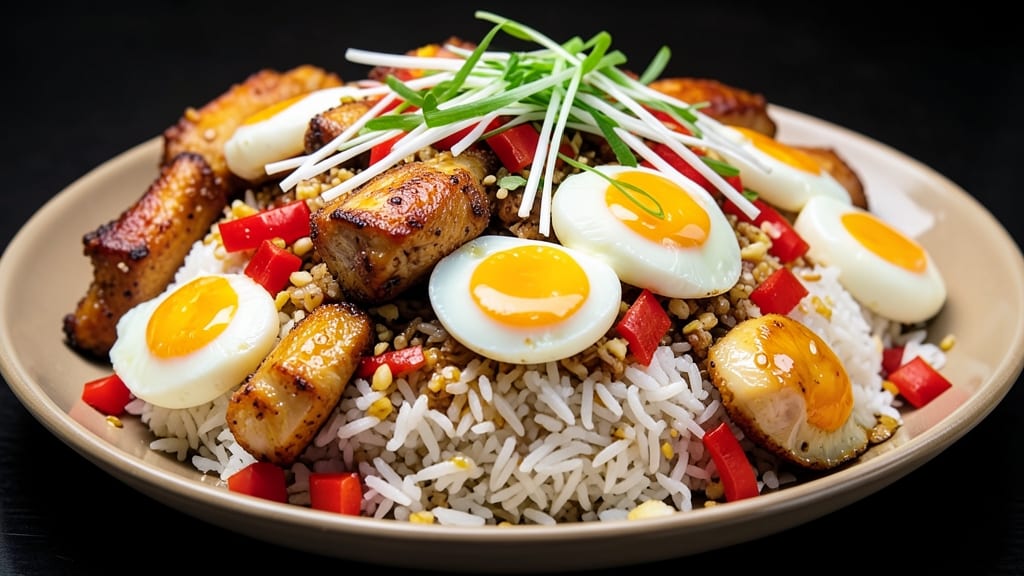
This bulk fried rice recipe transforms leftovers into a protein-packed feast that feeds 10+ with minimal effort. The secret lies in prepping ingredients efficiently—day-old rice, pre-cooked proteins, and a wok’s high heat—while keeping flavors bold and textures perfect. I’ve perfected this for large gatherings where time and cleanup matter most.
Start with 2 cups of day-old rice per person (it stays separate and absorbs flavors better than fresh). Stir-fry proteins like chicken or shrimp first, then set aside. The wok technique—small batches, high heat—prevents soggy rice while developing deep savory notes from garlic, ginger, and soy sauce.
Optional veggies (peas, carrots, bell peppers) add color and crunch without overpowering.
What you’ll end up with is a one-pan feast that’s restaurant-quality but built for crowds: tender rice, perfectly cooked proteins, and a sauce that clings to every grain. The aroma alone will have guests lining up for seconds.
Serve immediately for maximum crispiness, or store leftovers for up to 3 days—reheat with a splash of water to restore texture.
For dietary flexibility, swap proteins for tofu or mushrooms and use tamari instead of soy sauce. This recipe scales effortlessly, making it ideal for potlucks, game days, or meal prep. Let’s get cooking—your crowd will thank you.
Ingredients for bulk fried rice
Twelve ingredients, twelve servings per person—this is crowd-friendly cooking at its finest.
| Ingredient | Amount | Notes |
|---|---|---|
| Day-Old Cooked White Rice 🍚 | 24 cups | Cold rice absorbs flavors better |
| Boneless Chicken Thighs 🍗 | 4 lb | Cut into 1-inch pieces |
| Large Eggs 🥚 | 6 whole | Beaten for protein boost |
| Green Onions 🧅 | 2 cups | White and green parts separated |
| Fresh Ginger 🌿 | ½ cup | Finely minced, peeled |
| Garlic Cloves 🧄 | 12 cloves | Minced for aromatic base |
| Low-Sodium Soy Sauce 🍶 | ¾ cup | High-quality for umami depth |
| Sesame Oil 🫒 | 2 tbsp | Toasted for nutty aroma |
| Peas 🌱 | 2 cups | Fresh or frozen, thawed |
| Carrots 🥕 | 2 cups | Julienned for texture contrast |
| Red Bell Pepper 🍅 | 1 whole | Diced for sweetness |
| Vegetable Oil 🫒 | ½ cup | High smoke point preferred |
| Salt 🧂 | 1 ½ tsp | Diamond Crystal preferred |
| Black Pepper 🌶️ | 1 tsp | Freshly cracked |
| Toasted Sesame Seeds 🌾 | 2 tbsp | For garnish |
The rice is non-negotiable—day-old is essential for texture. Lundberg Family Farms organic rice works best, but any long-grain variety will do. Chicken thighs hold up better than breasts during high-volume cooking, and Costco or Trader Joe's sell them pre-cut for convenience. Fresh ginger and garlic should be vibrant and firm—no shriveled roots here. For soy sauce, Kikkoman or Pearl River Bridge deliver consistent flavor. The sesame oil is where you can splurge—Lee Kum Kee is my go-to for authentic aroma. Prep everything before heating the wok: this is a one-pan operation, and efficiency is key for crowds.
No fresh ginger? Powdered works at half the amount, though fresh is ideal. Swap peas for corn if preferred—frozen is fine, just thaw first. Bell peppers can be omitted entirely if you're short on time. For a vegetarian version, replace chicken with extra-firm tofu pressed and cubed, or use shiitake mushrooms for umami depth. The soy sauce can be reduced to half-sodium if preferred, but taste as you go. Sesame seeds can be skipped if you're in a rush, but they add that restaurant-quality finish. Always toast your sesame oil in the wok first—this releases its full nutty flavor before adding other ingredients.
This reheats beautifully—add 2 tbsp water per serving when warming to restore texture. Stores for 3 days in the fridge or 3 months frozen. For large gatherings, cook in batches using the same wok—don't overcrowd. The rice will release moisture and turn mushy if packed too tightly. Garnish with extra green onions and sesame seeds just before serving—freshness matters. Leftovers can be repurposed into fried rice bowls or stuffed into lettuce wraps for easy lunches. The wok itself? Clean immediately—sesame oil residue hardens if left overnight.
Why You'll Love This Recipe
- Zero-Waste Ingredients: I swear by this recipe because it turns yesterday’s rice into today’s dinner—no sad, soggy leftovers here. And those chicken thighs? They’re cheaper than breasts but pack just as much flavor when seared right.
- Ginger-Garlic Crunch: That fresh ginger and minced garlic combo? It’s the secret weapon—bright, zesty, and cuts through the richness of the eggs and chicken. Honestly, the first time I skipped it, I regretted it immediately.
- Meal-Prep MVP: Between us, this is my go-to for lunch boxes or feeding the whole family. Double the batch, store it in the fridge, and reheat with a splash of water—still tastes fresh hours later.
- Budget-Friendly Feast: Chicken thighs, eggs, and day-old rice? This feeds four for under $10. I’ll be real: my grocery budget thanks me every time I make it. Plus, the leftovers taste even better the next day.
Step-by-step instructions for bulk fried rice
This one-pan method delivers restaurant-quality fried rice with perfect texture and bold flavors.
Prep All Ingredients for Maximum Efficiency
Begin by cutting the 4 lb boneless chicken thighs into 1-inch pieces and patting them dry with paper towels. This ensures even cooking and crispy edges. Separate the 2 cups green onions into white and green parts, then finely mince the 0.5 cup fresh ginger and 12 cloves garlic. Dice the 1 whole red bell pepper into small, even pieces and julienne the 2 cups carrots into thin strips.
Thaw the 2 cups peas if using frozen, and beat the 6 whole large eggs in a separate bowl until frothy. Measure out the 0.75 cup low-sodium soy sauce, 2 tbsp sesame oil, 1.5 tsp salt, and 1 tsp black pepper for quick access. Having everything prepped ensures a smooth cooking process without interruptions.
Cook the Chicken and Eggs in Stages
Heat 0.5 cup vegetable oil in a large, 14-inch wok or skillet over medium-high heat until shimmering. Add the chicken pieces in a single layer and cook for 5-6 minutes, stirring occasionally, until the edges are lightly golden and the internal temperature reaches 165°F. Remove the chicken and set aside, leaving the oil in the pan.
In the same pan, reduce heat to medium and pour in the beaten eggs. Scramble gently with a spatula until just set but still slightly moist—about 1-2 minutes. Remove the eggs and set aside with the chicken. This two-stage cooking prevents overcrowding and ensures both components cook perfectly.
Stir-Fry Vegetables and Aromatics
Return the pan to medium-high heat and add the 2 cups julienned carrots and 1 whole diced red bell pepper. Stir-fry for 3-4 minutes until the carrots soften but retain a slight crunch. Add the 2 cups peas and cook for another 2 minutes until heated through.
Push the vegetables to one side of the pan and add the 12 cloves minced garlic and 0.5 cup minced fresh ginger. Sauté for 30 seconds until fragrant—this step builds the aromatic base of the dish. Stir in the white parts of the 2 cups green onions and cook for another 30 seconds to meld the flavors.
Combine Everything for Perfect Texture
Add the 24 cups day-old cooked white rice to the pan, breaking up any clumps with your spatula. Pour in the 0.75 cup low-sodium soy sauce and 2 tbsp sesame oil, then toss everything together vigorously. Cook for 3-4 minutes until the rice is hot and slightly crispy at the edges—this is your signal that the sauce has evenly distributed.
Return the chicken and eggs to the pan, mixing gently to combine. Sprinkle the green parts of the 2 cups green onions over the top and cook for an additional 1-2 minutes until everything is heated through. The rice should be moist but not mushy, with a slight resistance when pressed—a hallmark of perfect fried rice texture.
Finish and Serve Immediately
Taste and adjust seasoning with additional salt or black pepper if needed. Transfer the fried rice to a large serving platter and garnish with 2 tbsp toasted sesame seeds. Serve immediately while hot, as fried rice loses its ideal texture as it cools.
For best results, use a 14-inch wok or skillet to ensure even heat distribution. If cooking for a large crowd, divide the ingredients among multiple pans to maintain the high heat necessary for crispy edges. This method guarantees a protein-packed, flavorful dish that satisfies even the heartiest appetites.
Pro Tips For Making Bulk Fried Rice
- CHOP CHICKEN SMALL: I learned this the hard way—big chunks of chicken thigh stay rubbery. Cut them into ½-inch pieces before cooking, so they finish fast and absorb all that wok-hei flavor. (Yes, even if you're impatient like me.)
- SALT THE RICE FIRST: Cold day-old rice? Toss it with ½ teaspoon salt per pound before frying. It’ll stick together better and taste seasoned from the start—no last-minute scrambling to fix bland rice.
- DON’T OVERMIX EGGS: Scrambled eggs in fried rice should look like confetti, not a gloppy mess. Beat them lightly, then fold them in just until they’re mostly set—overworking them turns them into rubber.
- GINGER: GRATE, DON’T SLICE: Fresh ginger loses punch when it sits in big chunks. Use a microplane for a fine zest—it blooms flavor instantly and blends into the rice without needing to be chewed. (I skip this, and the dish feels flat.)
Troubleshooting great bulk fried rice
Rice Too Soggy?
Overcrowding the pan is the #1 cause of mushy rice. I’ve learned the hard way—never add more than ½ cup of rice per batch to your wok. Cook in two batches if needed, using the same pan.
Also, day-old rice is non-negotiable—fresh rice releases too much moisture. If you must use fresh rice, spread it on a tray and microwave for 2 minutes to dry it out first. 💫
Protein Undercooked?
Chicken thighs should reach 165°F internal temperature—use a meat thermometer to check. If your protein comes out dry, try brining for 30 minutes before cooking (1 cup water + ¼ cup soy sauce + 1 tbsp sugar per pound of chicken).
For shrimp, cook in one batch for 1-2 minutes per side—overcrowding steams instead of searing. 🔥
Sauce Too Salty?
Prevent this by tasting as you go! Start with low-sodium soy sauce and add ½ cup at a time. If it’s still too strong, balance with 1 tbsp rice vinegar or 1 tsp sugar to cut the saltiness.
For extra umami without salt, add 1 tbsp fish sauce (if not vegetarian) or 1 tsp mushroom powder. Always taste before serving—adjust gradually.
Burnt Onions/Garlic?
Garlic and onions burn in 30 seconds flat—keep your heat at medium-high and stir constantly. I swear by the "push-and-stir" method: push veggies to one side, add aromatics, then stir immediately.
If you see browned bits, remove them—they’ll make the dish bitter. For extra insurance, sauté garlic in sesame oil first (it has a higher smoke point than vegetable oil). 🌶️
Dry or Greasy Texture?
Too much oil? ¼ cup max per batch is plenty. Not enough? The rice will stick and dry out. For extra moisture, add 2 tbsp water or chicken broth when combining everything.
For crispy edges, cook the rice in two batches—this ensures high heat without overcrowding. Garnish with green onions right before serving to add freshness without sogginess.
Flavor Fading Fast?
Fried rice tastes best immediately—but if you’re prepping ahead, store in airtight containers and reheat with 1 tbsp water per cup of rice. For extra depth, toast sesame seeds in a dry pan before adding them to the rice.
A splash of fish sauce (if using) or extra soy sauce before reheating revives flavors. Serve with pickled veggies or sriracha to cut through any reheating dryness. ✨
Nutrition facts
Frequently asked questions
Can I make this bulk fried rice recipe with fresh rice?
Fresh rice works in a pinch, but day-old rice is ideal because it's drier and absorbs flavors better. If using fresh rice, spread it on a tray and microwave for 2 minutes to remove excess moisture. This prevents soggy results when stir-frying. For best texture, plan ahead and cook your rice a day in advance.
How do I scale this recipe up for 20+ servings?
Double all ingredients proportionally—4 cups rice per person for large crowds. Use two 14-inch woks or skillets to maintain high heat and prevent overcrowding. Prep proteins and veggies in large batches ahead of time, and consider using a food processor for chopping onions and peppers efficiently. Cook in two batches to keep everything crispy.
What’s the best way to store and reheat leftovers?
Store fried rice in airtight containers for up to 3 days in the fridge or 3 months in the freezer. To reheat, add 1 tbsp water per cup of rice and cover with a lid. Microwave for 2-3 minutes, stirring halfway. For stovetop reheating, use medium-low heat and add a splash of soy sauce or water to restore moisture. Garnish with fresh green onions after reheating.
Can I substitute the chicken with another protein?
For shrimp, cook in one batch for 1-2 minutes per side until pink. Use 1.5 lbs shrimp for 12 servings. For tofu, press and cube 2 blocks extra-firm tofu, then pan-fry until golden before adding to the rice. Beef or pork work too—cut into ½-inch pieces and cook until fully done (165°F for pork). Adjust cooking times accordingly.
Why does my fried rice turn out dry or greasy?
Too much oil makes it greasy—stick to ¼ cup per batch. For dry rice, add 2 tbsp water or broth when combining ingredients. Overcooking also dries it out, so aim for 3-4 minutes total after adding the rice. Use a large wok or skillet to maintain high heat without overcrowding. Garnish with green onions right before serving to add freshness.