Main Courses
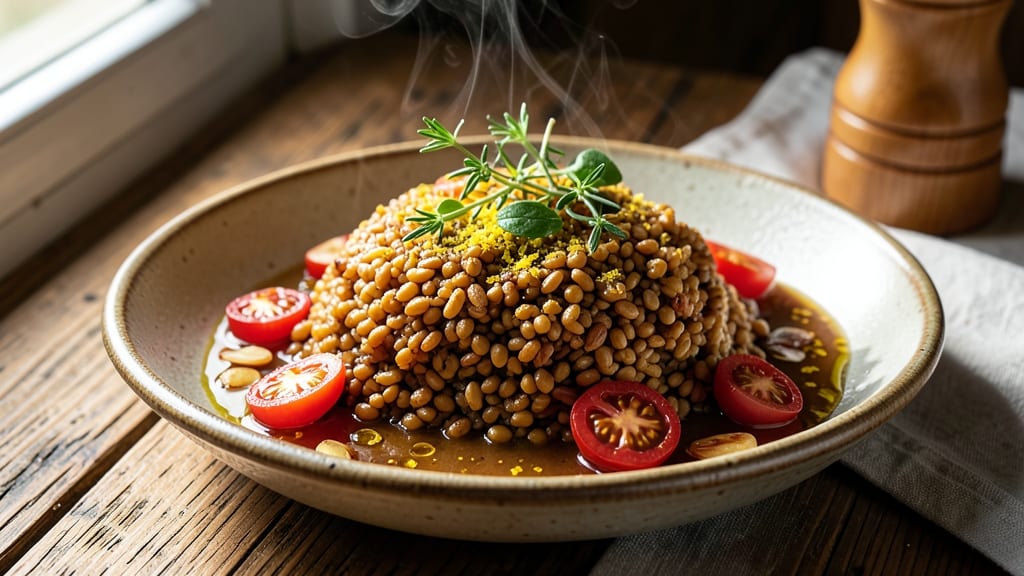
This buckwheat rice recipe transforms a simple grain into a nutty, earthy base that elevates any meal—vegan, gluten-free, and packed with protein. The key lies in toasting the grains first to deepen their natural flavors, creating a dish that’s both hearty and versatile.
Unlike white rice, buckwheat holds its shape and absorbs flavors beautifully, making it perfect for bowls, salads, or even desserts.
Cooking buckwheat rice is straightforward: rinse, toast, and simmer in broth or water until tender. The result is a nutty, slightly chewy texture that pairs well with savory proteins like roasted chickpeas or grilled tofu.
This recipe ensures you’ll never rely on bland grains again—just a few simple steps separate you from a restaurant-quality side dish.
What sets buckwheat apart is its high protein content and natural gluten-free properties, making it a standout for plant-based diets. It’s also rich in minerals like magnesium and manganese, adding nutritional depth to every bite.
Whether you’re meal prepping or cooking for a crowd, this recipe delivers a grain that’s as functional as it is delicious.
Serve it as a base for Buddha bowls, stir-fries, or even a sweet breakfast porridge with cinnamon and fruit. The possibilities are endless, and the process is foolproof—no special equipment required. Let’s get started on a dish that’s as nourishing as it is satisfying.
Ingredients for buckwheat rice
Nine ingredients transform buckwheat into a restaurant-quality grain base—nutty, earthy, and packed with plant-powered protein.
| Ingredient | Amount | Notes |
|---|---|---|
| Buckwheat Groats 🌾 | 1 cup | Unprocessed, not pre-cooked |
| Vegetable Broth 💧 | 2 cups | Low-sodium preferred |
| Extra-Virgin Olive Oil 🫒 | 2 tbsp | For toasting grains |
| Fresh Thyme Leaves 🌿 | ¼ cup | Or 1 tbsp dried thyme |
| Garlic Cloves 🧄 | 2 cloves | Minced for depth |
| Lemon Zest 🍋 | 1 tsp | Brightens flavors |
| Salt 🧂 | ½ tsp | Diamond Crystal preferred |
| Black Peppercorns 🌶️ | ¼ tsp | Freshly cracked |
| Coconut Aminos 🥄 | 1 tbsp | For umami depth |
| Toasted Sesame Seeds 🌰 | 1 tsp | For garnish |
| Fresh Cilantro Leaves 🌿 | 0.15 cup | Chopped for freshness |
| Smoked Paprika 🌶️ | ½ tsp | For subtle smokiness |
| Avocado Oil 🫒 | 1 tbsp | For high-heat cooking |
The buckwheat groats are the star—unprocessed, not pre-cooked—so grab the whole grains from the bulk section at Whole Foods or Trader Joe's. Their natural nuttiness deepens when toasted, so don't skip that step. For broth, Imagine or Pacific Foods low-sodium versions keep the flavor balanced without excess salt. Fresh thyme and garlic are non-negotiable here; dried thyme works in a pinch, but fresh delivers that bright, herbal punch. If you're prepping for a crowd, buy thyme in bunches—it keeps for weeks in the freezer.
No fresh thyme? Dried at one-third the amount gets you close, but the flavor won't be as vibrant. Swap coconut aminos for soy sauce or tamari if needed, though coconut aminos add a subtle sweetness that pairs perfectly. Smoked paprika can be omitted if you're avoiding smoke flavors, but it adds that restaurant-quality depth. For extra richness, stir in 1 tbsp nutritional yeast at the end—it mimics the umami of Parmesan without dairy. The sesame seeds and cilantro are purely for garnish, but they elevate the dish from 'good' to 'wow' with minimal effort.
Toasted buckwheat keeps for 5 days in the fridge, but it reheats best when stored in airtight containers with a splash of water to retain moisture. Freeze portions for up to 3 months—just thaw overnight in the fridge. I like to portion mine into glass jars for easy grab-and-go bowls. The grains hold their texture well when reheated, but adding a drizzle of olive oil before storing keeps them from drying out. For meal prep, double the batch—it's that versatile.
Why You'll Love This Recipe
- No-Chop Necessary: I swear by this—just rinse the buckwheat, toss it in broth, and let it simmer. That’s it. Even on nights when I’m too tired to chop anything, this delivers.
- Earthy-Garlicky Magic: The toasted buckwheat has this nutty crunch, while the garlic and thyme infuse the broth into something ridiculously flavorful. It’s the kind of dish where every bite tastes like you put in effort.
- Lunchbox Hero: Between us, this keeps perfectly for days in the fridge. Cold or reheated, it’s my go-to for packed lunches—no soggy rice here, just hearty, satisfying bites.
- Pocketbook Performer: Buckwheat’s cheaper than white rice, and a single batch stretches across meals. Plus, using vegetable broth keeps costs low while packing in flavor. Smart, simple, and satisfying.
Step-by-step instructions for cooking buckwheat groats
Transforming these nutty grains into a restaurant-worthy side dish is simpler than you think.
Toast the Buckwheat for Enhanced Flavor
Heat a medium saucepan over medium heat and add the 1 cup buckwheat groats and 2 tablespoons extra-virgin olive oil. Stir constantly for 3-4 minutes until the groats begin to sizzle and turn a deeper golden color. This toasting step develops their natural nutty flavor and prevents them from becoming mushy later.
Watch closely—they should smell toasty and aromatic. If they start to darken too quickly, reduce the heat slightly. Once they're fragrant and slightly darker than their original color, you're ready for the next step. Don't skip this toasting—it's what transforms basic buckwheat into something truly special.
Add Aromatics and Broth for Depth
Add the 2 cloves minced garlic cloves, 0.5 teaspoon smoked paprika, and 0.25 teaspoon freshly cracked black peppercorns to the pan. Stir for 30 seconds until fragrant—you should smell that garlic releasing its sweet aroma and the paprika adding its subtle smokiness.
Pour in the 2 cups vegetable broth, bringing everything to a gentle boil. Then reduce heat to low and add the 1 teaspoon lemon zest and 1 tablespoon coconut aminos. Here's the thing—adding the lemon zest now brightens the dish while the coconut aminos provide that essential umami depth that makes the flavors pop. Stir once to combine all ingredients.
Simmer Until Tender with Perfect Texture
Cover the pan with a tight-fitting lid and simmer for 25-30 minutes on low heat. You'll know they're ready when the grains are tender but still have a slight bite—what we call "al dente" in cooking terms. The liquid should be mostly absorbed, but there might be a little remaining at the bottom of the pan.
I like to check for doneness by pressing a grain between my fingers—it should be soft but still hold its shape. If it's too firm, cover and cook for another 5 minutes. If it's too mushy, you've overcooked it. The perfect texture is firm yet tender, with a slight resistance when bitten into.
Finish with Fresh Herbs and Garnish
Once the buckwheat is tender, remove from heat and let it sit covered for 5 minutes. This resting period allows any remaining moisture to distribute evenly. Then stir in the 0.25 cup fresh thyme leaves and 0.15 cup chopped fresh cilantro leaves. The thyme adds an earthy depth while the cilantro brings a bright, fresh finish that cuts through the richness.
Finally, sprinkle with the 1 teaspoon toasted sesame seeds and adjust seasoning with the 0.5 teaspoon salt if needed. The sesame seeds add a beautiful nutty crunch that contrasts perfectly with the tender grains. Serve immediately while still warm, garnished with additional fresh herbs if desired.
Pro Tips For Making Buckwheat Rice
- Toast the Groats First: Heat your dry buckwheat in a dry pot over medium-high for 3-4 minutes, stirring constantly, until it smells nutty and the edges turn golden. I learned this the hard way—skipping it makes the broth absorb unevenly, leaving you with mushy bits and dry pockets. (Yes, it’s an extra step, but it’s the thing that matters most for texture.)
- Rinse the Thyme: Give your fresh thyme leaves a quick rinse under cold water, then pat them very dry with a paper towel before adding them to the pot. Moist leaves steam instead of infuse, and you’ll end up with a dish that tastes more like broth than herbs. (I know, I know—it’s tedious, but trust the process.)
- Simmer, Don’t Boil: Once the buckwheat is cooking, keep the broth at a gentle simmer—tiny bubbles at the edges, not a rolling boil. After burning three batches, I finally figured out that high heat turns the groats to mush. Cover and let it cook low and slow, stirring occasionally, for the best bite.
- Finish with Oil: Stir in a tablespoon of extra-virgin olive oil at the very end, off the heat. It coats the groats and makes them glossy, plus it balances the earthy buckwheat flavor. Sounds weird, but it works—like a little insurance policy for a richer final dish. (Your future self will thank you.)
Serving suggestions for leftovers
Buddha Bowl Base
This buckwheat rice makes an exceptional Buddha bowl foundation—its nutty depth pairs perfectly with roasted veggies and protein. I love assembling bowls with ½ cup buckwheat rice, ¼ cup marinated tofu, ¼ avocado, and ¼ cup shredded purple cabbage.
Drizzle with 1 tbsp tahini-lemon dressing (tahini + lemon juice + maple syrup) for that creamy, tangy contrast. The buckwheat’s chewy texture holds up beautifully against crunchy elements like toasted almonds or quick-pickled radishes. 🌱
Savory Stir-Fry Partner
Use it as a stir-fry rice substitute—it absorbs wok sauces beautifully while maintaining structure. Sauté 1 cup mixed veggies (bell peppers, snap peas, carrots) in 1 tbsp avocado oil, then add 1 cup cooked buckwheat rice and 2 tbsp hoisin sauce.
Finish with 1 tbsp chopped scallions and 1 tsp sesame oil. The buckwheat’s earthiness complements the sweet-spicy sauce perfectly. Serve with grilled shrimp or crispy baked tofu for a complete meal. ✨
Protein-Packed Salad Topper
Toss ½ cup warm buckwheat rice with ¼ cup chickpeas, ¼ cup cherry tomatoes (halved), and 2 tbsp chopped parsley. Dress with 1 tbsp olive oil, 1 tsp Dijon mustard, and ½ tsp honey.
The buckwheat adds textural contrast to the creamy chickpeas and juicy tomatoes. For extra protein, fold in 2 tbsp crumbled feta (or vegan feta) and 1 tbsp toasted pine nuts. This salad keeps well for 3 days in the fridge—perfect for meal prep. 💡
Dessert Porridge Twist
Yes, buckwheat can be sweet! Cook ½ cup buckwheat groats in 1 cup almond milk with 1 cinnamon stick and 1 tsp vanilla extract until tender.
Stir in 1 tbsp maple syrup and top with ½ banana (sliced), 1 tbsp chopped walnuts, and a sprinkle of cocoa nibs. The nutty grains balance the sweetness beautifully, creating a warm, satisfying breakfast or dessert. Serve with dairy-free yogurt for extra creaminess. 🍫
Garnish Game-Changers
Elevate any dish with these simple garnishes: 1 tsp toasted sesame seeds add crunch, 1 tbsp chopped cilantro brightens flavors, and ½ tsp smoked paprika adds depth. For a smoky-sweet touch, drizzle with 1 tsp balsamic glaze before serving.
I also love finishing with edible flowers (like nasturtiums) for a pop of color—it looks stunning and tastes mild. These small touches make your buckwheat rice feel restaurant-worthy. 🌸
Meal Prep Magic
Double the batch and store in airtight containers for easy assembly later. Portion 1 cup cooked buckwheat rice per container, then add ½ cup protein (like lentils or tempeh) and ½ cup veggies. Keep dressings separate until ready to eat to prevent sogginess.
This setup gives you 3-4 ready-to-assemble meals in minutes—perfect for busy weeks. Label containers with eat-by dates (buckwheat keeps for 5 days refrigerated or 3 months frozen). ⏰
Nutrition facts
Frequently asked questions
Is buckwheat rice gluten-free?
Yes, buckwheat rice is naturally gluten-free and safe for those with celiac disease or gluten sensitivity. Despite its name, buckwheat isn't related to wheat and contains no gluten. Always check packaging to ensure no cross-contamination occurred during processing.
Can I substitute buckwheat groats for regular rice?
Buckwheat groats make a fantastic nutty, protein-rich substitute for white rice in any dish. Use a 1:1 ratio by volume, but note the cooking time will be slightly longer (about 25-30 minutes vs. 15-20 minutes for white rice). The texture is firmer and chewier, which works beautifully in stir-fries, bowls, and salads.
Why does my buckwheat rice turn bitter?
Bitterness usually occurs when buckwheat is overcooked or when the heat is too high during toasting. To prevent this, toast the grains on medium heat for only 3-4 minutes until fragrant, then simmer gently with enough liquid. If it still tastes bitter, reduce the cooking time by 5 minutes next time.
How do I make buckwheat rice less chewy?
For a softer texture, use a 1:2 ratio of buckwheat to liquid (instead of 1:1) and simmer for 5-10 minutes longer. Adding ½ cup extra broth and covering tightly with a lid also helps steam the grains gently. If it's still too firm, mash a few grains with a fork to release starches that will soften the rest.
Can I cook buckwheat rice in a rice cooker?
Yes! Use the same 1:2 ratio of buckwheat to liquid and cook on the white rice setting. Toast the grains first in a separate pan (as in the recipe) before transferring to the cooker. Most rice cookers will automatically adjust cooking times, but check for doneness after 25 minutes. The texture may be slightly softer than stovetop, but still delicious.