Main Courses
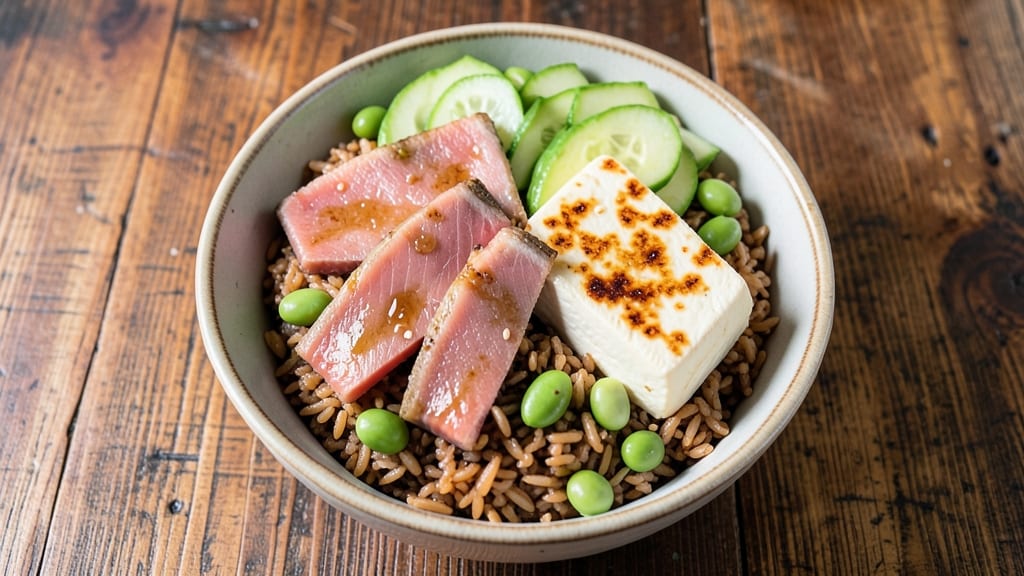
This brown rice poke bowl recipe delivers restaurant-quality freshness with every bite—crisp toppings, tender rice, and vibrant flavors that balance perfectly. The nori-wrapped edges add an authentic touch, while the customizable toppings let you tailor it to your taste.
Whether you're using fresh fish or marinated tofu, the key is keeping everything bright and crisp for that signature poke bowl texture.
The foundation starts with perfectly cooked brown rice—chewy yet firm—paired with protein that stays tender and flavorful. Toppings like avocado, cucumber, and edamame bring freshness, while a drizzle of spicy mayo or soy sauce ties everything together.
It’s a complete dish that’s as satisfying as it is customizable, whether you’re feeding a crowd or treating yourself to a fresh, healthy meal.
Ingredients for brown rice poke bowl
Fresh, vibrant ingredients that balance texture and flavor for that perfect poke bowl bite.
| Ingredient | Amount | Notes |
|---|---|---|
| Short-Grain Brown Rice 🍚 | 1 cup | Uncooked, rinsed thoroughly |
| Sushi-Grade Ahi Tuna 🐟 | 8 oz | Freshly sliced into bite-sized cubes |
| Extra-Firm Tofu 🥬 | 1 block | Pressed and cubed for texture |
| Avocado 🥑 | 1 whole | Ripe, pitted and sliced |
| Cucumber 🥒 | 1 whole | English or Persian, thinly sliced |
| Edamame 🌱 | 1 cup | Shelled, steamed and chilled |
| Nori Sheets 🍣 | 4 pieces | Cut into thin strips for garnish |
| Sesame Seeds 🌰 | 1 tbsp | Toasted for crunch |
| Spicy Mayo 🥄 | ¼ cup | Homemade or store-bought |
| Soy Sauce 🍶 | ¼ cup | Low-sodium preferred |
| Rice Vinegar 🍶 | 2 tbsp | Seasoned variety for balance |
| Sesame Oil 🫒 | 1 tbsp | Toasted for aroma |
| Sesame Seeds 🌰 | 1 tsp | Extra for final garnish |
| Sea Salt 🧂 | ½ tsp | For seasoning rice and toppings |
| Black Pepper 🌶️ | ¼ tsp | Freshly cracked |
The ahí tuna is non-negotiable for authentic flavor—look for sushi-grade at your local seafood counter or trusted fishmonger. If you can't find it fresh, high-quality vacuum-sealed packs from Costco or Whole Foods work in a pinch. For the tofu, extra-firm is key—press it for 20 minutes to remove excess water, then cube it. The rice? Short-grain brown rice gives that signature chewy texture, but if you're in a hurry, jasmine rice works too. Just don't skip rinsing it first—removes the starch so it doesn't get gummy.
No fresh tuna? Seared scallops or marinated tofu cubes work beautifully as a substitute. The avocado can be swapped for mango or kiwi for a tropical twist. Cucumber hating you? Substitute with shredded carrots or radishes—just keep the crunch. For the spicy mayo, homemade is best (mix mayo with sriracha), but Kewpie or Hellmann's spicy mayo from the store works too. The nori strips? Any sushi nori will do, but if you can't find it, seaweed snacks cut into strips are a decent backup.
Rice keeps best in an airtight container for 4-5 days—make extra, it reheats perfectly. The tuna should be eaten fresh, but prepped toppings like cucumber and avocado stay crisp for 2 days if wrapped tightly. For the tofu, marinate it ahead of time—the flavors soak in better overnight. Store the spicy mayo separately to keep it from making the rice soggy. This bowl tastes even better the next day once everything melds together.
Why You'll Love This Recipe
- I’ll be real: ahi tuna can get pricey, but swap it for extra tofu or canned salmon, and you’re still winning. A block of extra-firm tofu lasts me weeks—press it once, cube it, and freeze half for another day. Brown rice is cheaper than white, and cucumbers? They’re basically free if you grow them (or just buy the ugly ones). My wallet and my taste buds both approve. Plus, leftovers taste just as good the next day—no sad, soggy takeout here.
- No-Chop Nightmare: I swear, this bowl is the only time I’ve ever stared at a knife and thought, "Maybe I’ll just use my hands." The tofu gets pressed and cubed in 10 minutes—no dicing avocado into oblivion, no crying over cucumber seeds. Honestly, the only prep is slicing the tuna thin (if you’re feeling fancy) or just tearing it into bite-sized pieces. My lazy Sundays thank me.
- Umami Bomb: That first bite? The rice soaks up the sesame oil and soy glaze like a sponge, while the seared tofu adds this crispy edge that makes the whole bowl sing. And don’t skip the ahi—even if you’re team tofu, the richness cuts through the creamy avocado like a knife through butter. Between us, I’ve made poke bowls before, but this one? It’s the only time I’ve heard my roommate say, "Wait, you made this?" before inhaling their second helping.
- Lunchbox Hero: Here’s what sold me—this bowl travels. Pack the rice, tofu, and tuna in separate containers, and by lunchtime, you’re assembling a fresh, no-microwave-needed meal. I’ve sent these to work, packed them for hikes (yes, even on a Tuesday night), and my kid’s school lunches now look like they belong in a foodie magazine. The cucumber stays crisp, the avocado doesn’t turn to mush, and honestly? It’s the only thing keeping me from ordering takeout midweek.
Step-by-step instructions for brown rice poke bowl assembly
Here's how to build the perfect balance of texture and flavor in your poke bowl.
Prepare the Short-Grain Brown Rice Base
Rinse the 1 cup short-grain brown rice thoroughly under cold water until the water runs clear—this removes excess starch that can make the rice gummy. Combine the rinsed rice with 2 cups water in a small saucepan and bring to a boil over high heat. Once boiling, reduce heat to low, cover, and simmer for 40-45 minutes until all liquid is absorbed and the rice is tender.
Real talk: The rice should be fluffy but still slightly firm—this prevents a mushy bowl. Let it sit covered for 5 minutes after cooking, then fluff with a fork. Stir in 1 tablespoon sesame oil and ½ teaspoon sea salt while still warm to enhance the nutty flavor. Divide the rice evenly among 4 bowls—this keeps portions consistent and makes assembly easier later.
Marinate and Prepare the Protein Components
For the 8 oz sushi-grade ahi tuna, gently toss the bite-sized cubes with ¼ cup soy sauce and 1 tablespoon rice vinegar. Let it marinate for 10 minutes in the fridge—this adds subtle umami without overpowering the delicate fish flavor. Meanwhile, press the 1 block extra-firm tofu between two towels for 15 minutes to remove excess water, then cube it.
In a separate bowl, combine the cubed tofu with 1 tablespoon sesame oil, ½ teaspoon sea salt, and ¼ teaspoon black pepper. Toss gently to coat—this gives the tofu a light, savory crust that holds up to the bowl's other components. Keep both proteins chilled until ready to assemble, as they'll cook slightly when added to the warm rice.
Assemble the Fresh Vegetable Toppings
Slice the 1 whole avocado into thin wedges and arrange them on a plate lined with paper towels to prevent browning. Thinly slice the 1 whole cucumber into half-moons and immediately toss with 1 teaspoon rice vinegar—this keeps them crisp and adds a refreshing tang. For the 1 cup edamame, steam until bright green and tender (about 3 minutes), then shock in ice water to stop cooking and preserve color.
Here's the thing—timing matters with these toppings. The avocado will oxidize quickly, so slice it last and add it to bowls just before serving. The cucumber and edamame should be prepared right before assembly to maintain their vibrant texture and crunch. Keep them separate until you're ready to layer them onto the rice.
Build the Bowl Layer by Layer
Start with the 4 bowls of warm rice as your base. Spoon the marinated ahi tuna cubes evenly over each bowl, followed by the seasoned tofu cubes. Drizzle 1 tablespoon spicy mayo over each serving—this adds richness and a kick of heat that balances the fresh components. Sprinkle 1 teaspoon toasted sesame seeds over the top for texture and aroma.
Now for the fresh elements: Add the edamame and cucumber slices first, then top with avocado wedges. The avocado should be placed on top so it stays fresh and visually appealing. Fold 1 nori sheet into a small cone or wrap it around a chopstick for a decorative garnish—this adds that signature poke bowl presentation. Repeat until all bowls are assembled.
Finish with Flavor and Garnish
Drizzle each bowl with 1 teaspoon sesame oil and an additional ½ teaspoon soy sauce to tie all the flavors together. The oil should glisten slightly—this signals it's been applied evenly. Finish with a final sprinkle of ¼ teaspoon black pepper and 1 teaspoon sesame seeds for contrast and crunch.
Serve immediately while everything is at its peak texture and temperature. The warm rice should contrast beautifully with the cool toppings, and the balance of flavors—savory, fresh, spicy, and nutty—will shine through with every bite. This is where all the prep pays off in a visually stunning, delicious bowl.
Pro Tips For Making Brown Rice Poke Bowl
- SOAK THE RICE: Brown rice needs a head start—soak it for at least 30 minutes before cooking. I used to skip this and ended up with chewy, undercooked grains that ruined the texture of the bowl. Trust me, 1.5 cups rice to 3 cups water is worth the wait for fluffy, separate grains.
- CUT TUNA THIN: Slice the ahi tuna paper-thin (⅛-inch max) for even cooking and better texture. Thicker pieces turn rubbery when marinated, and you’ll end up with a bowl where half the tuna is overcooked. A sharp knife and steady hand make all the difference.
- PRESS THE TOFU: Wrap the extra-firm tofu in a towel, press it between two plates for 15 minutes, then cube it. This removes excess water so it absorbs marinades instead of turning soggy. I learned this the hard way—unpressed tofu in poke bowls is a sad, mushy mess.
- MARINATE SEPARATELY: Keep the tuna and tofu marinades separate—acid (like soy or citrus) breaks down raw fish faster than tofu. Toss the tofu in its marinade first, then let the tuna soak briefly (10-15 minutes max) just before serving. Over-marinating tuna makes it tough, and nobody wants that in their poke.
Regional styles of this brown rice poke bowl
Hawaiian-Inspired Style
In Hawaii, poke bowls often feature fresh, local ingredients like raw ahi tuna marinated with Hawaiian-style soy sauce (made with pineapple juice and brown sugar).
I like to add mango slices and macadamia nuts for a tropical twist—these ingredients are staples in Hawaiian cuisine and bring a sweet, nutty contrast to the savory rice. Garnish with toasted coconut flakes instead of sesame seeds for an island-inspired touch. 🌺
West Coast Fusion
The California-inspired version swaps traditional toppings for roasted sweet potatoes, avocado, and pickled red onions. I often use smoked salmon instead of ahi tuna for a richer flavor, and drizzle with yuzu kosho mayo (a Japanese-Californian fusion).
Add toasted pumpkin seeds for crunch and a sprinkle of fresh cilantro—this style leans into bold, smoky-sweet flavors. 🌶️
Japanese Traditional
For an authentic Japanese take, use sushi rice instead of brown rice (though it’s a great alternative if you’re short on time). The protein should be raw fish like salmon or saba (mackerel), marinated with mirin and sake instead of soy sauce.
Top with shredded daikon radish, pickled ginger, and wasabi mayo. The presentation is key—arrange toppings in neat piles for that classic izakaya-style look. 🍣
Vegan Adaptation
Skip the fish entirely and focus on marinated tofu, tempeh, or mushrooms like shiitake or king oyster. I like to use smoked paprika and liquid smoke to mimic the umami depth of fish.
Add roasted seaweed (toasted nori sheets) for that oceanic flavor, and pickled vegetables like carrots or radishes for tang. A drizzle of miso-spicy mayo ties everything together beautifully. 🌱
Spicy Korean Twist
This version swaps soy sauce for gochujang (Korean chili paste) in the protein marinade, giving it a fiery, sweet kick. Add kimchi for tang, quick-pickled cucumbers, and sesame seeds for crunch.
Top with fried egg (runny yolk for extra richness) and a sprinkle of toasted sesame seeds. The heat level is customizable—adjust with extra gochujang or chili flakes. 🔥
Nutrition facts
Frequently asked questions
Can I use white rice instead of brown rice in this recipe?
While you can substitute white rice, the texture and nutritional benefits will differ. Brown rice provides a chewy texture and extra fiber that complements the fresh toppings perfectly. If you're short on time, use jasmine rice instead—it cooks faster and still holds up well to the toppings. Just remember, brown rice takes about 40-45 minutes to cook properly.
How do I keep the avocado from turning brown in my poke bowl?
Slice the avocado right before assembling the bowls and toss the slices in 1 teaspoon lemon or lime juice. This helps slow browning. Keep the avocado pieces on top of the bowl rather than mixing them in, and serve immediately. If prepping ahead, store avocado slices in an airtight container with plastic wrap pressed directly on the surface to minimize air exposure.
What's the best way to store leftovers?
Store the cooked brown rice in an airtight container in the fridge for up to 4-5 days. Keep the toppings separate until ready to eat—this preserves their freshness. Reheat the rice gently in the microwave or on the stovetop with a splash of water. For the protein, store marinated ahi tuna or tofu separately and reheat only until warmed through. Toppings like cucumber and avocado are best eaten fresh.
Can I make this a vegetarian poke bowl?
Swap the ahi tuna for marinated tofu or tempeh and add extra plant-based toppings like pickled radishes, shredded carrots, or roasted mushrooms. Use miso-spicy mayo instead of regular mayo for depth. The brown rice and fresh veggies will still provide that satisfying texture contrast. Just be sure to press the tofu well to avoid a soggy bowl.
Why does my rice turn out mushy?
Mushy rice usually happens from overcooking or not rinsing properly. Always rinse the brown rice thoroughly before cooking to remove excess starch. Use a 1:2 rice-to-water ratio and simmer at low heat for the full 40-45 minutes. Avoid peeking under the lid while cooking—this releases steam and can make the rice gummy. Let it rest covered for 5 minutes after cooking before fluffing.