
Main Courses
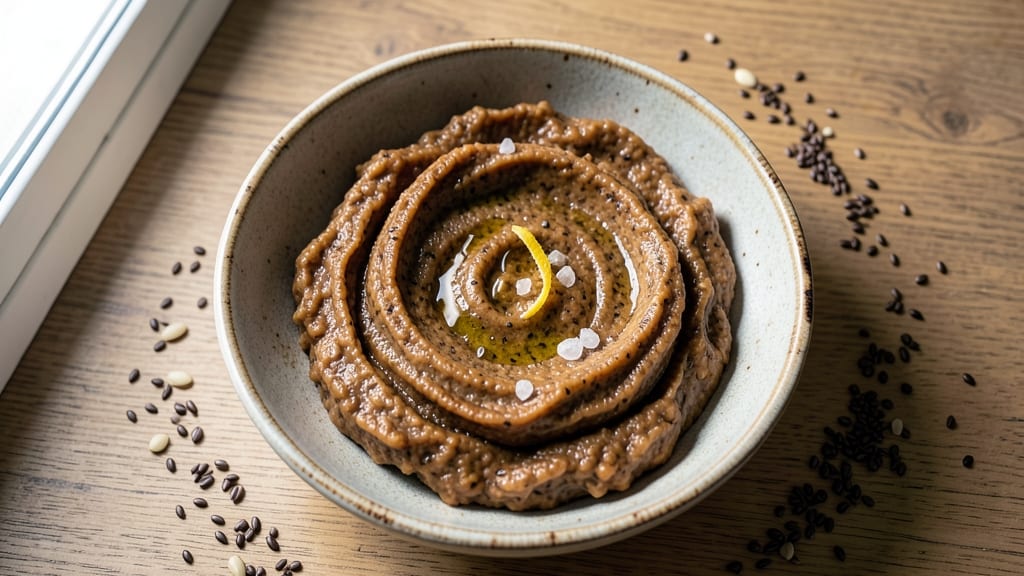
This brown rice pasta dough recipe delivers nutty, elastic noodles that rival traditional wheat pasta—all made in just 20 minutes with simple ingredients. The secret lies in blending brown rice flour with water and a touch of olive oil, creating a dough that's both sturdy and tender when cooked.
Perfect for those seeking a gluten-free, vegan-friendly alternative that still holds its shape beautifully.
What sets this dough apart is its natural elasticity, achieved through proper resting and rolling techniques. The nutty flavor of brown rice flour adds depth, making it ideal for hearty sauces like marinara or creamy pesto.
Store leftovers in the fridge for up to 3 days or freeze for longer shelf life—just thaw before use. Ready to elevate your pasta game?
Ingredients for brown rice pasta dough
Simple ingredients transform into nutty, elastic pasta dough in minutes—no wheat, no gluten, all flavor.
| Ingredient | Amount | Notes |
|---|---|---|
| Brown Rice Flour 🌾 | 2 cups | Gluten-free, finely milled preferred |
| Extra-Virgin Olive Oil 🫒 | ¼ cup | High quality, fruity flavor |
| Water 💧 | ½ cup | Room temperature preferred |
| Salt 🧂 | ½ tsp | Fine sea salt preferred |
| Xanthan Gum 🧪 | ½ tsp | For elasticity (optional) |
| Ground Flaxseed 🌱 | 1 tbsp | For binding, optional |
| Lemon Juice 🍋 | 1 tbsp | Freshly squeezed |
| Vegan Butter 🧈 | 1 tbsp | For rolling surface |
| Semolina Flour 🌾 | ¼ cup | For dusting (optional) |
Brown rice flour is the star here—Bob's Red Mill or Lundberg brands are my go-tos for consistent texture. The key is using finely milled flour (check the package) to avoid gritty noodles. If you can't find it, regular white rice flour works in a pinch, but the flavor will be milder. Xanthan gum might be hard to find at regular grocery stores, but Whole Foods bulk section or Amazon carry it. Skip it if you're avoiding additives, but your dough may be slightly less elastic. For the olive oil, California Olive Ranch or Bertolli are reliable choices—avoid 'light' or overly processed oils.
No xanthan gum? Add 1 extra tbsp of flaxseed meal for binding, but expect slightly chewier texture. Substitute water with vegetable broth for extra flavor (reduce lemon juice to 0.5 tbsp). Semolina is optional but ideal for dusting—regular all-purpose flour works if you're out. Fresh lemon juice adds brightness; bottled has preservatives that can alter flavor. For a richer dough, replace 1 tbsp water with aquafaba (chickpea brine). If your dough feels too dry, add water 1 tsp at a time—it should hold together but not stick to your hands.
Wrap unused dough tightly in plastic wrap and refrigerate for up to 3 days—it actually improves with resting. For longer storage, freeze dough logs for up to 3 months. Thaw overnight in the fridge before rolling. The dough doubles in size when rested, so don't panic if it looks big after resting. To prevent drying, place a damp towel over the dough while working. Leftover cooked pasta? Toss with olive oil and salt to prevent sticking. This dough reheats beautifully—just boil for 2-3 minutes after thawing.
Why You'll Love This Recipe
- Five-Ingredient Magic: Honestly, this dough comes together with just brown rice flour, olive oil, water, salt, and a pinch of xanthan gum. No fancy tools, no waiting for dough to rise—just mix, knead, and roll. (Yes, even on a Tuesday night when you’re exhausted.)
- Nutty Earthy Richness: That brown rice flour gives it a deep, toasty flavor you won’t find in regular pasta. The olive oil keeps it silky, and the xanthan gum holds everything together without tasting like anything extra. It’s the kind of subtle, satisfying taste that makes you slow down and actually enjoy your meal.
- Meal Prep MVP: Between us, this dough freezes like a dream—just shape, wrap, and toss in the freezer. Need lunch for work? Thaw overnight, toss in your favorite sauce, and boom. It’s my go-to for batch cooking because it stays fresh and doesn’t turn mushy.
- Budget-Friendly Flex: Brown rice flour is cheaper than specialty pasta, and a little goes a long way. Plus, you can stretch this dough into noodles, lasagna sheets, or even flatbread—so one recipe becomes three meals. My wallet and my family’s taste buds both win.
Step-by-step instructions for brown rice pasta dough
Here's how to craft nutty, elastic brown rice pasta with a perfect texture every time.
Mix the Dry Ingredients Thoroughly
In a large mixing bowl, combine the 2 cups brown rice flour, 0.5 teaspoon salt, 0.5 teaspoon xanthan gum, and 1 tablespoon ground flaxseed. Use a whisk to break up any flour clumps and ensure even distribution. The xanthan gum is optional but helps create elasticity similar to traditional wheat pasta. If you skip it, your noodles will still work but may be slightly less stretchy.
I like to sift the dry ingredients through a fine-mesh sieve for extra smoothness. This prevents grainy pockets in the finished dough. Set the bowl aside while you prepare the wet ingredients—this keeps everything organized and prevents cross-contamination.
Combine Wet Ingredients for Smooth Dough
In a separate small bowl, whisk together the 0.25 cup extra-virgin olive oil, 0.5 cup water, and 1 tablespoon lemon juice until fully emulsified. The lemon juice adds brightness and helps tenderize the dough slightly. Room-temperature water works best—it blends more easily with the oil and creates a smoother dough.
Gradually pour the wet mixture into the dry ingredients while stirring with a wooden spoon or silicone spatula. Mix until a shaggy dough forms, scraping down the sides of the bowl as needed. At this stage, the dough will look dry and crumbly—that's normal. The gluten-free flours need more working to develop structure.
Knead Until Elastic and Smooth
Transfer the dough to a lightly floured surface and knead for 8-10 minutes by hand, using the heels of your palms to press and fold. You're aiming for a smooth, elastic texture that's slightly tacky but not sticky. Brown rice flour dough behaves differently from wheat flour—it won't be as springy, but it should hold together when pressed.
If the dough feels too dry, add 1 teaspoon water at a time until it comes together. Too sticky? Sprinkle 1 tablespoon semolina flour and knead again. The goal is a dough that's pliable but not wet. Wrap it tightly in plastic wrap and let it rest for 30 minutes at room temperature—this relaxation step prevents cracking when rolling.
Roll and Cut for Perfect Noodles
After resting, divide the dough into 4 equal portions (about 4 ounces each). Working with one piece at a time, roll it between two sheets of parchment paper using a pasta machine set to the widest setting. Gradually decrease the thickness with each pass, aiming for 1/16-inch thickness for delicate noodles or 1/8-inch for heartier results.
Cut the rolled sheets into your desired shape—fettuccine, tagliatelle, or spaghetti. Dust the cut noodles with semolina flour to prevent sticking. For extra flavor, you can toss them with a pinch of salt or dried herbs before cooking. Brown rice pasta cooks in 2-3 minutes—test a piece by tasting it for perfect al dente texture.
Pro Tips For Making Brown Rice Pasta Dough
- Mix by Hand First: Brown rice flour clumps like a stubborn toddler—skip the food processor until you’ve broken it up with your fingers. Once it’s smooth, then add the xanthan gum or you’ll end up with a dough that fights you the whole way.
- Use Warm Water: Cold water makes this dough stiff and chewy. Warm it to about 100°F (just off-boil, then let sit 2 minutes) so the olive oil melts into the flour properly. Your pasta will stretch without cracking, and the texture stays tender.
- Knead Until Silky: This dough won’t feel like wheat flour—it’s more like wet sand at first. Keep kneading (or folding) for 8–10 minutes until it’s smooth and slightly tacky. Stop when it springs back when poked, or it’ll turn gummy when cooked.
- Rest the Dough: I learned this the hard way—rolling out dough straight from mixing leads to tears. Wrap it in plastic and let it sit 30 minutes. The gluten (what little there is) relaxes, and your pasta sheets won’t shred when cutting. (Yes, even if you’re impatient like me.)
Storing and reheating this dish
Refrigerator Storage
After rolling and cutting your brown rice pasta dough, store unused portions in an airtight container lined with a damp paper towel to prevent drying. Place the container in the fridge for up to 3 days—the dough actually develops better flavor as it rests.
I like using glass containers with snap-on lids from Pyrex because they keep moisture in better than plastic. For extra protection, wrap the dough tightly in plastic wrap before placing it in the container. 💧
Freezer Storage
For longer storage, freeze your dough in quart-sized freezer bags with all air squeezed out. I recommend dividing the dough into 4 equal portions before freezing—this makes thawing easier. Label each bag with the date, as brown rice pasta dough freezes well for up to 3 months.
When ready to use, transfer the frozen dough directly to the fridge to thaw overnight. This slow thawing prevents cracking when rolling. 🧊
Thawing Techniques
Never thaw frozen dough at room temperature—it can develop ice crystals that ruin the texture. Instead, move the frozen dough from the freezer to the fridge 12-24 hours before using.
For a quick fix, place the frozen dough in a sealed plastic bag and submerge it in cold water for 30-45 minutes. This method works well if you're short on time, but the texture won't be quite as smooth as fridge-thawed dough.
Always let the dough reach room temperature before rolling. ⏰
Reheating Cooked Pasta
Leftover cooked brown rice pasta reheats beautifully—just toss it with 1 tablespoon olive oil and 1 tablespoon water in a skillet over medium heat for 2-3 minutes. Stir constantly to prevent sticking.
For microwave reheating, place the pasta in a bowl with 2 tablespoons water, cover with a damp paper towel, and heat on high for 1 minute. Stir, then heat in 30-second intervals until warmed through.
The pasta will be slightly softer than fresh, but the nutty flavor remains rich. 🔥
Preventing Drying
Brown rice pasta dough dries out quickly, so keep it covered with a damp kitchen towel while working. If your dough feels dry after resting, sprinkle 1 teaspoon water and knead briefly to restore moisture. For extra insurance, place a damp paper towel inside your storage container with the dough.
When reheating cooked pasta, always toss it with olive oil immediately after cooking to maintain moisture and prevent clumping. This simple trick keeps your pasta tender and delicious. 💡
Nutrition facts
Frequently asked questions
Why does my brown rice pasta dough crack when rolling?
The most common cause is skipping the 30-minute rest—this relaxation step prevents cracking by allowing the gluten-free proteins to relax. If cracks still appear, your dough may be too dry. Sprinkle 1 teaspoon water and knead gently for 2 minutes before rolling again. Using a pasta machine with parchment paper also helps prevent sticking and tearing.
Can I make this dough without xanthan gum?
Yes! Skip the xanthan gum and add 1 extra tablespoon ground flaxseed for binding. The dough will be slightly chewier but still work well. For a lighter texture, replace 1 tablespoon water with aquafaba (chickpea brine). Just note your noodles may be less elastic without the gum.
What's the best way to test if brown rice pasta is cooked?
Taste one piece after 2 minutes of boiling—it should be tender but still hold a slight bite. Unlike wheat pasta, brown rice noodles cook faster (2-3 minutes) and become mushy if overcooked. For extra assurance, cut a small piece in half: the center should be opaque, not translucent.
How do I prevent brown rice pasta from sticking together?
Dust freshly cut noodles with semolina flour (or all-purpose flour) and toss gently. Store them in a single layer on a floured baking sheet until ready to cook. For cooked pasta, immediately toss with 1 tablespoon olive oil to create a protective barrier. Never rinse with cold water—this removes the starch that helps sauces cling.
What's the ideal sauce pairing for this pasta?
This nutty dough pairs beautifully with rich, acidic, or creamy sauces. Try brown butter sage sauce, marinara with sun-dried tomatoes, or garlic-lemon pesto. The earthy flavor also works well with Asian-inspired sauces like peanut sauce or miso-ginger dressing. Avoid heavy cream sauces—they can make the pasta taste greasy.