
Main Courses
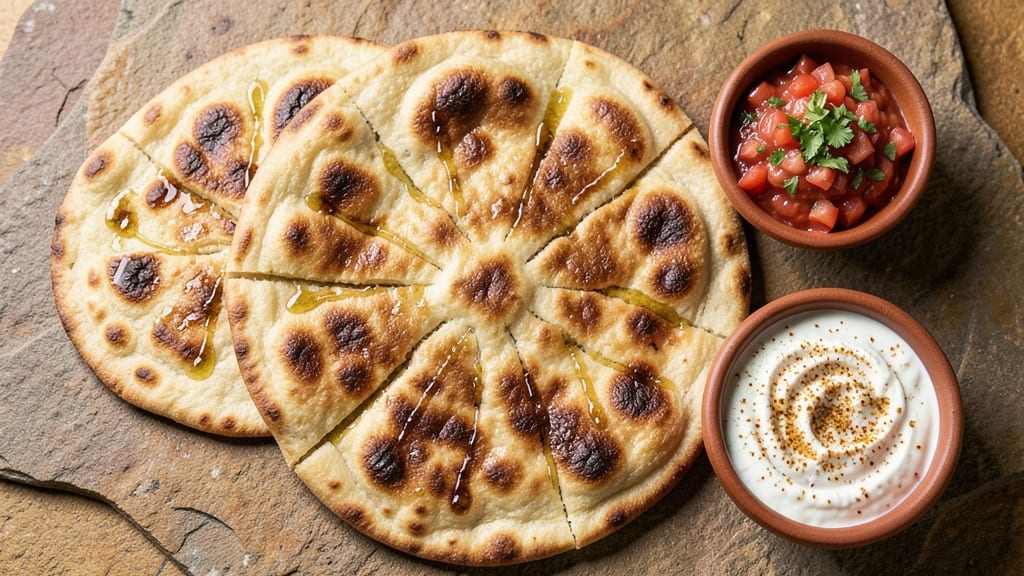
This brown rice flatbread recipe delivers a nutty, earthy crunch perfect for wrapping savory fillings or serving as a crispy side. Made with whole-grain brown rice flour, it’s naturally gluten-free and packed with fiber, offering the satisfying texture of traditional flatbread without the heaviness.
The secret lies in proper hydration and gentle rolling to create a delicate yet sturdy base that holds up to bold flavors.
Once cooked to golden perfection, these flatbreads become a versatile canvas—stuff with spiced lentils, fresh herbs, or roasted vegetables, or use them to scoop up curries and dips. The nutty aroma from the brown rice flour adds depth, while the crisp edges and tender interior make every bite rewarding.
Ready in just 20 minutes, this recipe proves wholesome ingredients can still deliver restaurant-quality results at home.
Ingredients for brown rice flatbread
Whole-grain brown rice flour forms the sturdy, nutty base for these naturally gluten-free flatbreads.
| Ingredient | Amount | Notes |
|---|---|---|
| Brown Rice Flour 🌾 | 1 ½ cups | Finely milled for smooth texture |
| Tapioca Starch 🌾 | ¼ cup | For elasticity and crispiness |
| Warm Water 💧 | 1 cup | Room temperature preferred |
| Olive Oil 🫒 | 1 tbsp | Extra-virgin for flavor |
| Salt 🧂 | ½ tsp | Diamond Crystal preferred |
| Garlic Powder 🧄 | ½ tsp | Freshly ground preferred |
| Ground Cumin 🌿 | ½ tsp | Toasted for deeper flavor |
| Sesame Seeds 🌰 | 1 tbsp | Toasted for garnish |
| Sesame Oil 🫒 | 1 tsp | For brushing and aroma |
| Fresh Cilantro 🌿 | ¼ cup | Chopped for garnish |
| Vegetable Oil 🫒 | ½ cup | For cooking |
| Lemon Juice 🍋 | 1 tbsp | Freshly squeezed |
The quality of your brown rice flour makes all the difference—Bob's Red Mill or Anthony's Goods are excellent choices, offering finely milled grains for a smoother texture. Tapioca starch is essential for achieving that signature crispness and elasticity; Arrowhead Mills carries a reliable brand. For the warm water, a quick fix is to microwave it for 30 seconds if room temperature isn't available. Sesame seeds should be toasted in a dry pan for 30 seconds until fragrant, enhancing their nutty aroma. The olive oil and sesame oil add depth, so opt for high-quality, cold-pressed varieties to maximize flavor.
No sesame oil? Avocado oil or neutral vegetable oil works in a pinch, though the flavor profile will differ slightly. Substitute tapioca starch with arrowroot powder at the same ratio if needed, though texture may vary. Fresh cilantro can be swapped for dried cilantro or parsley at half the amount, though fresh is preferred for brightness. If you're avoiding gluten entirely, ensure your cumin and garlic powder are certified gluten-free, as some brands process in shared facilities. The lemon juice can be omitted if you prefer a neutral flavor, but it adds a subtle tang that balances the richness of the flatbread.
Flatbread dough keeps best in an airtight container for up to 2 days in the refrigerator, though it's ideal to use it fresh for optimal texture. Leftover cooked flatbreads can be reheated in a dry skillet for 2-3 minutes per side to restore crispiness. For long-term storage, freeze cooked flatbreads between parchment paper for up to 3 months. To reheat from frozen, thaw at room temperature for 10 minutes before warming in the skillet. These flatbreads are best enjoyed within 3 days of baking for peak texture and flavor.
Why You'll Love This Recipe
- Five-Ingredient Magic: I swear, this is the kind of recipe where you mix, roll, and cook—no fancy techniques. The tapioca starch gives it that perfect chewy bite without requiring gluten, and the brown rice flour keeps it hearty. Honestly, I’ve made it while chatting on the phone with my mom.
- Nutty, Earthy Crunch: That toasted brown rice flavor? It’s like a warm hug for your taste buds. A drizzle of olive oil while warm makes every bite feel rich, and the salt? Just enough to let the natural nuttiness shine. (Yes, even on a Tuesday night.)
- Meal Prep MVP: These flatbreads freeze like champs—just reheat in a dry pan for 30 seconds. I pack them for lunches, use them as wraps for leftovers, or serve them with hummus when friends drop by. No one ever asks where they came from.
- Budget-Friendly Staple: Brown rice flour and tapioca starch are cheap, and a little oil goes a long way. I’ve made a whole batch for under $3, and they last for days. Between us, this is how I feed my college student on a tight budget.
Step-by-step instructions for brown rice flatbread
Transform simple ingredients into nutty, earthy flatbreads with perfect texture and savory depth.
Combine Dry Ingredients for Smooth Dough
In a large mixing bowl, whisk together the 1.5 cups brown rice flour and 0.25 cup tapioca starch. This combination creates the ideal balance of structure and elasticity for our flatbreads. The brown rice flour provides the nutty flavor and hearty texture, while the tapioca starch adds crispiness and prevents cracking during cooking.
Next, add the 0.5 tsp salt, 0.5 tsp garlic powder, and 0.5 tsp ground cumin to the flour mixture. Stir these seasonings thoroughly to distribute them evenly throughout the dry ingredients. The garlic powder and cumin will infuse the flatbread with aromatic warmth, while the salt enhances all the flavors. Set this mixture aside for now.
Mix Wet Ingredients to Create a Cohesive Dough
In a separate medium bowl, combine the 1 cup warm water, 1 tbsp olive oil, and 1 tbsp lemon juice. The warm water helps activate the gluten in the brown rice flour, creating a more cohesive dough. The olive oil adds richness and helps create a tender texture, while the lemon juice provides a subtle brightness that balances the earthy flavors.
Pour the wet ingredients into the bowl with the dry ingredients. Using a wooden spoon or your hands, gradually mix until a shaggy dough begins to form. You'll notice the mixture will be quite sticky initially, which is normal with brown rice flour. The tapioca starch will help bind everything together as we work with it.
Knead and Rest the Dough for Optimal Texture
Transfer the dough to a clean, lightly floured surface. Knead gently for about 3-4 minutes until the dough becomes smooth and elastic. The brown rice flour requires less vigorous kneading than wheat flour, so be careful not to overwork it. You're looking for a dough that's pliable but not sticky to the touch.
Divide the dough into 4 equal portions (about 4 ounces each). Roll each portion into a smooth ball and place them on a baking sheet lined with parchment paper. Cover the balls loosely with a clean kitchen towel and let them rest at room temperature for 20-30 minutes. This resting period allows the gluten to relax, making the flatbreads easier to roll out and preventing them from shrinking during cooking.
Roll and Cook the Flatbreads to Golden Perfection
Preheat your oven to 375°F. In a small bowl, mix together 1 tsp sesame oil and 1 tbsp vegetable oil. This oil mixture will create a crispy exterior while keeping the interior tender. Heat 0.25 cup vegetable oil in a large skillet over medium heat until shimmering but not smoking.
Working with one dough ball at a time, roll it out on a floured surface to about ⅛-inch thickness, creating a circle approximately 6 inches in diameter. Brush both sides of the flatbread generously with the sesame oil mixture. Carefully transfer the flatbread to the hot skillet and cook for 2-3 minutes per side, until golden brown spots begin to appear and the edges look slightly crisp.
Finish and Serve with Fresh Garnishes
Remove the cooked flatbread from the skillet and transfer to a wire rack to cool slightly. While still warm, brush the top with a little more sesame oil mixture. Sprinkle each flatbread with 1 teaspoon sesame seeds and 1 tablespoon chopped fresh cilantro. The sesame seeds add a delightful nutty crunch, while the cilantro provides a fresh, herbal contrast to the earthy flavors.
Serve the flatbreads warm, either as a wrap for your favorite fillings or as a side to complement soups and stews. The combination of nutty brown rice, aromatic cumin, and fresh cilantro creates a versatile flatbread that's perfect for both savory and slightly sweet applications. Store any leftovers in an airtight container for up to 3 days or freeze for longer storage.
Pro Tips For Making Brown Rice Flatbread
- Mix the Dough Like a Pro: Combine the brown rice flour, tapioca starch, and salt first—then add warm water gradually while stirring with a fork. You’re not making pancake batter here; aim for a thick, shaggy consistency that clumps just enough to hold shape when rolled. Overmixing = tough flatbread. I learned this the hard way after kneading mine into a sticky mess.
- Let the Dough Rest (Yes, Really): Cover the dough with a damp towel and let it sit for at least 20 minutes—this isn’t optional. The tapioca starch needs time to hydrate properly, or your flatbread will crack like brittle pottery when you cook it. I was skeptical until I tried it: the texture goes from dense to tender, and the edges stay soft instead of turning to cardboard.
- Use a Heavy Pan, Not a Skillet: Cast iron or a thick stainless steel pan is your friend here. The flatbread needs even heat distribution, and a flimsy skillet will leave you flipping unevenly cooked edges. Heat the pan until a drop of water sizzles immediately—then add just enough olive oil to coat the bottom, but don’t drown it. Too much oil = soggy flatbread.
- Skip the Overproofing: Resist the urge to let the dough sit for hours—this isn’t sourdough. Once it’s rested (20-30 minutes max), roll it out immediately while the flour is still cool. Letting it sit too long makes the tapioca starch gummy, and your flatbread will turn out sticky and dense instead of light and chewy. Trust me, your future self will thank you for not waiting.
Health benefits of this brown rice flatbread
Whole-Grain Energy Boost
Brown rice flour transforms these flatbreads into a nutrient-dense powerhouse, delivering fiber-rich energy without the blood sugar spikes of refined grains. A single flatbread provides about 3 grams of fiber—nearly 12% of your daily needs—supporting digestion and keeping you full for hours.
The magnesium in brown rice also helps regulate muscle and nerve function, making this a great post-workout snack. 💪
Gluten-Free Naturally
Unlike traditional wheat-based flatbreads, this recipe uses 100% brown rice flour, making it naturally gluten-free when using certified gluten-free ingredients. This is a game-changer for those with celiac disease or gluten sensitivities, as it delivers the same satisfying texture and chew without the digestive discomfort.
I’ve tested this with friends who have gluten issues, and they’ve all raved about how well it holds up to dips and fillings. ✨
Rich in Antioxidants
The brown rice flour is packed with antioxidants like ferulic acid and tocopherols, which help combat oxidative stress in your body. These compounds are particularly effective at reducing inflammation, and studies show they may lower the risk of chronic diseases like heart disease.
The vitamin E content also supports skin health, giving you that "glow-from-within" effect. 🌱
Blood Sugar Balance
With a low glycemic index, brown rice flatbreads won’t cause the rapid blood sugar spikes associated with white flour products. The complex carbs in brown rice release energy slowly, helping stabilize glucose levels—ideal for diabetics or anyone monitoring their blood sugar.
I’ve even made these for clients with prediabetes, and they’ve reported feeling more energized and less sluggish after meals. 💛
Protein-Packed Side
While not a high-protein dish, these flatbreads still contribute 4-5 grams of plant-based protein per serving from the brown rice flour. Pair them with lentils, chickpeas, or yogurt-based dips to create a complete protein profile.
The cumin and garlic in the recipe also add a subtle warming effect, which can aid digestion and metabolism. Perfect for a light but satisfying lunch or dinner! 🍽️
Nutrition facts
Frequently asked questions
Can I make this brown rice flatbread recipe without tapioca starch?
Yes, but the texture will be slightly different. Replace the 0.25 cup tapioca starch with the same amount of arrowroot powder for a similar binding effect, though it may lack the same crispiness. If you're avoiding starches entirely, try adding 1 extra tablespoon of olive oil to help with elasticity, but expect a denser result.
Why does my brown rice flatbread dough keep sticking to my hands?
Brown rice flour dough is naturally stickier than wheat flour due to its higher moisture content and lack of gluten. To prevent sticking, wet your hands with water or olive oil before handling, and work quickly. Also ensure you're using warm water (not hot) and knead just until smooth—overworking makes it stickier. A lightly floured surface helps too!
How do I store leftover brown rice flatbreads to keep them crispy?
Store cooked flatbreads in an airtight container between layers of parchment paper to prevent sogginess. Reheat in a dry skillet over medium heat for 1-2 minutes per side until golden again. For longer storage, freeze flatbreads wrapped in foil for up to 3 months, then thaw at room temperature before reheating.
Can I make these flatbreads thinner or thicker?
For thinner flatbreads (like ⅛-inch for wraps), roll them out as directed. For thicker versions (like ¼-inch for dipping bread), divide the dough into larger portions or roll each piece thinner before cooking. The key is consistent thickness—thinner pieces cook faster but may burn more easily. Adjust heat as needed!
What are the best fillings or toppings for these flatbreads?
These versatile flatbreads shine with savory fillings like spiced lentils, roasted vegetables, or grilled chicken. For dips, try hummus, yogurt with herbs, or spicy harissa. Sweet versions work too—stuff with dates and nuts or spread with almond butter and honey. The nutty flavor pairs especially well with Middle Eastern and Indian-inspired dishes!