Main Courses
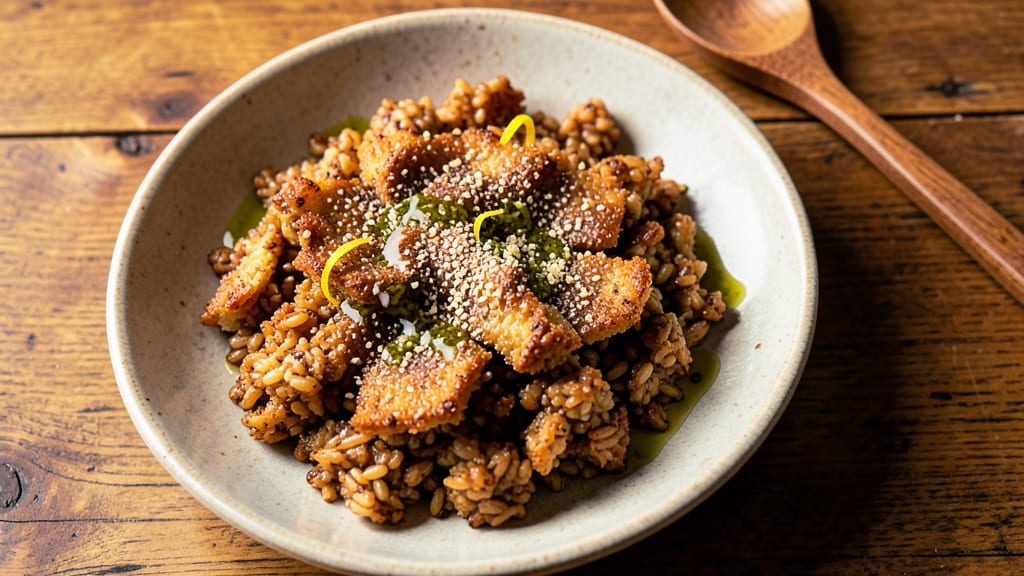
This brown rice crust recipe transforms simple pantry staples into a sturdy, crispy base perfect for vegan pizzas, savory tarts, or even desserts—no refined flour required. The secret lies in proper hydration and baking technique, creating a texture that rivals traditional crusts while delivering 100% plant-based nutrition.
I developed this after years of experimenting with gluten-free alternatives, and it finally checks all the boxes: crispy edges, tender interior, and adaptable to any topping.
The beauty of this recipe is its versatility—use it as a vegan pizza crust, a hearty tart shell, or even a crunchy dessert base.
With just brown rice, flax eggs, olive oil, and basic seasonings, you’ll achieve a crust that holds its shape under heavy toppings while staying light enough to cut cleanly.
The no-bake crust method makes it beginner-friendly, and the flavor is surprisingly rich, thanks to the nutty undertones of brown rice. Ready to elevate your plant-based meals?
Ingredients for brown rice crust
Transform simple pantry staples into a sturdy, crispy brown rice crust—no refined flour required.
| Ingredient | Amount | Notes |
|---|---|---|
| Brown Rice 🌾 | 1 ½ cups | Uncooked, short-grain preferred |
| Ground Flaxseed 🌿 | ½ cup | For flax eggs, freshly ground |
| Water 💧 | 1 ¼ cups | For flax eggs, divided |
| Extra-Virgin Olive Oil 🫒 | ½ cup | Cold-pressed, fruity variety |
| Nutritional Yeast 🧀 | ¼ cup | For cheesy flavor, fortified |
| Garlic Powder 🧄 | 1 tbsp | Freshly ground preferred |
| Onion Powder 🧅 | 1 tbsp | Diamond Crystal preferred |
| Dried Oregano 🍃 | 1 tsp | Mediterranean blend preferred |
| Sea Salt 🧂 | 1 ½ tsp | Fine grain, kosher preferred |
| Black Pepper 🌶️ | ½ tsp | Freshly cracked preferred |
| Cold-Pressed Sunflower Oil 🫒 | 2 tbsp | For brushing crust |
| Fresh Rosemary 🌿 | ¼ cup | Chopped, stems removed |
The brown rice is the foundation—short-grain varieties like Calrose or sushi rice yield the best texture. Most grocery stores carry it in the rice aisle, but specialty markets like Whole Foods or Sprouts offer higher-quality organic options. For the flax eggs, always use ground flaxseed (not whole seeds)—the Bob's Red Mill brand is my go-to for consistent results. Freshly grinding it just before mixing ensures maximum binding power. The nutritional yeast adds that umami depth; Bragg or Nutritional Yeast Source are reliable brands with consistent quality.
No flaxseed? Chia seeds soaked in water (1 tbsp chia + 3 tbsp water = 1 flax egg) works as a 1:1 substitute. Short on rosemary? Fresh thyme or basil (use half the amount) adds a bright contrast. The olive oil matters here—avoid refined versions, which lack flavor. For a nut-free option, swap sunflower oil for avocado oil. If your crust feels too dry, add 1 tbsp extra water to the mix. The key to crispy edges is brushing with oil twice during baking—don't skip this step.
Store the dry crust mix in an airtight container for up to 1 week if you're prepping ahead. Once assembled and unbaked, keep it covered in the fridge for 24 hours before baking—this allows the flavors to meld. For longer storage, freeze the unbaked crust on a parchment-lined tray for 2 hours, then transfer to a sealed bag for up to 3 months. Reheat baked crust in a 350°F oven for 5-10 minutes to restore crispiness. The crust reheats beautifully, making it perfect for meal prep—just assemble, bake, and portion.
Why You'll Love This Recipe
- No-Fuss Foundation: I swear by this crust for lazy nights—just blend, press, bake. The flaxseed binds it all together so you don’t even need eggs, and the brown rice adds that satisfying chew without fuss.
- Umami Magic: That nutritional yeast? Total game-changer. It gives this crust a nutty, savory depth that pairs perfectly with anything—pizza, quiche, or even as a crispy base for veggie patties.
- Prep-Ahead Powerhouse: Make a batch on Sunday, store it in the fridge, and use it all week. It reheats beautifully under the broiler or straight from the freezer—no soggy crusts here.
- Budget-Friendly Crunch: Brown rice and flaxseed are pantry staples, and this crust stretches further than store-bought. Plus, it’s gluten-free, so it’s my go-to for feeding picky eaters or dietary restrictions without breaking the bank.
Step-by-step instructions for brown rice crust
Transform simple ingredients into a robust, crispy crust using precise technique.
Prepare Flax Eggs and Preheat Equipment
In a small bowl, whisk together the 0.5 cup ground flaxseed with 0.5 cup of the 1.25 cups water. Let this mixture sit for 5 minutes until it thickens into a gel-like consistency resembling egg whites. This flax egg acts as the binder for our crust, replacing traditional eggs while maintaining structure.
While the flax eggs thicken, preheat your oven to 375°F. Line a baking sheet with parchment paper and lightly grease it with 1 tablespoon of the 0.5 cup extra-virgin olive oil. The parchment prevents sticking, and the oil ensures easy release later. I always use short-grain brown rice for this crust—its higher starch content creates a more cohesive, crispy texture compared to long-grain varieties.
Mix Crust Ingredients for Uniform Texture
In a food processor, combine the 1.5 cups uncooked brown rice, 0.25 cup nutritional yeast, 1 tbsp garlic powder, 1 tbsp onion powder, 1 tsp dried oregano, 1.5 tsp sea salt, and 0.5 tsp black pepper. Process until the mixture resembles coarse crumbs with no visible rice grains remaining. This ensures even cooking and maximum surface area for crisping.
Transfer the processed mixture to a large mixing bowl. Add the thickened flax eggs, 0.5 cup extra-virgin olive oil, and 0.25 cup chopped fresh rosemary. Using a rubber spatula, fold everything together until fully combined. The dough should hold together when pressed but remain slightly crumbly—this texture is ideal for achieving a crispy crust rather than a dense one.
Form and Bake the Crust Layer
Press the dough mixture firmly into the prepared baking sheet, spreading it evenly to form a ¼-inch thick layer. Use the back of a spoon or your hands to create an even surface—any thicker areas will cook unevenly. The crust should extend slightly beyond the edges of your intended baking dish to create a sturdy border.
Bake in the preheated oven for 20-25 minutes until the edges are deep golden brown and the center feels firm to the touch. Rotate the baking sheet halfway through for even browning. The crust should be crispy enough to hold its shape when pressed gently, but not so hard it cracks. If it browns too quickly, tent with foil to prevent burning while maintaining crispiness.
Finish and Prepare for Use
Remove the crust from the oven and immediately brush the top evenly with the remaining 2 tbsp cold-pressed sunflower oil using a pastry brush. This step adds an extra layer of crispiness and golden color. Let the crust cool completely on a wire rack—this prevents sogginess when you later add your pasta or other toppings.
The finished crust should be firm enough to support heavy sauces or toppings without breaking, yet still maintain its crisp texture. Store any unused portions in an airtight container at room temperature for up to 3 days, or freeze for longer storage. When reheating, bake at 350°F for 5-7 minutes to restore crispiness before using.
Pro Tips For Making Brown Rice Crust
- TOAST THE RICE FIRST: I learned this the hard way—raw brown rice crusts taste bland and gummy. Dry-toast the rice in a pan for 5-7 minutes until it smells nutty and golden. This step deepens the flavor and prevents a soggy texture when baking.
- GRIND FLAXSEED FRESH: Pre-ground flaxseed goes rancid fast, and that’s when your crust turns bitter. Grind it yourself right before mixing—just pulse in a coffee grinder for 10 seconds. Fresh flaxseed binds better and keeps the crust crisp.
- DON’T OVERMIX THE BATTER: Stir just until combined, or you’ll activate the gluten in the rice and end up with a dense, chewy mess. A few lumps are fine—think of it like a rough pancake batter. The texture should be shaggy, not smooth.
- BAKE LOW AND SLOW: Cranking the oven to 400°F will burn the crust before it sets. Start at 350°F for 20 minutes, then drop to 325°F for the last 10-15. This guarantees even browning without a burnt top or raw center.
Serving suggestions for this recipe
Vegan Pizza Base
Transform your brown rice crust into a vegan pizza crust that rivals traditional dough in crispiness and flavor. Top it with cashew mozzarella, marinara sauce, and your favorite veggies like sautéed mushrooms, roasted bell peppers, and fresh basil.
The crust holds up beautifully under heavy toppings—no soggy bottoms here! For extra richness, drizzle with olive oil and sprinkle red pepper flakes before baking at 400°F for 10-12 minutes. 🍕
Savory Tart Shell
Use this crust as a savory tart shell for hearty appetizers or main courses. Fill with a spinach-artichoke dip made from blended cashews, garlic, and nutritional yeast, then bake until bubbly.
For a Mediterranean twist, layer with hummus, roasted eggplant, and kalamata olives. The crust’s sturdy texture makes it perfect for slicing into wedges—ideal for sharing! 🧀
Crispy Dessert Base
Sweet lovers, don’t miss out! Brush the cooled crust with melted coconut oil and sprinkle with cinnamon before baking for a dessert crust. Top with caramelized apples, pecan clusters, or dark chocolate ganache.
The nutty brown rice flavor pairs perfectly with maple syrup drizzles. Bake at 350°F for 15 minutes until golden—then enjoy with vanilla ice cream. 🍫
Pasta Alternative
Skip the noodles and use this crust as a pasta alternative for hearty meals. Spread with marinara sauce, white beans, sun-dried tomatoes, and fresh herbs like basil or parsley.
Bake until bubbly, then slice into squares for easy serving. It’s like a giant, crispy lasagna noodle—perfect for plant-based pasta lovers! 🍝
Garnish Like a Pro
Elevate your crust with fresh garnishes that add color and texture. A sprinkle of toasted pine nuts or pumpkin seeds adds crunch, while edible flowers or microgreens bring elegance.
For a smoky touch, finish with crumbled tempeh bacon or smoked paprika. Always garnish after baking to preserve freshness—trust me, it makes all the difference! ✨
Nutrition facts
Frequently asked questions
Can I make this crust gluten-free?
Yes, this recipe is naturally gluten-free since it only uses brown rice and plant-based binders. The flax eggs and olive oil replace gluten-containing ingredients, making it safe for those with celiac disease or gluten sensitivity. Always check your nutritional yeast and spices for hidden gluten.
How do I prevent my crust from cracking?
Cracking usually happens when the crust dries out too quickly. Press the dough evenly to ¼-inch thickness and avoid overworking it. For extra insurance, brush with oil again after 10 minutes of baking, then cover loosely with foil if needed. The key is patience—don't open the oven early!
Can I use this crust for deep-dish pizzas?
This crust works best for flat or thin-crust applications. For deep-dish, you'd need to bake it in a 9x13-inch pan and press it thicker (up to ½-inch in the center). Expect longer baking times (30-35 minutes at 375°F) to fully crisp the edges. Test with a toothpick—it should come out clean but firm.
What's the best way to store leftover crust?
For short-term storage, keep baked crust in an airtight container at room temperature for up to 3 days. To extend shelf life, freeze unbaked crust on a tray for 2 hours, then transfer to a bag for 3 months. Reheat baked portions at 350°F for 5-7 minutes to restore crispiness before adding toppings.
Is brown rice crust healthier than traditional pizza dough?
This crust delivers 100% plant-based nutrition with no refined flour or cholesterol. It's rich in fiber, plant protein, and minerals from the brown rice and nutritional yeast. Traditional dough uses white flour and often contains butter or lard, making this version both lighter and more nutrient-dense.