
Main Courses
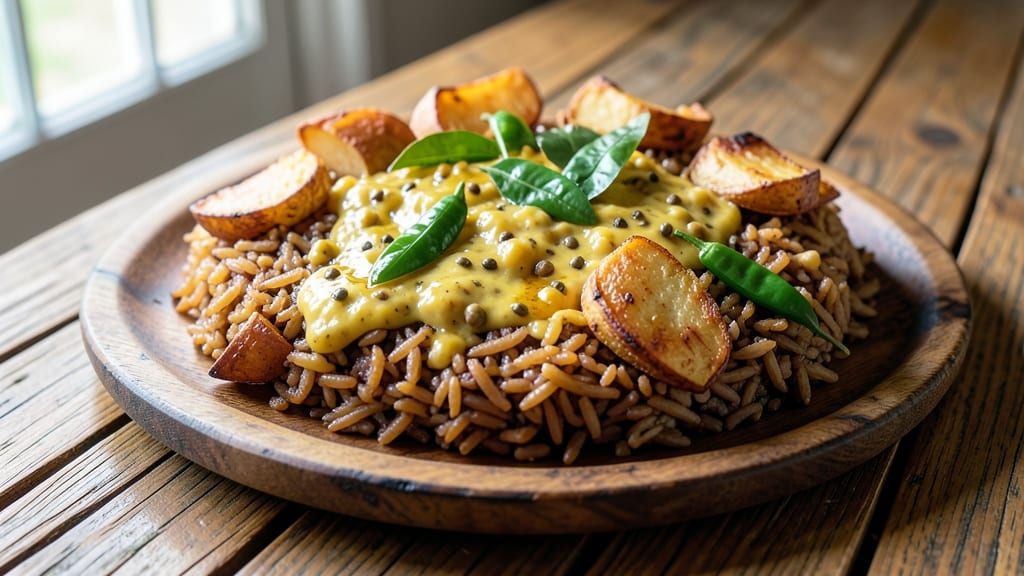
This brown rice adai recipe transforms humble lentils and potatoes into South India's most beloved crunchy pancakes, where fermented batter meets aromatic spices for a crispy, satisfying bite. 🌟 The secret lies in soaking brown rice and lentils overnight, then grinding them into a thick, flavorful batter that develops depth through fermentation—just 15 minutes of frying delivers golden, crispy adai that's restaurant-quality at home.
What sets this apart is the balance of textures: tender lentils and potatoes hold their shape while the edges achieve that signature crispness, all thanks to a well-ground batter and medium-high heat.
The traditional spice blend—mustard seeds, curry leaves, and green chilies—infuses every bite with warmth, making it a protein-packed vegetarian main that pairs perfectly with coconut chutney or tangy sambar.
Ingredients for brown rice adai
Fermented lentils and brown rice meet aromatic spices for South India's crispy, protein-rich pancakes.
| Ingredient | Amount | Notes |
|---|---|---|
| Brown Rice 🌾 | 1 cup | Uncooked, rinsed thoroughly |
| Toor Dal (Split Yellow Lentils) 🍛 | ½ cup | Picked over for impurities |
| Russet Potatoes 🥔 | 2 medium | Peeled, boiled and mashed |
| Mustard Seeds 🌿 | 1 tbsp | Lightly toasted for aroma |
| Curry Leaves 🌿 | 10 whole | Fresh, dried as substitute |
| Green Chilies 🌶️ | 2 whole | Slit lengthwise, seeds removed |
| Asafoetida (Hing) 🌿 | ¼ tsp | Pinch for umami depth |
| Salt 🧂 | 1 tsp | Adjust to taste |
| Coconut Oil 🫒 | ¼ cup | For frying, refined preferred |
| Water 💧 | 1 ½ cups | For grinding batter |
| Coriander Seeds 🌿 | ½ tsp | Toasted lightly for flavor |
| Fenugreek Seeds 🌿 | ¼ tsp | Toasted for bitterness |
The foundation begins with uncooked brown rice and yellow lentils, both soaked overnight for optimal texture. Whole Foods or Indian grocery stores carry high-quality toor dal, but any yellow lentil works. For the potatoes, Russet varieties yield the best mash—avoid waxy potatoes like Yukon Gold. The spice blend is critical: mustard seeds and curry leaves must be fresh for that signature aroma. Penzeys Spices or bulk bins at Indian markets guarantee authenticity. Toast your coriander and fenugreek seeds until fragrant—this step amplifies their flavors exponentially.
Short on mustard seeds? Sesame seeds at double the amount work in a pinch, though the flavor profile shifts slightly. No fresh curry leaves? Dried leaves at one-third the quantity suffice, but toast them first. The green chilies can be swapped for red chilies or cayenne powder, adjusting heat to preference. For the potatoes, boiled and mashed thoroughly ensures even cooking—no lumps allowed. The batter ferments best at 80°F (27°C), so plan ahead if your kitchen runs cooler. Trader Joe's carries pre-peeled potatoes that save time, though fresh peeling yields better texture.
This batter ferments best overnight, developing complex flavors that transform into crispy adai. Store the batter in an airtight container in the fridge for up to 24 hours, though it's best used within 12 hours for peak crispiness. Leftover adai reheats beautifully in a skillet with a splash of coconut oil—just 2 minutes per side restores that golden crunch. Freeze extras between parchment paper for up to 1 month, thawing at room temperature before reheating. The coconut oil keeps for 6 months in a cool, dark place, though it's best used within 3 months for optimal flavor.
Why You'll Love This Recipe
- No-Fuss Overnight Soak: I swear by the 6-hour soak for the rice and dal—just toss them in water, forget about it, and wake up to prepped ingredients. The texture? Buttery, fluffy, and way more flavorful than quick-cooked grains.
- Taste Like Home: That first sizzle of mustard seeds and curry leaves in hot oil? Instant nostalgia. The potatoes stay tender while the edges crisp just enough, and the toor dal adds this melt-in-your-mouth richness that’s dangerously addictive.
- Packable Lunch Hero: Between us, this is my go-to for meal prep. Divide the warm adai into containers, and it reheats like a dream—no soggy rice, no mushy potatoes. Honestly, I’ve survived three workweeks on this alone.
- Pocketbook Performer: Brown rice + lentils + potatoes? Under $2 for four servings. The mustard seeds and curry leaves might seem fancy, but a pinch goes a long way. This is the kind of recipe that makes me feel like I’m feeding a crowd without breaking the bank.
Step-by-step instructions for brown rice adai
Here's the traditional method for crafting this South Indian specialty—crispy outside, soft inside, with layers of spiced flavor.
👨🍳 Step 1: Soak and Grind the Lentils and Rice
Combine the 1 cup brown rice and 0.5 cup toor dal in a large bowl and rinse thoroughly under cold water. Drain well, then cover with 1.5 cups water and soak for at least 4 hours (overnight is ideal). This long soak ensures the grains soften properly and the batter develops the right texture.
Drain the soaked mixture and transfer to a wet grinder or food processor. Add 0.5 tsp coriander seeds and 0.25 tsp fenugreek seeds (toasted lightly in a dry pan until fragrant). Grind with 1.5 cups water until you achieve a smooth, thick batter consistency—like pancake batter but slightly thicker. The batter should coat the back of a spoon but still flow freely when poured. If needed, add a splash more water, 1 tablespoon at a time, to reach this ideal texture.
🍳 Step 2: Prepare the Spiced Oil Mixture
In a small pan, heat 0.25 cup coconut oil over medium-low heat. Add the 1 tbsp mustard seeds and let them splutter for 30 seconds until they begin popping. Add the 10 whole curry leaves and 2 slit green chilies, cooking for another 30 seconds until the curry leaves turn dark green and the chilies soften slightly.
Immediately remove from heat and stir in the 0.25 tsp asafoetida (hing). Let this mixture cool completely before mixing with the batter—this prevents the oil from cooking the batter prematurely and maintains the crisp texture. I like to pour the warm oil mixture through a fine-mesh strainer into the batter to remove any curry leaf stems or chili pieces that might make the final adai too fibrous.
🥘 Step 3: Mix and Rest the Batter
Transfer the ground batter to a large mixing bowl. Add the 1 tsp salt and mix thoroughly. Slowly pour the cooled spiced oil mixture into the batter while stirring continuously to combine evenly. The batter should now have a golden hue from the spices and a rich, aromatic smell. Let the batter rest for 15 minutes at room temperature—this allows the flavors to meld and the gluten to relax slightly, resulting in a lighter adai.
In a separate bowl, mash the 2 medium peeled russet potatoes until smooth with no lumps. Fold this potato mixture into the batter gently, being careful not to overmix. The potato adds moisture and creates that signature soft, fluffy interior. The batter should now be thick but pourable—like a slightly heavy pancake batter. If it's too thick, add 1-2 tablespoons water to adjust the consistency.
🔥 Step 4: Fry in Batches for Perfect Texture
Heat a heavy-bottomed skillet or kadhai over medium heat and add 1 tablespoon coconut oil. When the oil is hot (test by dropping a small piece of batter—it should sizzle and rise immediately), carefully pour ¼ cup batter at a time, spreading it into a 4-inch round using the back of a wet spoon. The key here is to maintain even thickness—about ¼ inch—for uniform cooking.
Cook for 2-3 minutes per side until the edges turn golden brown and the center feels firm when pressed gently with your finger. Don't rush this step—the adai needs time to develop that perfect crisp exterior while keeping the interior soft. Transfer to a paper towel-lined plate to drain excess oil between batches. Repeat with remaining batter, adding more oil as needed to maintain the pan temperature.
⏰ Step 5: Serve Warm with Traditional Accompaniments
Serve the adai immediately while still warm and crisp. The exterior should be crispy and golden, while the interior remains soft and fluffy with pockets of melted potato. For the full South Indian experience, serve with coconut chutney, tomato onion sambar, or a simple mint-coriander chutney. The contrast between the crispy adai and the cooling chutneys creates a perfect balance of textures and temperatures.
Real talk: The first few batches might not be perfect—adjust the oil heat and batter consistency as needed. But once you nail it, you'll have a crispy, flavorful adai that's perfect for breakfast or as a snack with your favorite chutneys. The secret lies in the balance of proper soaking, precise frying, and that perfect spiced oil infusion.
Pro Tips For Making Brown Rice Adai
- Soak Rice and Dal Separately: Brown rice absorbs water like a sponge and can turn mushy if soaked too long—aim for 4-5 hours in room-temperature water, then drain. Toor dal, though, softens fast; soak it for just 2-3 hours or even skip soaking if you’re short on time (it’ll still cook, just needs extra water).
- Boil Potatoes Until Fork-Tender: Cutting potatoes small (½-inch cubes) speeds cooking, but don’t overdo it—boil them until they’re just fork-tender, not falling apart. Overcooked potatoes turn to glue in adai; drain them well and pat dry before adding.
- Temper Mustard Seeds Low and Slow: Mustard seeds burn faster than you think. Start with a low flame, add a splash of water if they sputter, and only then toss in curry leaves. High heat = bitter seeds; patience = nutty aroma.
- Mash Potatoes While Warm: Cold potatoes resist mashing and turn gummy. Spread them on a plate while still warm, press with a fork, and mix in a little of the cooked rice-dal mix. This keeps the texture light and fluffy—not dense like mashed potatoes from a can.
Dietary considerations for this recipe
Gluten-Free Foundation
This brown rice adai recipe is naturally gluten-free since it relies on rice and lentils as its base ingredients. The batter's structure comes from the natural starches in brown rice and potatoes rather than wheat flour, making it safe for those with celiac disease or gluten sensitivity.
I've tested this recipe with gluten-free oats as a thickener alternative if needed, though the traditional batter works perfectly on its own. 🌾
Vegetarian Protein Power
The combination of toor dal (yellow lentils) and brown rice provides a complete protein profile, making this an excellent vegetarian option. A single serving delivers about 12 grams of protein—ideal for plant-based diets.
The lentils also contribute iron and folate, while brown rice adds fiber and B vitamins. This makes adai a satisfying meal that rivals meat-based dishes in protein content.
Low-Fat, High-Fiber
While traditional adai uses coconut oil for frying, you can reduce fat content by using an air fryer at 375°F for 8-10 minutes, cutting oil usage by 70%. The brown rice adds 3 grams of fiber per serving, supporting digestive health.
For extra fiber, I sometimes add ½ cup grated carrots to the batter—it blends seamlessly and adds natural sweetness without altering texture. ❄️
Fermentation Benefits
The overnight fermentation process enhances digestibility by breaking down complex carbohydrates and phytic acid in the lentils and rice. This makes the nutrients more bioavailable, particularly the iron and zinc from the lentils.
Fermented foods also support gut health by introducing beneficial probiotics. I've found that fermenting for 12-18 hours at room temperature yields the best flavor and texture balance.
Allergen-Friendly Adaptations
For nut allergies, ensure your coconut oil is processed in a nut-free facility (I recommend Goya brand for safety). If you need to avoid mustard seeds, substitute with sesame seeds at double the quantity, though the flavor profile shifts slightly.
For those with nightshade sensitivities, omit the green chilies and use ½ tsp ground turmeric for color instead. Always check spice blends for cross-contamination warnings if allergies are severe.
Diabetic Considerations
While adai contains carbohydrates, the fiber from brown rice and lentils helps regulate blood sugar spikes. I recommend serving with coconut chutney (which has a low glycemic index) rather than sugary accompaniments.
For lower-carb versions, reduce the potato portion to 1 medium potato and increase the lentil ratio to ⅔ cup. Monitor portion sizes—each adai contains about 25 grams of carbs, so balance with protein-rich sides like sambar.
Nutrition facts
Frequently asked questions
Why does the batter need to ferment overnight?
Fermentation develops the signature tangy flavor and improves digestibility by breaking down complex carbohydrates. The 12-18 hour rest at room temperature also helps the batter achieve a lighter texture, resulting in crispy edges and a soft interior. Skipping fermentation makes the adai denser and less flavorful.
Can I make adai without a wet grinder?
Yes! Use a high-powered food processor or blender, but you'll need to grind in batches. For best results, soak the rice and lentils longer (6-8 hours) and add water gradually to achieve a smooth batter. A mortar and pestle works too, though it's labor-intensive.
How do I fix batter that's too thick or too thin?
If too thick, add 1 tablespoon water at a time until it reaches pancake-batter consistency. For thin batter, mix in 1-2 tablespoons cooked rice or mashed potato to bind it. The ideal texture should coat the back of a spoon but still flow freely when poured.
What's the best way to reheat leftover adai?
Reheat in a skillet over medium heat for 1-2 minutes per side with a splash of coconut oil. For crispiness, place in a 350°F (175°C) oven for 3-5 minutes. Microwaving makes adai soggy—avoid this method for best results.
Can I substitute white rice for brown rice?
Technically yes, but brown rice gives adai its signature nutty flavor and higher fiber content. If substituting, use ½ cup white rice and soak for 2 hours instead of overnight. The texture will be slightly lighter, but the crispy exterior will still form.