
Main Courses
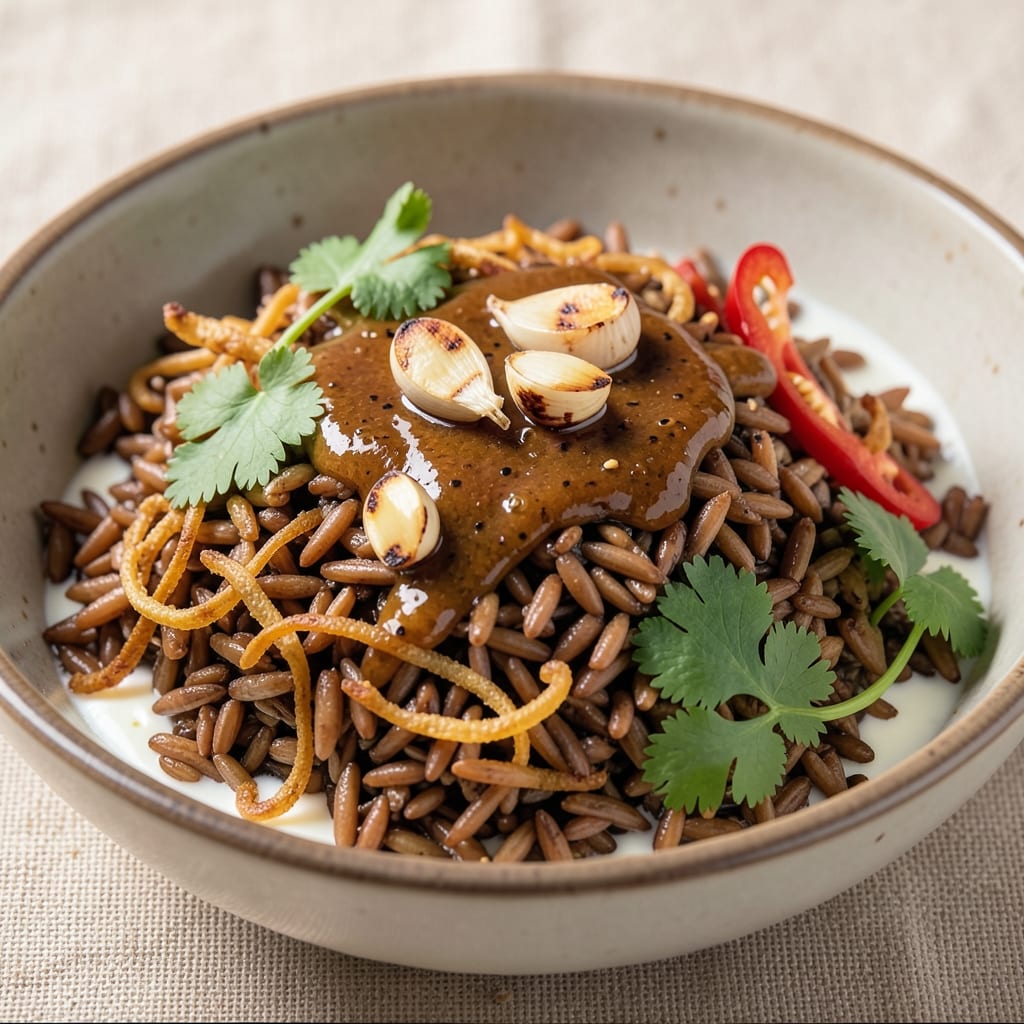
This Asian wild rice recipe transforms simple grains into a fragrant, umami-rich side that pairs perfectly with stir-fries, grilled proteins, or even as a standalone bowl. The secret lies in toasting the rice with aromatic sesame oil and soy sauce, unlocking deep, savory notes that elevate every bite. I developed this version after craving restaurant-quality texture and flavor at home—no shortcuts, just technique that delivers.
The process starts with a quick toast in the pan, where the rice absorbs the essence of garlic, ginger, and a splash of coconut milk. This creates a subtle sweetness that balances the nutty wild rice, while a touch of fish sauce adds that signature Asian umami depth. The peanut butter glaze ties everything together with its creamy richness and subtle heat.
What you’ll end up with is a dish that’s golden, fragrant, and packed with texture—crisp edges on the rice, tender protein (if added), and a glossy glaze that clings to every grain. It’s the kind of side that makes people ask for seconds, whether served alongside teriyaki chicken or as a hearty veggie bowl.
Ready in 30 minutes and packed with flavor, this recipe proves wild rice doesn’t have to be boring. The best part? It’s versatile enough for weeknight dinners or special occasions. Let’s get cooking!
Ingredients for asian wild rice
Simple grains and bold flavors come together in this aromatic Asian-inspired side dish.
| Ingredient | Amount | Notes |
|---|---|---|
| Wild Rice Blend 🌾 | 1 cup | Uncooked, long-grain preferred |
| Sesame Oil 🫒 | 2 tbsp | Toasted, for aroma |
| Low-Sodium Soy Sauce 🍶 | 2 tbsp | For umami depth |
| Coconut Milk 🥥 | ¼ cup | Full-fat for richness |
| Fish Sauce 🍜 | 1 tbsp | Asian umami base |
| Garlic Cloves 🧄 | 4 cloves | Minced, for aromatic punch |
| Fresh Ginger 🌿 | 1 tbsp | Grated, for zing |
| Peanut Butter 🥜 | ¼ cup | Creamy, unsweetened |
| Lime Juice 🍋 | 1 tbsp | Freshly squeezed |
| Honey 🍯 | 1 tbsp | For balancing heat |
| Red Chili Flakes 🌶️ | ½ tsp | Adjust for heat |
| Green Onions 🧅 | ¼ cup | Sliced, for garnish |
| Sesame Seeds 🌱 | 1 tsp | Toasted, for crunch |
| Vegetable Oil 🫒 | 1 tbsp | High smoke point |
| Salt 🧂 | ½ tsp | Kosher or sea salt |
The wild rice blend is the foundation—look for a mix with brown rice and black rice for texture contrast. Lundberg or Uncle Ben's blends work perfectly, but any high-quality wild rice will do. Toasting the rice in sesame oil unlocks its nutty flavor, so don't skip this step. For the fish sauce, Red Boat is my go-to—it's clean and potent, but any reputable brand like Three Crabs will work. If you're avoiding fish sauce, a dash of soy sauce plus a pinch of MSG can mimic that umami punch.
No sesame oil? Vegetable oil plus a pinch of toasted sesame seeds gets you close. Substitute coconut milk with light coconut cream if you prefer less richness. The peanut butter glaze can be made with almond butter for nutty depth, though peanut butter adds that classic Asian sweetness. Fresh ginger is ideal, but dried ginger at one-third the amount works in a pinch. For extra heat, swap chili flakes for fresh Thai chilies, but adjust carefully—these pack a punch. The green onions can be swapped for cilantro or Thai basil if you're feeling adventurous.
Toasted sesame seeds and seeds keep for 6 months in a dark cabinet, while sesame oil lasts 1 year unopened. Store the cooked rice in an airtight container for 4 days in the fridge, or freeze for 3 months. The peanut butter glaze can be made ahead and reheated gently—just add a splash of water to loosen it. Double the batch and freeze half; it's perfect for quick weeknight meals when you need that restaurant-quality flavor without the fuss.
Why You'll Love This Recipe
- One-Pot Magic: I swear by this—just toss the rice, coconut milk, and fish sauce in a pot, simmer, then finish with a splash of sesame oil. No stirring every five minutes, no burnt bits, no stress. That nutty wild rice soaks up the flavors like a sponge, and the coconut milk keeps it creamy without extra work.
- Umami Bomb: Between the fish sauce and soy sauce, this dish has that thing—that deep, savory punch that makes you go back for seconds. Honestly, the first time I made it, I thought, "Wait, this is just rice?" Then I took another bite and realized it’s secretly a flavor powerhouse. The sesame oil at the end? Pure magic.
- Meal Prep MVP: This holds up for days—better than takeout, honestly. I make a big batch on Sundays, and it’s still delicious in lunchboxes or reheated for dinner. The rice stays separate if you store it right, so you can toss it with proteins or veggies later. My kids even ask for it (yes, even on a Tuesday night).
- Budget-Friendly Luxe: Wild rice blend might sound fancy, but it’s cheaper than jasmine rice and lasts forever. Coconut milk and fish sauce stretch the flavors, so you’re not drowning in expensive ingredients. Plus, the leftovers make it feel like you’re treating yourself—without the restaurant price tag. (Between us, this is my secret for feeding a crowd without breaking the bank.)
Step-by-step instructions for Asian wild rice stir-fry
This method delivers perfectly cooked wild rice with a rich, balanced peanut glaze—every bite packed with umami depth.
Cook the Wild Rice to Al Dente Perfection
Rinse the 1 cup Wild Rice Blend thoroughly under cold water until the water runs clear. This removes excess starch that can make the rice gummy. Transfer to a medium saucepan and add 2 cups water (or follow package instructions for your specific blend). Bring to a boil over high heat, then reduce to a simmer, cover, and cook for 35-40 minutes until tender but still with a slight bite.
I like to check doneness by pressing a grain between my fingers—it should be soft but not mushy. If it's still firm, add 2-3 tablespoons water, cover, and cook 5 more minutes. Once done, remove from heat and let it sit covered for 10 minutes. Fluff with a fork before using—this prevents clumping and ensures each grain gets coated with the peanut glaze later.
Prepare the Umami-Packed Peanut Glaze
In a small bowl, whisk together the 0.25 cup Peanut Butter, 0.25 cup Coconut Milk, 1 tbsp Honey, 1 tbsp Lime Juice, 1 tbsp Fish Sauce, 0.5 tsp Red Chili Flakes, and 0.5 tsp Salt. This combination creates a perfect balance of sweet, savory, tangy, and spicy flavors that complement the nutty rice. The coconut milk helps emulsify the peanut butter for a silky texture.
Set aside while you prepare the aromatics. If the mixture thickens too much, whisk in 1-2 teaspoons warm water to reach a pourable consistency. The glaze should coat the back of a spoon smoothly—this ensures even coating of the rice without making it soggy.
Sauté Aromatics and Toast Sesame Seeds
Heat 1 tbsp Vegetable Oil in a large wok or skillet over medium-high heat until shimmering. Add the 4 cloves minced Garlic Cloves and 1 tbsp grated Fresh Ginger, cooking for 30-45 seconds until fragrant but not browned—this preserves their bright, fresh flavors rather than letting them burn.
In a dry small pan over low heat, toast the 1 tsp Sesame Seeds for 1-2 minutes until golden and aromatic. Remove immediately and set aside. The seeds should smell nutty and toasted—this adds a delightful crunch to the finished dish. Keep the toasted seeds separate until serving to maintain their texture.
Combine Rice with Glaze and Garnish
Add the cooked wild rice to the wok with the aromatics. Drizzle the peanut glaze over the rice and toss gently with tongs for 1-2 minutes until every grain is evenly coated. The residual heat from the wok will help the glaze adhere without needing extra cooking. If the rice seems dry, add 1-2 tablespoons water and toss again.
Remove from heat and stir in the 0.25 cup sliced Green Onions. Divide the rice among serving plates, sprinkling each portion with the toasted sesame seeds and an extra drizzle of peanut glaze if desired. The contrast of crisp sesame seeds against the creamy, spicy rice makes each bite irresistible.
Serve Immediately for Maximum Flavor Impact
This dish is best served immediately while the rice is warm and the peanut glaze maintains its silky texture. The flavors meld beautifully when everything is piping hot—each bite delivers the nutty rice, aromatic garlic-ginger base, and complex peanut sauce.
For extra depth, serve with a side of quick-pickled vegetables or a simple cucumber salad. The acidity cuts through the richness of the peanut glaze, balancing the dish perfectly. Leftovers can be refrigerated for up to 3 days, though the texture may change slightly as the rice absorbs more moisture.
Pro Tips For Making Asian Wild Rice
- Toast the Rice First: Before adding liquid, dry-toast the wild rice blend in a hot pot for 3-4 minutes until it smells nutty and fragrant. I learned this the hard way—skipping it makes the dish taste flat, like someone forgot to season it. ---
- Use Full-Fat Coconut Milk: The creaminess in this dish comes from the fat, not just the liquid. Light coconut milk will make your rice watery—grab the can labeled "full-fat" or "cream of coconut" for real texture. ---
- Simmer, Don’t Boil: Once the rice is covered, reduce heat to a gentle simmer (tiny bubbles, not a rolling boil). I used to blast it on high, and the rice turned mushy—this keeps it chewy and separate. ---
- Finish with Fish Sauce Last: Stir in the fish sauce only in the final 2 minutes, or it’ll cook off and leave your rice tasting bland. A splash of sesame oil at the end brightens everything up—trust me, it’s worth the extra step.
Health benefits of this dish
Complex Carbohydrates
Wild rice is a nutrient-dense carbohydrate that digests slowly, providing steady energy without blood sugar spikes. A 1-cup serving contains about 35 grams of complex carbs, perfect for sustained fuel during workouts or long days. The fiber content—around 5 grams per serving—supports healthy digestion and keeps you full longer. 💪
Unlike white rice, wild rice retains its bran and germ layers, which are rich in fiber and micronutrients. This makes it a heart-healthy choice that helps regulate cholesterol levels. I notice I feel more satisfied after meals with wild rice compared to refined grains.
Plant-Based Protein
This dish delivers plant-based protein without sacrificing flavor, with about 6 grams per cup from the wild rice alone. When paired with protein sources like tofu or shrimp, you create a complete amino acid profile, ideal for vegetarians or flexitarians. The peanut glaze adds an extra 4 grams of protein per serving from the peanut butter.
Wild rice also contains lysine, an essential amino acid often lacking in plant-based diets. This makes it a smart addition to meals where protein variety matters, like vegan stir-fries or grain bowls. 🌱
Healthy Fats
The peanut butter glaze introduces heart-healthy monounsaturated fats, which support cholesterol balance. Just 2 tablespoons of peanut butter in the recipe provide 8 grams of healthy fats, including oleic acid. These fats also enhance nutrient absorption from other ingredients like the coconut milk.
Sesame oil contributes polyunsaturated fats, including omega-6 fatty acids, which are essential for brain function. The 2 tablespoons used in this recipe provide a balanced fat profile that keeps the dish satisfying without being greasy. I always opt for toasted sesame oil for its superior flavor and stability.
Antioxidant Boost
Wild rice is packed with antioxidants like lutein and zeaxanthin, which support eye health and reduce oxidative stress. The black rice varieties often found in blends add anthocyanins, powerful compounds that give the rice its dark color and provide anti-inflammatory benefits. These antioxidants help combat cellular damage from daily stressors.
The peanut butter glaze also contributes antioxidants from peanuts, including resveratrol and p-coumaric acid, which have been linked to reduced inflammation and improved heart health. This makes the dish not just delicious but also a nutrient powerhouse** for overall wellness. ✨
Nutrition facts
Frequently asked questions
Can I substitute regular rice for wild rice in this recipe?
While you can technically use regular rice, the texture and flavor will differ significantly. Wild rice has a nutty, earthy taste and chewy texture that pairs perfectly with the peanut glaze. For a similar texture, try using brown rice or jasmine rice, but the flavor won't be the same. The recipe is designed to highlight wild rice's unique qualities—don't miss out on that depth of flavor!
How do I make this recipe gluten-free?
This recipe is naturally gluten-free, but always double-check your ingredients. Use tamari or gluten-free soy sauce instead of regular soy sauce, and ensure your peanut butter and fish sauce are certified gluten-free. The wild rice blend itself is typically gluten-free, but verify the package label. With these adjustments, the dish remains safe for gluten-sensitive diets.
Can I prepare this dish ahead of time?
Yes, but with some adjustments. Cook the wild rice and store it in an airtight container in the fridge for up to 3 days. The peanut glaze can be made ahead and reheated gently with a splash of water to loosen it. However, the best flavor comes when everything is fresh and warm. If reheating, add a few drops of water to restore moisture.
What proteins pair best with this wild rice dish?
This flavorful wild rice pairs beautifully with grilled chicken, shrimp, or tofu. For a complete meal, try pan-seared salmon or crispy tempeh. The peanut glaze's richness balances lean proteins like shrimp or chicken breast, while heartier options like pork or beef add a satisfying depth. For a vegetarian option, marinated tofu or edamame work wonderfully.
Why does my rice turn out mushy?
Mushy rice usually happens from overcooking or not rinsing the rice first. Always rinse wild rice thoroughly to remove excess starch, which prevents clumping. Cook it until just tender (about 35-40 minutes) and let it rest covered for 10 minutes after cooking. Avoid adding extra water unless absolutely necessary—wild rice absorbs moisture gradually. Fluff with a fork before mixing with the glaze.