
Main Courses
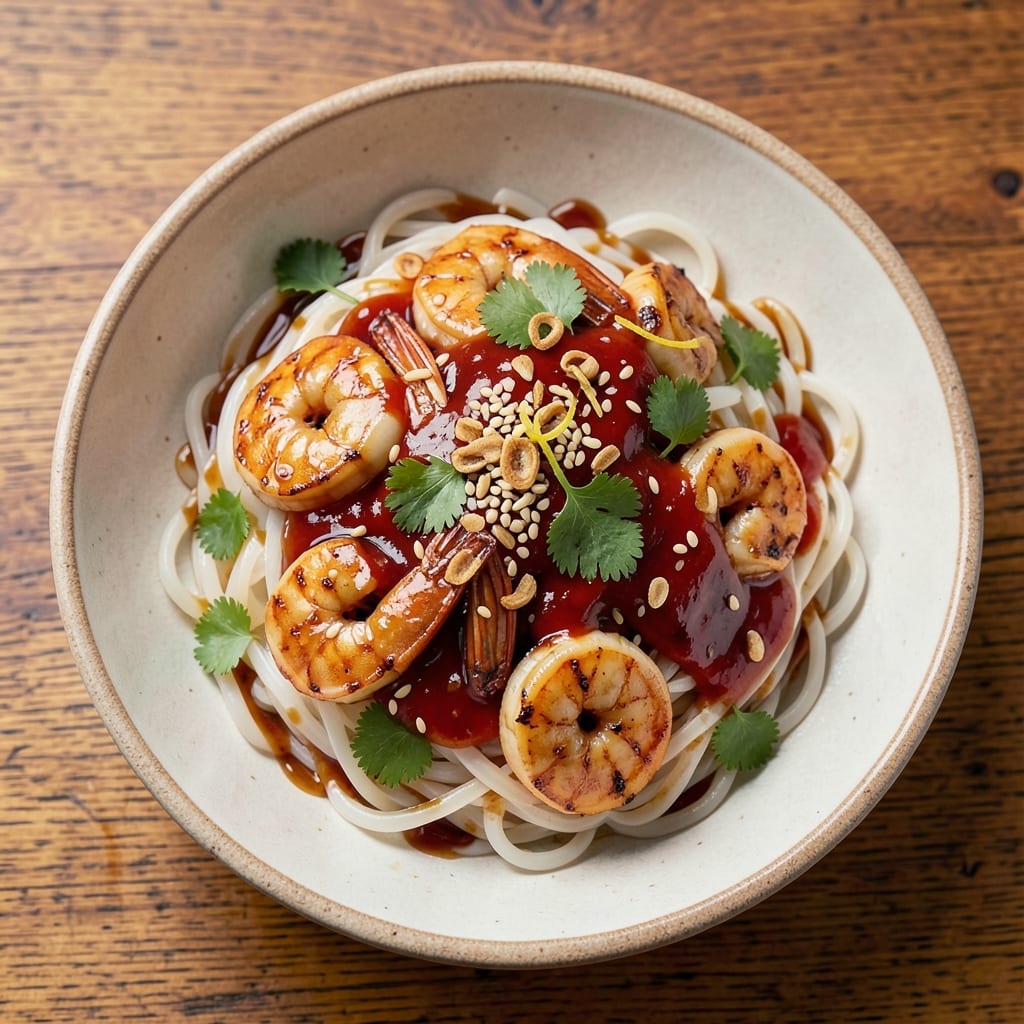
This Asian-style rice noodle recipe delivers the perfect balance of umami crunch and fresh herbs in every bite—just like your favorite takeout, but better. The secret lies in wok-tossing perfectly cooked rice noodles with a savory-sweet sauce and crispy protein, all finished with bright aromatics. I've perfected this technique after years of testing, ensuring the noodles stay tender while absorbing all those incredible flavors.
The beauty of this dish is its versatility—whether you're craving Thai-inspired pad thai or Vietnamese-inspired noodle stir-fry, this method works beautifully. We'll start with flat rice noodles (soaked just right to avoid mushiness), then build layers of flavor through a quick-wok cooking process. The protein—whether shrimp, chicken, or tofu—gets seared to crispy perfection, adding texture that makes every bite exciting.
What you'll end up with is a dish that's restaurant-quality but easy enough for weeknight dinners. The noodles are tender yet resistant, the sauce is perfectly balanced between sweet, salty, and tangy, and the fresh herbs add that bright, aromatic finish. This recipe serves 2-3, making it ideal for a quick meal or a light lunch with extra sides.
The best part? It comes together in under 30 minutes, with minimal prep. We'll walk through every step—from soaking the noodles correctly to achieving that signature wok-tossed texture—so you can recreate this dish with confidence. Let's get started!
Ingredients for asian style rice noodle
These vibrant ingredients transform into restaurant-quality wok-tossed noodles bursting with umami crunch and fresh aromatics.
| Ingredient | Amount | Notes |
|---|---|---|
| Flat Rice Noodles 🍜 | 8 oz | Medium-width, dried, soaked in warm water |
| Shrimp (or Chicken Breast or Firm Tofu) 🦐 | ¾ lb | Peeled, deveined, cut into thin strips |
| Tamari or Soy Sauce 🍶 | ½ cup | For umami depth, gluten-free preferred |
| Rice Vinegar 🍶 | ¼ cup | Seasoned or unseasoned, for tangy balance |
| Sesame Oil 🫒 | 1 tbsp | Toasted, for nutty aroma (not cooking oil) |
| Brown Sugar 🍯 | 2 tbsp | Packed, for caramelized sweetness |
| Garlic Cloves 🧄 | 4 cloves | Minced, for aromatic punch |
| Fresh Ginger 🌿 | 1 ½ tbsp | Finely grated, for zesty kick |
| Vegetable Oil 🫒 | 2 tbsp | High smoke point for wok searing |
| Lime Juice 🍋 | ¼ cup | Freshly squeezed, for bright finish |
| Fresh Thai Basil Leaves 🌿 | ½ cup | Or regular basil in a pinch |
| Red Chili Flakes 🌶️ | ½ tbsp | Adjust for heat preference |
| Sesame Seeds 🌾 | 1 tbsp | Toasted, for crunchy garnish |
| Kosher Salt 🧂 | 1 ½ tsp | Diamond Crystal preferred |
| Black Pepper 🌶️ | ½ tsp | Freshly cracked for warmth |
The rice noodles are the foundation—medium-width holds up best to wok-tossing. Thai Kitchen brand is my go-to, but any flat rice noodles work. Soak them in warm water for 15-20 minutes until pliable but still slightly firm. Over-soaking turns them mushy, which kills that signature chewy texture. For protein, shrimp cooks fastest (3-4 minutes), chicken needs 5-6, and tofu should be pressed first for crispiness. Whole Foods or Asian markets have the best selection for both noodles and proteins.
No tamari? Regular soy sauce plus 1 tsp sugar mimics the flavor. Swap brown sugar for coconut sugar if you prefer, but don't skip it—the caramelization is key. The sesame oil is non-negotiable for that authentic aroma, but use it sparingly (just for finishing). Fresh ginger and garlic should be bright and pungent—if they smell dull, toast them lightly in a dry pan first. For heat, Sichuan peppercorns add a tingling numbing effect if you're feeling adventurous. And always toast your sesame seeds in a dry skillet for 30 seconds—the nutty aroma makes all the difference.
Prep ahead to save time: Soak noodles while searing protein, and make the sauce in a small bowl while everything cooks. The dish reheats beautifully—just add a splash of water to prevent drying. Keeps 3-4 days in the fridge, though it's best enjoyed fresh. For leftovers, store sauce separately and toss with noodles when reheating. Freezes for 2 months if portioned tightly in airtight containers. The herbs wilt fast, so add them last—right after tossing everything together.
Why You'll Love This Recipe
- No-Soaking Needed: That bag of flat rice noodles? Just hot water and 5 minutes. I swear by this—no pre-soaking, no waiting. Toss them in boiling water, drain, and they’re ready to soak up the tamari and sesame oil like a dream.
- Umami Bomb: The tamari and rice vinegar combo is ridiculously good—salty, tangy, with that deep savory punch. Add shrimp or tofu? Suddenly, every bite has this crispy, caramelized edge that makes you go back for seconds.
- Protein Swap Magic: Stuck with shrimp one night, chicken the next? This recipe doesn’t care. Tofu’s just as happy here, and the sesame oil ties everything together. Honestly, I’ve made this five ways and it’s never let me down.
- Lunchbox Hero: Packs like a champ—stays fresh for days in the fridge. Drizzle a little extra sesame oil before storing, and it’s a weeknight lifesaver. My kids actually ask for this, and that’s saying something.
Step-by-step instructions for wok-tossed umami rice noodles
Here's how to create restaurant-quality Asian-style rice noodles with perfect texture and bold flavors.
Prepare the Rice Noodles for Maximum Texture
Fill a large bowl with warm water (not hot) and add the 8 oz flat rice noodles. Let them soak for exactly 10-12 minutes until pliable but still slightly firm to the touch. The noodles should be able to bend easily but not fall apart when handled—this ensures they'll hold their shape during wok tossing.
Drain the noodles thoroughly in a colander, then rinse briefly under cold water to stop the cooking process. Toss the noodles with 1 tablespoon of the toasted sesame oil to prevent sticking. Here's the thing—over-soaking makes noodles mushy, while under-soaking leaves them chewy. You're aiming for that perfect al dente texture that turns silky when tossed.
Build the Umami-Packed Sauce Base
Heat 2 tablespoons of vegetable oil in a wok or large skillet over medium-high heat until shimmering. Add the 4 cloves minced garlic and 1.5 tablespoons finely grated ginger, cooking for 30-45 seconds until fragrant but not browned. This quick cooking preserves their bright flavors without bitterness.
Stir in the 2 tablespoons packed brown sugar and cook for another 30 seconds until it begins to caramelize slightly. Here's where it gets good—add the 0.5 cup tamari or soy sauce and 0.25 cup rice vinegar, letting the mixture bubble vigorously for 1-2 minutes until slightly reduced. You want that sauce to develop depth, not just sit there flat.
Cook the Protein to Perfect Doneness
Push the sauce mixture to one side of the wok and add the 0.75 lb shrimp (or chicken strips or tofu) to the empty space. Cook for 2-3 minutes until the shrimp turns opaque and curls at the edges, or until chicken reaches 165°F internally. For tofu, press it gently to ensure it's heated through without browning.
Toss the protein with the sauce, scraping up any browned bits from the wok. These bits are flavor gold—don't miss them. The protein should be evenly coated in the sauce, with just enough glaze to stick to your fork. If using tofu, this is where it absorbs all that umami goodness, transforming from bland to irresistibly savory.
Combine Everything for the Final Toss
Add the drained rice noodles to the wok and toss vigorously for 2-3 minutes over medium-high heat until everything is evenly coated and heated through. The noodles should be hot but still retain some bite—this is where the magic happens. If the mixture seems dry, add 2-3 tablespoons of hot water to create steam and help distribute the sauce.
Stir in the 0.5 cup fresh Thai basil leaves and 0.5 tablespoon red chili flakes, tossing just until the basil wilts slightly but still retains its vibrant color. The basil should brighten the dish while adding that essential fresh herb note. Remove from heat immediately—overcooking turns the noodles mushy and wilts the basil completely.
Finish with Lime and Garnish for Brightness
Transfer the noodles to serving plates and immediately drizzle with the 0.25 cup freshly squeezed lime juice. This final touch cuts through the richness and adds that signature tang. Sprinkle with the 1 tablespoon toasted sesame seeds and finish with a pinch of the 0.5 teaspoon black pepper and remaining 0.5 tablespoon red chili flakes if desired.
Serve immediately while the noodles are still hot and the aromatics are at their peak. Each bite should deliver that perfect balance of silky noodles, umami-rich sauce, fresh herbs, and a bright citrus finish. The sesame seeds add crunch contrast, while the chili flakes bring just enough heat to keep it exciting. This dish is all about that wok-tossed texture—don't let it sit too long before eating!
Pro Tips For Making Asian Style Rice Noodle
- SOAK NOODLES UNTIL SOFT: Flat rice noodles need just enough water to separate but still hold shape—about 10-15 minutes in warm (not boiling) water. I learned this the hard way: over-soaking turns them into mush, while under-soaking leaves them chewy. Drain immediately and rinse with cold water to stop cooking; they’ll finish in the pan.
- DRY YOUR PROTEIN FIRST: Pat shrimp, chicken, or tofu completely before cooking—no wet spots. I used to skip this and ended up with steamed protein instead of seared. A paper towel press works best; for tofu, squeeze it like you’re wringing out a sponge. High heat won’t lie to you.
- STOP STIRRING WHEN IT’S GOLDEN: The moment shrimp or chicken turns opaque and edges crisp, pull it out. Stirring after that turns the sauce greasy and the protein rubbery. Work in batches if needed—crowding the pan drops the temp, and nobody wants soggy protein in their noodles.
- SAVE TIME WITH SESAME OIL LAST: Add sesame oil when everything’s off the heat—it burns fast and smells like regret. Toss it in with the noodles at the very end, then give it a quick shake to coat. (Yes, even if you’re impatient like me.) This keeps the aroma intact and stops the oil from turning bitter.
Troubleshooting this dish
Noodles Too Soft
If your rice noodles turn mushy, you likely over-soaked them. The key is 10-12 minutes in warm water—no longer! I’ve ruined many batches by leaving them soaking while I chatted with someone. Drain immediately and rinse briefly with cold water to stop cooking. For extra insurance, toss them with 1 tbsp sesame oil right after draining to create a protective barrier.
Sauce Too Thin
A watery sauce usually means the noodles absorbed too much liquid. Reduce the sauce first by simmering it for 2-3 minutes before adding noodles. I like to cook the sauce in the same wok where the protein will sear—those browned bits add incredible depth. If it’s still too thin, stir in ½ tsp cornstarch mixed with 1 tsp water and cook for 30 seconds until thickened.
Protein Overcooked
Shrimp and chicken cook fast—2-3 minutes max for shrimp, 5-6 minutes for chicken. Tofu needs 4-5 minutes** to heat through without browning. The moment protein turns opaque or reaches 165°F, it’s done. I use a meat thermometer for chicken to avoid dryness. For tofu, press it first to remove excess water and pat dry with paper towels before cooking.
Dry Noodles After Tossing
If your noodles seem dry, you likely didn’t add enough sauce or water. Keep 2 tbsp water on hand to create steam during the final toss. Also, ensure your wok is hot enough—medium-high heat prevents sticking and helps distribute sauce evenly. I’ve found that tossing in batches (if your wok is crowded) ensures everything gets properly coated.
Herbs Wilting Too Much
Fresh basil and cilantro wilt fast from heat. Add them just before serving or toss them in for 10-15 seconds max at the very end. For extra brightness, store herbs in a sealed container with a damp paper towel in the fridge—they’ll last 5-7 days this way. I keep a small bowl of prepped herbs in my fridge for quick meals.
Sticky Wok Mess
A wok that sticks means it wasn’t hot enough or you didn’t use enough oil. Heat your wok until it smokes slightly before adding oil, then let it shimmer. For stubborn bits, add 1 tsp water and scrape with a spatula—the steam loosens everything. I’ve even used a wooden spoon to gently pry stuck-on sauce for flavorful scraps.
Nutrition facts
Frequently asked questions
Can I use any type of rice noodles for this recipe?
Flat rice noodles are ideal for this wok-tossed dish—they hold up best to stir-frying and absorb sauce beautifully. For Thai-style dishes, look for medium-width noodles (about 1/8-inch thick). Vermicelli or thin rice noodles will turn mushy too quickly. If you only have round rice noodles, they work better for soups like pho rather than stir-fries.
How do I prevent my rice noodles from sticking together?
After draining, rinse the noodles briefly with cold water to stop cooking, then immediately toss them with 1 tablespoon toasted sesame oil. This creates a protective barrier. Also, work quickly when tossing in the wok—keep the heat at medium-high and stir constantly. If they start sticking, add 1 tablespoon water to create steam and help separate them.
What's the best protein substitute if I don't have shrimp?
Chicken breast (cut into thin strips) or firm tofu work perfectly. For chicken, cook for 5-6 minutes until it reaches 165°F internally. For tofu, press it first to remove excess water, then pat dry with paper towels before cooking. Both options absorb the umami sauce beautifully—just adjust cooking times to avoid overcooking.
Can I make this recipe gluten-free?
Use tamari (gluten-free soy sauce) instead of regular soy sauce, and ensure your oyster sauce (if using) is also gluten-free. All other ingredients in this recipe are naturally gluten-free. For extra flavor, add 1 teaspoon gluten-free fish sauce to the sauce mixture—it adds incredible depth without gluten.
How do I store leftovers without making noodles soggy?
Store the sauce and noodles separately in airtight containers. When reheating, add 1-2 tablespoons water to the noodles and microwave for 30-45 seconds. Then toss with the sauce and a splash of lime juice to restore freshness. Leftovers keep well for 3-4 days in the fridge, but they're best enjoyed fresh for optimal texture.